
Jayaprakash Narayan Biography

In a land where the hopes of millions rested on the shoulders of a few, Jayaprakash Narayan emerged as a beacon of change. His voice resonated through the struggles of the common man, igniting a flame of democracy and social justice in India.

Introduction

Jayaprakash Narayan was a prominent Indian politician and social reformer who played a crucial role in India’s struggle for independence and the subsequent fight for a just and equitable society. He is best known for his leadership during the 1970s when he sparked a movement against corruption and sought to empower the youth and marginalized communities. His vision for a better India continues to inspire many even today.

Quick Summary

  • Full Name: Jayaprakash Narayan
  • Born: October 11, 1902, in Sitabdiara, Bihar, India
  • Profession: Politician, Social Reformer
  • Known As: JP
  • Career Span: 1920s – 1970s
  • Key Contributions:
    • Prominent figure in India’s independence movement
    • Founder of the Lok Satta movement
    • Leader of the Total Revolution in the 1970s
    • Advocate for social justice and democracy
    • Instrumental in the formation of the opposition to the Emergency declared in India in 1975
    • Influenced youth to engage in politics for social change
  • Quote: “It is the duty of the citizens to be vigilant and to participate in the process of governance.”

Early Life & Background

Jayaprakash Narayan was born into a modest family in Sitabdiara, a small village in Bihar. His father, a farmer, instilled strong values in him, emphasizing the importance of education and social responsibility. Growing up in such an environment, Jayaprakash learned the significance of hard work and integrity from a young age. He was known to be inquisitive and showed an early interest in social issues.

His childhood was marked by the rich cultural heritage of Bihar, where he often witnessed the struggles of the peasants. The dire conditions and the lack of basic rights for many influenced his thoughts about justice and equality. He attended local schools, where his teachers recognized his intelligence and encouraged him to pursue further education.

In 1920, he moved to Patna for higher studies, where he excelled academically. He later went to the United States to study at the University of California, Berkeley. During his time there, he was deeply influenced by the writings of thinkers like Gandhi and socialist ideologies, which shaped his future political beliefs. These experiences laid the foundation for his journey into politics and social reform.

How It All Started

Jayaprakash Narayan’s journey into politics began in the 1920s when he was greatly inspired by India’s struggle for independence. Living in the U.S., he was exposed to various social movements, which ignited his passion for social justice. Upon returning to India, he joined the Indian National Congress and became an ardent supporter of Mahatma Gandhi’s philosophy of non-violence and civil disobedience.

His first significant involvement was during the Salt March in 1930, where he participated actively alongside other leaders. This marked the beginning of his political activism. However, it was not without challenges. He faced arrests and imprisonment for his beliefs, yet each setback only fueled his determination to fight for the rights of the oppressed.

In the 1940s, he founded the Indian People’s Theatre Association to promote social issues through art and drama. This platform became a voice for the underprivileged and helped raise awareness about the struggles faced by common people. He worked tirelessly, often risking his safety, to spread the message of equality and justice.

Post-independence, in the late 1960s, the political landscape in India began to change, and Jayaprakash Narayan emerged as a leader of a new movement—the Total Revolution. His call for change resonated with the youth, who were frustrated with corruption and inefficiency in governance. He traveled across the country, addressing crowds and urging young people to take an active role in politics.

His efforts reached a climax during the Emergency declared by Indira Gandhi in 1975, which silenced dissent and curtailed democratic freedoms. Jayaprakash Narayan became a symbol of resistance, rallying people from all walks of life to stand up against oppression. His vision was clear: a society where every citizen had a voice and where justice prevailed.

Despite facing numerous challenges, including health issues and political opposition, Jayaprakash Narayan’s resolve never wavered. He created a network of supporters, inspiring them through his speeches and writings. His ability to connect with the masses, coupled with his unwavering commitment to social justice, made him a pivotal figure in Indian politics.

In the face of adversity, Jayaprakash Narayan’s early struggles transformed into a powerful movement that left an indelible mark on Indian history. His legacy continues to inspire new generations of leaders and activists, demonstrating that one person can indeed make a substantial difference in the world.

Career Journey

Early Career

Jayaprakash Narayan began his journey in the 1920s, during a time when India was under British colonial rule. He completed his education in India and later went to the United States for higher studies. While in the U.S., he was influenced by democratic ideals and the philosophy of social justice. He returned to India in 1929, inspired to fight for India’s independence. He joined the Indian National Congress, which was at the forefront of the freedom struggle. In the early years, he worked closely with leaders like Mahatma Gandhi and Jawaharlal Nehru, focusing on social reforms and civil rights.

Breakthrough Phase

In the 1940s, as India edged closer to independence, Narayan rose to prominence within the Congress party. He was instrumental in organizing the Quit India Movement in 1942. This movement was a significant turning point, showcasing the Indian people’s demand for freedom. His speeches and writings during this period galvanized the youth and made him a respected leader. After India gained independence in 1947, Narayan continued to push for reforms, advocating for land rights for farmers and the upliftment of the lower castes. His work during this time laid the groundwork for his later political career.

Peak Career

The 1970s marked a pivotal moment in Jayaprakash Narayan’s career. He became increasingly disillusioned with the political landscape, particularly with the rampant corruption that plagued the government. In 1974, he launched the “Total Revolution” movement, aiming to bring about a comprehensive transformation in Indian society. This movement united various groups, including students, farmers, and workers, who were frustrated with the status quo. Narayan’s call for non-violent resistance resonated deeply, leading to widespread protests and mobilization across the country. His leadership during this time was marked by significant events such as the Emergency imposed by then Prime Minister Indira Gandhi in 1975. Narayan strongly opposed the Emergency, which curtailed civil liberties and led to widespread arrests of political opponents.

As a response, Narayan organized the opposition under the banner of the Janata Party. His efforts were instrumental in unifying various factions against the ruling government. The culmination of his struggle came in 1977 when the Janata Party won the general elections, ending the Congress party’s long-standing rule. This was a historic victory, with Narayan’s influence being a key factor in pushing for democracy and restoring civil rights.

Later Career

After the Janata Party’s victory, Jayaprakash Narayan opted to step back from active politics, focusing instead on social reforms and education. He became a mentor to many young leaders and continued to advocate for democracy, emphasizing the importance of grassroots movements. In his later years, Narayan worked tirelessly on projects aimed at rural development and education reform. His vision was to create a society where people had access to basic rights and opportunities, fostering a sense of community and cooperation. Narayan’s health began to decline in the early 1990s, but his legacy lived on, inspiring future generations of leaders and activists. He passed away on October 8, 1979, leaving behind a rich legacy of social and political reform.

Major Achievements

  • Played a pivotal role in the Quit India Movement in 1942.
  • Founded the “Total Revolution” movement in 1974.
  • Instrumental in the formation of the Janata Party which won the 1977 general elections.
  • Advocated for land rights and social justice for the marginalized communities.
  • Served as a mentor to several political leaders in India.
  • Established various educational and rural development initiatives.

What Makes Them Special

Jayaprakash Narayan was known for his exceptional ability to connect with the masses. He had a unique talent for articulating the concerns of ordinary people. His speeches were filled with passion, and he had a knack for inspiring hope in times of despair. Narayan’s leadership style was inclusive; he believed in empowering others rather than seeking power for himself. He was respected not just for his political acumen, but for his commitment to non-violence and democratic principles. His vision for a just society, where every individual was treated with dignity, set him apart from many political leaders of his time.

Challenges & Struggles

Throughout his career, Jayaprakash Narayan faced numerous challenges. His opposition to the British government led to multiple arrests, and he spent years in prison for his beliefs. After independence, he encountered criticism from political colleagues who felt that his reformist approach was too radical. The imposition of the Emergency in 1975 was a significant struggle for him, as it represented a major setback for democracy in India. Despite these challenges, Narayan remained resilient. He saw these struggles as necessary for the development of a better society and often encouraged others to stand firm in their beliefs. Even in his later years, as his health declined, he continued to advocate for social issues and inspire the next generation of leaders.

Legacy & Impact

Jayaprakash Narayan is remembered as a pivotal figure in India’s struggle for independence and for his efforts in shaping modern Indian democracy. His advocacy for social justice and land reforms significantly impacted the lives of marginalized communities. Narayan’s leadership during the Quit India Movement inspired countless young activists, fostering a spirit of resistance against colonial rule. His philosophy influenced leaders like Vinoba Bhave and many social reformers who continued his mission for equality in India. Narayan’s ideals remain relevant today, as they continue to inspire movements for social change and justice across the country.

Personal Life

Jayaprakash Narayan was born in 1902 in Bihar, India, into a middle-class family. He married Prabhavati Devi, who was a strong supporter of his work. Apart from politics, Narayan enjoyed reading and writing, often reflecting on social issues. His life was marked by a commitment to service and the betterment of society.

Interesting Facts

  • Jayaprakash Narayan was known as ‘JP’ among his supporters.
  • He was influenced by the works of American philosopher John Dewey.
  • In 1954, he founded the ‘Lok Satta’ movement to promote governance reform.
  • He was a strong advocate for the rights of farmers and the lower caste communities.
  • His writings on revolution and democracy inspired many activists in India.
  • JP played a crucial role in the Bhoodan Movement, encouraging land donations for the landless.

Frequently Asked Questions

Who is Jayaprakash Narayan?

Jayaprakash Narayan was an influential Indian politician and activist known for his role in the Indian independence movement.

Why is Jayaprakash Narayan famous?

He is famous for leading the Quit India Movement and advocating for social justice and land reforms in post-independence India.

What are his achievements?

Narayan’s achievements include organizing major social reform movements and inspiring future leaders in the fight for equality.

What is his background?

Jayaprakash Narayan was born in Bihar and educated in India and the United States, where he embraced democratic ideals.

What impact did he have on future generations?

His philosophies and activism inspired many leaders and social movements focused on justice and equality in India.

Did he have any unique philosophies?

Yes, he believed in the importance of grassroots movements and the need for individuals to participate actively in democracy.

Conclusion

Jayaprakash Narayan’s life story is a testament to his unwavering commitment to India’s freedom and social justice. Through his tireless efforts, he left an indelible mark on the nation, shaping its political landscape and inspiring future generations. His legacy as a champion for the downtrodden continues to resonate today, reminding us of the power of activism and the importance of striving for a just society. Jayaprakash Narayan’s contributions will forever be cherished in the annals of Indian history.

K. Kamaraj Biography

In a world where political landscapes shift and change, few figures have left an indelible mark like K. Kamaraj. His journey from humble beginnings to becoming a cornerstone of Indian politics embodies the spirit of determination and service.

Introduction

K. Kamaraj was a prominent Indian politician and a key figure in the Indian National Congress. He is celebrated for his leadership during a transformative period in Indian history, particularly in the state of Tamil Nadu. Kamaraj is remembered for his emphasis on education and rural development, which paved the way for significant socio-economic changes. His legacy continues to inspire many in the realm of public service and governance.

Quick Summary

  • Full Name: K. Kamaraj
  • Born: July 15, 1903, in Virudhunagar, Tamil Nadu
  • Profession: Politician, Chief Minister of Tamil Nadu
  • Known As: Leader of the Kamaraj Plan
  • Career Span: 1930s – 1970s
  • Key Contributions:
    • Led the Kamaraj Plan for educational reform in Tamil Nadu
    • Served as Chief Minister of Tamil Nadu from 1954 to 1963
    • Introduced mid-day meal schemes to improve nutrition among students
    • Strengthened the Congress party in the southern state of India
    • Played a crucial role in the Indian independence movement
    • Advocated for rural development and empowerment of the poor
  • Quote: “The greatest service which can be rendered to any country is to add a useful plant to its agriculture.”

Early Life & Background

K. Kamaraj was born into a modest family in Virudhunagar, a small town in Tamil Nadu. His father, a small-time trader, and his mother, a homemaker, instilled in him the values of hard work and integrity. Growing up in a simple household, Kamaraj was exposed to the struggles of the common people from a young age. This environment shaped his compassionate nature and desire to serve others.

As a child, Kamaraj was known for his curiosity and intelligence. He attended the local school, where he quickly became a bright student, showing an early interest in politics and social issues. He often spoke about the importance of education, which later became a cornerstone of his political career. Kamaraj’s childhood friends remember him as a boy who was always concerned about the welfare of those around him, often helping less fortunate classmates with their studies.

His passion for public service grew as he witnessed the injustices faced by the poor. Influenced by the struggles of his community, Kamaraj realized that politics could be a powerful tool for change. He took inspiration from leaders like Mahatma Gandhi and began to participate in local movements for social justice during his teenage years.

How It All Started

K. Kamaraj’s journey into politics began in the 1930s when he joined the Indian National Congress. At that time, India was under British rule, and the desire for independence was growing stronger among the populace. Kamaraj was deeply moved by the call for freedom and wanted to be part of the movement that aimed to liberate his country. He participated in various protests and rallies, often risking his safety to stand up against colonial oppression.

His early political career was not without challenges. Kamaraj faced resistance from both the British authorities and rival political factions. However, his determination never wavered. In 1938, he was elected as a member of the Tamil Nadu Legislative Council, marking his official entry into the political arena. This position allowed him to voice concerns for the underprivileged and advocate for their rights.

Kamaraj’s leadership qualities began to shine through as he organized local communities to fight for their rights. He worked tirelessly to mobilize support for the freedom struggle and quickly became a respected figure among his peers. His commitment earned him the nickname “the Kingmaker,” as he played a crucial role in the political landscape of Tamil Nadu.

During the Indian independence movement, Kamaraj faced numerous setbacks. He was arrested several times for his activism, but each time he returned with even more resolve. His early struggles were a testament to his belief in justice and equality. With the support of mentors and fellow leaders, he learned the intricacies of governance and community organization, laying the groundwork for his future endeavors.

After India gained independence in 1947, Kamaraj continued to rise in prominence. He realized that true freedom meant not only political independence but also social and economic empowerment for the masses. This vision led him to propose the Kamaraj Plan in the early 1960s, which focused on improving education and developing rural areas. This plan was groundbreaking and showcased his understanding of the root issues facing society.

His first significant recognition came when he was elected the Chief Minister of Tamil Nadu in 1954. This marked a turning point in his political career, allowing him to implement his vision on a larger scale. Under his leadership, Tamil Nadu experienced transformative changes in education, infrastructure, and agriculture. His policies aimed at uplifting the poor and ensuring that every child had access to education, a cause he held dear throughout his life.

K. Kamaraj’s story is one of resilience and unwavering commitment to the betterment of society. His journey from a small-town boy to a significant political leader is a remarkable tale that continues to inspire generations. As we look back on his life, it is clear that Kamaraj was not just a politician; he was a beacon of hope for many, showing that with determination and service, one can change the world.

Career Journey

Early Career

K. Kamaraj’s political career began in the early 1930s, against the backdrop of the Indian independence movement. He started with the Indian National Congress at a young age. His roots were in the Kanyakumari district of Tamil Nadu, where he witnessed the struggles of the common people. Kamaraj’s initial involvement was as a youth leader, where he organized rallies and mobilized young people for the cause of independence. His charisma and ability to connect with ordinary citizens quickly set him apart.

In 1936, Kamaraj became the president of the Tamil Nadu Congress Committee. This early role allowed him to gain valuable experience and understand the intricacies of political organization. His work often revolved around addressing local issues, such as land rights and social justice. Kamaraj was recognized for his dedication to the cause, and it wasn’t long before he was elected as a member of the legislative assembly in 1947, soon after India gained independence. This achievement marked the beginning of his official entry into the political arena of India.

Breakthrough Phase

The late 1940s and early 1950s were pivotal for Kamaraj, as he began to rise through the ranks of the Indian National Congress. His breakthrough came in 1954 when he became the Chief Minister of Tamil Nadu. This was a significant moment, as he was one of the youngest leaders to hold such a position. His governance was marked by a focus on education and social welfare. Kamaraj believed that education was the key to empowerment and worked tirelessly to improve access to schooling in rural areas.

One of his significant initiatives during this phase was the introduction of the mid-day meal scheme in schools, aimed at combating hunger and encouraging school attendance among children. This initiative not only improved literacy rates but also had a lasting impact on child nutrition in Tamil Nadu. Kamaraj’s leadership style was hands-on; he often visited schools and villages to understand the problems faced by the people firsthand.

Peak Career

The early 1960s marked the peak of Kamaraj’s political career. He played a crucial role in national politics when he became the president of the Indian National Congress in 1964. This was during a tumultuous time for the party, as there were significant challenges both within and outside the organization. Kamaraj’s leadership during this period was characterized by his ability to unite different factions within Congress and maintain party discipline.

Under his guidance, the party achieved significant electoral victories in several states. Kamaraj’s political strategy was effective; he understood the importance of grassroots connections. He was often seen addressing crowds, listening to their concerns, and devising plans to address those issues. His reputation as a leader who genuinely cared for the electorate grew immensely. He is also known for his role in the 1965 decision to appoint Lal Bahadur Shastri as Prime Minister after the death of Jawaharlal Nehru, which was a testament to his influence and political acumen.

However, Kamaraj’s most remarkable moment came in 1967 when he faced a significant challenge from the Dravida Munnetra Kazhagam (DMK) party. Kamaraj and the Congress party could not withstand the growing support for the DMK, which campaigned on an anti-Hindi and pro-Tamil platform. Despite the loss, Kamaraj accepted the defeat gracefully and remained committed to public service, which solidified his legacy as a true statesman.

Later Career

In the later years of his career, Kamaraj focused on nurturing the next generation of leaders within the Indian National Congress. After stepping down as Chief Minister in 1967, he continued to play an influential role in state and national politics. His commitment to education and development did not waver; he advocated for policies that would benefit the agricultural sector and transform the rural landscape of Tamil Nadu.

Kamaraj also played a significant role during the Emergency period in India (1975-1977). Even though he was not in power, he continued to be a respected figure within the party. His counsel was sought by many leaders who faced challenges during this politically sensitive time. In 1977, he retired from active politics, leaving behind a legacy that would inspire many future politicians in the region.

His later years were marked by a quieter public life, and he spent time reflecting on his journey and contributions to the nation. Kamaraj passed away on October 2, 1975, but his influence on Indian politics, particularly in Tamil Nadu, remains profound.

Major Achievements

  • Served as Chief Minister of Tamil Nadu from 1954 to 1967, overseeing significant educational reforms.
  • Introduced the mid-day meal scheme in schools to improve nutrition and attendance.
  • Became the president of the Indian National Congress in 1964, leading the party through challenging times.
  • Instrumental in electing Lal Bahadur Shastri as Prime Minister in 1965.
  • Promoted rural development and agricultural policies that transformed the rural landscape of Tamil Nadu.
  • Recognized for fostering leadership among younger politicians, ensuring a sustainable future for the Congress party.

What Makes Them Special

K. Kamaraj was known for his exceptional leadership qualities. His ability to connect with the common people set him apart from many political figures of his time. Kamaraj had a unique skill in understanding the needs of the electorate and translating those into actionable policies. He prioritized education, believing it was the foundation for a better society. This vision was reflected in his initiatives, which often focused on improving opportunities for rural communities.

His personality was marked by humility and dedication. Despite his high office, Kamaraj remained approachable and grounded. He was often seen among the people he served, listening and learning from their experiences. His ability to unite people of diverse backgrounds and perspectives was another aspect of his special legacy. He had a knack for promoting harmony and collaboration, which was crucial for maintaining stability in a growing and diverse state like Tamil Nadu.

Challenges & Struggles

Kamaraj faced several challenges throughout his political career. The most significant struggle came during the 1967 elections when the Congress party lost power to the DMK. This defeat was a significant blow, as Kamaraj had led the party for many years. However, instead of becoming disheartened, Kamaraj took this as a moment to reflect on the changing political landscape and the needs of the populace.

Additionally, during the Emergency from 1975 to 1977, Kamaraj found himself in a politically charged environment where many leaders were imprisoned or faced severe restrictions. While he was not in power, he navigated this period with grace, offering advice and support to the younger leaders of the Congress party who faced challenges under the Emergency regime. Kamaraj’s resilience and commitment to democratic principles made him a respected figure even in difficult times. His ability to rise after setbacks and maintain integrity in governance is a lasting part of his legacy.

Legacy & Impact

K. Kamaraj is remembered as a key figure in India’s political landscape. His leadership during the 1950s and 1960s helped shape modern Tamil Nadu. He is best known for his emphasis on education and rural development. Kamaraj played a crucial role in establishing schools and colleges, which greatly improved literacy rates in the region. His policies aimed at uplifting the underprivileged have inspired many future leaders and political movements.

Moreover, he influenced leaders like M. Karunanidhi and Jayalalithaa, who followed in his footsteps to continue his vision for a more equitable society. Kamaraj’s ability to connect with the masses and address their concerns made him a beloved leader whose methods still resonate today.

Personal Life

K. Kamaraj was born into a humble family in Kanyakumari district. He married Maindhanai, and together they had a son. Kamaraj was known for his simplicity and dedication to his work. Despite his political stature, he lived a modest life, often prioritizing public service over personal gain.

Interesting Facts

  • K. Kamaraj was a pivotal figure in the Indian freedom struggle, joining the Congress party as a teenager.
  • He was known as the ‘Kingmaker’ in Indian politics for his role in promoting other leaders.
  • Kamaraj introduced the ‘Kamaraj Plan,’ which focused on education and rural development.
  • He was deeply influenced by Mahatma Gandhi’s principles of simplicity and service.
  • Kamaraj served as Chief Minister of Tamil Nadu for a total of 10 years, making significant strides in governance.
  • His political career was marked by integrity and a commitment to the welfare of the people.
  • He played a significant role in the establishment of the Madras State University.

Frequently Asked Questions

Who is K. Kamaraj?

K. Kamaraj was a prominent Indian politician and Chief Minister of Tamil Nadu, known for his contributions to education and rural development.

Why is K. Kamaraj famous?

K. Kamaraj is famous for his leadership during the Indian independence movement and for implementing policies that uplifted the poor and improved education.

What are his achievements?

His major achievements include the Kamaraj Plan, which focused on educational reforms and rural development, significantly impacting Tamil Nadu’s growth.

What is K. Kamaraj’s background?

K. Kamaraj was born in Kanyakumari district and started his political career in the 1930s as a youth leader in the Indian National Congress.

How did K. Kamaraj influence future leaders?

He mentored many upcoming politicians, including M. Karunanidhi and Jayalalithaa, who adopted his vision for education and social justice.

What was the Kamaraj Plan?

The Kamaraj Plan was an initiative aimed at improving education and rural development in Tamil Nadu, focusing on building schools and colleges.

What legacy did K. Kamaraj leave behind?

Kamaraj’s legacy includes a strong emphasis on education, social justice, and a model of political integrity that continues to inspire leaders today.

Conclusion

K. Kamaraj’s journey from a young political activist to a respected leader illustrates a life dedicated to public service. His achievements in education and social development have left an indelible mark on Tamil Nadu and beyond. Through his visionary policies and connection with the people, Kamaraj became a beacon of hope for many. His life story is a testament to the power of leadership rooted in integrity and compassion, inspiring future generations to pursue the welfare of all.

Mamata Banerjee Biography

In the heart of West Bengal, a fierce woman rose from humble beginnings to become a symbol of hope and resilience for millions. Mamata Banerjee, with her indomitable spirit, has not just changed the political landscape of India but has also inspired countless individuals to dream big.

Introduction

Mamata Banerjee is an Indian politician and the current Chief Minister of West Bengal. Known as a trailblazer in Indian politics, she is the first woman to hold the position of Chief Minister in the state. Her journey from a small town to the highest political office in West Bengal is nothing short of inspiring. Banerjee is recognized for her grassroots approach, championing the rights of the marginalized, and her relentless fight against injustice.

Quick Summary

  • Full Name: Mamata Banerjee
  • Born: January 5, 1955, in Kolkata, West Bengal
  • Profession: Politician
  • Known As: Didi
  • Career Span: Active in politics since the 1970s
  • Key Contributions:
    • Founded the All India Trinamool Congress (AITC) in 1998
    • Served as the Union Minister in various ministries
    • Played a key role in the anti-land acquisition movement in Singur and Nandigram
    • Implemented various welfare schemes for the poor and marginalized
    • Promoted women’s empowerment and education
    • Critically engaged in the fight against communalism
    • Strengthened the state’s economy through various initiatives
  • Quote: “I am not a politician, I am a common person who has become a politician.”

Early Life & Background

Mamata Banerjee was born into a middle-class family in Kolkata, West Bengal. Her father, a freedom fighter, and her mother, a homemaker, instilled in her the values of hard work and dedication. Growing up in a politically charged environment, she was often exposed to discussions about social justice and equality. This background shaped her beliefs and influenced her future career in politics.

As a child, Mamata was known for her lively spirit and determination. She was not afraid to speak her mind, often standing up for her peers. Her early education took place at the Deshbandhu Memorial Institute and later at the University of Calcutta, where she studied History. It was during her college years that she became involved in student politics, actively participating in various protests and rallies.

Her strong sense of justice attracted her to the youth wing of the Indian National Congress. Here, she began to develop her public speaking and organizational skills. The political turmoil in West Bengal during her youth further ignited her passion for activism, and she quickly became known as a fierce advocate for the rights of the underprivileged.

How It All Started

Mamata Banerjee’s journey into politics began when she was just a teenager. Inspired by her father’s commitment to the freedom struggle and the socio-political environment around her, she decided to take the plunge into activism. She joined the Indian National Congress in the late 1970s, motivated by the desire to bring change to her community.

One of her early inspirations was the legendary politician, Jyoti Basu. Despite being from opposing parties, she admired his leadership and the way he connected with the people. This admiration fueled her ambition to create a similar impact in her state. She started her political career as a student leader, organizing protests against the government and advocating for the rights of students and workers.

Her first significant breakthrough came when she was elected as the youngest member of the Lok Sabha in 1984. At just 29 years old, she represented the Kolkata South constituency. This was a turning point for her; she was finally able to voice the concerns of the people at the national level. However, the path was not easy. She faced numerous challenges, including political opposition and personal attacks. Yet, her determination only grew stronger.

As she gained experience, Mamata recognized the need for a political platform that truly represented the aspirations of the people of West Bengal. In 1998, after years of being in the Congress party, she founded the All India Trinamool Congress (AITC). This marked the beginning of a new chapter in her career. She envisioned a party that would prioritize grassroots issues and uplift the marginalized.

In the early days of AITC, Mamata faced immense struggles. She had to build her party from scratch, often working from small offices and organizing rallies with limited resources. Despite these hardships, she persevered, driven by her commitment to serve the people. Her relentless efforts started to pay off when she led successful movements against certain government policies that were detrimental to farmers in Singur and Nandigram.

These movements not only brought her into the national spotlight but also established her as a formidable leader who understood the plight of the farmers. The struggle in Nandigram, in particular, was a defining moment in her career. It highlighted her ability to challenge powerful interests and mobilize the masses. Through these experiences, she learned the importance of grassroots support, empathy, and strategic planning.

In the years that followed, Mamata’s popularity soared. She became known as a woman of the people, often referred to as ‘Didi,’ which means elder sister in Bengali. Her unique approach to politics, characterized by her direct connection with citizens and her passionate speeches, resonated with the masses. This paved the way for her historic victory in the 2011 West Bengal assembly elections, where she ended 34 years of leftist rule.

Career Journey

Early Career

Mamata Banerjee’s journey in politics began at a young age. Growing up in a modest family, she was always aware of the struggles faced by the common people. Her early involvement in politics took shape when she joined the Indian National Congress in the late 1970s. She was just a college student but was deeply affected by the social issues around her. Banerjee became an active member of the party’s student wing, where she learned the basics of political activism.

Her first significant role came in 1984 when she was elected as the youngest Member of Parliament (MP) from the Jadavpur constituency in West Bengal. This was a remarkable achievement, showing her potential to make an impact in the political arena. She quickly gained a reputation for her ability to connect with the public and advocate for their rights. Despite her youth, she was not afraid to take a stand on contentious issues, which earned her both respect and criticism.

Breakthrough Phase

In the 1990s, Mamata Banerjee’s career began to take off. She left the Indian National Congress due to differences with party leadership and formed her own party, the All India Trinamool Congress (AITC), in 1998. This move was a pivotal moment for her; it allowed her to position herself as a leader of the opposition against the long-standing Communist Party of India (Marxist) government in West Bengal. The formation of the AITC marked the beginning of a fierce political battle in the state.

Her breakthrough came in the 2000s when she led several protests against the state government. One notable event was the Nandigram protest in 2007, where she opposed land acquisition for industrial projects. The government’s violent crackdown on the protesters garnered national attention and painted Mamata as a champion of the oppressed farmers. This event solidified her image as a fearless leader willing to stand up against the establishment.

Peak Career

The 2011 West Bengal Assembly elections were a watershed moment in Mamata Banerjee’s career. She campaigned vigorously, promising to bring change and development to the state after decades of Communist rule. Her message resonated with the people, and she led the AITC to a historic victory, winning 184 out of 294 seats. This triumph made her the first woman to become the Chief Minister of West Bengal.

As Chief Minister, Banerjee introduced several key initiatives aimed at improving the lives of the people. Her government focused on education, healthcare, and rural development. Under her leadership, the “Kanyashree Prakalpa” scheme was launched, which aimed at empowering young girls through financial assistance for education. The initiative received international recognition and was praised by the United Nations.

Banerjee’s tenure also saw her confront various challenges. She faced opposition from both political rivals and dissenting voices within her own party. Nevertheless, she maintained a strong connection with the grassroots, often seen visiting local communities and addressing their concerns directly. This personal touch endeared her to many, further solidifying her political base.

Later Career

In the years following her historic win, Mamata Banerjee’s leadership evolved as she navigated new challenges. The 2016 Assembly elections saw her retain power, albeit with a reduced majority. Despite facing allegations of corruption and governance issues, her ability to connect with the electorate remained strong. She continued to push for development projects and maintain her focus on social welfare.

In 2019, she played a significant role in the national political scene, standing against the ruling party at the center, Bharatiya Janata Party (BJP). Banerjee’s strong opposition to the BJP’s policies, particularly regarding federalism and minority rights, positioned her as a key player in Indian politics. Her campaign for the 2021 West Bengal Assembly elections was intense, highlighting communal harmony and regional pride.

The 2021 elections not only tested her leadership but also her resilience. The AITC emerged victorious once again, and Mamata Banerjee continued as Chief Minister, further solidifying her status as one of the most influential leaders in contemporary Indian politics. As she enters a new phase of her career, her focus remains on handling the challenges posed by the ongoing pandemic and the socio-economic issues faced by the state’s people.

Major Achievements

  • First woman to become Chief Minister of West Bengal.
  • Founded the All India Trinamool Congress (AITC) in 1998.
  • Successful implementation of the Kanyashree Prakalpa scheme for girl empowerment.
  • Led significant protests against land acquisition policies, notably in Nandigram.
  • Won the 2011 West Bengal Assembly elections, ending 34 years of Communist rule.
  • Increased focus on rural development and healthcare in West Bengal.
  • Recognized internationally for her efforts in social welfare and empowerment.

What Makes Them Special

Mamata Banerjee’s unique approach to leadership sets her apart. She is known for her exceptional communication skills, often engaging directly with the public. Her ability to empathize with the common people has built a strong rapport, making her a beloved figure among many. She has a distinct working style, characterized by her hands-on approach and relentless energy.

Her leadership qualities shine through her resilience and determination. Banerjee is not afraid to take bold decisions, even if they are unpopular. She has a strong sense of justice and tirelessly advocates for the rights of marginalized communities. Her passion for social causes is evident in her various initiatives aimed at poverty alleviation, education, and women’s empowerment. Additionally, her artistic side, showcased through her love for painting and poetry, adds a personal dimension to her public persona.

Challenges & Struggles

Throughout her political career, Mamata Banerjee has faced numerous challenges. After the initial success in the 2011 elections, her government faced significant scrutiny regarding governance and corruption. Critics questioned her leadership during times of crisis, including the challenges posed by the COVID-19 pandemic. Despite these setbacks, she remained focused and continued to push for economic recovery and social justice.

Moreover, Banerjee has dealt with severe political opposition and personal attacks. The rise of the BJP in West Bengal posed a formidable challenge during the 2019 and 2021 elections. She experienced intense campaigning against her policies, yet she stood firm in her beliefs and continued to advocate for her vision of West Bengal.

In moments of adversity, such as the controversies surrounding the 2021 Assembly elections, Banerjee showed resilience. She navigated through dissent and worked to reassure her supporters. Her ability to rise above challenges and maintain her focus on the people’s welfare demonstrates her strength as a leader. Despite the hurdles, her dedication to improving the lives of the West Bengal populace remains unwavering.

Legacy & Impact

Mamata Banerjee is remembered as a significant force in Indian politics. Her commitment to social justice and grassroots activism has reshaped the political landscape in West Bengal. As the Chief Minister, she has focused on development programs that aim to uplift the poor and marginalized communities. Her policies in education, health, and infrastructure have made a lasting impact on the state’s growth.

Banerjee’s influence goes beyond her tenure. She has inspired many young leaders and women to enter politics. Her journey from a grassroots activist to a chief minister showcases the power of determination and public service. Various political figures and movements have drawn inspiration from her leadership style and dedication to the common people.

Personal Life

Mamata Banerjee was born on January 5, 1955, in Kolkata, West Bengal. She comes from a humble background and has always been deeply connected to her roots. Though she is dedicated to her political career, she enjoys painting and writing, often using these mediums to express her thoughts and emotions.

Interesting Facts

  • Mamata Banerjee is fondly known as ‘Didi,’ which means elder sister in Bengali.
  • She is an avid painter and has held exhibitions of her artwork.
  • Banerjee is known for her unique style, often seen wearing a simple cotton saree and sandals.
  • She has a passion for music and is known to enjoy Rabindra Sangeet, a form of Bengali music.
  • Mamata Banerjee was the first woman to serve as Chief Minister of West Bengal.
  • Her political journey began at a young age, reflecting her lifelong commitment to social issues.
  • She has been a vocal advocate for women’s rights and empowerment throughout her career.

Frequently Asked Questions

Who is Mamata Banerjee?

Mamata Banerjee is an Indian politician and the current Chief Minister of West Bengal, known for her work in social justice and grassroots activism.

Why is Mamata Banerjee famous?

She is famous for her role as a political leader who has significantly influenced West Bengal’s development and has been a prominent voice for the marginalized.

What are her achievements?

Mamata Banerjee has implemented various welfare programs in education, health, and infrastructure, contributing to the state’s overall growth.

What is her background?

Born into a modest family in Kolkata, Banerjee became involved in politics as a student, eventually rising to become a major political figure in India.

What has been her impact on Indian politics?

Her leadership has empowered many women and young leaders, reshaping how politics is approached in West Bengal and beyond.

What is her leadership style?

Mamata Banerjee is known for her direct connection with the public and her hands-on approach to governance, often addressing local issues promptly.

Conclusion

Mamata Banerjee’s life story is one of resilience, commitment, and leadership. From her humble beginnings to becoming the Chief Minister of West Bengal, her journey is inspiring. Her focus on social issues, development, and empowerment continues to resonate with many. Banerjee’s impact on Indian politics and society is profound, and her legacy will influence future generations of leaders. She remains a symbol of hope and determination for the common people.

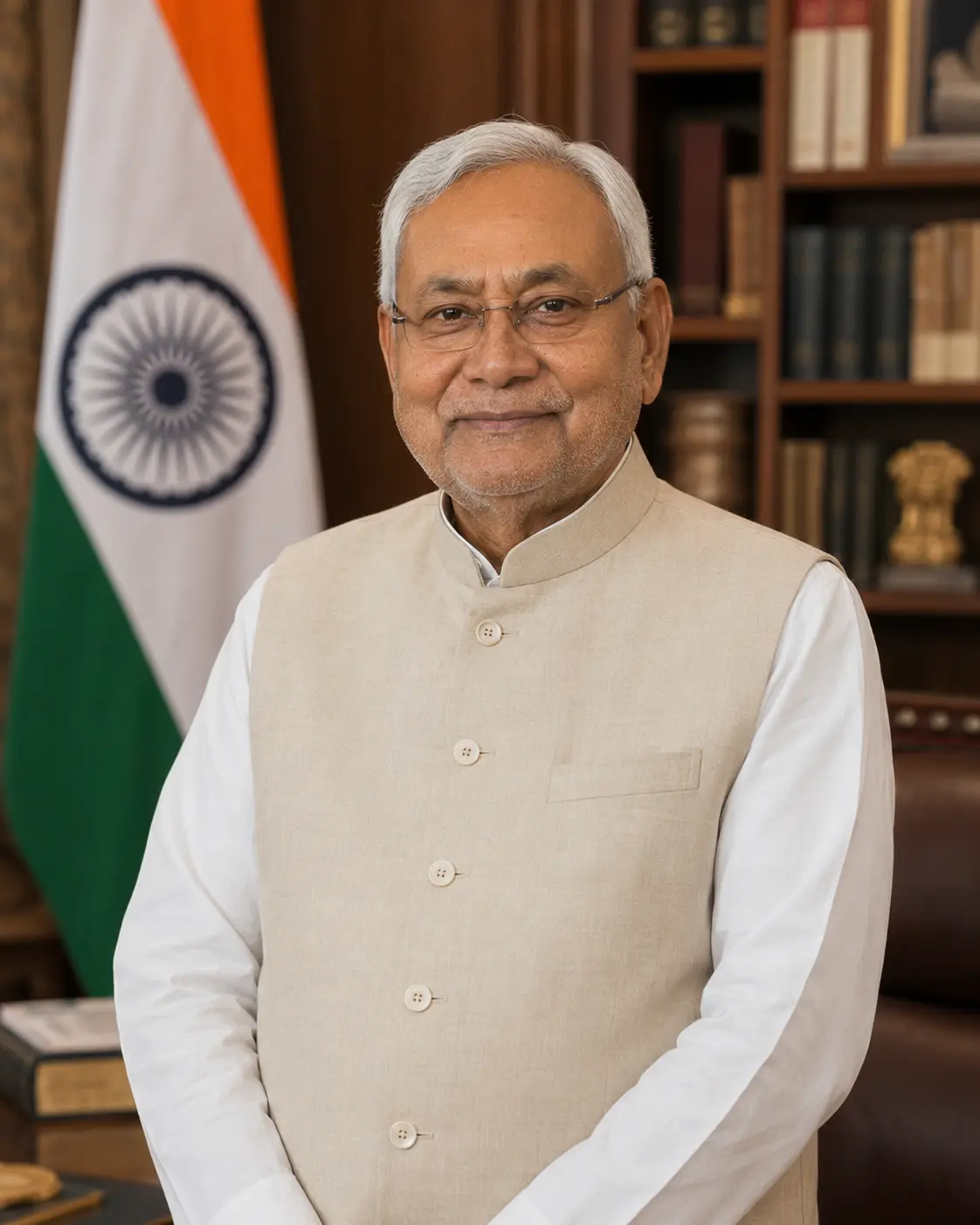
Nitish Kumar Biography

Nitish Kumar’s journey from a small village to becoming one of India’s most influential politicians is a tale of resilience, determination, and a vision for a better society. Through thick and thin, he has carved a path that resonates with millions, embodying the aspirations of the common man.

Introduction

Nitish Kumar is a prominent Indian politician, best known for his role as the Chief Minister of Bihar. His leadership has transformed the state’s governance and development landscape. He is recognized for his focus on education, infrastructure, and social justice, making him a significant figure in Indian politics.

Quick Summary

  • Full Name: Nitish Kumar
  • Born: March 1, 1951, in Bakhtiarpur, Bihar, India
  • Profession: Politician
  • Known As: Chief Minister of Bihar
  • Career Span: Active in politics since the late 1970s
  • Key Contributions:
    • Improved education and health care in Bihar
    • Focused on infrastructure development
    • Pioneered social reforms for marginalized communities
    • Introduced schemes for women’s empowerment
    • Promoted agricultural development and rural welfare
    • Strengthened law and order in the state
    • Advocated for federal support for Bihar’s growth
  • Quote: “Development is the only way to change the society.”

Early Life & Background

Nitish Kumar was born into a modest family in Bakhtiarpur, a small town in Bihar. His father, a farmer, and his mother, a homemaker, instilled strong values of hard work and education in him. Growing up in Bihar during a time of political upheaval, he witnessed firsthand the struggles of the common people, which would later influence his political ideology.

As a child, Nitish was curious and determined. He attended local schools, where he excelled in his studies. His early education was marked by a thirst for knowledge and a desire to understand the world around him. He often engaged in debates with his classmates about social issues, demonstrating his budding interest in politics.

In his teenage years, Nitish was deeply influenced by the social movements of the time. The idea of fighting for the rights of the oppressed resonated with him. His family encouraged him to pursue higher education, leading him to Patna University, where he studied political science. Here, he became actively involved in student politics, which set the stage for his future career.

How It All Started

Nitish Kumar’s journey into politics began during his college years. Inspired by the leaders of the Jayaprakash Narayan movement, he became involved in student activism, advocating for democratic reforms and social justice. He was drawn to the idea of creating a just society where everyone had equal opportunities.

In the late 1970s, he joined the Janata Party, which was a significant political force at the time. His dedication and leadership qualities soon caught the attention of senior leaders. He actively participated in agitations and campaigns, gaining valuable experience in grassroots mobilization. Nitish’s early days in politics were marked by intense struggles, as he often faced opposition from established political players.

His first major breakthrough came when he was elected to the Lok Sabha in 1989. This victory was not just a personal achievement; it was a step forward for the people of Bihar who had long been deprived of effective representation. Nitish used this platform to voice the concerns of his constituents, focusing on issues like education, poverty, and regional development.

Throughout the 1990s, he faced numerous challenges, including political instability and internal party conflicts. However, his resolve never wavered. He continued to work at the grassroots level, connecting with the people and understanding their needs. His efforts led to his appointment as the Union Minister for Railways in 2001, further solidifying his position in Indian politics.

Despite facing setbacks, including the loss of elections, Nitish Kumar’s perseverance never faltered. He learned from each experience, refining his strategies and deepening his commitment to the welfare of Bihar. His ability to engage with the public, listen to their grievances, and provide solutions became his hallmark.

In 2005, his hard work paid off when he became the Chief Minister of Bihar. This role was not just a political position for Nitish; it was an opportunity to implement the changes he had always envisioned. He focused on governance reforms, improving infrastructure, and enhancing education, proving to the people that change was possible.

Nitish Kumar’s early political journey was characterized by a deep connection with the people of Bihar. His ability to empathize with their struggles, combined with his unwavering commitment to development, laid the foundation for his long and impactful career in politics. He emerged not just as a leader but as a symbol of hope for many, showcasing that with dedication and vision, one can transform a society.

Career Journey

Early Career

Nitish Kumar’s political journey began in the early 1970s when he was still a student at Patna University. His early exposure to politics came through student activism. He was influenced by the socialist movements led by leaders like Jayaprakash Narayan. In 1974, he actively participated in the Bihar movement against the then Chief Minister, earning recognition for his organizational skills and ability to mobilize support. This experience laid the foundation for his future political career.

In 1977, Nitish Kumar entered politics formally when he became a member of the Janata Party. He contested the Lok Sabha elections and won from the Barh constituency in Bihar. His initial years were characterized by a deep commitment to grassroots issues. He focused on local governance and community development, establishing himself as a leader who understood the needs of the common people.

Breakthrough Phase

The breakthrough moment in Nitish Kumar’s career came in 1989 when he became a member of the Rajya Sabha, the upper house of India’s Parliament. During this period, he held various key positions, including that of a minister in the government of Bihar. His tenure was marked by a strong focus on infrastructure development and education. He was instrumental in implementing policies aimed at improving the state’s transportation networks and education system.

In 1996, Nitish Kumar made a significant move by joining the Bharatiya Janata Party (BJP). This alliance proved pivotal for his political trajectory. He was appointed as the Union Minister for Railways in 1999 under the NDA government. His leadership in this role was transformative; he initiated a number of reforms that improved efficiency and service delivery within the Indian Railways. His effort to enhance railway safety and modernize infrastructure earned him widespread acclaim.

Peak Career

Nitish Kumar’s peak career phase began in 2005 when he became the Chief Minister of Bihar for the first time. Assumed under challenging circumstances, Bihar was grappling with issues of lawlessness and poor governance. His leadership style was pragmatic, focusing on restoring law and order while also implementing development policies. His ‘seven resolves’ plan aimed at improving governance and delivery of services to the citizens, which resonated with the population.

His government focused intensely on education reform. The government launched schemes like ‘Siksha Yojana’ which emphasized quality education and infrastructure in schools. By improving literacy rates, especially among women, he aimed to change the socio-economic landscape of Bihar. Under his leadership, Bihar saw significant economic growth, and many industries began to invest in the state, attracted by the improving infrastructure.

In 2010, Nitish Kumar won a remarkable mandate, securing a majority for his party, the Janata Dal (United) or JD(U), in the assembly elections. His re-election was seen as a validation of his policies. The people of Bihar recognized his efforts in transforming the state’s image from one of crime and corruption to one of development and governance.

However, his journey wasn’t without controversies. In 2013, he faced a significant challenge when the BJP, his ally, chose Narendra Modi as its prime ministerial candidate. Kumar opposed this decision, leading to a split in the alliance. This was a turning point for him as he sought to reposition his party in the political landscape. He aligned with the Rashtriya Janata Dal (RJD) and the Indian National Congress, a move that surprised many but showcased his political acumen and ability to adapt.

Later Career

In 2015, under the Grand Alliance, Nitish Kumar again became Chief Minister after a hard-fought election. His government focused on social justice, women’s empowerment, and anti-corruption. This phase saw significant investments in health care and education, aiming to uplift the marginalized sections of society. His leadership during these years was characterized by a focus on social welfare programs, including the successful implementation of the ‘Bihar Student Credit Card Scheme’ that aimed to provide financial assistance for higher education.

However, in 2017, Kumar made a surprising move by resigning from the Grand Alliance and forming a government with the BJP again. This decision was met with mixed reactions. Supporters praised his strategic thinking, while critics accused him of abandoning his principles. Nevertheless, he managed to maintain his position and continued to drive development initiatives in the state.

As of 2020, Nitish Kumar’s leadership has continued to evolve, with a strong focus on combating the COVID-19 pandemic’s impact on Bihar. His government has implemented numerous measures to support the economy and protect public health. His political journey exemplifies resilience and the ability to navigate through changing political landscapes while keeping the development of Bihar at the forefront.

Major Achievements

  • First term as Chief Minister of Bihar in 2005; known for restoring law and order.
  • Implemented the ‘Seven Resolves’ program focusing on governance and services.
  • Significant improvements in the education sector, boosting literacy rates.
  • Initiated infrastructure development projects that attracted investment to Bihar.
  • Served as Union Minister for Railways, introducing reforms that enhanced service delivery.
  • Launched the Bihar Student Credit Card Scheme to support higher education.
  • Successfully led multiple assembly elections, demonstrating sustained public support.
  • Fostered alliances with various political parties to ensure stable governance.

What Makes Them Special

Nitish Kumar is known for his pragmatic leadership style. He possesses a unique ability to connect with the common people, often emphasizing their issues in his speeches and initiatives. His focus on education and infrastructure shows his understanding of the long-term needs of a developing state. He is a skilled negotiator, evident in his ability to form alliances with diverse political parties to ensure the stability of his government. Kumar’s commitment to social justice reflects in his policies that aim at upliftment of the marginalized, showcasing his vision for an inclusive society.

Challenges & Struggles

Throughout his career, Nitish Kumar has faced numerous challenges. His split with the BJP in 2013 was a significant moment, leading to questions about his future political viability. Critics often pointed out the issues of caste politics in Bihar, challenging his governance style. Additionally, his alliance with the RJD was met with skepticism given the latter’s controversial past. The political landscape of Bihar is dynamic, and Kumar has faced criticism for his shifting alliances. However, he has shown resilience by adapting to changing political climates while maintaining a focus on Bihar’s development.

Legacy & Impact

Nitish Kumar is remembered as a significant leader in Indian politics, especially in Bihar. His contributions to governance reform and social justice have had a lasting impact. He is known for implementing strong policies on education, health, and infrastructure, which have improved the lives of many in Bihar.

His focus on good governance and anti-corruption measures has inspired future generations of leaders. Kumar’s efforts have influenced various groups, including the youth, women, and farmers, showing them the power of dedicated leadership. His work has also set a standard for political accountability in the region.

Personal Life

Nitish Kumar was born on March 1, 1951, in Bihar. He is married and has a daughter. Outside of politics, he enjoys reading and is passionate about social issues. His down-to-earth lifestyle reflects his commitment to the people’s welfare.

Interesting Facts

  • Nitish Kumar studied at Patna University, where he became involved in student politics.
  • He is known for his disciplined work ethic and punctuality.
  • Kumar has served as the Chief Minister of Bihar multiple times.
  • He was a member of the Janata Party before forming his own party.
  • Nitish is often referred to as the ‘Sushasan Babu’ or ‘Good Governance Man’ for his focus on effective governance.
  • He has a keen interest in history and literature.
  • Kumar played a critical role in Bihar’s economic development in recent years.

Frequently Asked Questions

Who is Nitish Kumar?

Nitish Kumar is an Indian politician and the Chief Minister of Bihar, known for his leadership and governance reforms.

Why is Nitish Kumar famous?

He is famous for his contributions to Bihar’s development and as a prominent figure in Indian politics.

What are their achievements?

Nitish Kumar has achieved significant reforms in education, health, and infrastructure in Bihar.

What is their background?

He began his political career in the 1970s as a student activist and later became a key leader in Bihar and the national political arena.

How many times has Nitish Kumar been Chief Minister?

Nitish Kumar has served as the Chief Minister of Bihar several times since 2005.

What is Nitish Kumar’s approach to governance?

His approach focuses on good governance, transparency, and anti-corruption measures.

Is Nitish Kumar involved in social issues?

Yes, he is actively involved in addressing social issues, particularly education and women’s empowerment.

Conclusion

Nitish Kumar’s journey from a student activist to a prominent political leader showcases his dedication to public service. His contributions to Bihar’s development and governance reform have left a significant mark on the state and beyond. As he continues to lead, his life story serves as an inspiration for many, emphasizing the importance of integrity and commitment in politics.

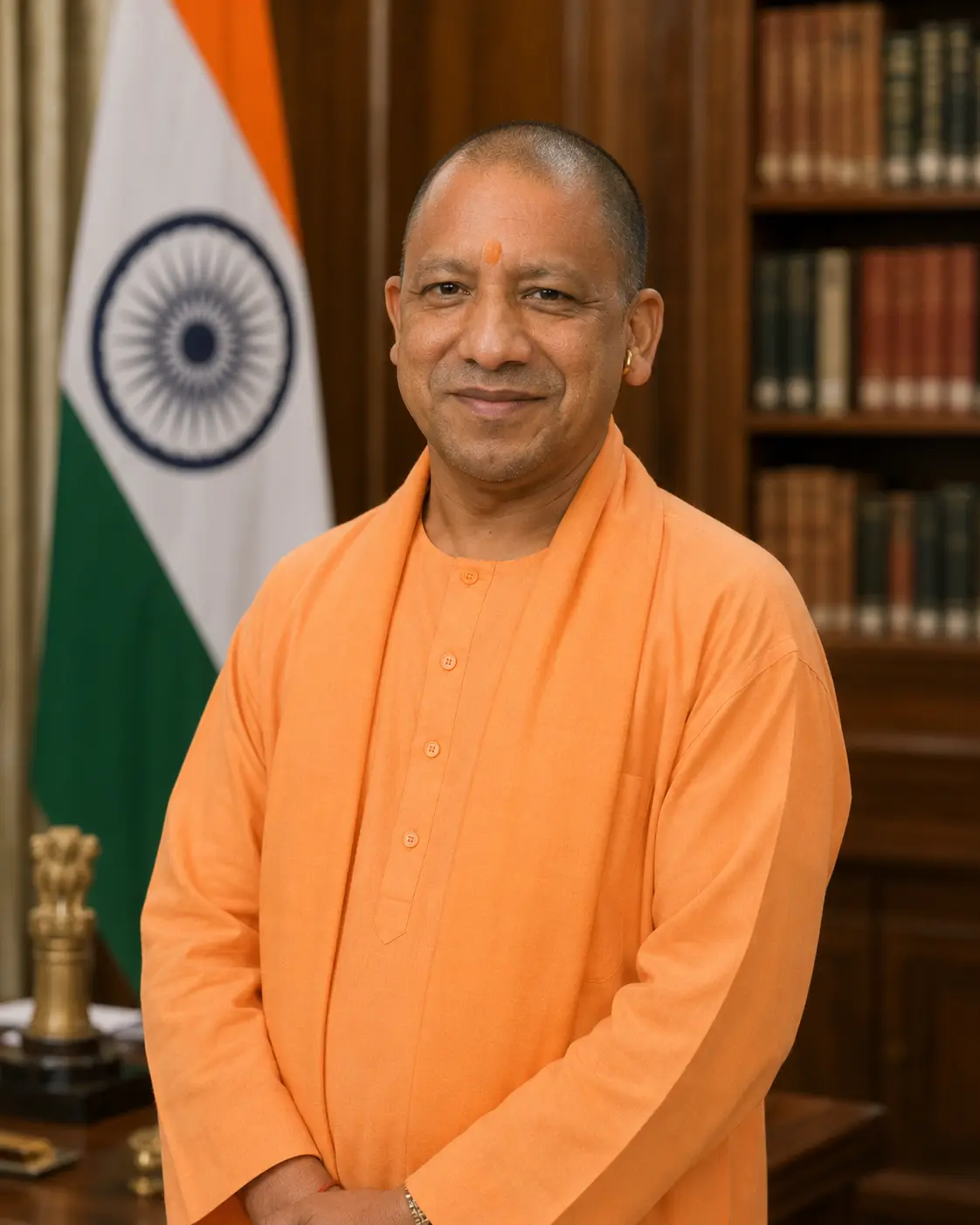
Yogi Adityanath Biography

In a land where tradition meets modern politics, Yogi Adityanath stands as a unique figure. A Hindu monk turned politician, he is known for his strong leadership and dedication to the welfare of his people. His journey from a spiritual leader to the Chief Minister of Uttar Pradesh is both inspiring and impactful.

Introduction

Yogi Adityanath is a prominent Indian politician and Hindu monk, currently serving as the Chief Minister of Uttar Pradesh. He is recognized for his firm stance on law and order, as well as his efforts to promote Hindu culture. His rise in politics is marked by a blend of religious influence and political acumen, making him a significant figure in contemporary Indian politics.

Quick Summary

  • Full Name: Ajay Mohan Bisht
  • Born: June 5, 1972, in Panchur, Uttarakhand, India
  • Profession: Politician, Hindu monk
  • Known As: Yogi Adityanath
  • Career Span: Active in politics since the late 1990s
  • Key Contributions:
    • Chief Minister of Uttar Pradesh since March 2017
    • Promoted initiatives for women’s safety and development
    • Focused on infrastructure development in Uttar Pradesh
    • Advocated for the promotion of Hindu culture and heritage
    • Implemented policies aimed at improving law and order
    • Established schemes for the welfare of farmers and the poor
  • Quote: “Development is the only way to create a strong and prosperous Uttar Pradesh.”

Early Life & Background

Yogi Adityanath was born as Ajay Mohan Bisht in a small village in Uttarakhand, India. He came from a family that valued education and spirituality. His father was a government officer, and this environment instilled in him a sense of discipline and responsibility. Growing up in the foothills of the Himalayas, he was surrounded by nature and spirituality, which greatly influenced his personality.

From a young age, Yogi Adityanath showed a deep interest in religion and spirituality. His family encouraged him to pursue education, and he attended local schools where he excelled academically. He was known for his calm demeanor and strong will. During his teenage years, he became involved in social activities and was influenced by local leaders who spoke about the importance of serving the community.

After finishing his schooling, he moved to Gorakhpur to study at the Gorakhpur University. Here, he became deeply influenced by the teachings of a local saint, Mahant Avaidyanath. This relationship sparked his interest in spirituality, leading him to join the Gorakhnath Math, a significant Hindu monastery, where he trained under the guidance of the saint.

How It All Started

Yogi Adityanath’s political journey began in the late 1990s. His mentor, Mahant Avaidyanath, was not just a spiritual leader but also a politician who inspired him to enter the political arena. Under the guidance of his mentor, he gradually became involved in the socio-political issues of the region, advocating for Hindu rights and cultural preservation.

In 1998, at the young age of 26, Yogi Adityanath was elected as a Member of the Lok Sabha from the Gorakhpur constituency. This win marked his official entry into politics, and he quickly became known for his outspoken views and dedication to his constituents. His early years in Parliament were characterized by a focus on issues like rural development, education, and health care.

During his initial years, he faced challenges, including opposition from various political factions. However, his strong connection with the local community and his commitment to their welfare helped him overcome these hurdles. He organized several community programs, focusing on health camps and educational initiatives, which earned him respect among the people.

Yogi Adityanath’s rise was not without struggles. He faced criticism for his hardline stance on issues concerning Hindu nationalism, which often put him at odds with secular factions. However, this did not deter him. Instead, he used this criticism as motivation to connect more deeply with his supporters, often organizing rallies and public meetings to discuss their concerns and aspirations.

His breakthrough came when he was appointed as the head of the Gorakhnath Math after the death of Mahant Avaidyanath. This position not only enhanced his spiritual status but also solidified his influence in the region. He leveraged this influence to build a strong political base, focusing on grassroots movements and maintaining a direct rapport with the common people.

In 2017, all his efforts culminated in his election as the Chief Minister of Uttar Pradesh, one of the largest states in India. This was a significant turning point in his career, as he was now in a position to implement policies that aligned with his vision for the state. His journey illustrates how a blend of spirituality, politics, and community service can create a formidable leader dedicated to the welfare of the people.

Career Journey

Early Career

Yogi Adityanath’s political journey began in his early 30s, a time when he was deeply involved in social and religious activities. In 1998, he made his political debut by contesting the Lok Sabha elections from the Gorakhpur constituency. This was significant for Adityanath, as Gorakhpur is more than just a constituency; it is a place where he had built a strong connection with the community through his work as a monk at the Gorakhnath temple. His dedication to the temple and the people laid a strong foundation for his political career.

During this phase, he focused on addressing local issues, including development and welfare. Adityanath’s unique background as a monk allowed him to connect with the electorate on a personal level. His speeches often drew from Hindu scriptures, which resonated deeply with the voters in the region. He won the 1998 elections by a significant margin, making him one of the youngest members of parliament at the time.

Breakthrough Phase

Yogi Adityanath’s breakthrough came in the early 2000s when he started to gain national attention. As a member of the Bharatiya Janata Party (BJP), he became known for his fiery speeches and strong stance on issues related to Hindu rights and nationalism. His vocal opposition against perceived threats to Hindu culture, particularly from groups like the Muslim community, positioned him as a controversial yet popular figure. This phase was marked by his repeated electoral wins, as he successfully retained his seat in the Lok Sabha in 1999, 2004, and 2009 elections.

During this time, he also became the head of the Hindu Yuva Vahini, a right-wing youth organization. This group played a crucial role in mobilizing support for Hindutva ideology among young voters. His ability to connect with the youth and energize them towards his vision for India marked a turning point in his career. In 2014, he was re-elected to the Lok Sabha, further solidifying his influence in Uttar Pradesh politics.

Peak Career

The peak of Yogi Adityanath’s career came when he was appointed as the Chief Minister of Uttar Pradesh in March 2017. This was a significant moment not only for him but also for the BJP, as Uttar Pradesh is India’s most populous state and crucial for any political party’s success. His appointment came after the BJP won a historic mandate, securing 312 out of 403 seats in the state assembly.

As Chief Minister, Adityanath faced immediate challenges, including high crime rates and political unrest. He took swift action to address these issues, introducing strict measures to restore law and order. His administration launched several initiatives aimed at economic development, including the “One District, One Product” scheme, which aimed to promote local industries and create jobs.

One of the major moments during his tenure was the “Anti-Romeo Squad” initiative launched in 2017, aimed at curbing harassment of women. While it received mixed reactions, it demonstrated his commitment to women’s safety. Under his leadership, Uttar Pradesh also saw significant developments in infrastructure, with numerous highway projects and the development of the Expressway connecting various districts.

Later Career

Yogi Adityanath’s later career has been characterized by continuity and resilience. He successfully navigated the challenges posed by the COVID-19 pandemic in 2020, implementing measures to control the spread of the virus while also ensuring essential services remained operational. His government faced criticism for its handling of the pandemic, but he remained focused on recovery efforts, including ramping up healthcare facilities and vaccination drives.

In 2022, he sought re-election amid a challenging political landscape. During the campaign, he emphasized his administration’s achievements in law and order, infrastructure, and economic development. His ability to rally support from diverse sections of society demonstrated his political acumen.

Adityanath has continued to be a polarizing figure, often attracting both fervent supporters and strong critics. However, his ability to maintain the BJP’s dominance in Uttar Pradesh defines his later career phase. His leadership has not only impacted state politics but has also resonated on a national level, symbolizing the BJP’s vision for India.

Major Achievements

  • Served as Chief Minister of Uttar Pradesh since March 2017, leading the state with a focus on law and order.
  • Launched several development initiatives, including the “One District, One Product” scheme.
  • Implemented the “Anti-Romeo Squad” initiative to enhance women’s safety.
  • Successfully managed the state’s response to the COVID-19 pandemic while working to ramp up healthcare infrastructure.
  • Secured re-election in 2022, reinforcing the BJP’s influence in Uttar Pradesh.
  • Increased investment in the state’s infrastructure, boosting economic growth.
  • Established a strong connection with voters through his background as a monk and community involvement.

What Makes Them Special

Yogi Adityanath stands out for his unique background as a Hindu monk, which shapes his leadership style. He has a strong command over oratory skills, often using religious and cultural references that resonate with the people of Uttar Pradesh. Adityanath’s personality is marked by assertiveness and a no-nonsense approach to governance. He is known for making quick decisions under pressure, reflecting his commitment to delivering results.

His ability to connect with the youth through organizations like the Hindu Yuva Vahini showcases his understanding of grassroots politics. Adityanath’s work ethic is evident in his active engagement with the community, often participating in local events and addressing people’s concerns directly. His leadership qualities shine through his commitment to law and order, economic development, and social welfare programs in the state.

Challenges & Struggles

Throughout his career, Yogi Adityanath has faced several challenges and criticisms. His governance has often been scrutinized for its handling of communal tensions and the law and order situation in the state. High-profile incidents, such as riots and caste-based violence, have led to calls for accountability and reform. Critics argue that his approach tends to polarize communities rather than unify them.

Additionally, during the COVID-19 pandemic, his administration faced backlash for the handling of healthcare resources and the management of migrant workers. The challenges of balancing economic growth with social harmony have marked his tenure as Chief Minister. However, Adityanath has shown resilience, often addressing criticisms head-on and reiterating his commitment to his vision for Uttar Pradesh.

Legacy & Impact

Yogi Adityanath is remembered for his strong leadership as the Chief Minister of Uttar Pradesh. His policies focus on development, law and order, and promoting Hindu culture. Under his leadership, Uttar Pradesh has seen initiatives in infrastructure, healthcare, and women’s safety. Adityanath’s blend of religion and politics has influenced many, particularly young leaders in the Bharatiya Janata Party (BJP). His approach has inspired a generation to engage more actively in politics, especially within the context of Hindu nationalism.

Personal Life

Yogi Adityanath was born as Ajay Mohan Bisht. He is a monk and has dedicated his life to serving the public. Adityanath is known for his simple lifestyle, living in the Gorakhnath temple complex. He is a vegetarian and often speaks about the importance of spirituality in daily life. He remains unmarried, focusing wholly on his political and social work.

Interesting Facts

  • Yogi Adityanath is the head of the Gorakhnath temple, a significant religious site in Uttar Pradesh.
  • He has a degree in Hindu theology from the Garhwal University.
  • Adityanath is known for his strong views on cow protection and has implemented policies to support it.
  • He has been re-elected multiple times as a Member of Parliament from Gorakhpur.
  • He enjoys yoga and often emphasizes its importance in promoting health and well-being.
  • Yogi Adityanath has a significant following on social media, where he shares updates on his work and initiatives.
  • He has been involved in various social causes, including education and rural development.

Frequently Asked Questions

Who is Yogi Adityanath?

Yogi Adityanath is an Indian politician and the Chief Minister of Uttar Pradesh, known for his leadership in the Bharatiya Janata Party.

Why is Yogi Adityanath famous?

He is famous for his governance in Uttar Pradesh, his strong speeches, and his influence on Hindu politics.

What are his achievements?

His key achievements include improving infrastructure, law enforcement, and promoting cultural initiatives in Uttar Pradesh.

What is his background?

Yogi Adityanath was born into a Hindu family and became a monk before entering politics, blending spirituality with his political work.

What policies has he implemented?

He has implemented policies focused on development, safety, and the welfare of the youth and women in Uttar Pradesh.

Is Yogi Adityanath married?

No, Yogi Adityanath is unmarried and has dedicated his life to public service and spirituality.

Conclusion

Yogi Adityanath’s life story is one of dedication and service. He has made a significant impact on Indian politics and governance through his leadership in Uttar Pradesh. His focus on development, cultural pride, and strong governance has left a mark on the state and inspired future leaders. Adityanath’s journey continues to resonate with many, as he champions the cause of progress while staying rooted in tradition.

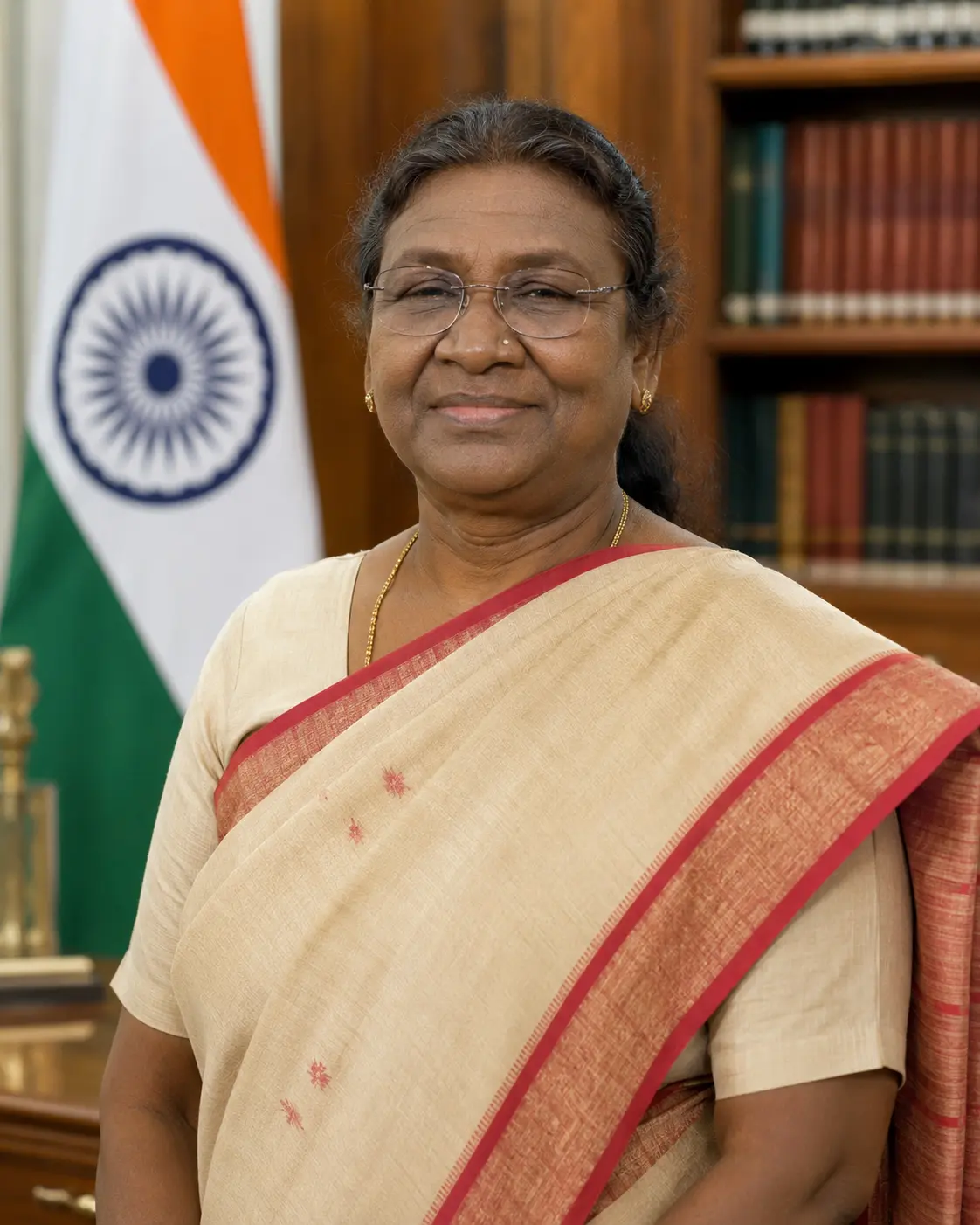
Droupadi Murmu Biography

Droupadi Murmu’s journey from a small tribal community to the highest office in India is a tale of resilience and determination. Her story inspires many, showing that dreams can come true regardless of one’s background.

Introduction

Droupadi Murmu is an Indian politician who made history as the first tribal woman to serve as the President of India. She holds a significant place in Indian politics, known for her dedication to social justice and empowerment of marginalized communities. Her rise to one of the most powerful positions in the country reflects her commitment to public service and her deep-rooted connection to the tribal community.

Quick Summary

  • Full Name: Droupadi Murmu
  • Born: June 20, 1958, in Mayurbhanj, Odisha
  • Profession: Politician
  • Known As: First tribal woman President of India
  • Career Span: Active in politics since the 1990s
  • Key Contributions:
    • Advocated for the rights of tribal communities
    • Served as the Governor of Jharkhand
    • Promoted women’s empowerment and education
    • Worked on policies to improve livelihoods in rural areas
    • A strong voice against corruption and social injustice
    • Encouraged the representation of marginalized groups in politics
  • Quote: “I will work for the upliftment of the marginalized and strive for a just society.”

Early Life & Background

Droupadi Murmu was born in a tribal family in the Mayurbhanj district of Odisha. Her father, a farmer, and her mother, a homemaker, instilled strong values of education and hard work in her. Growing up in a simple household, Droupadi faced many challenges but was always encouraged to pursue her studies. She often played outdoors with friends, developing a strong connection to her roots and the community.

From a young age, Droupadi showed a keen interest in learning. She attended the local school, where she excelled academically. Her teachers recognized her potential and encouraged her to aim high. Despite limited resources, she remained determined to succeed. The struggles of her family and community deeply influenced her character, fostering a desire to help others who faced similar hardships.

Droupadi completed her schooling and moved on to college. She attended Rama Devi Women’s College in Bhubaneswar, where she studied arts. Her college years were transformative, as she became aware of social issues affecting her community. She joined various student organizations and participated in debates, which sparked her interest in politics. It was during this time that the seeds of her future career were planted.

How It All Started

Droupadi Murmu’s journey into politics began when she was still in college. Inspired by leaders who fought for tribal rights, she started to understand the power of political advocacy. She realized that to bring about change, one needed to be part of the system. This motivated her to get involved in student politics, where she fought for the rights of her fellow students and advocated for better facilities in college.

After completing her education, Murmu took her first steps into politics by joining the Bharatiya Janata Party (BJP). She was drawn to the party’s vision of inclusive development and empowerment for all communities. Her initial role involved working at the grassroots level, where she listened to the concerns of the tribal people and fought for their rights. She often traveled to remote villages, understanding their needs and building strong relationships with the community.

In the late 1990s, Droupadi’s dedication and hard work began to pay off. She was elected as a member of the Odisha Legislative Assembly in 2000. This victory was significant, as it marked her entry into formal politics. As a legislator, she focused on various issues, including education, health, and infrastructure development in tribal areas. Her work was recognized, and she quickly gained a reputation as a strong advocate for social justice.

Throughout her political career, Droupadi faced numerous challenges. Being a woman in politics, especially from a tribal background, came with its own set of hurdles. She encountered skepticism and resistance but remained undeterred. With each challenge, she grew stronger and more determined to make a difference. Her perseverance earned her respect among her peers and constituents.

As she continued to rise through the ranks, Droupadi’s leadership skills shone. She was appointed as the Governor of Jharkhand in 2015, a role that further solidified her reputation as a trailblazer for women and marginalized communities. During her tenure, she emphasized education and empowerment initiatives, working tirelessly to uplift those in need.

The culmination of her journey came when she was nominated for the presidency of India in 2022. Droupadi Murmu’s story is not just about her achievements but also a reflection of the struggles of countless individuals who aspire for a better future. Her dedication to her community and her commitment to social justice continue to inspire many across the nation.

Career Journey

Early Career

Droupadi Murmu began her journey in politics at a local level. She started her career as a teacher after completing her education, which included a degree in Arts from Rama Devi Women’s University in Bhubaneswar. Her early work as an educator allowed her to connect with the community and understand the challenges faced by the tribal population. In 1997, she joined the Bharatiya Janata Party (BJP) and quickly became known for her dedication to addressing the issues of marginalized groups.

Her first significant position came when she was elected as a Councillor in the Rairangpur municipality. During this time, she worked to improve infrastructure and access to basic services for her community. Her grassroots connection and sincere efforts in local governance laid the foundation for her future in politics. Serving at the municipal level, Murmu gained valuable insights into the challenges her constituents faced. This time was essential for honing her leadership skills and understanding governance.

Breakthrough Phase

Murmu’s breakthrough came when she was elected as the Member of the Legislative Assembly (MLA) from the Rairangpur constituency in 2000. This election marked a turning point in her career. She became part of the state government as the Minister of Commerce and Transport in Odisha. This role provided her with the opportunity to work on various initiatives aimed at improving transportation and trade facilities in the state.

In 2004, she was re-elected to the Odisha Legislative Assembly, continuing her momentum in politics. Her reputation grew as she championed issues related to education, women’s empowerment, and social justice. This phase solidified her position as a prominent leader within the BJP, particularly among tribal communities. Murmu’s dedication earned her respect and trust, not just from her party but also from the wider public.

Peak Career

The peak of Murmu’s career began when she was nominated as the Governor of Jharkhand in 2015, becoming the first tribal woman to hold this position in India. This role was significant, as it provided her a platform to influence policy and advocate for the rights of marginalized communities at a higher level. As Governor, she focused on key issues such as education for tribal children, empowerment of women, and sustainable development.

During her tenure, Murmu faced several challenges, including political unrest and governance issues in Jharkhand. However, she managed to navigate these challenges with a steady hand, emphasizing dialogue and cooperation among different political factions. Her leadership during crises, including the COVID-19 pandemic, showcased her commitment to public health and safety, earning her admiration across party lines.

Her major moment came in 2022 when she was nominated as the President of India. This historic nomination was not just a personal achievement but a victory for tribal representation in Indian politics. As she assumed office, Murmu highlighted her commitment to inclusivity, stating her desire to promote the welfare of all communities, especially those that have been marginalized.

Later Career

As President, Murmu has continued to focus on issues of national importance while advocating for the rights of tribal communities. She has emphasized the need for sustainable development and environmental protection. Her leadership style has been characterized by a calm demeanor and a willingness to listen, traits that have strengthened her position in Indian politics.

Murmu has also worked to strengthen India’s relationships with various countries, emphasizing cultural exchange and cooperation. She has been an inspiration for many aspiring politicians, especially women from tribal backgrounds. Her journey from a small village to the Rashtrapati Bhavan serves as a powerful reminder of the importance of representation and inclusivity in governance.

Major Achievements

  • First tribal woman to serve as the President of India.
  • Elected as the Member of the Legislative Assembly from Rairangpur in 2000 and 2004.
  • Served as the Minister of Commerce and Transport in Odisha.
  • First tribal woman to become the Governor of Jharkhand in 2015.
  • Advocate for women’s empowerment and education for tribal children.
  • Played a significant role in disaster management during the COVID-19 pandemic.
  • Promoted sustainable development initiatives during her governorship and presidency.

What Makes Them Special

Droupadi Murmu’s unique journey is characterized by her deep connection to her roots and her ability to relate to the struggles of marginalized communities. Her experience as a teacher has influenced her empathetic approach to governance. She is known for her strong communication skills and her ability to articulate the needs of those she represents. Her leadership style combines strength with humility, allowing her to foster collaboration among diverse groups.

Her advocacy for education and empowerment is not just a political stance; it is rooted in her personal experiences. Murmu’s commitment to social causes and her ability to inspire others set her apart as a leader. She possesses a remarkable ability to listen to her constituents and address their concerns, making her a beloved figure in Indian politics. Her story resonates with many, especially women and tribal leaders, who see in her a reflection of their struggles and aspirations.

Challenges & Struggles

Throughout her career, Droupadi Murmu has faced numerous challenges and criticisms. As a woman in a male-dominated political landscape, she has had to navigate gender biases and stereotypes. Her journey was not without obstacles, including political opposition and the complexities of governance in a diverse country like India.

During her time as Governor, she encountered significant political turmoil in Jharkhand. Managing relationships with different political parties required patience and resilience. Despite these challenges, she remained focused on her priorities, such as advocating for the welfare of tribal communities and addressing critical issues such as education and health care.

Murmu has also faced scrutiny regarding her policies and decisions, but she has handled criticism with grace and determination. By focusing on her vision and continuing to serve her constituents, she has proven that challenges can be overcome with hard work and dedication. Her journey is a testament to the power of perseverance and the importance of representation in leadership roles.

Legacy & Impact

Droupadi Murmu is remembered for her dedication to empowering marginalized communities in India. Her work has significantly impacted the lives of tribal populations, improving access to education, health, and basic services. As a leader, she has inspired many young women to pursue careers in politics and public service, proving that dedication and hard work can lead to meaningful change. Murmu’s achievements have also encouraged increased representation of tribal people in governance, influencing future generations of leaders from similar backgrounds. Her commitment to social justice has made her a respected figure within the Bharatiya Janata Party and beyond.

Personal Life

Droupadi Murmu is married and has two children. She values family time and enjoys reading and engaging with her community. Her personal experiences as a tribal woman have shaped her political journey and commitment to social issues.

Interesting Facts

  • Droupadi Murmu was born in a tribal family in Odisha, India.
  • Before entering politics, she worked as a lecturer and teacher.
  • She served as the Governor of Jharkhand before her current role.
  • Murmu has been an advocate for women’s rights and education.
  • She is known for her strong connection with her constituents.
  • Murmu enjoys reading literature and exploring local culture.

Frequently Asked Questions

Who is Droupadi Murmu?

Droupadi Murmu is an Indian politician known for her work in advocating for tribal rights and her role in the Bharatiya Janata Party.

Why is Droupadi Murmu famous?

She is famous for her significant contributions to political representation for marginalized groups, especially tribal communities in India.

What are her achievements?

Her achievements include serving as a Member of the Legislative Assembly, Governor of Jharkhand, and advocating for education and women’s rights.

What is her background?

Droupadi Murmu comes from a tribal background in Odisha, where she began her career as a teacher before entering politics.

What is her role in politics?

Murmu plays an important role in Indian politics, focusing on social justice, education, and infrastructure development for tribal communities.

What inspires Droupadi Murmu?

Her inspiration comes from her experiences growing up in a tribal community and her desire to improve the lives of others.

Conclusion

Droupadi Murmu’s journey from a tribal community to a prominent political leader is truly inspiring. Her unwavering commitment to social justice, women’s empowerment, and the well-being of marginalized groups has left a lasting impact on Indian society. As she continues to serve in her role, her story motivates many to believe in the power of dedication and the importance of representation in governance. Droupadi Murmu’s life story is a testament to the change that one individual can bring to their community and beyond.

Ram Nath Kovind Biography

In the heart of India, a simple boy from a small village rose to become one of the most respected leaders of the nation. Ram Nath Kovind’s journey is a testament to determination, resilience, and the power of dreams.

Introduction

Ram Nath Kovind is an influential Indian politician who served as the 14th President of India from 2017 to 2022. Known for his humble beginnings and commitment to public service, Kovind has left an indelible mark on Indian politics. His life story is not just about political achievements; it is a narrative of overcoming obstacles and demonstrating the importance of education and perseverance.

Quick Summary

  • Full Name: Ram Nath Kovind
  • Born: October 1, 1945, in Paraukh, Uttar Pradesh
  • Profession: Politician, Lawyer
  • Known As: President Ram Nath Kovind
  • Career Span: 1991 – Present
  • Key Contributions:
    • Served as Governor of Bihar (2015-2017)
    • Played a significant role in the Bharatiya Janata Party (BJP)
    • Advocated for social justice and empowerment
    • Participated in the drafting of the Constitution (74th Amendment)
    • Focused on education and health reforms during his presidency
  • Quote: “I believe that the future belongs to those who dare to dream.”

Early Life & Background

Ram Nath Kovind was born to a modest family in the small village of Paraukh, located in Uttar Pradesh. His father, a farmer, and mother, a homemaker, instilled in him the values of hard work and education. Growing up in a rural setting, Kovind faced many challenges, but his family’s support was unwavering.

As a child, Kovind was known for his curious nature. He often helped his father in the fields, learning the importance of diligence and perseverance. Despite limited resources, his parents emphasized the significance of education, which shaped Kovind’s aspirations from an early age.

His educational journey began in a small local school, where he quickly developed a love for learning. Kovind’s teachers recognized his potential and encouraged him to pursue higher studies. This encouragement became a cornerstone of his early life, as he often recalled the sacrifices his parents made for his education.

During his school years, Kovind was an average student academically, but his interest in social issues and debates emerged early on. He became active in school activities, participating in discussions about social justice and the rights of marginalized communities. These experiences planted the seeds for his future involvement in politics.

How It All Started

Ram Nath Kovind’s journey into politics began during his college years. After completing his schooling, he moved to Kanpur for higher education, enrolling in the University of Kanpur. It was here that he was first exposed to the world of student politics. He joined the Akhil Bharatiya Vidyarthi Parishad (ABVP), a student organization affiliated with the Rashtriya Swayamsevak Sangh (RSS). This was a turning point for him, as it ignited his passion for public service and social issues.

Kovind’s involvement in ABVP introduced him to like-minded individuals who were equally passionate about social change. They organized rallies and discussions, addressing issues faced by students and the community. Through these activities, Kovind learned how to articulate his thoughts and become a voice for others. His leadership skills began to flourish as he worked tirelessly to represent his peers.

After completing his degree in commerce, Kovind pursued law at the Delhi University. It was during this time that he deepened his understanding of the Indian Constitution and legal systems. His professors noted his analytical skills and passion for justice, which motivated him to advocate for the rights of the underprivileged.

Even as he studied, Kovind faced challenges. The financial strain of education forced him to take up part-time jobs to support himself. He worked as a lawyer while attending classes, balancing his studies with the demands of work. This experience only strengthened his resolve to succeed, as he recognized the importance of education in lifting people out of poverty.

During this period, Kovind found inspiration in the writings of Dr. B.R. Ambedkar, the architect of the Indian Constitution. Ambedkar’s ideas about social justice and equality resonated deeply with him. Kovind admired how Ambedkar fought against the caste system and worked for the rights of marginalized communities. This inspiration guided him in his political journey, instilling a sense of responsibility to uplift those who were less fortunate.

As Kovind transitioned from law school to practicing as a lawyer, he began to gain recognition for his dedication to social issues. He often took on cases that involved civil rights and access to justice. His commitment to defending the rights of the underprivileged earned him respect in legal circles, and he became known as a champion for the marginalized.

In the early 1990s, Kovind’s political career took off when he joined the Bharatiya Janata Party (BJP). His understanding of law, combined with his passion for social justice, aligned perfectly with the party’s ideology. He quickly climbed the ranks, serving in various capacities and participating in several significant political initiatives.

His first major recognition came when he was elected as a Member of Parliament in 1991. The victory marked the beginning of a new chapter in his life, as he was now in a position to influence policy and make a difference at a larger scale. This was the realization of his childhood dream, and it fueled his desire to work even harder for his constituents.

Through every challenge and success, Ram Nath Kovind has remained committed to service. His journey from a small village to the highest office in India is a story of hope, determination, and the relentless pursuit of justice. This is only the beginning of a remarkable legacy that continues to inspire millions.

Career Journey

Early Career

Ram Nath Kovind began his professional journey in law after completing his education. He graduated from Kanpur University in 1965, earning his law degree. Following his graduation, he enrolled at the Delhi University’s Campus Law Centre. During this time, he developed a keen interest in public service and law, which would become central to his career.

Kovind started practicing law in 1971 in the Supreme Court of India. His early days were marked by dedication and a passion for justice. He represented clients from diverse backgrounds, which helped him understand the intricacies of the Indian legal system. His reputation as a diligent lawyer grew, and he became actively involved in social issues, especially those affecting marginalized communities.

In 1977, Kovind’s political career began when he joined the Bharatiya Janata Party (BJP). His legal background and commitment to public service made him a suitable candidate for political life. He held various party positions and participated in numerous conferences, gradually making a name for himself within the party ranks.

Breakthrough Phase

In 1990, Kovind’s political career took a significant turn when he was elected as a Member of the Rajya Sabha, the upper house of India’s Parliament. This role allowed him to influence legislative processes and represent the voice of the people from Uttar Pradesh. His work in the Rajya Sabha focused on social justice, education, and development for disadvantaged groups.

During his tenure in the Rajya Sabha, Kovind served on several important committees, including the Committee on Home Affairs and the Committee on Law and Justice. He became known for his analytical skills and advocacy for better governance. His ability to engage with complex legal matters and his understanding of the socio-economic challenges facing rural India positioned him as a key figure within the party.

Kovind’s breakthrough came with his appointment as the Governor of Bihar in 2015. As governor, he was instrumental in promoting educational reforms and fostering dialogue between various communities. His calm demeanor and thoughtful approach to governance earned him respect across party lines. He played a crucial role in addressing issues related to law and order, and his tenure was marked by his commitment to development and progress.

Peak Career

The zenith of Kovind’s career came on July 20, 2017, when he was elected as the 14th President of India. His election was a momentous occasion, symbolizing the rise of a leader from humble beginnings to the highest constitutional office in the country. Kovind’s presidency was characterized by his focus on education, social equity, and the empowerment of women and marginalized communities.

As President, Kovind emphasized the importance of the Constitution and championed initiatives aimed at improving the lives of ordinary citizens. He undertook numerous state visits and met with global leaders, enhancing India’s standing on the world stage. His speeches often reflected his deep belief in democracy, secularism, and social justice.

One of the significant moments of his presidency was in 2018 during the celebration of India’s 72nd Independence Day. Kovind addressed the nation from the ramparts of the Red Fort, highlighting the need for unity in diversity and urging citizens to contribute to nation-building. This message resonated with many and showcased his commitment to a harmonious society.

Kovind also worked towards strengthening the relationship between the government and the military. He visited various military installations and interacted with soldiers, showcasing his support for the armed forces. His presidency was marked by a calm and composed approach, earning him admiration from many quarters.

Later Career

After completing his term as President in 2022, Ram Nath Kovind continued to engage in public life by participating in various educational and social initiatives. He has been a vocal advocate for education, particularly for girls from underprivileged backgrounds. Kovind has emphasized the need for skill development and vocational training to empower youth in India.

Post-presidency, he has also been involved in promoting cultural exchanges and has represented India at various international forums. His experience and insights are sought after in discussions related to governance and diplomacy. Kovind remains a respected figure in Indian politics, known for his humility and dedication to public service.

In his later career, Kovind has been involved in various philanthropic activities, focusing on healthcare and education. He continues to inspire aspiring politicians and public servants, emphasizing the importance of integrity, hard work, and compassion in leadership.

Major Achievements

  • Served as the 14th President of India from 2017 to 2022.
  • As Governor of Bihar, promoted educational reforms and social justice initiatives.
  • Elected as a Member of the Rajya Sabha in 1990, serving for two consecutive terms.
  • Advocated for the rights of marginalized communities and worked on legislation for their welfare.
  • Promoted women’s empowerment and education during his presidency.
  • Engaged in strengthening India’s defense ties and support for the armed forces.
  • Participated in various global forums, enhancing India’s international relations.

What Makes Them Special

Ram Nath Kovind is known for his approachable personality and sincere leadership style. He possesses a unique ability to connect with people from all walks of life. His legal background has given him a strong understanding of constitutional matters, enabling him to navigate complex political landscapes with ease.

One of Kovind’s most commendable traits is his humility. Despite holding high office, he remains grounded and accessible. He values dialogue and actively listens to the concerns of citizens, making him a respected leader. His calm demeanor in the face of challenges reflects his resilience and commitment to democratic values.

Kovind’s emphasis on education as a tool for empowerment is a defining aspect of his legacy. He believes in the transformative power of knowledge and skill development. His initiatives during his presidency aimed at creating opportunities for the youth and fostering a sense of responsibility towards nation-building.

Challenges & Struggles

Despite his illustrious career, Ram Nath Kovind faced challenges along the way. Entering politics as a lawyer, he had to navigate the often tumultuous waters of party politics. There were moments of criticism and opposition, especially during his tenure as Governor, where he had to address contentious issues related to governance and social unrest.

His election as President was not without challenges. He stepped into a role that often requires balancing the expectations of different political factions, while maintaining the dignity of the office. Throughout his presidency, he was faced with the task of unifying a diverse nation and addressing polarizing issues.

Kovind’s ability to handle criticism with grace is noteworthy. Instead of responding with hostility, he often chose a path of dialogue and reconciliation. This quality has earned him respect across the political spectrum and has solidified his reputation as a leader who prioritizes the greater good over partisan interests.

Legacy & Impact

Ram Nath Kovind is remembered as a respected leader and the 14th President of India. His contributions to Indian politics and law have left a lasting impact. Kovind worked tirelessly for the welfare of marginalized communities, advocating for their rights and empowerment. His presidency marked a period of focus on education and social reforms, influencing future generations of leaders to prioritize inclusive governance.

Kovind’s dedication to public service inspired many, especially in the fields of law and politics. Aspiring politicians and lawyers look up to his career as a model of integrity and commitment. His efforts to bridge gaps in society have resonated with various groups, including youth and underprivileged communities.

Personal Life

Ram Nath Kovind was born on October 1, 1945, in Uttar Pradesh. He is married to Savita Kovind, and they have a son and a daughter. Kovind enjoys reading and engaging in social work. His humble beginnings and dedication to family reflect his grounded nature.

Interesting Facts

  • Ram Nath Kovind is known for his simple lifestyle and deep respect for Indian traditions.
  • Before becoming President, he served as the Governor of Bihar from 2015 to 2017.
  • Kovind is an advocate for education, especially for girls and marginalized groups.
  • He has a keen interest in literature, and he appreciates poetry.
  • Kovind has also worked as a lawyer for the Indian Supreme Court for over four decades.
  • He is fluent in Hindi and English, which he uses to connect with people from diverse backgrounds.

Frequently Asked Questions

Who is Ram Nath Kovind?

Ram Nath Kovind is an Indian politician and lawyer who served as the 14th President of India from 2017 to 2022.

Why is Ram Nath Kovind famous?

Kovind is famous for his role as President of India and his contributions to law and public service.

What are his achievements?

Kovind’s achievements include advocating for education, social justice, and serving as the Governor of Bihar before his presidency.

What is his background?

Kovind comes from a humble background, with a degree in law and a long career in legal practice before entering politics.

What did he do before becoming President?

Before becoming President, Kovind served as the Governor of Bihar and held various positions within the Bharatiya Janata Party.

What are his contributions to society?

Kovind has contributed to society by advocating for the rights of marginalized communities and promoting education and empowerment.

Conclusion

Ram Nath Kovind’s journey from a small village to the highest office in India is truly inspiring. His commitment to justice, education, and social welfare has made a significant impact on the lives of many. Kovind’s legacy will continue to influence future generations, reminding them of the importance of service and integrity in leadership. His life story is a testament to the positive change one can bring to society through dedication and hard work.

Pranab Mukherjee Biography

Pranab Mukherjee’s journey from a small village to the highest office in India is a testament to resilience, intellect, and dedication. His life’s work has left an indelible mark on Indian politics and governance.

Introduction

Pranab Mukherjee was a distinguished Indian politician and statesman who served as the 13th President of India from 2012 to 2017. Known for his extensive experience in various government roles, he played a significant part in shaping modern India’s policy framework. His contributions to the Indian economy, foreign affairs, and social justice have made him a respected figure in Indian politics.

Quick Summary

  • Full Name: Pranab Mukherjee
  • Born: December 11, 1935, Kirnahar, West Bengal, India
  • Profession: Politician, Statesman
  • Known As: President of India (2012-2017)
  • Career Span: Over five decades in public service
  • Key Contributions:
    • Served as Finance Minister during critical economic reforms
    • Played a key role in the formulation of the National Policy on Education
    • Instrumental in India’s foreign policy initiatives
    • Advocated for social welfare programs for marginalized communities
    • Contributed to the establishment of the Goods and Services Tax (GST)
    • Strengthened India’s ties with various countries
    • Promoted economic growth through fiscal measures
  • “The greatest challenge before us is to create a better world for all.” – Pranab Mukherjee

Early Life & Background

Pranab Mukherjee was born in a small village called Kirnahar in West Bengal. He came from a family deeply rooted in politics and education. His father, late Kamada Kinkar Mukherjee, was a freedom fighter and a prominent politician in the Indian National Congress. Growing up in this environment, Pranab was naturally exposed to discussions about the country’s future and the importance of education.

As a child, Pranab was known for his curious nature and keen intellect. He often spent time reading books and engaging in debates with his peers. His family valued education, and this had a significant influence on his early life. Pranab attended the local school, where he excelled in his studies and showed a particular interest in history and politics. This passion for learning laid the foundation for his future endeavors.

His early education was marked by a thirst for knowledge. He later went on to study at the University of Calcutta, where he graduated with a degree in political science. It was during these formative years that he began to understand the complexities of governance and the impact of policy decisions on people’s lives.

How It All Started

Pranab Mukherjee’s journey into politics began during his college years. In the early 1960s, he became involved in student politics, inspired by leaders who fought for India’s independence. He was particularly influenced by the ideals of Mahatma Gandhi and Jawaharlal Nehru. These figures instilled in him a belief that politics could be a tool for social change and development.

After completing his education, Pranab joined the Indian National Congress party in 1969. His first significant role came when he was elected as a member of the Rajya Sabha, the upper house of India’s Parliament. This opportunity allowed him to express his views on critical issues and learn the intricacies of political processes. His ability to articulate thoughts clearly and connect with the public caught the attention of senior leaders within the party.

In his early political career, Pranab faced various challenges. The political landscape was turbulent, and he often found himself pitted against opponents who were more experienced. However, he persevered, working diligently to understand the needs of his constituents. He spent time listening to their concerns and advocating for their rights, which earned him respect and recognition.

One pivotal moment in his career came when he was appointed as the Deputy Minister for Industrial Development in the early 1970s. This role allowed him to work closely with industries, giving him insights into economic policies and development strategies. He learned how the government could facilitate growth and create opportunities for people. His work in this position laid the groundwork for his future roles as a finance minister.

Over the years, Pranab developed a network of mentors who guided him. He often spoke about the influence of leaders like Indira Gandhi, who played a crucial role in shaping his understanding of governance. His interactions with experienced politicians helped him navigate the complexities of Indian politics.

Despite facing several setbacks, including political rivalries and shifts in party dynamics, Pranab remained committed to serving the people. His determination paid off when he was appointed as the Finance Minister in 1982. This marked the beginning of a new chapter in his life, where he could implement policies that would have a lasting impact on the nation’s economy.

As he took on more significant responsibilities, Pranab Mukherjee’s reputation as a skilled politician grew. His ability to handle crises, negotiate agreements, and implement reforms made him an indispensable figure in the Indian government. Each step he took was a reflection of his commitment to improving the lives of citizens and shaping a better future for India.

Career Journey

Early Career

Pranab Mukherjee’s political journey began in the early 1960s when he joined the Indian National Congress, inspired by the ideals of Mahatma Gandhi and Jawaharlal Nehru. He started his career as an officer in the Indian Administrative Service (IAS) but soon transitioned into politics. His first major role came in 1969 when he became an aide to then Finance Minister Indira Gandhi. This opportunity allowed him to observe the workings of the Indian government up close.

In 1973, Mukherjee was elected to the Lok Sabha (the lower house of India’s Parliament) for the first time. His initial years were spent learning the ropes of parliamentary procedures and understanding the complexities of governance. He quickly gained a reputation for his sharp intellect and was known for his ability to grasp intricate economic issues, an area that would later define his contributions to India.

Breakthrough Phase

The 1980s marked a significant turning point in Pranab Mukherjee’s career. In 1982, he was appointed as the Minister of Finance, a role that came with immense challenges. The Indian economy was facing severe issues, including high inflation and a balance of payments crisis. Mukherjee, under the guidance of Prime Minister Indira Gandhi, implemented important financial reforms. His efforts during this period laid the groundwork for India’s future economic policies.

In 1984, after Indira Gandhi’s assassination, Mukherjee played a crucial role in stabilizing the Congress party during a tumultuous time. His ability to navigate political waters earned him respect among his peers. He also returned to the Finance Ministry in 1985, where he was instrumental in introducing the landmark 1985 tax reforms, which aimed at simplifying the tax structure and boosting economic growth.

Peak Career

Pranab Mukherjee’s peak career phase began in the 1990s when he was appointed as the Minister of External Affairs in 1995. This marked a significant elevation in his political stature. During his tenure, he dealt with critical foreign policy issues, including improving relations with the United States and addressing challenges in neighboring countries like Pakistan and China. His diplomatic skills were evident as he managed complex negotiations.

In 2004, he was appointed as the Minister of Defence, where he oversaw significant military reforms and modernization efforts in India. His time in this position was marked by the successful induction of new technologies and strategies into the Indian Armed Forces. Following this, he became the Minister of Finance again in 2009, during which he played a pivotal role in steering the Indian economy through the global recession. His initiatives in 2009, including stimulus packages, helped revive the economy, showcasing his adeptness in handling fiscal policies during crises.

In 2012, Mukherjee reached the pinnacle of his political journey when he was elected as the 13th President of India. His presidency was characterized by an emphasis on social justice and a commitment to inclusive development. Mukherjee worked tirelessly to uphold the Constitution and maintain the democratic fabric of the nation. His addresses to the nation often stressed themes of unity and national pride, resonating with the citizens of India.

Later Career

After serving as President, Pranab Mukherjee retired from active politics in 2017. However, his influence did not wane. He remained a revered figure in Indian politics. In 2018, he received the Bharat Ratna, India’s highest civilian award, reflecting his significant contributions to the nation. Mukherjee’s post-presidency years saw him engaging in public speaking and writing, where he shared his rich experiences and insights on governance, democracy, and social issues. His autobiography, “The Turbulent Years,” offers a glimpse into the political landscape of India and his personal journey.

Even after retirement, Mukherjee’s wisdom and knowledge were sought after by political leaders and institutions. His legacy continues to inspire future generations of politicians and policymakers in India.

Major Achievements

  • Served as the 13th President of India (2012-2017).
  • Held the position of Finance Minister multiple times, significantly influencing India’s economic policy.
  • Played a pivotal role in economic reforms during the 1980s and 1990s.
  • Instrumental in India’s successful navigation through the global financial crisis in 2008-2009.
  • Received the Bharat Ratna, India’s highest civilian award, in 2019.
  • Authored several books, including his autobiography “The Turbulent Years,” providing insights into Indian politics.
  • Served as Minister of Defence and Minister of External Affairs, showcasing versatility in governance.
  • Promoted social justice and inclusive development during his presidency.

What Makes Them Special

Pranab Mukherjee is known for his exceptional intellect and deep understanding of economic and political issues. His analytical skills helped him craft effective policies that addressed some of India’s most pressing challenges. Mukherjee was a master negotiator, adept at building consensus among diverse political factions. His calm demeanor and respectful approach made him a trusted figure, both within the Congress party and among opposition leaders.

His leadership style was characterized by patience and inclusiveness, often encouraging dialogue and cooperation. Mukherjee’s ability to listen and empathize set him apart in a world of often divisive politics. He advocated for transparency and accountability in governance, earning the respect of citizens and fellow politicians alike. His speeches were known for their eloquence, often reminding Indians of their shared heritage and responsibilities.

Challenges & Struggles

Throughout his career, Pranab Mukherjee faced numerous challenges. He dealt with political opposition and criticism, especially during his early years in the Congress party. His tenure as a finance minister was marked by skepticism over his reform measures, with opponents questioning their effectiveness. However, Mukherjee remained resilient, using criticism as a motivation to refine his policies and strategies.

His journey was not without personal losses either. The assassination of Indira Gandhi and later political shifts posed significant emotional and professional challenges. Nevertheless, Mukherjee’s ability to persevere through these hardships is a testament to his strength of character. He often reflected on these struggles, using them to inspire others to overcome their challenges.

Even as President, he faced the difficult task of maintaining the balance between the government and the opposition amidst rising tensions in Indian politics. His calm approach and commitment to democratic principles helped navigate these turbulent waters, ensuring that the office of the President remained a symbol of unity and integrity for the nation.

Legacy & Impact

Pranab Mukherjee is remembered as one of India’s most respected politicians. His significant contributions to the country’s economic reforms helped steer India towards a more stable and modern economy. Mukherjee played a vital role during critical financial periods, especially as Finance Minister in the 1980s and 1990s. His influence extended beyond his tenure; he set standards for fiscal management that continue to guide future leaders.

As President of India from 2012 to 2017, Mukherjee emphasized the importance of inclusive growth, education, and social justice. His leadership inspired many young politicians and policymakers. He also shaped the narrative around governance, advocating for transparency and accountability.

His work left a lasting impact on various groups, including economic planners, students, and many aspiring politicians. Mukherjee’s legacy is a blend of dedication to public service and a commitment to India’s development.

Personal Life

Pranab Mukherjee was born on December 11, 1935, in West Bengal, India. He comes from a family with a strong political background. He is married to Suvra Mukherjee, and they have three children. Mukherjee enjoyed reading and was passionate about history and literature. Despite his political career, he maintained a humble and down-to-earth lifestyle, committed to serving the people of India.

Interesting Facts

  • Pranab Mukherjee was awarded the Bharat Ratna, India’s highest civilian award, in 2019.
  • He was the only Finance Minister to present the Union Budget on three occasions in a row.
  • Mukherjee played a key role in India’s economic liberalization in the 1990s.
  • He served in various ministerial roles, including External Affairs and Defence.
  • His autobiography, “The Coalition Years: 1996-2012,” reflects on his extensive political experience.
  • He was a member of the Rajya Sabha, the upper house of Parliament, for many years.
  • Mukherjee was known for his deep understanding of constitutional law and governance.

Frequently Asked Questions

Who is Pranab Mukherjee?

Pranab Mukherjee is a prominent Indian politician who served as the 13th President of India from 2012 to 2017.

Why is Pranab Mukherjee famous?

He is famous for his impactful role in India’s economic reforms and for his leadership as President.

What are their achievements?

His key achievements include significant economic reforms, serving in multiple ministerial roles, and receiving the Bharat Ratna.

What is their background?

Born in West Bengal, Mukherjee had a long political career starting in the 1960s, representing the Indian National Congress.

What is Pranab Mukherjee’s contribution to India?

He contributed to financial stability, economic liberalization, and enhancing governance standards in India.

What did Pranab Mukherjee advocate for as President?

As President, he advocated for inclusive growth, education, and social justice.

Did Pranab Mukherjee write any books?

Yes, he authored several books, including his autobiography, detailing his political journey and insights.

Conclusion

Pranab Mukherjee’s life story is one of dedication, resilience, and impact. From his beginnings in politics to becoming the President of India, his journey reflects his commitment to the country’s development. His achievements in economic reforms and governance have set a benchmark for future leaders. Mukherjee’s legacy inspires generations to serve with integrity and strive for a better India.

Lal Bahadur Shastri Biography

Lal Bahadur Shastri’s call for “Jai Jawan Jai Kisan” during a crucial time in India’s history remains etched in the hearts of millions. He stands as a beacon of leadership, courage, and simplicity, inspiring generations to come.

Introduction

Lal Bahadur Shastri was the second Prime Minister of India, serving from 1964 until his untimely death in 1966. He is remembered as a pivotal figure in Indian politics, renowned for his leadership during the Indo-Pakistani War of 1965 and his famous slogan that united soldiers and farmers alike. Shastri’s legacy is marked by his commitment to peace, national integrity, and economic progress, making him an important statesman in India’s journey toward becoming a self-reliant nation.

Quick Summary

  • Full Name: Lal Bahadur Shastri
  • Born: October 2, 1904, in Mughalsarai, India
  • Profession: Politician
  • Known As: Prime Minister of India
  • Career Span: 1920s – 1966
  • Key Contributions:
    • Led India during the Indo-Pakistani War of 1965.
    • Introduced the White Revolution, leading to increased milk production.
    • Promoted the Green Revolution to enhance agricultural productivity.
    • Pushed for national integration and unity.
    • Advocated for self-reliance in India’s economy.
    • Fostered a spirit of patriotism and national pride.
  • Quote: “The greatest service which can be rendered to any country is to add a useful plant to its agriculture.”

Early Life & Background

Lal Bahadur Shastri was born in a humble family in Mughalsarai, a small town in Uttar Pradesh. His father, Sharada Prasad, was a school teacher, while his mother, Ramdulari Devi, was a caring homemaker. Growing up in a modest environment, Lal Bahadur was instilled with values of hard work and perseverance from an early age. He was the second of eight siblings, and his family often faced financial difficulties.

Shastri’s childhood was marked by a strong sense of justice and a deep love for his country. He often participated in debates during his school days, showcasing his exceptional communication skills. He attended the local school, where he was a bright student, although he faced challenges due to the family’s limited financial resources. He later moved to Varanasi, where he completed his education at Kashi Vidyapeeth. This period was crucial in shaping his early thoughts about society, governance, and the role of citizens in nation-building.

From a young age, Shastri was influenced by the freedom struggle. He was inspired by leaders like Mahatma Gandhi and Jawaharlal Nehru, which ignited a passion for political activism in him. He joined the Indian independence movement while still in school, participating in protests and rallies against British rule. This marked the beginning of his lifelong commitment to serving the nation.

How It All Started

Lal Bahadur Shastri’s journey into politics began during his college days. As a student at Kashi Vidyapeeth, he was deeply influenced by the prevailing political climate and the teachings of prominent leaders in the Indian independence movement. His involvement in protests and discussions opened his eyes to the harsh realities faced by his fellow countrymen under British rule. Inspired by the idea of a free India, he became actively involved in the Congress party’s activities.

In the early 1920s, Shastri was drawn to the philosophy of Mahatma Gandhi. He was captivated by Gandhi’s call for non-violent resistance and civil disobedience. This inspired him to participate in the Non-Cooperation Movement, where he rallied people to reject British goods and promote Indian-made products. This was a significant turning point in his life, as he began to understand the power of collective action and the importance of unity in achieving freedom.

Shastri faced numerous challenges during these early years. The struggle for independence was fraught with danger, and many of his friends were arrested or faced violence for their beliefs. Yet, these challenges only strengthened his resolve. He spent nights organizing rallies and mobilizing support in his community. He often faced opposition and criticism, but his determination to fight for India’s freedom never wavered.

As the years went by, Shastri’s dedication caught the attention of senior Congress leaders. He was appointed to various positions, where he was mentored by influential figures who recognized his potential. His first major role came when he was appointed as the General Secretary of the All India Youth Congress, where he worked tirelessly to inspire young Indians to join the freedom struggle.

After India gained independence in 1947, Shastri continued to rise in political ranks. He was appointed as the Minister of Transport and then as the Minister of Home Affairs in the Indian government. His efficiency and dedication to public service earned him respect and admiration.

It was during the Indo-Pakistani War of 1965 that Shastri’s leadership was put to the test. He became Prime Minister in a time of great uncertainty and challenge for India. His ability to unite the nation and inspire confidence through his leadership helped solidify his legacy. The famous slogan “Jai Jawan Jai Kisan,” which translates to “Hail the Soldier, Hail the Farmer,” became a rallying cry that reflected his commitment to both the defense of the nation and the improvement of agricultural productivity.

Shastri’s journey from a small town boy to the Prime Minister of India is a testament to his unwavering spirit and dedication. His early life, marked by struggles and inspirations, laid the foundation for his remarkable political career and his lasting legacy in Indian history.

Career Journey

Early Career

Lal Bahadur Shastri began his career in the political arena at a young age. After completing his education and becoming involved in the Indian independence movement, he joined the Indian National Congress. His early days were marked by his commitment to social reform and his dedication to the principles of Mahatma Gandhi. Shastri was deeply influenced by Gandhi’s philosophy of non-violence and self-reliance.

His political career took off when he became the General Secretary of the All India Congress Committee in 1947. This position allowed him to work closely with prominent leaders and gain experience in governance. During this period, he focused on promoting economic development and giving importance to agriculture, which he considered the backbone of India’s economy.

As India gained independence in 1947, Shastri was appointed as the Minister of Railways and Transport in Jawaharlal Nehru’s cabinet. His tenure was marked by significant achievements, including the introduction of measures to improve train services and safety. Shastri displayed remarkable efficiency, ensuring that the railways remained a vital mode of transport for the growing nation. His early career laid a solid foundation for his future leadership roles.

Breakthrough Phase

Shastri’s breakthrough in politics came when he was appointed as the Minister of Home Affairs in 1951. During this period, he faced numerous challenges, including managing the law and order situation in a newly independent nation that was grappling with communal tensions and refugee crises. His ability to handle these crises with tact and determination earned him respect among his peers.

In 1952, Shastri was elected to the Lok Sabha from the Varanasi constituency. This election marked a significant turning point in his political career. He became the Deputy Minister for Defense in 1957, where his focus was on strengthening India’s defense capabilities. This role prepared him for the challenges he would later face as Prime Minister.

Shastri’s rise to prominence was solidified when he was appointed as the Minister of External Affairs in 1961. In this role, he played a crucial part in shaping India’s foreign policy. His diplomatic efforts during the Sino-Indian War in 1962 showcased his ability to navigate complex international relationships. Although the war was a setback for India, Shastri’s calm demeanor and strategic approach earned him accolades.

Peak Career

The death of Prime Minister Jawaharlal Nehru in 1964 was a pivotal moment in Shastri’s career. He was chosen as Nehru’s successor, becoming the second Prime Minister of India. His leadership was immediately tested by the Indo-Pakistani War of 1965, which began in August of that year. Shastri’s response to the conflict was characterized by a firm yet pragmatic stance. He rallied the nation with his famous slogan “Jai Jawan Jai Kisan,” appealing to both soldiers and farmers to unite for the country’s defense and agricultural needs.

During the war, Shastri displayed remarkable resolve. He managed to maintain morale among the troops and the civilian population. His leadership during this challenging time positioned him as a strong and decisive leader, which was crucial in the face of military aggression. The war ended with the Tashkent Agreement in January 1966, where Shastri negotiated peace with Pakistan, demonstrating his diplomatic skills.

His time as Prime Minister was also marked by significant economic initiatives. He pushed for the Green Revolution, which aimed to increase food production through modern agricultural techniques. This movement not only improved food security in India but also empowered farmers, making Shastri a champion of agricultural progress. His efforts laid the groundwork for future advancements in the agricultural sector and sought to transform India’s economy.

Later Career

After the Tashkent Agreement, Shastri continued to focus on economic reforms and social programs. However, his health began to decline due to the immense pressures of leadership and the demands of governance. In 1966, just a few months after the agreement, Shastri attended a conference in Tashkent, where he collapsed and passed away on January 11. His sudden death shocked the nation, and he was mourned deeply by millions of Indians who had come to admire his leadership and dedication.

Shastri’s legacy lives on in the policies he implemented and the values he promoted during his time in office. His emphasis on national unity, agricultural development, and self-sufficiency continues to inspire leaders and citizens alike. He remains a symbol of integrity and resilience in Indian politics.

Major Achievements

  • Introduced the slogan “Jai Jawan Jai Kisan” to unify the nation during the Indo-Pakistani War of 1965.
  • Successfully negotiated the Tashkent Agreement to restore peace after the war.
  • Championed the Green Revolution, which increased agricultural production in India.
  • Served as the Minister of Railways and Transport, where he improved rail services across the country.
  • Held the position of Minister of External Affairs, shaping India’s foreign policy during critical moments.
  • Played a key role in managing the political landscape of a newly independent India, focusing on social reform and economic development.

What Makes Them Special

Lal Bahadur Shastri’s leadership style was marked by humility and simplicity. He was a man of the people, often seen wearing simple clothes that reflected his grounded nature. Shastri had a knack for inspiring confidence in others. His calm demeanor, even in the face of adversity, was a testament to his character. He believed in collective effort and made decisions that prioritized national welfare over personal or political gain.

His commitment to agricultural reform was a significant aspect of his leadership. Shastri understood the struggles of farmers and worked towards improving their livelihoods. His ability to connect with the common man set him apart from many politicians of his time. He encouraged self-reliance and aimed to make India self-sufficient in food production, which was a pivotal move for the country.

Shastri’s diplomatic skills were also noteworthy. He maintained a balance between firmness and negotiation, which was critical during tense periods in Indian politics. His legacy is characterized by his pursuit of peace while standing firm on national security, making him a respected figure in both domestic and international politics.

Challenges & Struggles

Despite his successes, Shastri faced numerous challenges throughout his career. The Indo-Pakistani War of 1965 tested his leadership and decision-making abilities. The war was a significant strain on resources and public morale. Shastri had to navigate criticism for the initial setbacks faced by the Indian forces, but he stood firm and rallied the nation effectively.

The pressure of leading India during a tumultuous time also took a toll on his health. He was known for his resilience, but the constant demands of leadership were immense. His untimely death raised questions about the stability of leadership in India and left many unanswered concerns about the future direction of the country.

Shastri’s struggle for recognition during his early years in politics also showcased his determination. He rose through the ranks amid significant political competition and was often overshadowed by larger-than-life personalities in the Congress party. However, his unwavering commitment to his ideals and his ability to perform consistently allowed him to carve out his place in Indian history.

Legacy & Impact

Lal Bahadur Shastri is remembered as a dedicated leader who served as the Prime Minister of India from 1964 to 1966. He is best known for promoting the slogan ‘Jai Jawan Jai Kisan’, which emphasized the importance of both soldiers and farmers in building the nation. His leadership during the Indo-Pakistani War of 1965 showed his commitment to national security and unity.

Shastri’s efforts in agricultural reforms led to the Green Revolution, which significantly increased food production in India. His vision influenced many future leaders and agricultural policies, changing the landscape of farming in the country. Shastri’s legacy continues to inspire generations of politicians and citizens alike, emphasizing integrity, hard work, and dedication to public service.

Personal Life

Lal Bahadur Shastri was born on October 2, 1904, in Mughalsarai, India. He was married to Lalita Shastri and had six children. He lived a simple life, deeply rooted in Indian culture and values. Shastri was known for his humility and dedication to his family.

Interesting Facts

  • Shastri was a close associate of Mahatma Gandhi and actively participated in the freedom struggle.
  • He earned the title ‘Shastri’, which means ‘scholar’, after completing his education.
  • Shastri was known for his integrity and was a proponent of honesty in governance.
  • He passed away in Tashkent, Uzbekistan, shortly after signing a peace agreement with Pakistan.
  • Shastri’s legacy is honored with various institutions and awards named after him in India.

Frequently Asked Questions

Who is Lal Bahadur Shastri?

Lal Bahadur Shastri was an Indian politician who served as Prime Minister from 1964 to 1966.

Why is Lal Bahadur Shastri famous?

He is famous for his leadership during the 1965 war with Pakistan and his slogan ‘Jai Jawan Jai Kisan’.

What are their achievements?

Shastri is recognized for promoting agricultural reforms and strengthening India’s defense.

What is their background?

Shastri was involved in the Indian independence movement and held various political positions before becoming Prime Minister.

What was Shastri’s contribution to agriculture?

He played a vital role in initiating the Green Revolution, which enhanced food production in India.

How did Lal Bahadur Shastri die?

Shastri died of a heart attack in Tashkent after signing a peace treaty with Pakistan.

Conclusion

Lal Bahadur Shastri’s life story is one of dedication, integrity, and service to the nation. From his early career in the independence movement to his impactful tenure as Prime Minister, Shastri left a lasting mark on India. His leadership during challenging times and his vision for a self-sufficient nation continue to inspire countless individuals. His legacy reminds us of the importance of unity, hard work, and the relentless pursuit of progress for the greater good.

Dr. Manmohan Singh Biography

In the world of Indian politics, few figures resonate as deeply as Dr. Manmohan Singh. His calm demeanor and steady leadership during challenging times have left an indelible mark on the nation. Singh’s journey from a humble background to becoming Prime Minister is a tale of resilience and dedication.

Introduction

Dr. Manmohan Singh is a distinguished Indian economist and politician who served as the Prime Minister of India from 2004 to 2014. He is known for his pivotal role in shaping India’s economic policies and steering the nation through a period of significant growth. His pragmatic approach and commitment to reform have made him a respected figure both in India and internationally.

Quick Summary

  • Full Name: Dr. Manmohan Singh
  • Born: September 26, 1932, Gah, Punjab (now in Pakistan)
  • Profession: Economist, Politician
  • Known As: Former Prime Minister of India
  • Career Span: 1956 – Present
  • Key Contributions:
    • Pioneered economic reforms in India in the 1990s
    • Served as the Finance Minister during a crucial economic transition
    • Led India during a period of robust economic growth
    • Promoted policies for poverty alleviation and inclusive growth
    • Strengthened India’s position on the global stage
    • Advocated for sustainable development
  • Quote: “The power to question is the basis of all human progress.”

Early Life & Background

Dr. Manmohan Singh was born into a Sikh family in the small village of Gah, which was then part of Punjab. His father, Gurmukh Singh, was a general in the army, and his mother, Amrit Kaur, was a homemaker. The family faced hardships during the partition of India in 1947 when they had to flee to India, leaving behind their ancestral home. This experience of displacement had a profound impact on Singh, shaping his views on social justice and economic equality.

Growing up in a modest environment, Singh developed a strong affinity for education. He was an eager learner and spent much of his childhood engrossed in books. His early education took place in local schools, where he showed exceptional academic talent, especially in subjects like mathematics and economics. Singh’s teachers recognized his potential and encouraged him to pursue higher studies.

After completing high school, he moved to Delhi to attend Panjab University, where he earned a Bachelor’s degree in Economics. His early life was marked by a deep commitment to learning, undoubtedly influenced by the struggles his family faced. This commitment laid the foundation for his later pursuits in economics and public policy.

How It All Started

Dr. Manmohan Singh’s path to becoming a prominent figure in Indian politics began with his passion for economics. His interest was sparked during his undergraduate studies, where he was introduced to the complexities of economic systems and the importance of effective governance. Singh was particularly influenced by renowned economists and their theories on development and poverty alleviation. His professors played a pivotal role in shaping his understanding of economic policies and their impact on society.

After completing his education, Singh pursued a Master’s degree in Economics at the University of Cambridge and later obtained a D.Phil. from the University of Oxford. His time in the UK was transformative; he was exposed to diverse economic ideas and practices. He often reminisced about working late nights in the library, immersing himself in the works of great economists. This dedication to studying economic theory equipped him with the knowledge he would later apply in real-world scenarios.

Returning to India, Singh began his career at the Reserve Bank of India, where he focused on monetary policy and financial regulations. His analytical skills quickly gained the attention of senior officials, and he was promoted to key positions. However, it was during the late 1980s and early 1990s, a tumultuous time for India, that he truly made his mark. Singh was appointed as the Chief Economic Adviser to the Government of India, where he had the opportunity to influence economic policy directly.

The turning point in Singh’s career came during the economic crisis of 1991. Faced with a severe balance of payments crisis, the Indian government was on the brink of default. In this critical moment, Singh was entrusted with the role of Finance Minister. He introduced landmark reforms that liberalized the Indian economy, reducing trade barriers and encouraging foreign investment. This period was marked by long hours in the office, drafting policies that would revolutionize India’s economic landscape. His calm demeanor and analytical approach earned him respect among his peers and set the stage for his future as a leader.

Despite the initial resistance to change, Singh’s reforms began to bear fruit. The Indian economy started to stabilize, and growth resumed. His strategic vision and commitment to reform were recognized both domestically and internationally. Singh’s work during this period laid a strong foundation for his later role as Prime Minister, where he continued to champion economic development and social welfare.

Career Journey

Early Career

Dr. Manmohan Singh’s career began in the early 1960s after he completed his studies at Cambridge University and then at the London School of Economics. His early work was marked by positions in various government departments. He joined the Ministry of Finance in 1966 as an advisor. Here, he worked on economic planning and was involved in formulating policies aimed at improving India’s economy. His analytical skills and deep understanding of economics gained him recognition swiftly.

In 1971, Singh became the chief economic advisor in the Ministry of Finance. During this time, he played a crucial role in drafting the fifth Five-Year Plan, which focused on the strategy of self-reliance in the Indian economy. This period laid the groundwork for his future roles in economic policy-making and showed the importance of economics in governance. Singh’s work during these formative years was marked by a commitment to understanding India’s complex economic challenges.

Breakthrough Phase

Singh’s breakthrough came in the early 1990s, a time of economic crisis for India. As the country faced a balance of payments crisis in 1991, the then Prime Minister P. V. Narasimha Rao appointed him as the Finance Minister. Singh’s economic reforms during this turbulent time were nothing short of revolutionary. He introduced policies that opened up the Indian economy to international markets, reducing import tariffs and deregulating many sectors.

Singh’s 1991 budget is often cited as a significant turning point in Indian economic history. He presented a vision for liberalization that aimed to boost growth and attract foreign investment. This moment was critical as it shifted the direction of India’s economy from a closed, socialist model to a more market-oriented approach. His work led to increased foreign direct investment (FDI) and set the stage for India’s rapid economic growth in the years to come.

Peak Career

After serving as the Finance Minister, Singh’s reputation as a skilled economist and a pragmatic leader grew immensely. In 2004, he became the Prime Minister of India, leading the United Progressive Alliance (UPA). Singh’s tenure as Prime Minister was marked by several significant achievements. He focused on economic reforms that aimed to reduce poverty and enhance social welfare.

During his time in office, Singh faced many challenges, including domestic terrorism, rising inflation, and economic disparities. However, he managed to maintain a steady course, ensuring that India continued on its path of economic growth. One of the landmark moments of his leadership was the implementation of the National Rural Employment Guarantee Act in 2005, which aimed to provide at least 100 days of guaranteed wage employment in a financial year to every rural household.

Singh’s foreign policy also saw substantial development. He strengthened India’s relationships with other countries, particularly the United States. The Indo-US nuclear deal in 2008 was a significant milestone, opening up cooperation in various fields, including energy and defense. Singh’s leadership during this period, especially during the global financial crisis of 2008, showcased his ability to navigate the nation through adversity.

Later Career

Singh’s last term as Prime Minister ended in 2014, but his influence on Indian politics and economics continued. After leaving office, he remained an esteemed figure in academic and policy circles, often called upon to share his insights on economic growth and development. Despite stepping away from active politics, Singh’s ideas and policies are still discussed and evaluated in contemporary debates about India’s growth trajectory.

Throughout his career, Dr. Singh has been an advocate for inclusive growth, focusing on the upliftment of marginalized communities and ensuring that the benefits of economic growth reach every citizen. His modesty and dedication to public service have earned him respect across political lines, making him a unique figure in Indian politics.

Major Achievements

  • Served as Prime Minister of India from 2004 to 2014.
  • Instrumental in liberalizing India’s economy during the 1991 economic crisis.
  • Implemented the National Rural Employment Guarantee Act in 2005.
  • Established the Indo-US civil nuclear agreement in 2008.
  • Awarded the Padma Vibhushan in 1987 for his contributions to Indian society.
  • Recognized globally as a leading economist and served as the Governor of the Reserve Bank of India.
  • Played a crucial role in fostering better relations with several countries, enhancing India’s global standing.

What Makes Them Special

Dr. Manmohan Singh is known for his exceptional analytical skills and deep understanding of economics. His calm demeanor allows him to handle pressure effectively, making him a steady presence during crises. Singh’s leadership style is characterized by consensus-building, often bringing various stakeholders together to find common ground on complex issues.

His dedication to inclusive growth and social justice sets him apart from many leaders. Singh is not only focused on economic numbers but also emphasizes the need for development that benefits all sections of society. His humility and integrity resonate with many, as he is often seen as a politician who prioritizes the nation’s interest over personal gain.

Challenges & Struggles

Despite his numerous successes, Singh faced significant challenges during his career. His tenure as Prime Minister was often clouded by criticisms over issues such as corruption within his government and economic slowdowns. The 2G spectrum scandal and the Commonwealth Games controversy during his second term raised questions about his administration’s ability to manage corruption effectively.

Additionally, Singh faced mounting opposition and criticism from political adversaries who accused him of being indecisive. The pressures of coalition politics often made it difficult for him to push through reforms. Nonetheless, Singh responded to these challenges with resilience, focusing on his policy agenda and maintaining a commitment to economic stability.

Throughout his career, Singh has displayed an unwavering commitment to his principles, often choosing to prioritize policy over popularity. His ability to remain calm and collected in the face of adversity is a testament to his character and dedication to the nation.

Legacy & Impact

Dr. Manmohan Singh is remembered as a pivotal figure in India’s economic transformation. His leadership during the 1991 economic crisis marked a turning point for the country. He introduced significant reforms that opened India’s economy to global markets, leading to rapid growth and modernization. Singh’s vision for a liberalized economy helped reduce poverty and improve living standards for millions of Indians.

His tenure as Prime Minister from 2004 to 2014 reinforced this legacy. Singh’s policies emphasized inclusive growth, education, and health, influencing not only policymakers but also future leaders in India and beyond. Many economists and political leaders cite him as a major influence in their own careers, shaping modern economic thought in India.

Personal Life

Dr. Manmohan Singh was born on September 26, 1932, in Gah, Punjab, now in Pakistan. He is married to Gursharan Kaur, and they have three daughters. Singh is known for his humble lifestyle and dedication to public service. In his spare time, he enjoys reading and is particularly fond of history and literature.

Interesting Facts

  • Dr. Singh served as the Prime Minister of India for a decade, from 2004 to 2014.
  • He holds a degree in Economics from Cambridge and a D.Phil from the London School of Economics.
  • Singh was awarded the prestigious Jawaharlal Nehru Award for International Understanding in 2009.
  • He has been a member of the Rajya Sabha, representing the state of Assam.
  • Dr. Singh is known for his calm demeanor and is often referred to as a man of few words.
  • He played a crucial role in establishing the National Rural Employment Guarantee Act, which aimed to provide employment to millions.
  • His government focused on social welfare programs, including the Right to Information Act.

Frequently Asked Questions

Who is Dr. Manmohan Singh?

Dr. Manmohan Singh is an Indian economist and politician, known for his role as the Prime Minister of India from 2004 to 2014.

Why is Dr. Manmohan Singh famous?

He is famous for his economic reforms that transformed India into one of the fastest-growing economies in the world.

What are his achievements?

His major achievements include liberalizing the Indian economy, improving social welfare programs, and steering India through significant economic challenges.

What is his background?

Singh was born in Punjab and studied at prestigious institutions like Cambridge and the London School of Economics.

What role did he play in the 1991 economic crisis?

As Finance Minister, he implemented critical reforms that opened India’s economy and stabilized its financial situation.

Is he still active in politics?

Dr. Singh continues to be a respected figure in Indian politics, though he has stepped back from active political roles since 2014.

Conclusion

Dr. Manmohan Singh’s journey from a humble background to becoming a key architect of India’s economic policies is truly inspiring. His leadership not only reshaped India’s economy but also left a lasting impact on the lives of millions. As a respected elder statesman, he continues to inspire future generations of leaders and economists. His life story serves as a reminder of the power of dedication, intellect, and vision in creating change.