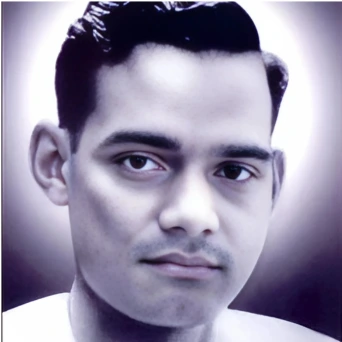
Atal Bihari Vajpayee blended politics with vision and humanity
Quick Summary
Full Name: Atal Bihari Vajpayee
Born – Died: 25 December 1924 – 16 August 2018
Tenure(s) in Office: Prime Minister of India (1996, 1998–2004)
Political Party: Bharatiya Janata Party (BJP)
Key Contributions:
Conducted Pokhran-II nuclear tests in 1998
Initiated Golden Quadrilateral highway project
Strengthened India’s telecom & IT sectors
Advocated peace with Pakistan through Lahore Summit
Famous Quote: “You can change friends, but not neighbours”
Introduction: A Force of Change
Atal Bihari Vajpayee, the 10th Prime Minister of India, was a visionary leader who left an indelible mark on Indian politics. He is widely celebrated for his oratory, statesmanship, and poetic soul. Vajpayee’s tenure was marked by his commitment to India’s economic development, peace, and democratic values. A leader who brought inclusivity and a balanced approach to governance, he was loved and respected across party lines.
In this profile, we take a deep dive into his journey from being a young freedom fighter to one of India’s most cherished Prime Ministers. This page is designed to be an authoritative resource for anyone seeking a comprehensive understanding of Vajpayee’s contributions, policies, and legacy.
Early Life and Education
Born on 25th December 1924 in Gwalior, Atal Bihari Vajpayee grew up in a middle-class family with strong values. His father, Krishna Bihari Vajpayee, was a school teacher and a poet, a trait Atal inherited and nurtured throughout his life.
Atal showed an early interest in the independence movement, and by his teenage years, he became actively involved in politics, joining the Rashtriya Swayamsevak Sangh (RSS). Vajpayee’s leadership qualities were recognized early, and he became an active member of the Bharatiya Jana Sangh (BJS), the precursor to the Bharatiya Janata Party (BJP). He was elected to the Lok Sabha for the first time in 1957 and was known for his powerful speeches and balanced viewpoints.
Key Facts:
- Born: 25th December 1924, Gwalior
- Political Affiliations: RSS, Bharatiya Jana Sangh, Bharatiya Janata Party (BJP)
- First Lok Sabha Election Victory: 1957
- Renowned for: Oratory skills, poetry, visionary governance
Journey in Pictures
1950
Vajpayee as a young
1977
Addressing UN in Hindi
1988
Abdul Kalam during Pokhran-II tests
2000
With world leaders (Bill Clinton, etc.)
2004
Atal Bihari Vajpayee speech in Parliament
Rise to National Prominence
Atal Bihari Vajpayee’s rise to prominence began with his role as a key leader of the Bharatiya Jana Sangh, which later evolved into the BJP. His stature in national politics grew steadily as he became known for his eloquent speeches and commitment to national development. His vision of integrated development, inclusive politics, and India-first policies resonated with many.
In 1977, after the Emergency imposed by Indira Gandhi, Vajpayee became the Minister of External Affairs in the Janata Party government. His contributions in strengthening India’s international relations, particularly with neighboring countries, were widely appreciated.
Key Events:
- 1977-1979: Served as the Minister of External Affairs in the Janata Party government.
- 1980: Played a key role in founding the Bharatiya Janata Party (BJP).
Tenure as Prime Minister of India
Atal Bihari Vajpayee served as the Prime Minister of India three times: first for a brief period in 1996, then from 1998 to 2004. His tenure is remembered for his leadership in transforming India’s economy, improving infrastructure, and enhancing India’s global standing. Let’s explore the key milestones during his tenure.
1. Economic Reforms
Under Vajpayee’s leadership, India underwent significant economic reforms. His government is credited with liberalizing the economy further, building infrastructure, and promoting privatization in key sectors. One of his flagship programs was the National Highways Development Project (NHDP), which created the Golden Quadrilateral—a network of highways connecting major Indian cities.
Key Fact:
The Golden Quadrilateral is the largest express highway project in India, spanning over 5,846 kilometers and connecting Delhi, Mumbai, Chennai, and Kolkata.
2. Nuclear Tests: Pokhran II
One of Vajpayee’s most significant moments as Prime Minister was the successful conduct of the Pokhran-II nuclear tests in 1998, which declared India as a nuclear power. Despite international sanctions, Vajpayee stood firm in defending India’s right to self-defense and ensured the country’s energy security.
Key Fact:
The Pokhran-II nuclear tests consisted of five detonations, conducted in May 1998, and positioned India as a nuclear-armed state, capable of deterring aggression.
3. Lahore Summit and Kargil War
Vajpayee’s approach to foreign relations was a mix of diplomacy and firmness. In 1999, he initiated the Lahore Bus Yatra, a diplomatic outreach to Pakistan aimed at fostering peaceful relations between the two countries. However, this effort was derailed by the Kargil War, when Pakistan infiltrated Indian territory in Kashmir. Vajpayee’s leadership during the Kargil War was widely admired, and India successfully reclaimed its territory.
Key Fact:
The Kargil War ended in July 1999, with India regaining control over its posts. Vajpayee’s government received widespread praise for its handling of the conflict.
4. Sarva Shiksha Abhiyan
Atal Bihari Vajpayee’s government also launched the Sarva Shiksha Abhiyan, an ambitious program aimed at universalizing elementary education across India. His commitment to education was evident in his focus on improving literacy rates, particularly in rural areas.
Later Years and Legacy
Atal Bihari Vajpayee stepped down as Prime Minister in 2004, after which he gradually withdrew from active politics due to health issues. He was widely regarded for his balanced and moderate leadership, his ability to unite different factions, and his vision for a modern and progressive India.
In 2015, Vajpayee was awarded India’s highest civilian honor, the Bharat Ratna, for his contributions to the nation. He passed away on 16th August 2018 at the age of 93.
Legacy and Impact
Vajpayee’s contributions to Indian politics and society remain unparalleled. His balanced approach, even during the most tumultuous times, earned him respect across political lines. He is remembered as a poet-prime minister who brought humanity and compassion to the highest office. His foreign policies, economic reforms, and infrastructural projects continue to shape modern India.
Key Facts:
- Bharat Ratna: Awarded in 2015
- Death: 16th August 2018, New Delhi
Legacy in Frames
Nuclear Strength → Pokhran-II established India as a nuclear power.
Economic Reforms → Telecom & IT liberalization opened India to global markets.
Infrastructure Vision → Golden Quadrilateral revolutionized India’s highways.
Peace Efforts → Lahore bus journey, dialogue with Pakistan.
Vajpayee in Contemporary Context
Atal Bihari Vajpayee’s legacy remains deeply relevant in today’s India. His vision for economic liberalization laid the foundation for India’s IT revolution, which continues to drive growth.
His infrastructure projects, particularly the Golden Quadrilateral, are still central to India’s connectivity. Even in foreign policy, his mix of nuclear assertion and peace diplomacy shapes India’s strategic stance today. Revered as the “Gentle Giant” of Indian politics, Vajpayee continues to inspire leaders across parties.
Atal Bihari Vajpayee, The Unifying Leader
Atal Bihari Vajpayee was not just a politician; he was a statesman who envisioned a modern, strong, and united India. His policies in infrastructure, foreign relations, and nuclear security are lasting legacies that continue to shape India today. His leadership was defined by courage, compassion, and a genuine commitment to improving the lives of Indian citizens.
Through this page, India Ki Shaan honors the legacy of a leader who stood for integrity, national pride, and progress. Explore more about India’s political icons in our Politics section.
FAQ's
Vajpayee began his political career as a young freedom fighter and later joined the Rashtriya Swayamsevak Sangh (RSS). He was elected to the Lok Sabha for the first time in 1957.
Vajpayee was one of the founding members of the BJP in 1980, after the split of the Janata Party. His leadership and vision shaped the party's early years.
Vajpayee focused on liberalizing the Indian economy, promoting privatization, and improving infrastructure. His Golden Quadrilateral project revolutionized India’s road network.
Vajpayee led the government during the Pokhran-II nuclear tests in 1998, which declared India as a nuclear power despite facing international sanctions.
Vajpayee was known for his poetic writings and speeches. His book of poems, "Meri Ekyavan Kavitayen", reflects his literary flair.
Vajpayee's key contributions include conducting the Pokhran-II nuclear tests, the Golden Quadrilateral project, economic liberalization, and promoting peace with Pakistan through the Lahore Summit.
His moderate leadership, focus on infrastructure, and ability to maintain a balance between development and diplomacy earned him a place as one of India’s most respected leaders.