
1
First Prime Minister of India
First Prime Minister of India forms part of Jawaharlal Nehru’s wider public and political record.
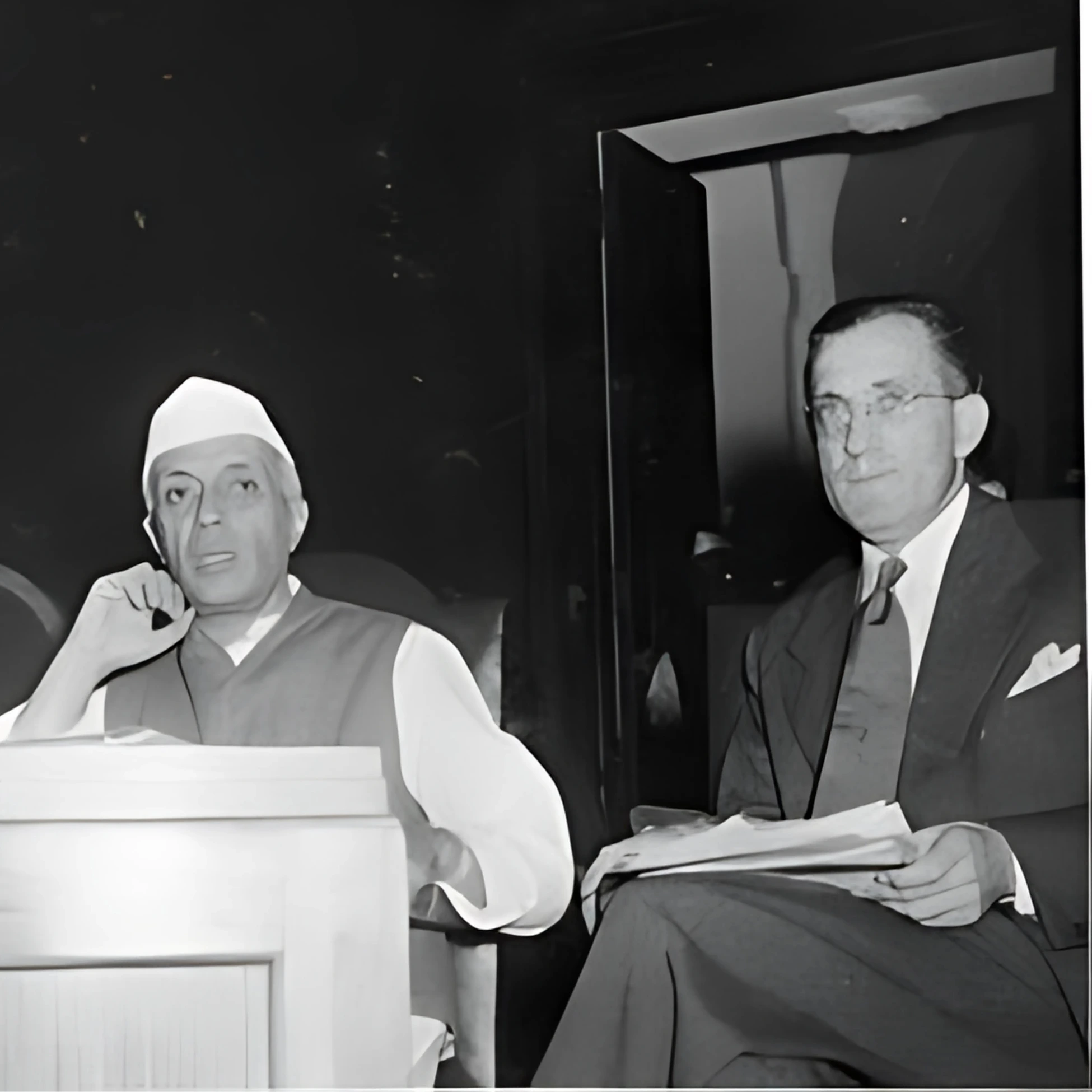
Nehru’s long tenure shaped parliamentary government, non-alignment, scientific institution-building and a state-led development model, while also leaving decisions that remain debated in Indian political history.
Founded IITs, AIIMS, and other key institutions Notable Quote: “At the stroke of the midnight hour, when the world sleeps, India will awake to life and freedom.”
Jawaharlal Nehru, India's first Prime Minister, is one of the most influential figures in the history of the nation.
Known for his role in shaping independent India’s socio-economic and political landscape, Nehru’s leadership laid the foundation for the world's largest democracy. His forward-thinking policies in education, science, and foreign affairs have left an indelible mark on modern India.
Nehru was born into a prominent family and educated in India and Britain.
He became a leading Congress figure and spent years in prison during the struggle against British rule.
Nehru took office when India became independent and faced the immediate challenges of Partition and nation-building.
His government expanded parliamentary institutions, scientific research, higher education and public-sector industry.
Nehru became a prominent voice for newly independent states seeking strategic autonomy in the Cold War.
The conflict with China was a major strategic setback and remains one of the most debated episodes of his premiership.
Nehru died while serving as Prime Minister after nearly seventeen years in office.
Nehru’s defining challenge was translating anti-colonial politics into durable institutions. His government helped establish parliamentary norms, scientific bodies, universities and a mixed-economy development framework, choices that strongly shaped the republic’s early decades.
Politics • Public Service • IndiaFirst Prime Minister of India forms part of Jawaharlal Nehru’s wider public and political record.
Key figure in parliamentary democracy forms part of Jawaharlal Nehru’s wider public and political record.
Promoted scientific and higher-education institutions forms part of Jawaharlal Nehru’s wider public and political record.
Major role in non-alignment forms part of Jawaharlal Nehru’s wider public and political record.
Oversaw early Five-Year Plans forms part of Jawaharlal Nehru’s wider public and political record.
Central leader of the independence movement forms part of Jawaharlal Nehru’s wider public and political record.
Nehru’s defining challenge was translating anti-colonial politics into durable institutions. His government helped establish parliamentary norms, scientific bodies, universities and a mixed-economy development framework, choices that strongly shaped the republic’s early decades.
Supporters emphasise democratic institution-building, secularism, science and strategic autonomy. Critics debate economic centralisation, Kashmir policy and the handling of China. His legacy remains foundational and contested.
Official biographical and office records.
View source →Parliamentary history and public record.
View source →Historical government records.
View source →Foreign-policy and non-alignment context.
View source →Nehru’s long tenure shaped parliamentary government, non-alignment, scientific institution-building and a state-led development model, while also leaving decisions that remain debated in Indian political history.
First Prime Minister of India, Key figure in parliamentary democracy, Promoted scientific and higher-education institutions.
Supporters emphasise democratic institution-building, secularism, science and strategic autonomy. Critics debate economic centralisation, Kashmir policy and the handling of China. His legacy remains foundational and contested.
Bandung and non-alignment, Sino-Indian War, Death in office.
Help us improve the archive by suggesting reliable information or another Indian personality worth documenting.