

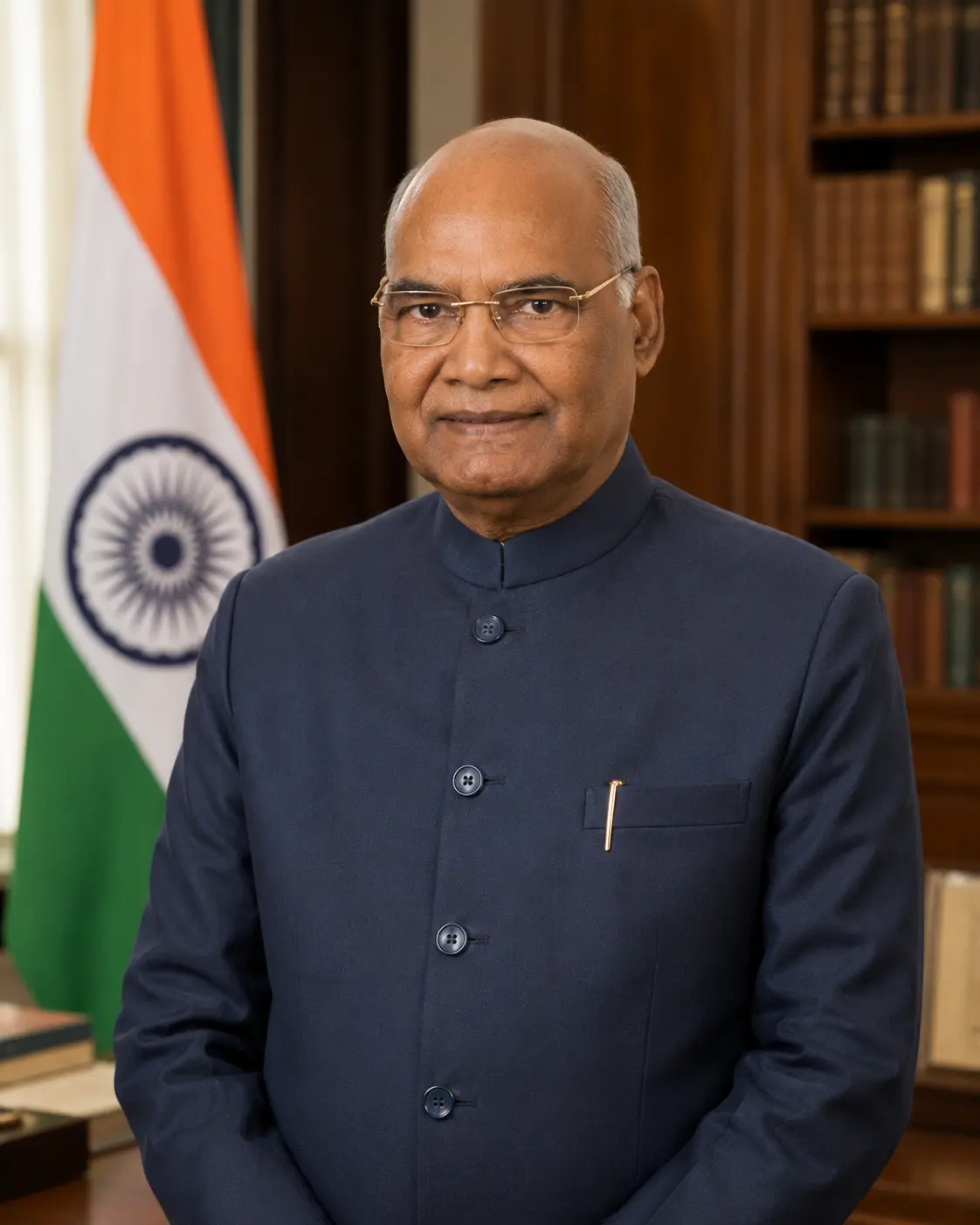
In the heart of India, a simple boy from a small village rose to become one of the most respected leaders of the nation. Ram Nath Kovind’s journey is a testament to determination, resilience, and the power of dreams.
Introduction
Ram Nath Kovind is an influential Indian politician who served as the 14th President of India from 2017 to 2022. Known for his humble beginnings and commitment to public service, Kovind has left an indelible mark on Indian politics. His life story is not just about political achievements; it is a narrative of overcoming obstacles and demonstrating the importance of education and perseverance.
Quick Summary
- Full Name: Ram Nath Kovind
- Born: October 1, 1945, in Paraukh, Uttar Pradesh
- Profession: Politician, Lawyer
- Known As: President Ram Nath Kovind
- Career Span: 1991 – Present
- Key Contributions:
- Served as Governor of Bihar (2015-2017)
- Played a significant role in the Bharatiya Janata Party (BJP)
- Advocated for social justice and empowerment
- Participated in the drafting of the Constitution (74th Amendment)
- Focused on education and health reforms during his presidency
- Quote: “I believe that the future belongs to those who dare to dream.”
Early Life & Background
Ram Nath Kovind was born to a modest family in the small village of Paraukh, located in Uttar Pradesh. His father, a farmer, and mother, a homemaker, instilled in him the values of hard work and education. Growing up in a rural setting, Kovind faced many challenges, but his family’s support was unwavering.
As a child, Kovind was known for his curious nature. He often helped his father in the fields, learning the importance of diligence and perseverance. Despite limited resources, his parents emphasized the significance of education, which shaped Kovind’s aspirations from an early age.
His educational journey began in a small local school, where he quickly developed a love for learning. Kovind’s teachers recognized his potential and encouraged him to pursue higher studies. This encouragement became a cornerstone of his early life, as he often recalled the sacrifices his parents made for his education.
During his school years, Kovind was an average student academically, but his interest in social issues and debates emerged early on. He became active in school activities, participating in discussions about social justice and the rights of marginalized communities. These experiences planted the seeds for his future involvement in politics.
How It All Started
Ram Nath Kovind’s journey into politics began during his college years. After completing his schooling, he moved to Kanpur for higher education, enrolling in the University of Kanpur. It was here that he was first exposed to the world of student politics. He joined the Akhil Bharatiya Vidyarthi Parishad (ABVP), a student organization affiliated with the Rashtriya Swayamsevak Sangh (RSS). This was a turning point for him, as it ignited his passion for public service and social issues.
Kovind’s involvement in ABVP introduced him to like-minded individuals who were equally passionate about social change. They organized rallies and discussions, addressing issues faced by students and the community. Through these activities, Kovind learned how to articulate his thoughts and become a voice for others. His leadership skills began to flourish as he worked tirelessly to represent his peers.
After completing his degree in commerce, Kovind pursued law at the Delhi University. It was during this time that he deepened his understanding of the Indian Constitution and legal systems. His professors noted his analytical skills and passion for justice, which motivated him to advocate for the rights of the underprivileged.
Even as he studied, Kovind faced challenges. The financial strain of education forced him to take up part-time jobs to support himself. He worked as a lawyer while attending classes, balancing his studies with the demands of work. This experience only strengthened his resolve to succeed, as he recognized the importance of education in lifting people out of poverty.
During this period, Kovind found inspiration in the writings of Dr. B.R. Ambedkar, the architect of the Indian Constitution. Ambedkar’s ideas about social justice and equality resonated deeply with him. Kovind admired how Ambedkar fought against the caste system and worked for the rights of marginalized communities. This inspiration guided him in his political journey, instilling a sense of responsibility to uplift those who were less fortunate.
As Kovind transitioned from law school to practicing as a lawyer, he began to gain recognition for his dedication to social issues. He often took on cases that involved civil rights and access to justice. His commitment to defending the rights of the underprivileged earned him respect in legal circles, and he became known as a champion for the marginalized.
In the early 1990s, Kovind’s political career took off when he joined the Bharatiya Janata Party (BJP). His understanding of law, combined with his passion for social justice, aligned perfectly with the party’s ideology. He quickly climbed the ranks, serving in various capacities and participating in several significant political initiatives.
His first major recognition came when he was elected as a Member of Parliament in 1991. The victory marked the beginning of a new chapter in his life, as he was now in a position to influence policy and make a difference at a larger scale. This was the realization of his childhood dream, and it fueled his desire to work even harder for his constituents.
Through every challenge and success, Ram Nath Kovind has remained committed to service. His journey from a small village to the highest office in India is a story of hope, determination, and the relentless pursuit of justice. This is only the beginning of a remarkable legacy that continues to inspire millions.
Career Journey
Early Career
Ram Nath Kovind began his professional journey in law after completing his education. He graduated from Kanpur University in 1965, earning his law degree. Following his graduation, he enrolled at the Delhi University’s Campus Law Centre. During this time, he developed a keen interest in public service and law, which would become central to his career.
Kovind started practicing law in 1971 in the Supreme Court of India. His early days were marked by dedication and a passion for justice. He represented clients from diverse backgrounds, which helped him understand the intricacies of the Indian legal system. His reputation as a diligent lawyer grew, and he became actively involved in social issues, especially those affecting marginalized communities.
In 1977, Kovind’s political career began when he joined the Bharatiya Janata Party (BJP). His legal background and commitment to public service made him a suitable candidate for political life. He held various party positions and participated in numerous conferences, gradually making a name for himself within the party ranks.
Breakthrough Phase
In 1990, Kovind’s political career took a significant turn when he was elected as a Member of the Rajya Sabha, the upper house of India’s Parliament. This role allowed him to influence legislative processes and represent the voice of the people from Uttar Pradesh. His work in the Rajya Sabha focused on social justice, education, and development for disadvantaged groups.
During his tenure in the Rajya Sabha, Kovind served on several important committees, including the Committee on Home Affairs and the Committee on Law and Justice. He became known for his analytical skills and advocacy for better governance. His ability to engage with complex legal matters and his understanding of the socio-economic challenges facing rural India positioned him as a key figure within the party.
Kovind’s breakthrough came with his appointment as the Governor of Bihar in 2015. As governor, he was instrumental in promoting educational reforms and fostering dialogue between various communities. His calm demeanor and thoughtful approach to governance earned him respect across party lines. He played a crucial role in addressing issues related to law and order, and his tenure was marked by his commitment to development and progress.
Peak Career
The zenith of Kovind’s career came on July 20, 2017, when he was elected as the 14th President of India. His election was a momentous occasion, symbolizing the rise of a leader from humble beginnings to the highest constitutional office in the country. Kovind’s presidency was characterized by his focus on education, social equity, and the empowerment of women and marginalized communities.
As President, Kovind emphasized the importance of the Constitution and championed initiatives aimed at improving the lives of ordinary citizens. He undertook numerous state visits and met with global leaders, enhancing India’s standing on the world stage. His speeches often reflected his deep belief in democracy, secularism, and social justice.
One of the significant moments of his presidency was in 2018 during the celebration of India’s 72nd Independence Day. Kovind addressed the nation from the ramparts of the Red Fort, highlighting the need for unity in diversity and urging citizens to contribute to nation-building. This message resonated with many and showcased his commitment to a harmonious society.
Kovind also worked towards strengthening the relationship between the government and the military. He visited various military installations and interacted with soldiers, showcasing his support for the armed forces. His presidency was marked by a calm and composed approach, earning him admiration from many quarters.
Later Career
After completing his term as President in 2022, Ram Nath Kovind continued to engage in public life by participating in various educational and social initiatives. He has been a vocal advocate for education, particularly for girls from underprivileged backgrounds. Kovind has emphasized the need for skill development and vocational training to empower youth in India.
Post-presidency, he has also been involved in promoting cultural exchanges and has represented India at various international forums. His experience and insights are sought after in discussions related to governance and diplomacy. Kovind remains a respected figure in Indian politics, known for his humility and dedication to public service.
In his later career, Kovind has been involved in various philanthropic activities, focusing on healthcare and education. He continues to inspire aspiring politicians and public servants, emphasizing the importance of integrity, hard work, and compassion in leadership.
Major Achievements
- Served as the 14th President of India from 2017 to 2022.
- As Governor of Bihar, promoted educational reforms and social justice initiatives.
- Elected as a Member of the Rajya Sabha in 1990, serving for two consecutive terms.
- Advocated for the rights of marginalized communities and worked on legislation for their welfare.
- Promoted women’s empowerment and education during his presidency.
- Engaged in strengthening India’s defense ties and support for the armed forces.
- Participated in various global forums, enhancing India’s international relations.
What Makes Them Special
Ram Nath Kovind is known for his approachable personality and sincere leadership style. He possesses a unique ability to connect with people from all walks of life. His legal background has given him a strong understanding of constitutional matters, enabling him to navigate complex political landscapes with ease.
One of Kovind’s most commendable traits is his humility. Despite holding high office, he remains grounded and accessible. He values dialogue and actively listens to the concerns of citizens, making him a respected leader. His calm demeanor in the face of challenges reflects his resilience and commitment to democratic values.
Kovind’s emphasis on education as a tool for empowerment is a defining aspect of his legacy. He believes in the transformative power of knowledge and skill development. His initiatives during his presidency aimed at creating opportunities for the youth and fostering a sense of responsibility towards nation-building.
Challenges & Struggles
Despite his illustrious career, Ram Nath Kovind faced challenges along the way. Entering politics as a lawyer, he had to navigate the often tumultuous waters of party politics. There were moments of criticism and opposition, especially during his tenure as Governor, where he had to address contentious issues related to governance and social unrest.
His election as President was not without challenges. He stepped into a role that often requires balancing the expectations of different political factions, while maintaining the dignity of the office. Throughout his presidency, he was faced with the task of unifying a diverse nation and addressing polarizing issues.
Kovind’s ability to handle criticism with grace is noteworthy. Instead of responding with hostility, he often chose a path of dialogue and reconciliation. This quality has earned him respect across the political spectrum and has solidified his reputation as a leader who prioritizes the greater good over partisan interests.
Legacy & Impact
Ram Nath Kovind is remembered as a respected leader and the 14th President of India. His contributions to Indian politics and law have left a lasting impact. Kovind worked tirelessly for the welfare of marginalized communities, advocating for their rights and empowerment. His presidency marked a period of focus on education and social reforms, influencing future generations of leaders to prioritize inclusive governance.
Kovind’s dedication to public service inspired many, especially in the fields of law and politics. Aspiring politicians and lawyers look up to his career as a model of integrity and commitment. His efforts to bridge gaps in society have resonated with various groups, including youth and underprivileged communities.
Personal Life
Ram Nath Kovind was born on October 1, 1945, in Uttar Pradesh. He is married to Savita Kovind, and they have a son and a daughter. Kovind enjoys reading and engaging in social work. His humble beginnings and dedication to family reflect his grounded nature.
Interesting Facts
- Ram Nath Kovind is known for his simple lifestyle and deep respect for Indian traditions.
- Before becoming President, he served as the Governor of Bihar from 2015 to 2017.
- Kovind is an advocate for education, especially for girls and marginalized groups.
- He has a keen interest in literature, and he appreciates poetry.
- Kovind has also worked as a lawyer for the Indian Supreme Court for over four decades.
- He is fluent in Hindi and English, which he uses to connect with people from diverse backgrounds.
Frequently Asked Questions
Who is Ram Nath Kovind?
Ram Nath Kovind is an Indian politician and lawyer who served as the 14th President of India from 2017 to 2022.
Why is Ram Nath Kovind famous?
Kovind is famous for his role as President of India and his contributions to law and public service.
What are his achievements?
Kovind’s achievements include advocating for education, social justice, and serving as the Governor of Bihar before his presidency.
What is his background?
Kovind comes from a humble background, with a degree in law and a long career in legal practice before entering politics.
What did he do before becoming President?
Before becoming President, Kovind served as the Governor of Bihar and held various positions within the Bharatiya Janata Party.
What are his contributions to society?
Kovind has contributed to society by advocating for the rights of marginalized communities and promoting education and empowerment.
Conclusion
Ram Nath Kovind’s journey from a small village to the highest office in India is truly inspiring. His commitment to justice, education, and social welfare has made a significant impact on the lives of many. Kovind’s legacy will continue to influence future generations, reminding them of the importance of service and integrity in leadership. His life story is a testament to the positive change one can bring to society through dedication and hard work.