
Rajiv Gandhi Biography

Rajiv Gandhi’s journey from a young pilot to the Prime Minister of India is not just a tale of politics; it is a story of dreams, challenges, and a legacy that continues to influence millions.

Introduction

Rajiv Gandhi was a prominent Indian politician who served as the Prime Minister of India from 1984 to 1989. He played a significant role in shaping modern India, especially in the fields of technology and education. Known for his vision of a progressive nation, Rajiv aimed to bring India into the digital age and foster economic growth. His tenure was marked by efforts to promote youth participation in politics and his drive to reform various sectors in the country.

Quick Summary

  • Full Name: Rajiv Gandhi
  • Born: August 20, 1944, Mumbai, India
  • Profession: Politician, Pilot
  • Known As: Prime Minister of India
  • Career Span: 1984 – 1989
  • Key Contributions:
    • Modernized India’s telecommunications and technology sector
    • Facilitated the spread of computer technology
    • Implemented significant reforms in education
    • Promoted youth leadership and involvement in governance
    • Introduced policies to encourage economic liberalization
    • Advocated for women’s rights and empowerment
  • Quote: “The future belongs to those who believe in the beauty of their dreams.” – Rajiv Gandhi

Early Life & Background

Rajiv Gandhi was born into a prominent family in Mumbai. His father, Feroze Gandhi, was a well-known politician and journalist, while his mother, Indira Gandhi, later became one of India’s most influential Prime Ministers. Growing up in such a politically active environment greatly influenced Rajiv’s views and aspirations. His family often discussed politics and social issues, which sparked his interest in public service.

As a child, Rajiv was known to be shy and reserved. He loved to read and was particularly fascinated by science and technology. His early education took place at prestigious schools, where he excelled in academics but was not particularly involved in sports or extracurricular activities. Despite his reserved nature, he showed great curiosity about the world around him.

Rajiv’s childhood was spent in the shadow of political debates and discussions at home. His mother’s leadership and his father’s dedication to journalism exposed him to various issues faced by the country. These experiences nurtured a sense of responsibility in him from a young age. He also had a close relationship with his younger brother, Sanjay, who became a key figure in Rajiv’s life, influencing his early ambitions.

How It All Started

Rajiv’s journey into politics began unexpectedly. After completing his education in engineering from the prestigious Indian Institute of Technology (IIT) in Delhi, he pursued a career as an airline pilot. Flying for Indian Airlines, he enjoyed the freedom and adventure that came with his job. However, the sudden death of his younger brother Sanjay in a plane crash in 1980 changed the course of his life forever.

Following Sanjay’s death, Rajiv was drawn into political life as his mother, Indira Gandhi, needed support during a challenging period. Initially resistant to entering politics, Rajiv felt the weight of his family’s legacy and the responsibility to continue the work that his brother had started. His first step was to join the Indian National Congress party, where he was welcomed for his family’s name and legacy.

Rajiv started attending political meetings and rallies with his mother, learning the intricacies of governance and public engagement. During these early days, he experienced both excitement and fear. He saw the impact a leader could have on the lives of ordinary people, which inspired him to take on more responsibilities. Rajiv worked closely with his mother and advisers, absorbing their knowledge and strategies. He often traveled across the country, meeting people from different backgrounds and understanding their struggles.

Despite facing immense pressure and scrutiny, Rajiv began to develop his political identity. He realized that modernizing India was essential for its growth. He was particularly interested in improving the education system and making technology accessible to all. Rajiv’s vision was to empower the youth, believing they held the key to India’s future.

His breakthrough came when he was appointed as the Prime Minister of India after his mother’s assassination in 1984. This moment was both a tragedy and a turning point for him. He had to quickly adapt to his new role while dealing with personal grief. Rajiv’s initial focus was on restoring peace and stability in the country while ensuring that his mother’s vision was carried forward.

As Prime Minister, Rajiv faced several challenges, such as economic instability and political unrest. However, he remained committed to his vision of a progressive India. He introduced various reforms aimed at boosting the economy and integrating technology into governance, setting the stage for India’s transformation in the years to come. Rajiv Gandhi’s legacy is one of innovation, leadership, and a heartfelt dedication to the country’s future.

Career Journey

Early Career

Rajiv Gandhi began his career as a pilot for Indian Airlines. After completing his education, he joined the airline in 1966. His work was not just about flying; it was a part of his identity. He enjoyed the freedom and adventure that came with soaring through the skies. However, this phase of his life was also marked by the shadow of political expectations due to his family background. Rajiv was the son of Indira Gandhi, the then Prime Minister of India, and the grandson of Jawaharlal Nehru, India’s first Prime Minister. While he initially wanted to carve out his own path, the call of politics would soon become impossible to ignore.

Breakthrough Phase

The turning point in Rajiv’s life came in 1980 when his younger brother, Sanjay Gandhi, passed away in an airplane crash. Sanjay had been an influential figure in Indian politics, and his death created a void. Indira Gandhi, recognizing the need for support, convinced Rajiv to enter politics. In 1981, he was elected to the Lok Sabha, the lower house of India’s Parliament. His debut in politics was a significant shift; from the cockpit of an airplane to the hustle of political debates, Rajiv quickly adapted to his new environment. His fresh ideas and modern outlook caught the attention of many party leaders and citizens alike.

In 1982, he was appointed as the General Secretary of the Indian National Congress. Rajiv used this platform to connect with the youth. He understood their aspirations and concerns. During this period, he emphasized the importance of technology and education, advocating for the youth to take an active role in shaping the country’s future. Rajiv’s focus on modernizing India set the stage for his future policies. His breakthrough came in 1984 when Indira Gandhi was assassinated. The nation was plunged into chaos, and Rajiv was sworn in as the Prime Minister at just 40 years old, becoming the youngest person to hold that office.

Peak Career

Rajiv Gandhi’s tenure as Prime Minister was marked by significant events and reforms. He inherited a country in mourning, but he quickly moved to establish his leadership. He focused on revitalizing the economy and modernizing India. One of the first major initiatives was the introduction of the New Computer Policy in 1984, which aimed to promote technology in India. This policy was a defining moment, as it opened doors to the IT revolution that would transform India’s economy. Rajiv believed that technology could bridge the gap between rural and urban India, and he pushed for computer education in schools.

In 1985, Rajiv launched the ‘Operation Black Board’ initiative aimed at improving primary education in rural areas. This program aimed to provide basic infrastructure and resources to schools, reflecting his commitment to education. His government also initiated several major projects, such as the National Policy on Education, which sought to enhance the quality of education across India.

Rajiv’s foreign policy was another focus area. He worked to improve India’s relations with neighboring countries, including Sri Lanka. However, this led to complications, particularly with his decision to send Indian Peace Keeping Forces to Sri Lanka in 1987, which later faced criticism. The situation in Sri Lanka became a contentious issue, affecting his political standing back home.

During his term, Rajiv also faced challenges, including allegations of corruption linked to the Bofors scandal. Despite the difficulties, he retained a strong base among the youth, who saw him as a modern leader. His approach to governance was often seen as progressive, emphasizing growth, technology, and youth empowerment.

Later Career

By 1989, Rajiv Gandhi’s political landscape began to shift. He lost the general elections amid growing discontent over his government’s handling of various issues. After stepping down, Rajiv took a step back from frontline politics but remained active in public life. He tried to re-enter politics by contesting in the 1991 elections. Unfortunately, tragedy struck when he was assassinated by a suicide bomber from the Liberation Tigers of Tamil Eelam (LTTE) on May 21, 1991. His death shocked the nation and marked the end of a significant era in Indian politics.

Rajiv Gandhi’s legacy is complex. He is remembered for his efforts to modernize India and bring it into the digital age. His vision and policies laid the foundation for future advancements in technology and education. The impact of his leadership can still be seen in various sectors of Indian society today.

Major Achievements

  • Served as the youngest Prime Minister of India from 1984 to 1989.
  • Introduced the New Computer Policy, which sparked India’s IT revolution.
  • Launched ‘Operation Black Board’ to improve educational infrastructure in rural schools.
  • Promoted youth participation in politics and governance.
  • Initiated major economic reforms aimed at liberalization and modernization.
  • Strengthened India’s foreign relations, particularly with neighboring countries.
  • Advocated for women’s empowerment and reservations in local governance.

What Makes Them Special

Rajiv Gandhi’s leadership style was characterized by his vision for a modern India. He understood the potential of technology and education and saw them as essential tools to empower the youth. His ability to connect with young people made him a relatable leader. He was also known for his calm demeanor and patience, often taking time to listen to concerns before making decisions. Rajiv’s willingness to embrace change set him apart from many traditional politicians of his time. He was a forward-thinker, always looking for innovative solutions to age-old problems.

Challenges & Struggles

Throughout his political career, Rajiv faced numerous challenges. His initial foray into politics was overshadowed by the death of his brother, which thrust him into a world he had never anticipated. The pressure of leading a nation just after a significant tragedy weighed heavily on him. During his tenure, he faced criticism over the Bofors scandal and the Sri Lankan conflict. Allegations of corruption tarnished his image and led to public discontent.

Despite these challenges, Rajiv displayed resilience. He worked tirelessly to regain the trust of the people and continued to advocate for modernization and reform. His assassination in 1991 ended his journey, but his vision for India continues to inspire future generations of leaders.

Legacy & Impact

Rajiv Gandhi is remembered for his significant role in shaping modern India. As Prime Minister, he focused on technological advancement, education, and economic reform. His commitment to modernizing India’s infrastructure led to improvements in telecommunications and transport. Rajiv’s efforts to promote education and empower youth have inspired generations of Indians to pursue their dreams.

He is also recognized for his leadership during challenging times, including the Bhopal gas tragedy. His response aimed to improve safety regulations and crisis management. Rajiv’s vision for a progressive India influenced many leaders and sparked movements for social change, impacting various sectors like technology, education, and governance.

Personal Life

Rajiv Gandhi was born into a prominent political family. He married Sonia Gandhi in 1968, and they had two children, Rahul and Priyanka. Despite his political life, Rajiv loved simple joys like flying and reading. He was known for his reserved nature and commitment to his family.

Interesting Facts

  • Rajiv Gandhi was a trained pilot and flew commercial planes before entering politics.
  • He took office as Prime Minister at the young age of 40, following his mother’s assassination.
  • Rajiv promoted the use of technology in governance, leading to the establishment of the Indian National Satellite System.
  • He launched the ‘Panchayati Raj’ system to enhance local self-governance.
  • Rajiv was passionate about promoting education, establishing numerous schools and colleges.
  • He served as the youngest Prime Minister of India until 2021 when this record was surpassed.
  • Rajiv Gandhi was posthumously awarded the title of Bharat Ratna, India’s highest civilian honor.

Frequently Asked Questions

Who is Rajiv Gandhi?

Rajiv Gandhi was the Prime Minister of India from 1984 to 1989 and a key figure in Indian politics.

Why is Rajiv Gandhi famous?

He is famous for his role in modernizing India and focusing on technology and education during his term as Prime Minister.

What are Rajiv Gandhi’s achievements?

His achievements include significant advancements in telecommunications, education reforms, and local governance initiatives.

What is Rajiv Gandhi’s background?

Rajiv came from a prominent political family, being the son of Indira Gandhi and the grandson of Jawaharlal Nehru.

What was Rajiv Gandhi’s vision for India?

His vision for India included modernization through technology and empowering the youth and local leaders.

How did Rajiv Gandhi influence future generations?

Rajiv’s initiatives in education and technology inspired future leaders and motivated young people to engage in national development.

Conclusion

Rajiv Gandhi’s journey from a pilot to Prime Minister is a remarkable story of leadership and vision. His commitment to modernizing India and empowering its youth has left a lasting legacy. Despite facing many challenges, he aimed to create a progressive nation. Rajiv Gandhi’s life story continues to inspire many, reminding us of the power of determination and innovation in shaping the future.
Dr. Babasaheb Ambedkar Biography – The Architect of India’s Constitution and Social Justice Champion

Dr. B. R. Ambedkar reshaped modern India with his fight for equality, justice, and constitutional reforms.

Quick Summary

Full Name: Bhimrao Ramji Ambedkar
Born: 14th April 1891, Mhow, Central Provinces, British India (now Madhya Pradesh, India)
Died: 6th December 1956, New Delhi, India
Profession: Jurist, Economist, Social Reformer, Politician, Author
Known As: “Father of the Indian Constitution”
Career Span: 1913 – 1956
Key Contributions:

  • Principal architect of the Indian Constitution.

  • Champion of social justice, fought against caste discrimination and untouchability.

  • Founded political parties and movements to uplift marginalized communities.

  • Served as India’s first Law and Justice Minister.

  • Posthumously awarded Bharat Ratna (1990).

Quote:
“Cultivation of mind should be the ultimate aim of human existence.” — B. R. Ambedkar

Early Life of Dr. Babasaheb Bhimrao Ramji Ambedkar (B.R. Ambedkar)

Dr. Bhimrao Ramji Ambedkar, popularly known as Babasaheb Ambedkar, was born on 14 April 1891 in Mhow, Central Provinces (now in Madhya Pradesh). He was the fourteenth child of Ramji Maloji Sakpal and Bhimabai Sakpal.

Belonging to the Mahar caste, considered “untouchable” at the time, Ambedkar grew up facing harsh discrimination and social exclusion. Despite these challenges, his father, an army officer, valued education and encouraged his children to study.

Ambedkar’s early school years were marked by social humiliation. He was often forced to sit separately from upper-caste students, denied access to basic facilities, and made to endure untouchability. These experiences profoundly shaped his resolve to fight against caste-based inequalities.

Education – From Struggles to Excellence

Ambedkar’s thirst for knowledge was extraordinary. After completing his early education in Bombay (now Mumbai), he was among the few “untouchables” allowed to attend Elphinstone High School, where he excelled academically.

  • In 1907, Ambedkar became the first from his community to pass the matriculation exam, marking a historic milestone.
  • Supported by the progressive ruler of Baroda, Maharaja Sayajirao Gaekwad, he received a scholarship to pursue higher studies abroad.
  • He earned a Bachelor’s degree in Economics and Political Science from Bombay University in 1912.
  • Later, he went to Columbia University, New York, where he completed his M.A. in 1915 and a Ph.D. in Economics in 1927. His thesis, The Evolution of Provincial Finance in British India, showcased his deep economic insight.
  • Ambedkar also studied at the London School of Economics (LSE), earning a D.Sc. in Economics. Additionally, he trained as a barrister at Gray’s Inn, London.


His academic brilliance made him one of the most highly educated Indians of his time.

Journey in Pictures

Dr-Babasaheb-Bhimrao-Ramji-Ambedkar-with-leaders

1889

Born into untouchability: Facing severe caste discrimination.

Dr-Babasaheb-Bhimrao-Ramji-Ambedkar-in-England

1907

Highly educated scholar: Pursuing degrees in law, economics

Dr-Babasaheb-Bhimrao-Ramji-Ambedkar-giving-speech

1930

Leader of Dalits: Fighting for their rights.

Dr-BR-Ambedkar

1947

Drafted Indian Constitution: Ensured social justice, equality

Dr Babasaheb Ambedkar

1955

First Law Minister: Advocating for legal reforms.

Dr-Babasaheb-Bhimrao-Ramji-Ambedkar (2)

1964

Bharat Ratna (posthumous): India's highest civilian award.

Ambedkar’s Fight Against Social Discrimination

Returning to India in 1917, Ambedkar faced discrimination despite his prestigious degrees. He was denied basic respect and employment opportunities due to his caste identity.

Determined to fight caste oppression, Ambedkar started movements and organizations:

  • Bahishkrit Hitakarini Sabha (1924): To promote education, socio-economic upliftment, and rights for the marginalized.
  • Mahad Satyagraha (1927): A historic movement asserting Dalits’ right to access public water tanks, challenging untouchability.
  • Temple Entry Movement: Advocated Dalits’ right to enter Hindu temples, a revolutionary demand at the time.

Through his fiery speeches, writings, and activism, Ambedkar became the most prominent leader of Dalits and oppressed communities in India.

Role in Indian Politics

Ambedkar’s political journey was deeply tied to the Indian freedom struggle, though his focus extended beyond independence – he envisioned social equality, justice, and human rights.

  • In 1936, he founded the Independent Labour Party (ILP), which contested elections and gained representation in the Bombay Legislative Assembly.
  • Ambedkar championed workers’ rights, women’s empowerment, and labor reforms.
  • He was also a fierce critic of caste-based oppression within Indian society, urging that political freedom must be accompanied by social democracy.

His relationship with Mahatma Gandhi was marked by both ideological differences and eventual compromises, most notably during the Poona Pact of 1932, which negotiated political representation for Dalits.

Architect of the Indian Constitution

One of Ambedkar’s most historic contributions was as the Chairman of the Drafting Committee of the Indian Constitution after independence.

Ambedkar’s vision shaped India’s identity as a democratic republic based on equality, justice, and liberty. His key contributions included:

  • Abolition of Untouchability (Article 17): A landmark provision granting dignity and equality to marginalized communities.
  • Fundamental Rights: Ensuring equal rights irrespective of caste, religion, or gender.
  • Reservation System: Advocating affirmative action for Scheduled Castes and Scheduled Tribes in education, jobs, and politics.
  • Federal Structure: Designing a balance of powers between the Union and State governments.
  • Social Justice Principles: Embedding equality as a core constitutional value.

On 26 January 1950, when India adopted the Constitution, Ambedkar’s role was celebrated as that of the principal architect of modern India.

Economic and Social Vision

Ambedkar was not only a social reformer but also a visionary economist. His writings and policies reflected a deep concern for inclusive growth:

  • Advocated for industrialization to end India’s dependence on agriculture.
  • Supported land reforms to improve rural livelihoods.
  • Suggested banking reforms, labor protections, and women’s participation in the workforce.
  • His paper Small Holdings in India and Their Remedies highlighted agricultural challenges that remain relevant today.

Ambedkar’s economic foresight placed him far ahead of his contemporaries.

Conversion to Buddhism – Spiritual Awakening

Towards the end of his life, Ambedkar grew increasingly disillusioned with Hinduism’s rigid caste system. After years of studying various religions, he found Buddhism to embody equality, compassion, and rationality.

On 14 October 1956, Ambedkar, along with over 500,000 followers, embraced Buddhism at a historic ceremony in Nagpur. This event, known as the Dalit Buddhist Movement, marked one of the largest mass conversions in history.

Ambedkar’s conversion was not just spiritual but also political – a declaration of liberation from caste oppression.

Writings and Publications

Writings and Publications

Ambedkar was a prolific writer, using his pen as a weapon against social injustice. His notable works include:

  • Annihilation of Caste (1936): A revolutionary critique of Hindu orthodoxy.
  • The Problem of the Rupee (1923): Influenced India’s financial policies.
  • Thoughts on Linguistic States (1955): Advocated for reorganization of states on linguistic lines.
  • Buddha and His Dhamma (1957): His final work, presenting Buddhist philosophy for modern times.

These writings continue to inspire scholars, activists, and social reformers across the globe.

Legacy in Frames

Published influential books.

Influenced the RBI's formation.

Advocated for women's rights.

Led movements against discrimination.

Awards and Achievements

  • Bharat Ratna (1990): Posthumously awarded India’s highest civilian honor.
  • Recognized globally as a champion of human rights, equality, and social justice.
  • Revered as the “Father of the Indian Constitution.”
  • His birthday, 14 April, is celebrated as Ambedkar Jayanti, a national holiday and a day of pride for millions.

The Legacy of Jawaharlal Nehru

Dr. Ambedkar passed away on 6 December 1956, leaving behind a legacy of courage, vision, and social justice.

His influence extends beyond India – he is celebrated as one of the greatest social reformers in world history. His fight against casteism resonates with global struggles against discrimination, inequality, and racism.

Today, statues of Ambedkar stand tall across India, libraries and universities are named in his honor, and his ideas continue to inspire movements for equality and justice.

Ambedkar’s legacy is not confined to history; it lives in the Constitution of India, in every movement for social justice, and in the dreams of millions who strive for dignity and equality.

Conclusion

The Dr. B. R. Ambedkar biography is the story of a man who rose from oppression to shape the destiny of a nation. A jurist, economist, political leader, and social reformer, Ambedkar devoted his life to building a just and inclusive India.

From drafting the Constitution to leading a mass spiritual revolution, his work continues to define the principles of democracy and equality. Dr. Ambedkar remains an eternal inspiration for those who believe in justice, liberty, and human dignity.

FAQ's

Because he was the Chairman of the Drafting Committee that framed the Indian Constitution.

He fought against caste discrimination and promoted education, equality, and human rights.

Yes, posthumously in 1990.

Dr. A.P.J. Abdul Kalam – The Missile Man and People’s President

From a tea-seller to India’s longest-serving Prime Minister after Nehru, Narendra Modi embodies determination, vision, and transformative leadership

Quick Summary

Full Name: Avul Pakir Jainulabdeen Abdul Kalam
Born – Died: 15 October 1931 – 27 July 2015
Tenure(s) in Office: 11th President of India (2002–2007)
Political Party: Aerospace Scientist, Teacher, Author
Key Contributions:

  • Played key role in India’s missile development (Agni, Prithvi)

  • Led Pokhran-II nuclear tests (1998)

  • Advocated PURA (Providing Urban Amenities to Rural Areas)

  • Promoted education, youth empowerment, and innovation
    Quote: “Dream, dream, dream. Dreams transform into thoughts and thoughts result in action”

Introduction: Dr. A.P.J. Abdul Kalam – India’s Pride

Dr. Avul Pakir Jainulabdeen Abdul Kalam, widely known as Dr. A.P.J. Abdul Kalam, was a visionary leader, scientist, and the 11th President of India. Revered as the “Missile Man of India” due to his pivotal role in India’s missile development, Dr. Kalam was also a beloved figure, often referred to as the “People’s President” for his humility, simplicity, and commitment to education and national development.

This individual profile provides an in-depth look into the life, achievements, and lasting legacy of Dr. A.P.J. Abdul Kalam. From his scientific breakthroughs to his inspirational speeches, this page is designed to give readers a comprehensive understanding of one of India’s greatest figures.

Early Life and Education

Dr. A.P.J. Abdul Kalam was born on 15th October 1931 in Rameswaram, a small town in Tamil Nadu. Coming from a modest background, his father, Jainulabdeen, was a boat owner, and his mother, Ashiamma, was a housewife. Despite financial hardships, Kalam was a diligent student, showing an early interest in science and mathematics.

He completed his schooling in Rameswaram and went on to study physics at St. Joseph’s College, Tiruchirappalli, graduating in 1954. Following this, he pursued aerospace engineering at the Madras Institute of Technology (MIT), where he displayed an early aptitude for aeronautics.

Key Facts:

  • Born: 15th October 1931, Rameswaram, Tamil Nadu
  • Education: Bachelor’s in Physics, St. Joseph’s College; Aerospace Engineering, MIT
  • Early Ambition: Dreamt of becoming a fighter pilot; however, he narrowly missed his chance, placing ninth when only eight positions were available.

Journey in Pictures

1931

Young Dr. APJ Abdul Kalam from his college days

1960

Dr. APJ Abdul Kalam with Dr. Vikram Sarabhai in ISRO

1980-90's

DRDO archives, the first successful launch of Agni

1998

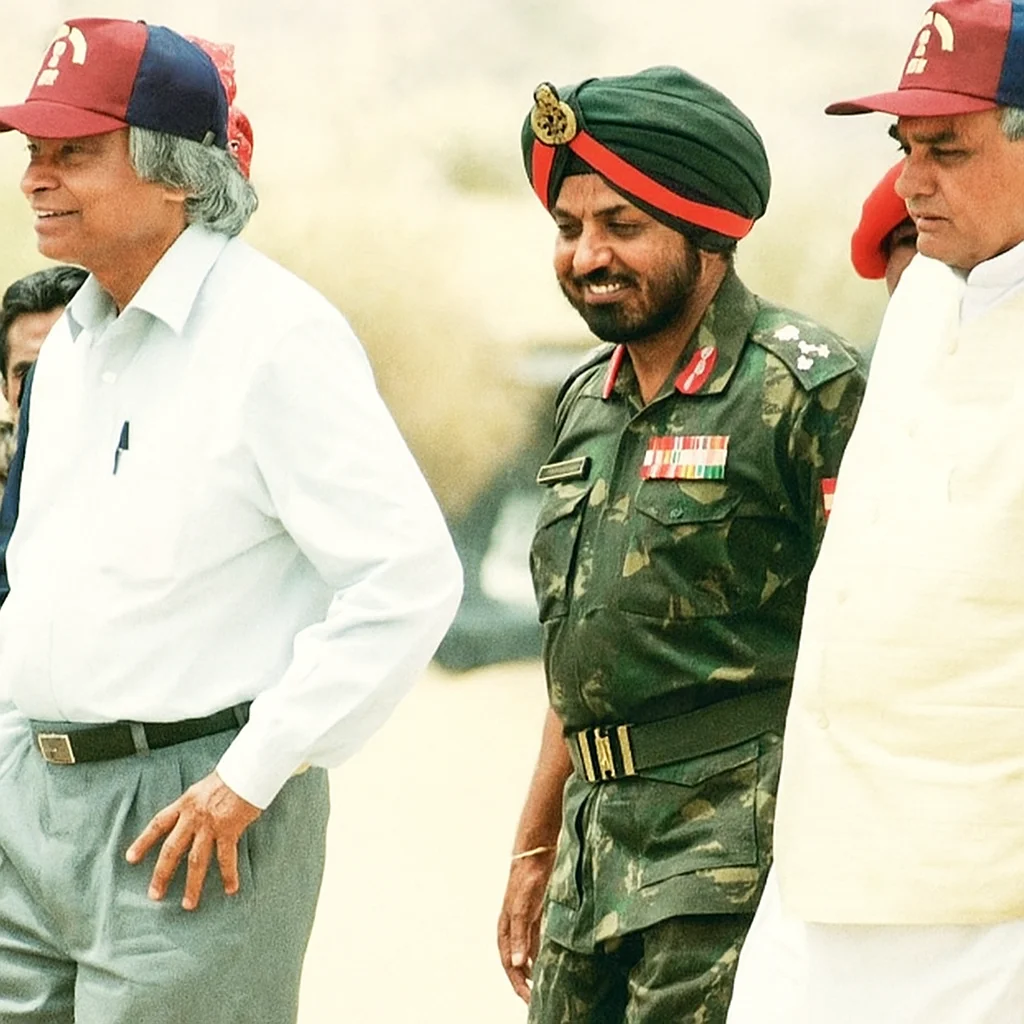
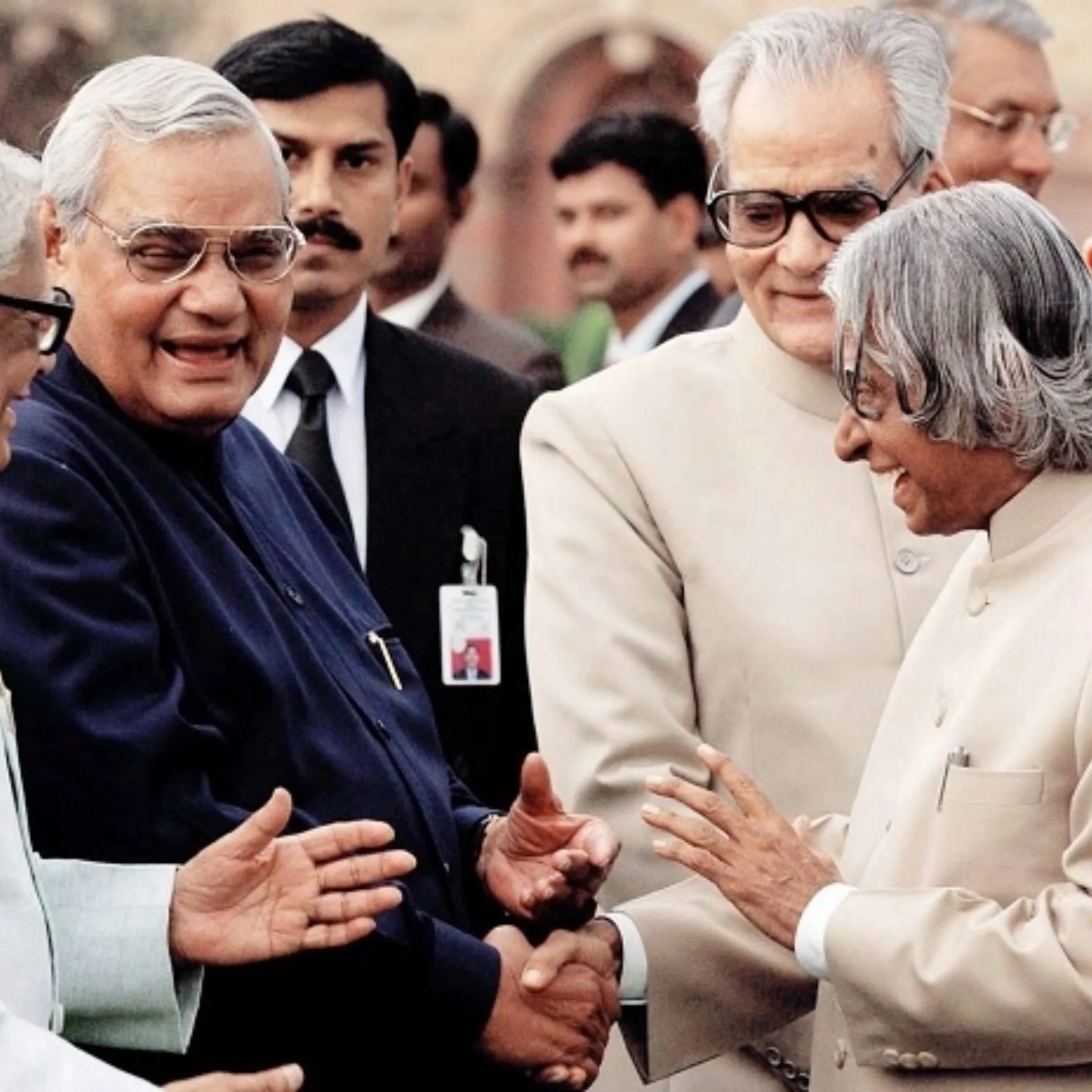
Dr. APJ Abdul Kalam and Atal Bihari Vajpayee during Pokhran-II test

2002

Dr. APJ Abdul Kalam Taking oath as President of India

2015

Dr. APJ Dbdul Kalam last lecture at IIM Shillong

Career in Science: The Missile Man of India

1. Early Career at DRDO 
After completing his studies, Kalam joined the Defence Research and Development Organisation (DRDO) in 1960, where he worked on small helicopter projects. His passion for aerospace engineering and missile development took root during his time here.

2. Key Contributions to ISRO
Dr. Kalam’s career took a monumental turn when he moved to the Indian Space Research Organisation (ISRO) in 1969. Here, he played a pivotal role in developing India’s first satellite launch vehicle (SLV-III), which successfully deployed the Rohini satellite in orbit in 1980. This was India’s first major step toward becoming a space power.

3. Missile Development at DRDO
Returning to DRDO in the 1980s, Dr. Kalam spearheaded the Integrated Guided Missile Development Program (IGMDP). His work led to the development of several successful missiles, including Agni, Prithvi, Trishul, and Nag, which earned him the title “Missile Man of India.” These missile systems became a cornerstone of India’s defense capabilities, bolstering national security.

Key Scientific Contributions:

  • SLV-III Project (ISRO): India’s first successful satellite launch vehicle.
  • Agni and Prithvi Missiles: Strengthened India’s defense systems.
  • Pokhran-II Nuclear Tests (1998): Kalam played a leading role in India’s second nuclear tests, marking a major milestone in India’s defense strategy.

The People's President: 11th President of India (2002-2007)

Dr. A.P.J. Abdul Kalam was elected as the 11th President of India in 2002. His tenure as president was marked by his humble, accessible, and inspirational approach to governance. 
Often referred to as the People’s President, Kalam used his office to inspire the nation, particularly its youth, through speeches, books, and interactions.

Kalam’s focus during his presidency extended beyond politics. He remained committed to education, science, and technology and encouraged young minds to dream big. His famous speeches and books, such as “Wings of Fire” and “Ignited Minds,” continue to inspire millions of Indians.

Unlike many presidents, Kalam was a frequent visitor to schools, universities, and institutions across the country. His presidency saw him establish a connection with the masses that few leaders could achieve, reflecting his genuine concern for the common people.

Key Achievements as President:

  • Advocacy for Education: Dr. Kalam believed that the future of India lay in the hands of its youth and often emphasized the importance of education and innovation.
  • Accessibility to the People: Known for being approachable, Dr. Kalam connected with citizens from all walks of life, regardless of social or economic status.
  • Vision for India 2020: Dr. Kalam envisioned India becoming a developed nation by 2020, and his plans outlined steps for sustainable growth, technology, and social welfare.

Post-Presidency and Contributions to Education

After completing his term as president, Dr. Kalam dedicated himself to academia, serving as a visiting professor at several prestigious institutions, including the Indian Institute of Science and the Indian Institute of Technology. His engagements involved lectures, inspiring talks, and initiatives to foster innovation among the younger generation.

Kalam’s dream of an India powered by innovation led him to establish multiple programs focused on encouraging scientific research and leadership development in young Indians. His “What Can I Give” movement was aimed at instilling a sense of social responsibility and contributing to the nation’s growth.


Key Contributions Post-Presidency:

  • Educational Reforms: Kalam engaged extensively with students, encouraging scientific research and leadership development.
  • Books and Publications: Kalam authored several books that inspired millions, including “Wings of Fire” (his autobiography), “Ignited Minds,” and “A Manifesto for Change.”

Dr. Kalam’s Legacy and Lasting Impact

Dr. A.P.J. Abdul Kalam’s sudden demise on 27th July 2015 left the nation in mourning. He collapsed while delivering a lecture at the Indian Institute of Management, Shillong, where he was engaging with students on his favorite topic—“Creating a Livable Planet Earth.” His death marked the end of an era, but his legacy continues to live on in the hearts and minds of millions.

His contributions to India’s scientific community, his leadership as president, and his dedication to education and youth empowerment have left an indelible mark on the country.

Legacy in Frames

Scientific Legacy: Father of India’s missile programme, pivotal in nuclear capability

Educational Inspiration: Inspired millions of students through books like Wings of Fire and lectures

Dr. APJ Abdul Kalam

Leadership Style: Known as the “People’s President” for his accessibility and humility

National Development Vision: PURA model and India 2020 vision document

Latest Facts and Developments

1. India’s Space Program: Dr. Kalam’s contribution to India’s space and missile programs continues to influence current developments. As of 2023, India’s space agency ISRO has achieved several milestones, including the success of Chandrayaan-3.

2. Memorials and Institutions: Several institutions have been named in his honor, including the Dr. A.P.J. Abdul Kalam Memorial in Rameswaram, Tamil Nadu, and various educational scholarships and programs that support the underprivileged.

3. Recognition: Dr. Kalam was posthumously awarded several honors, including initiatives like the Abdul Kalam National Memorial and academic programs established in his name.

Modi in Contemporary Context

Dr. A.P.J. Abdul Kalam is remembered not just as a scientist or a President, but as a teacher and visionary who touched lives across generations. His speeches and books continue to inspire students, innovators, and leaders worldwide. Today, he stands as a symbol of integrity, simplicity, and the boundless power of education and dreams.

Conclusion - Dr. A.P.J. Abdul Kalam – A True Indian Icon

Dr. A.P.J. Abdul Kalam’s life story is one of dedication, resilience, and an unwavering commitment to the nation. His journey from a humble background to becoming one of India’s most revered figures serves as an inspiration for generations. His contributions to science, technology, and education, along with his enduring legacy as the People’s President, truly make him a shining example of India’s pride—a man who continues to ignite minds across the nation.

FAQ's

He pursued physics at St. Joseph’s College and later studied aerospace engineering at MIT in Chennai.

Dr. Kalam led the development of key missile systems under the IGMDP, including Agni and Prithvi, significantly strengthening India’s defense capabilities.

Dr. Kalam played a pivotal role in India’s Pokhran-II nuclear tests in 1998, cementing India's status as a nuclear power.

His humility, accessibility, and genuine commitment to the nation’s youth and education earned him this title.

Dr. Kalam’s India Vision 2020 focused on transforming India into a developed nation through technological advancement, education, and sustainable growth.

Dr. Kalam’s major contributions include his role in India’s missile development, nuclear tests, and his presidency, during which he inspired millions, particularly the youth

His leadership in the SLV-III program and his work at ISRO and DRDO laid the foundation for India’s modern space program, making him a key figure in its success.

His humility, accessibility, and focus on education and the common people earned him
this title.

Narendra Modi – The Visionary Leader Shaping Modern India

From a tea-seller to India’s longest-serving Prime Minister after Nehru, Narendra Modi embodies determination, vision, and transformative leadership

Quick Summary

Full Name: Narendra Damodardas Modi
Born – Died: 17 September 1950, Vadnagar, Gujarat
Tenure(s) in Office: Prime Minister of India (2014–present), Chief Minister of Gujarat (2001–2014)
Political Party: Bharatiya Janata Party (BJP), associated with Rashtriya Swayamsevak Sangh (RSS)
Key Contributions:

  • Economic reforms: GST, Make in India, Digital India

  • Foreign policy: Act East, stronger US/Israel ties

  • Social initiatives: Swachh Bharat Abhiyan, Jan Dhan Yojana

  • Infrastructure & technology push
    Quote: “Sabka Saath, Sabka Vikas, Sabka Vishwas”

Introduction: A Force of Change

Narendra Modi, the current and 14th Prime Minister of India, has redefined leadership in Indian politics with his vision, determination, and relentless pursuit of progress. Since taking office in 2014, Modi has led India through numerous transformative reforms, elevating its global standing while emphasizing development, innovation, and national pride. His journey from humble beginnings as a tea seller to the highest office in the land is a testament to his perseveranceand deep connection with the people of India.

This comprehensive profile delves into Narendra Modi’s personal and political journey,leadership, and the policies that have shaped the country under his administration. By covering
key milestones and addressing frequently searched questions, this page will serve as an authoritative source for all readers.

Early Life and Education

Born on 17th September 1950 in Vadnagar, Gujarat, Narendra Damodardas Modi came from a modest family. His father, Damodardas Mulchand Modi, ran a small tea stall, which young

Narendra helped manage. Growing up in a family of six children, Modi developed a deep sense of responsibility and discipline from an early age.
Modi’s education was not conventional. As a teenager, he joined the Rashtriya Swayamsevak Sangh (RSS), where he honed his leadership and organizational skills. His early association with the RSS laid the foundation for his future role in Indian politics. Despite limited formal education, Modi later earned a Master’s degree in Political Science from Gujarat University, reflecting his intellectual curiosity and determination to learn.

Key Facts:

  • Born: 17th September 1950, Vadnagar, Gujarat
  • Education: Master’s in Political Science, Gujarat University
  • Early Associations: Rashtriya Swayamsevak Sangh (RSS)
  • First Political Role: Chief Minister of Gujarat (2001-2014)

Journey in Pictures

1950

Childhood in Vadnagar

Narendra Modi in RSS

1980

As an RSS pracharak

2001

Sworn in as CM of Gujarat

Narendra Modi taking Oath

2014

Taking oath as PM of India

2016

Demonetization speech

2023

G20 Summit hosted in New Delhi

Rise to Political Prominence: The Gujarat Chief Minister Years

Narendra Modi’s political career took off when he became the Chief Minister of Gujarat in 2001. Under his leadership, Gujarat transformed into one of India’s most industrialized and economically developed states. Modi’s governance style emphasized infrastructure development, industrial growth, and agricultural reforms. The Vibrant Gujarat Summit, launched under his leadership, attracted significant foreign investment and positioned Gujarat as a major economic hub.

During his tenure as Chief Minister, Modi introduced innovative programs like the Jyotigram Yojana, aimed at providing uninterrupted electricity to rural areas. His leadership was marked
by efficiency, fast-tracking development projects, and reducing bureaucratic delays.

However, his tenure was not without controversy, particularly in relation to the 2002 Gujarat riots, which led to intense political scrutiny. Despite the challenges, Modi emerged stronger,
winning successive elections and reinforcing his position as a decisive leader.

Key Achievements as Gujarat CM:

  • Jyotigram Yojana: Focus on rural electrification.
  • Vibrant Gujarat Summit: Boosted investment in Gujarat.
  • Infrastructure Development: Modernized cities and expanded roads and highways.

Prime Ministerial Tenure: Transforming India

Narendra Modi became the Prime Minister of India in 2014 following a decisive victory in the general elections, with his party, the Bharatiya Janata Party (BJP), winning a majority. His
re-election in 2019 solidified his status as a leader with mass appeal and political acumen. Modi’s tenure has been transformative, characterized by his ambitious reform agenda and strong foreign policy initiatives.

1. Economic Reforms and Initiatives
One of Modi’s most significant initiatives was the launch of Make in India, aimed at boosting manufacturing and creating jobs. Other key programs include Digital India, designed to enhance the country’s digital infrastructure, and the Start-Up India initiative, which encourages entrepreneurship and innovation.

His government also implemented the Goods and Services Tax (GST) in 2017, unifying India’s fragmented tax system and making the country a single market. The Jan Dhan Yojana, aimed at financial inclusion, brought millions of Indians into the formal banking system.

Key Economic Policies:

  • Make in India: Promoting domestic manufacturing.
  • GST Implementation: Simplifying the tax structure.
  • Digital India: Pushing for digital transformation.
  • Start-Up India: Encouraging innovation and startups.

2. Social Welfare and Inclusion Programs
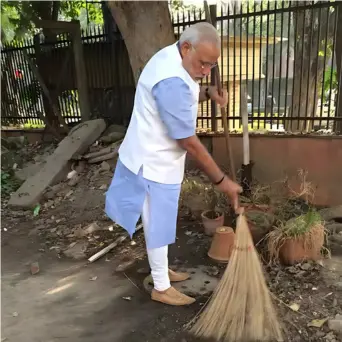
Modi’s administration has placed significant emphasis on welfare schemes aimed at improving the lives of ordinary citizens. The Swachh Bharat Abhiyan, a nationwide campaign to promote
cleanliness, and the Ujjwala Yojana, which provides free LPG connections to poor households, are two major examples.

In 2020, the Ayushman Bharat scheme was launched, providing health coverage to over 50 crore Indians, making it one of the largest government healthcare programs in the world.

Key Welfare Programs:

  • Swachh Bharat Abhiyan: Cleanliness and sanitation campaign.
  • Ayushman Bharat: Largest health insurance scheme in the world.
  • Ujjwala Yojana: Providing free LPG connections to underprivileged families.

3. Foreign Policy and Global Diplomacy
Modi’s foreign policy is characterized by active engagement with the world, enhancing India’s position on the global stage. His Neighborhood First policy aimed at strengthening ties with neighboring countries, while the Act East policy focused on strengthening relations with Southeast Asia.

Modi has also focused on improving relations with major global powers like the United States, Russia, and Japan. He has been instrumental in making India a key player in forums like the
G20, BRICS, and QUAD.

Key Fact:
Modi’s foreign visits have been numerous, and his Howdy Modi event in the U.S. in 2019 drew over 50,000 Indian-Americans, showcasing his global influence.

Key Controversies and Challenges

Despite his popularity, Modi’s tenure has also faced challenges. The Demonetization of 2016, aimed at curbing black money, was heavily debated, with critics arguing about its economic impact. Similarly, the Citizenship Amendment Act (CAA), which led to widespread protests, became a focal point for national debate.

The COVID-19 pandemic posed another significant challenge for the Modi government, particularly regarding the lockdown and the strain on the healthcare system. However, the vaccination drive under Modi’s leadership became one of the largest and fastest in the world.

Recent Developments: Latest Facts and Figures

1. G20 Presidency: India, under Modi’s leadership, held the G20 presidency in 2023, hosting world leaders in New Delhi and reinforcing India’s role in global governance.

2. Digital Transactions: India’s Unified Payments Interface (UPI), a cornerstone of the Digital India initiative, has recorded over 8 billion transactions per month as of 2023, making India one of the largest digital transaction economies globally.

3. Chandrayaan-3 Success: Modi’s leadership in promoting space research culminated in the success of Chandrayaan-3 in August 2023, placing India among a select group of nations with a successful lunar landing.

Legacy in Frames

Space Pioneer: First Indian-born woman in space

Inspiration: Symbol of dreams beyond boundaries

Narendra Modi

Scientific Spirit: Embodied curiosity and courage

Everlasting Legacy: Scholarships and institutions in her name

Modi in Contemporary Context

Narendra Modi is viewed as a transformative yet polarizing figure in Indian politics. Supporters hail his vision of a “New India” driven by technology, infrastructure, and cultural pride, while critics question his handling of democratic freedoms and inclusivity. Globally, he has established India as a key player on the world stage, symbolizing the rise of modern India.

Narendra Modi - The Architect of a New India

Narendra Modi’s leadership has ushered in a new era for India, marked by bold reforms, a focus on infrastructure, digital transformation, and a renewed sense of national pride. His policies have sought to position India as a global economic power, while ensuring social welfare for all.

As we continue to monitor Modi’s contributions, India Ki Shaan celebrates his role as a transformative leader and visionary statesman who is shaping modern India’s destiny on the global stage.

FAQ's

Modi holds a Master’s degree in Political Science from Gujarat University.

Modi's leadership in Gujarat was marked by the Jyotigram Yojana, significant infrastructure development, and the initiation of the Vibrant Gujarat Summit.

His key economic initiatives include Make in India, GST, Digital India, and Start-Up India.

Ayushman Bharat is a health insurance program providing coverage to over 50 crore citizens, making it one of the largest such initiatives globally.

Modi’s rise began as the Chief Minister of Gujarat, where his governance and reforms transformed the state’s economy. He later led the BJP to victory in the 2014 General Elections, becoming Prime Minister.

His notable achievements include the GST reform, Make in India, Ayushman Bharat, Digital India, and Swachh Bharat Abhiyan.

Modi’s foreign policy focuses on active engagement, strengthening relationships with global powers, and promoting India’s influence in international forums like the G20 and BRICS.

Atal Bihari Vajpayee – The Statesman and Poet Prime Minister

Atal Bihari Vajpayee blended politics with vision and humanity

Quick Summary

Full Name: Atal Bihari Vajpayee
Born – Died: 25 December 1924 – 16 August 2018
Tenure(s) in Office: Prime Minister of India (1996, 1998–2004)
Political Party: Bharatiya Janata Party (BJP)
Key Contributions:

  • Conducted Pokhran-II nuclear tests in 1998

  • Initiated Golden Quadrilateral highway project

  • Strengthened India’s telecom & IT sectors

  • Advocated peace with Pakistan through Lahore Summit
    Famous Quote: “You can change friends, but not neighbours”

Introduction: A Force of Change

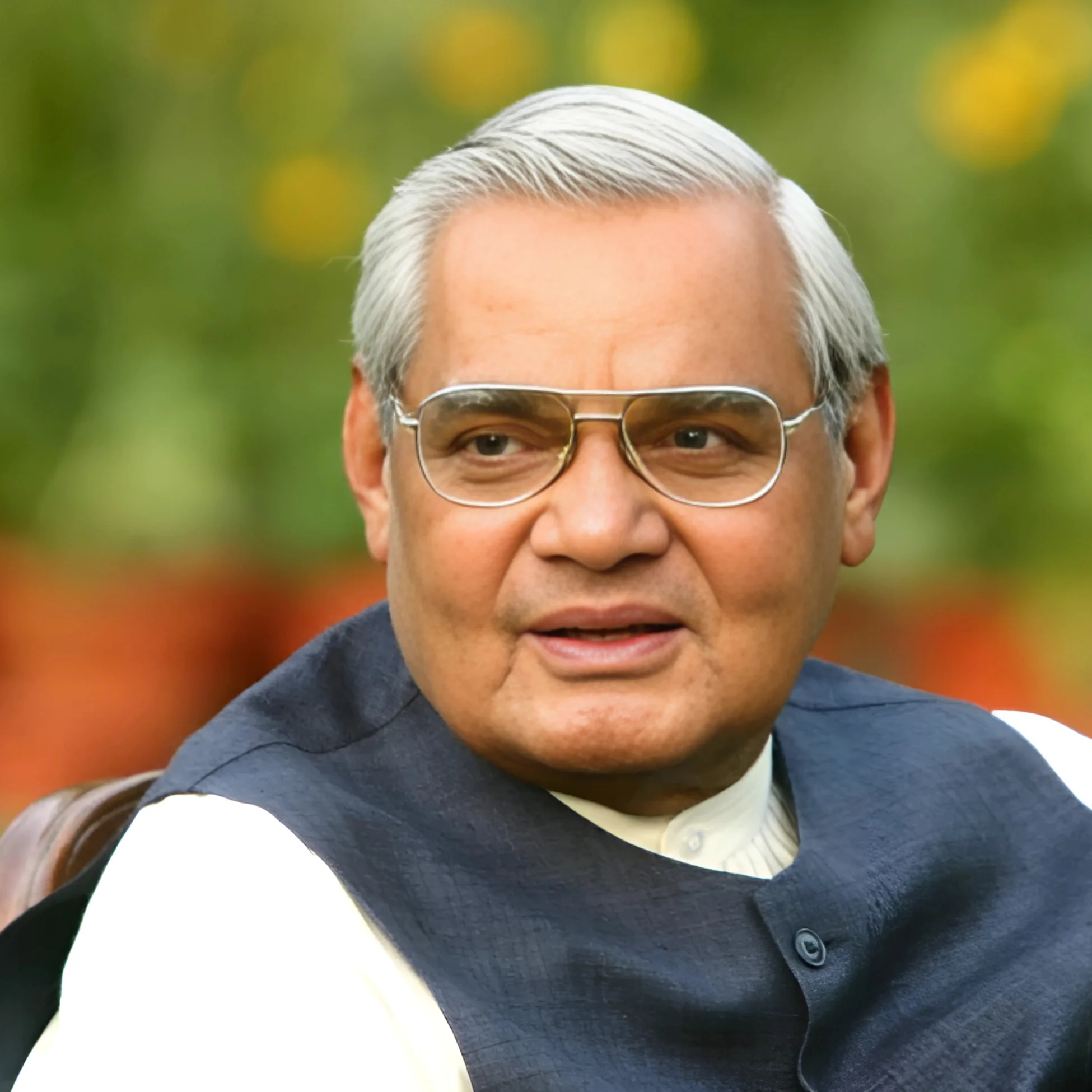
Atal Bihari Vajpayee, the 10th Prime Minister of India, was a visionary leader who left an indelible mark on Indian politics. He is widely celebrated for his oratory, statesmanship, and poetic soul. Vajpayee’s tenure was marked by his commitment to India’s economic development, peace, and democratic values. A leader who brought inclusivity and a balanced approach to governance, he was loved and respected across party lines.

In this profile, we take a deep dive into his journey from being a young freedom fighter to one of India’s most cherished Prime Ministers. This page is designed to be an authoritative resource for anyone seeking a comprehensive understanding of Vajpayee’s contributions, policies, and legacy.

Early Life and Education

Born on 25th December 1924 in Gwalior, Atal Bihari Vajpayee grew up in a middle-class family with strong values. His father, Krishna Bihari Vajpayee, was a school teacher and a poet, a trait Atal inherited and nurtured throughout his life.

Atal showed an early interest in the independence movement, and by his teenage years, he became actively involved in politics, joining the Rashtriya Swayamsevak Sangh (RSS). Vajpayee’s leadership qualities were recognized early, and he became an active member of the Bharatiya Jana Sangh (BJS), the precursor to the Bharatiya Janata Party (BJP). He was elected to the Lok Sabha for the first time in 1957 and was known for his powerful speeches and balanced viewpoints.

Key Facts:

  • Born: 25th December 1924, Gwalior
  • Political Affiliations: RSS, Bharatiya Jana Sangh, Bharatiya Janata Party (BJP)
  • First Lok Sabha Election Victory: 1957
  • Renowned for: Oratory skills, poetry, visionary governance

Journey in Pictures

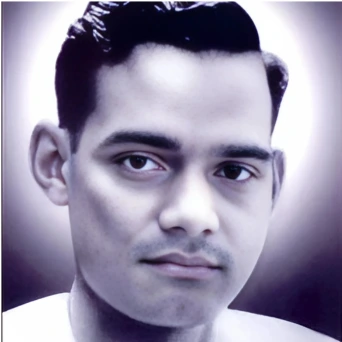
Atal Bihari Vajpayee Young days

1950

Vajpayee as a young

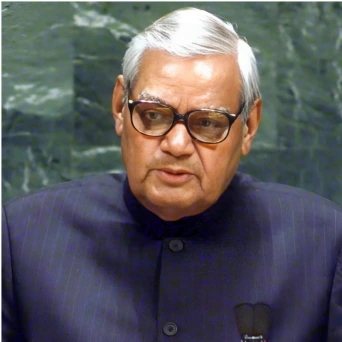
Atal Bihari Vajpayee in UN

1977

Addressing UN in Hindi

Atal Bihari Vajpayee in Pokhran

1988

Abdul Kalam during Pokhran-II tests

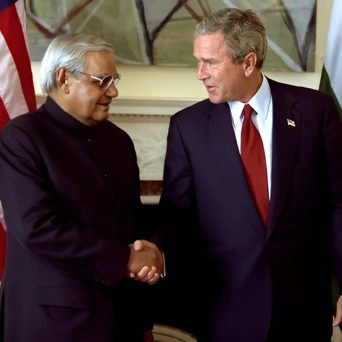
Atal Bihari Vajpayee with Bush

2000

With world leaders (Bill Clinton, etc.)

2004

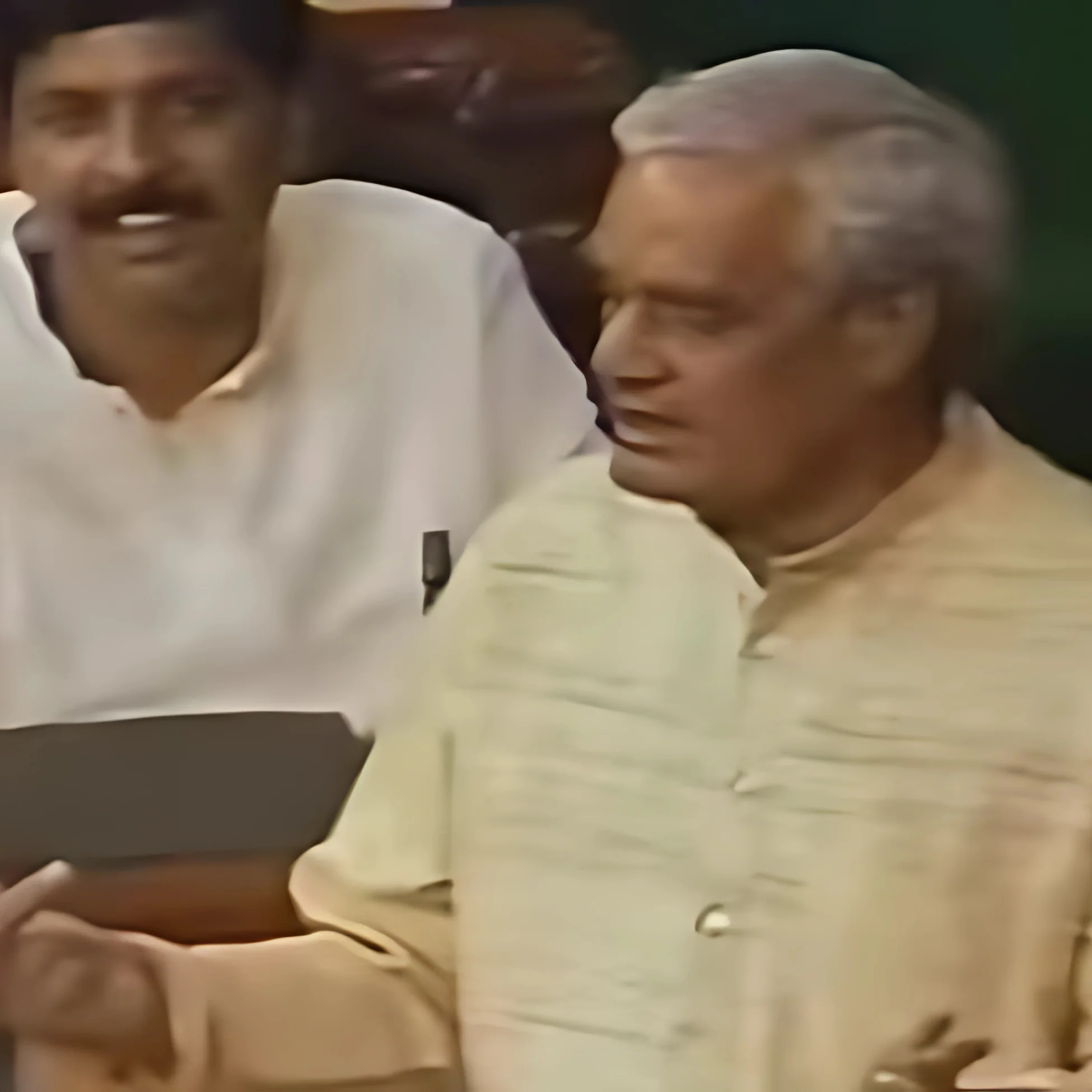
Atal Bihari Vajpayee speech in Parliament

Rise to National Prominence

Atal Bihari Vajpayee’s rise to prominence began with his role as a key leader of the Bharatiya Jana Sangh, which later evolved into the BJP. His stature in national politics grew steadily as he became known for his eloquent speeches and commitment to national development. His vision of integrated development, inclusive politics, and India-first policies resonated with many.

In 1977, after the Emergency imposed by Indira Gandhi, Vajpayee became the Minister of External Affairs in the Janata Party government. His contributions in strengthening India’s international relations, particularly with neighboring countries, were widely appreciated. 

Key Events:

  • 1977-1979: Served as the Minister of External Affairs in the Janata Party government.

  • 1980: Played a key role in founding the Bharatiya Janata Party (BJP).

Tenure as Prime Minister of India

Atal Bihari Vajpayee served as the Prime Minister of India three times: first for a brief period in 1996, then from 1998 to 2004. His tenure is remembered for his leadership in transforming India’s economy, improving infrastructure, and enhancing India’s global standing. Let’s explore the key milestones during his tenure.
1. Economic Reforms
Under Vajpayee’s leadership, India underwent significant economic reforms. His government is credited with liberalizing the economy further, building infrastructure, and promoting privatization in key sectors. One of his flagship programs was the National Highways Development Project (NHDP), which created the Golden Quadrilateral—a network of highways connecting major Indian cities.

Key Fact:
The Golden Quadrilateral is the largest express highway project in India, spanning over 5,846 kilometers and connecting Delhi, Mumbai, Chennai, and Kolkata.

2. Nuclear Tests: Pokhran II
One of Vajpayee’s most significant moments as Prime Minister was the successful conduct of the Pokhran-II nuclear tests in 1998, which declared India as a nuclear power. Despite international sanctions, Vajpayee stood firm in defending India’s right to self-defense and ensured the country’s energy security.

Key Fact:
The Pokhran-II nuclear tests consisted of five detonations, conducted in May 1998, and positioned India as a nuclear-armed state, capable of deterring aggression. 

3. Lahore Summit and Kargil War
Vajpayee’s approach to foreign relations was a mix of diplomacy and firmness. In 1999, he initiated the Lahore Bus Yatra, a diplomatic outreach to Pakistan aimed at fostering peaceful relations between the two countries. However, this effort was derailed by the Kargil War, when Pakistan infiltrated Indian territory in Kashmir. Vajpayee’s leadership during the Kargil War was widely admired, and India successfully reclaimed its territory.

Key Fact:
The Kargil War ended in July 1999, with India regaining control over its posts. Vajpayee’s government received widespread praise for its handling of the conflict.

4. Sarva Shiksha Abhiyan
Atal Bihari Vajpayee’s government also launched the Sarva Shiksha Abhiyan, an ambitious program aimed at universalizing elementary education across India. His commitment to education was evident in his focus on improving literacy rates, particularly in rural areas.

Later Years and Legacy

Atal Bihari Vajpayee stepped down as Prime Minister in 2004, after which he gradually withdrew from active politics due to health issues. He was widely regarded for his balanced and moderate leadership, his ability to unite different factions, and his vision for a modern and progressive India.

In 2015, Vajpayee was awarded India’s highest civilian honor, the Bharat Ratna, for his contributions to the nation. He passed away on 16th August 2018 at the age of 93.

Legacy and Impact

Vajpayee’s contributions to Indian politics and society remain unparalleled. His balanced approach, even during the most tumultuous times, earned him respect across political lines. He is remembered as a poet-prime minister who brought humanity and compassion to the highest office. His foreign policies, economic reforms, and infrastructural projects continue to shape modern India.
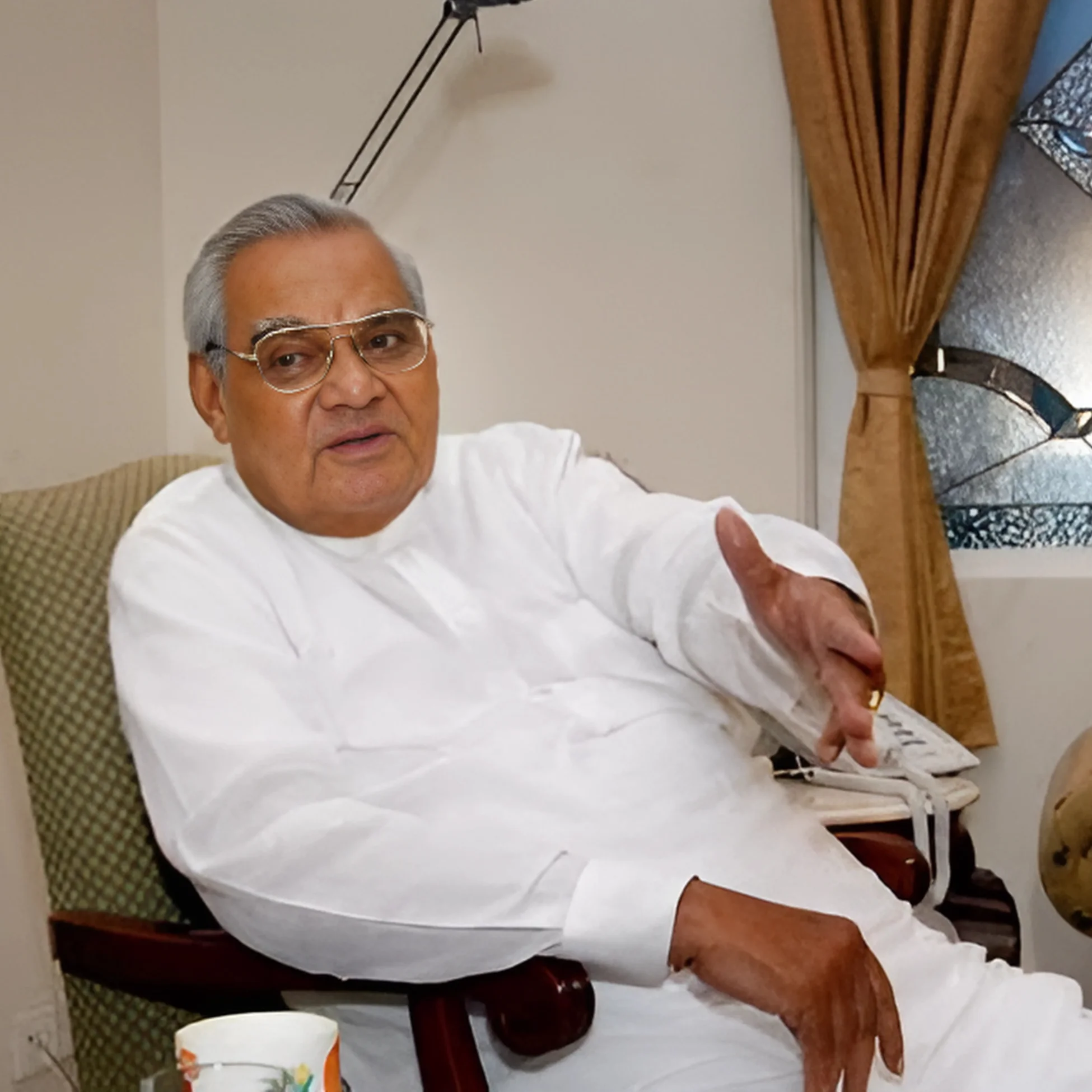
Key Facts:

  • Bharat Ratna: Awarded in 2015
  • Death: 16th August 2018, New Delhi

Legacy in Frames

Nuclear Strength → Pokhran-II established India as a nuclear power.

Economic Reforms → Telecom & IT liberalization opened India to global markets.

Infrastructure Vision → Golden Quadrilateral revolutionized India’s highways.

Peace Efforts → Lahore bus journey, dialogue with Pakistan.

Vajpayee in Contemporary Context

Atal Bihari Vajpayee’s legacy remains deeply relevant in today’s India. His vision for economic liberalization laid the foundation for India’s IT revolution, which continues to drive growth.

His infrastructure projects, particularly the Golden Quadrilateral, are still central to India’s connectivity. Even in foreign policy, his mix of nuclear assertion and peace diplomacy shapes India’s strategic stance today. Revered as the “Gentle Giant” of Indian politics, Vajpayee continues to inspire leaders across parties.

Atal Bihari Vajpayee, The Unifying Leader

Atal Bihari Vajpayee was not just a politician; he was a statesman who envisioned a modern, strong, and united India. His policies in infrastructure, foreign relations, and nuclear security are lasting legacies that continue to shape India today. His leadership was defined by courage, compassion, and a genuine commitment to improving the lives of Indian citizens. 

Through this page, India Ki Shaan honors the legacy of a leader who stood for integrity, national pride, and progress. Explore more about India’s political icons in our Politics section.

FAQ's

Vajpayee began his political career as a young freedom fighter and later joined the Rashtriya Swayamsevak Sangh (RSS). He was elected to the Lok Sabha for the first time in 1957.

Vajpayee was one of the founding members of the BJP in 1980, after the split of the Janata Party. His leadership and vision shaped the party's early years.

Vajpayee focused on liberalizing the Indian economy, promoting privatization, and improving infrastructure. His Golden Quadrilateral project revolutionized India’s road network.

Vajpayee led the government during the Pokhran-II nuclear tests in 1998, which declared India as a nuclear power despite facing international sanctions.

Vajpayee was known for his poetic writings and speeches. His book of poems, "Meri Ekyavan Kavitayen", reflects his literary flair.

Vajpayee's key contributions include conducting the Pokhran-II nuclear tests, the Golden Quadrilateral project, economic liberalization, and promoting peace with Pakistan through the Lahore Summit.

His moderate leadership, focus on infrastructure, and ability to maintain a balance between development and diplomacy earned him a place as one of India’s most respected leaders.

Indira Gandhi – A Force of Change

Quick Summary

Full Name: Indira Priyadarshini Gandhi
Born – Died: 19 November 1917 – 31 October 1984
Tenure(s) in Office: Prime Minister of India (1966–1977, 1980–1984)
Political Party: Indian National Congress
Key Contributions:

  • Green Revolution (food self-sufficiency)

  • Nationalization of major banks (1969)

  • Victory in 1971 Bangladesh Liberation War

  • Strengthening India’s international standing
    Notable Quote: “Forgiveness is a virtue of the brave.”

Introduction: A Force of Change

Indira Gandhi, India’s first and only female Prime Minister, is remembered as one of the most powerful and influential political figures in the country’s history.

Her leadership, spanning multiple terms, was marked by both visionary reforms and controversial decisions. Known as the “Iron Lady of India,” she reshaped the political, economic, and social landscape of India.

In this detailed exploration, we delve into her life, her rise to political prominence, her key policies, challenges she faced, and the legacy she left behind.

Early Life and Education

Indira Gandhi was born on 19th November 1917 in Allahabad, British India, into a family
deeply entrenched in India’s independence movement. As the daughter of Jawaharlal Nehru, India’s first Prime Minister, Indira grew up witnessing the political struggles of the time, which shaped her own political ambitions.

She studied at Santiniketan in India, before moving to Europe for higher education, where she attended Oxford University. Her upbringing was defined by her proximity to India’s most
important political leaders, including her father and Mahatma Gandhi. Indira’s family
background gave her unique exposure to leadership and the independence movement, deeply influencing her worldview.

Key Facts:

  • Born: 19th November 1917, Allahabad, British India
  • Education: Santiniketan (India), Oxford University (UK)
  • Father: Jawaharlal Nehru
  • Political Ideology: Socialism, Nationalism

Journey in Pictures

Young Indira Gandhi serving food to Pandit Nehru

1917

Childhood with Nehru in Allahabad

Indira Gandhi as president of congress

1959

Becoming Congress President

Indira Gandhi swore in as prime minister of India

1966

Sworn in as Prime Minister

Indira Gandhi in 1971 war

1971

Leading the nation during the 1971 Bangladesh War

Indira Gandhi during before assassination

1984

Final public appearances before 1984 assassination

Political Journey and Role in India’s Freedom Struggle

Indira Gandhi’s entry into active politics began early as she worked closely with her father,
Jawaharlal Nehru, during his time as Prime Minister. After Nehru’s death in 1964, India’s
political landscape shifted, and Indira was elected as the Congress Party President in 1959.

In 1966, following the sudden death of then-Prime Minister Lal Bahadur Shastri, Indira Gandhi was chosen to lead India as Prime Minister. Initially perceived as a weak leader by many within the Congress, she quickly dispelled that notion by asserting her authority and implementing sweeping reforms. Her early decisions set the tone for her tenure as a decisive and formidable leader.

Major Events Leading to Her Rise:

  • Became the Congress Party President in 1959.
  • Served as Minister of Information and Broadcasting under Shastri’s government.
  • Chosen as the Prime Minister of India in 1966.

Key Policies and Reforms

Indira Gandhi’s tenure was marked by some of the most impactful reforms and decisions in modern Indian history. Her socialist ideology and strong leadership resulted in major shifts in India’s economy, foreign policy, and political framework.

1. Green Revolution
One of Indira Gandhi’s earliest successes was the Green Revolution. With widespread food shortages in India, Indira promoted the use of new agricultural techniques, which led to an unprecedented increase in food production. This transformation made India self-sufficient in grain production and ended the cycle of famines that had plagued the country. 

2. Nationalization of Banks
In 1969, one of her boldest moves was the nationalization of 14 major banks. The move was aimed at ensuring that the banking sector served the needs of the poor and rural India. This decision was met with criticism from some industrialists but was a landmark step toward India’s financial inclusion.

3. 1971 Bangladesh Liberation War
Indira Gandhi’s leadership during the 1971 Bangladesh Liberation War remains one of her defining moments. She provided strong diplomatic and military support to the Bengali independence movement in East Pakistan, leading to the creation of Bangladesh. The Indian military’s decisive victory over Pakistan solidified her position as a powerful global leader.

Key Fact:
The 1971 Indo-Pak war ended with India’s decisive victory, resulting in the creation of Bangladesh. Over 90,000 Pakistani soldiers surrendered, marking one of the largest surrenders since World War II.

4. Emergency (1975-1977)
In 1975, Indira Gandhi declared a state of emergency across India, following a court ruling that found her guilty of electoral malpractices. The Emergency period (1975-1977) remains one of the most controversial phases of her political career. Civil liberties were curtailed, political opposition was imprisoned, and strict censorship was imposed on the press. While she justified it as necessary for national security and economic stability, the Emergency faced widespread criticism and led to her temporary electoral defeat in 1977.

5. Operation Blue Star (1984)
One of the most tragic and controversial events of Indira Gandhi’s political career was Operation Blue Star. In 1984, she ordered the Indian Army to remove Sikh militants holed up in the Golden Temple, Amritsar. While the operation successfully eliminated the militant threat, it led to significant civilian casualties and widespread anger within the Sikh community. Tragically, this decision led to Indira’s assassination on 31st October 1984 by her Sikh bodyguards, who sought revenge for the military operation.

Assassination and Legacy

On 31st October 1984, Indira Gandhi was assassinated by her Sikh bodyguards, Satwant Singh and Beant Singh, in retaliation for Operation Blue Star. Her death shocked the nation, and massive riots followed, leading to further bloodshed and political turmoil. Despite the controversy surrounding her leadership, Indira Gandhi’s legacy as one of India’s most powerful and transformative Prime Ministers remains intact.

Impact on Modern India

  • Economic Reforms: Her policies of bank nationalization and economic redistribution left a lasting imprint on India’s financial sector.
  • International Standing: Indira’s leadership during the Bangladesh War elevated India’s global stature.
  • Women’s Leadership: As the first female Prime Minister of India, she broke the glass ceiling for women in Indian politics, inspiring future generations of women leaders.

Latest Developments:

  • In 2023, several political and academic institutions paid tribute to Indira Gandhi on the 40th anniversary of her assassination, recognizing her role in shaping modern India.
  • Her legacy continues to influence the policies of the Indian National Congress, with her grandson Rahul Gandhi frequently invoking her vision in party campaigns.

Legacy and Impact on Modern India

Indira Gandhi’s legacy is defined by bold reforms, from the Green Revolution to bank nationalization, which transformed India’s economy. As the nation’s first woman Prime Minister, she inspired generations, while her controversial decisions like the Emergency continue to shape debates on democracy and governance.

Key Contributions to Modern India:

  • Economic Reforms: Bank nationalization and socialist policies expanded financial inclusion.

  • Agriculture: The Green Revolution transformed India from a famine-prone nation to a food-secure state.

  • Women in Politics: As the first female PM, she broke barriers and inspired generations of women leaders.

  • Foreign Policy: Strengthened India’s voice globally, especially after the 1971 victory.

  • Controversies: The Emergency (1975–77) and Operation Blue Star (1984) remain debated but showcase her complex leadership.

Legacy in Frames

Indira’s statue in Victoria garden

Indira Gandhi Memorial Museum, New Delhi

Postage stamps & commemorative coins issued in her honor

Documentaries/films based on her leadership

Indira Gandhi in Contemporary Context

Latest Developments:

  • Political Influence: Her legacy continues in the Congress Party, with leaders like Sonia Gandhi and Rahul Gandhi invoking her vision.

  • Academic Interest: Universities & researchers often revisit her role in shaping 20th-century India.

  • Public Debate: Her policies (banking, agriculture, foreign relations) are still discussed in Indian politics.

  • Global Symbol: She remains one of the most recognized female leaders in post-colonial history.

Indira Gandhi's Enduring Legacy

Indira Gandhi remains a towering figure in Indian political history. Her courage in making bold decisions, whether in times of war or peace, her dedication to improving the lives of millions, and her indomitable spirit, continue to inspire people today. While her career had its controversies, her contributions to India’s growth and her status as a pioneering female leader remain a source of pride for the nation.

This page on Indira Gandhi celebrates her as an embodiment of India’s strength and resilience.

Explore more profiles of India’s political legends in our Politics category.

FAQ's

Indira Gandhi was chosen as Prime Minister after the untimely death of Lal Bahadur Shastri in 1966. Initially perceived as a compromise candidate, she soon established her leadership with strong reforms and decisions.

Indira faced internal dissent from senior Congress leaders, who initially underestimated her. She had to assert her leadership while navigating factionalism within the party.

The Emergency was a 21-month period from 1975 to 1977 when Indira Gandhi imposed authoritarian rule, suspending civil liberties and suppressing political dissent.

Indira declared the Emergency following a court ruling that invalidated her election victory, and citing threats to national security and public order, she took extraordinary measures to maintain power.

Indira Gandhi earned the title due to her strong, assertive leadership style, particularly during the 1971 Bangladesh War and her decision to impose the Emergency in 1975.

Indira Gandhi is known for her role in the Green Revolution, nationalizing banks, leading India to victory in the 1971 Bangladesh War, and initiating social and economic reforms.

Her bank nationalization and agricultural policies reshaped India's economy, promoting financial inclusion and self-reliance in food production.

Operation Blue Star, while successful in eliminating the militant threat in Punjab, led to widespread anger among the Sikh community and directly resulted in Indira Gandhi’s assassination in 1984.

Jawaharlal Nehru

Jawaharlal Nehru Architect of Modern India

A visionary leader who laid the foundation of India’s democratic and scientific progress.

Quick Summary

Full Name: Pandit Jawaharlal Nehru
Born – Died: 14 November 1889 – 27 May 1964
Tenure(s) in Office: Prime Minister of India (15 August 1947 – 27 May 1964)
Political Party: Indian National Congress
Key Contributions:

  • Architect of modern India’s democratic institutions

  • Championed Non-Aligned Movement

  • Founded IITs, AIIMS, and other key institutions
    Notable Quote: “At the stroke of the midnight hour, when the world sleeps, India will awake to life and freedom.”

Introduction: Celebrating a Nation Builder

Jawaharlal Nehru, India’s first Prime Minister, is one of the most influential figures in the history of the nation.

Known for his role in shaping independent India’s socio-economic and political landscape, Nehru’s leadership laid the foundation for the world’s largest democracy. His forward-thinking policies in education, science, and foreign affairs have left an indelible mark on modern India.

This page will explore Nehru’s life, his critical role in India’s freedom struggle, his tenure as Prime Minister, and his lasting contributions to the development of a free, secular, and progressive India.

Early Life and Education

Born on 14th November 1889, Jawaharlal Nehru grew up in a privileged family in Allahabad, Uttar Pradesh. His father, Motilal Nehru, was a prominent lawyer and politician, a member of the Indian National Congress, and a key figure in the Indian independence movement. Nehru’s upbringing, marked by exposure to Western education and Indian nationalist ideals, shaped his worldview.

Nehru was educated at the prestigious Harrow School in England, followed by Trinity College, Cambridge, where he studied natural sciences. He later pursued law at the Inns of Court in London, earning a degree that would prepare him for his political career.

Key Facts:

  • Born: 14th November 1889, Allahabad, British India
  • Education: Harrow School, Trinity College, Inns of Court (London)
  • Father: Motilal Nehru (INC leader and lawyer)
  • Political Ideology: Democratic socialism, secular

Journey in Pictures

1889

Childhood — Early family portrait from Allahabad.

1907

Student Years — Trinity College period.

1930

Freedom Struggle — Addressing a gathering.

1947

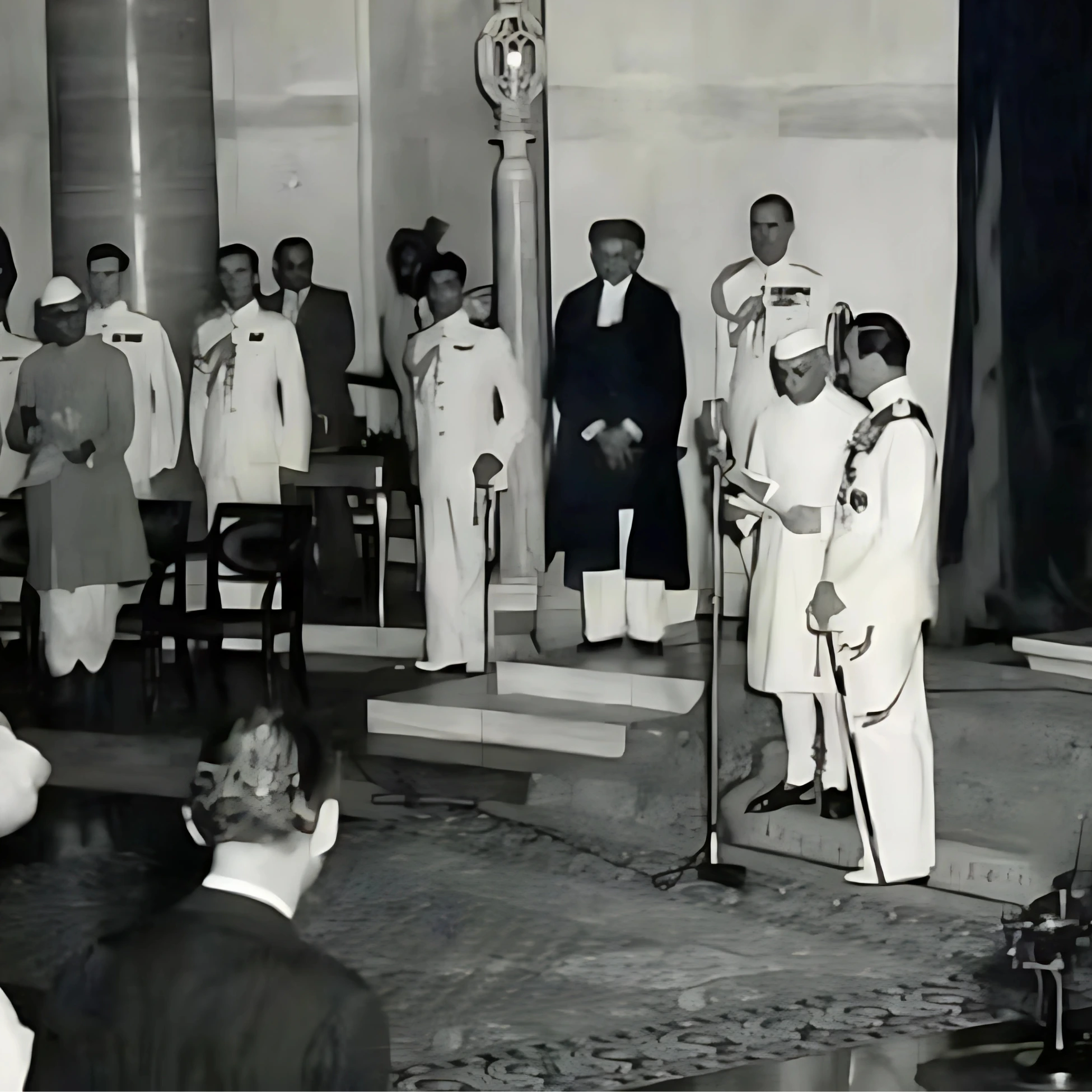
Independence — Oath as India’s first Prime Minister.

1955

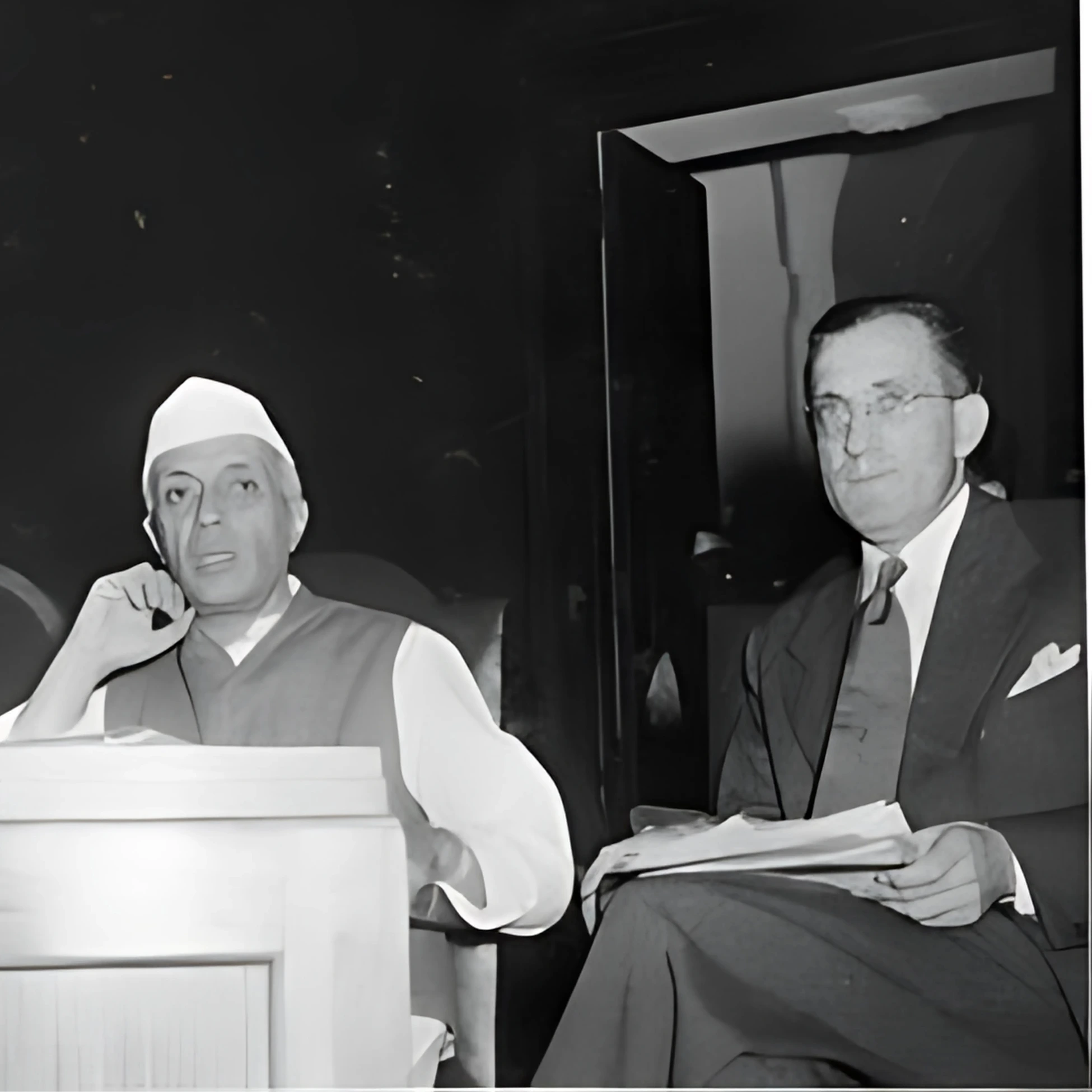
World Stage — Non-Aligned diplomacy .

1964

Legacy — Tributes & memorials that honor.

Political Journey and Role in India’s Freedom Struggle

Nehru’s active involvement in India’s politics began after his return from England in 1912. His initial work in the Indian National Congress (INC) was marked by his collaboration with Mahatma Gandhi, who became a mentor and inspiration. Nehru’s participation in key movements like the Non-Cooperation Movement (1920), Civil Disobedience Movement (1930), and the Quit India Movement (1942) was instrumental in driving India toward independence.

As a young and charismatic leader, Nehru gained national prominence through his vision of Purna Swaraj (complete independence), which he formalized in 1929 during the Lahore Congress. He became the President of the Indian National Congress, a position that put him in the forefront of the independence struggle.

Nehru’s Major Contributions in the Independence Movement:

  • Supported Gandhi’s Non-Cooperation Movement to demand self-rule.
  • Championed the Purna Swaraj Resolution (1930), pushing for complete freedom from British rule.
  • Played a significant role in negotiating India’s independence through dialogues with British authorities, alongside leaders like Sardar Vallabhbhai Patel and Mahatma Gandhi.

First Prime Minister of Independent India (1947–1964)

On 15th August 1947, India became a free nation, and Nehru was appointed as the first Prime Minister. His leadership during the early years of independent India was marked by efforts to stabilize the country’s political, economic, and social structure. Nehru’s focus on democratic socialism, secularism, and non-alignment played an essential role in establishing India’s unique identity on the global stage.

Key Policies and Contributions:

  • Industrialization and Economic Growth
    Nehru initiated India’s first Five-Year Plan in 1951, focusing on building heavy industries and developing infrastructure. Public sector enterprises, including Steel Authority of India (SAIL), and numerous hydroelectric projects like Bhakra Nangal Dam were built under his leadership.

  • Education and Scientific Development
    A believer in scientific temper, Nehru’s vision led to the creation of Indian Institutes of Technology (IITs), Indian Institutes of Management (IIMs), and organizations like ISRO and Atomic Energy Commission. His emphasis on education continues to benefit India’s development.

  • Non-Aligned Movement (NAM)
    One of Nehru’s defining foreign policy achievements was the establishment of the Non-Aligned Movement (NAM) in the context of the Cold War. Alongside Yugoslavian leader Tito and Egyptian President Nasser, Nehru advocated

Key Fact:

  • Nehru’s educational reforms laid the foundation for India’s renowned educational institutions. The IITs, established under his leadership, rank among the world’s top engineering institutions.

Challenges and Criticism

While Nehru’s leadership was transformative, his tenure was not without criticism. Two major controversies that marked his leadership were the handling of the Kashmir conflict and the Sino-Indian War (1962).

  1.  Kashmir Issue
    Nehru’s decision to refer the Kashmir issue to the United Nations remains a point of contention. Although he aimed to resolve the conflict through dialogue, it led to a long-standing dispute that continues to affect India-Pakistan relations.

  2. Sino-Indian War (1962)
    Nehru’s foreign policy towards China, often summarized by the slogan “Hindi-Chini Bhai Bhai”, faced a setback during the Sino-Indian War in 1962. The war resulted in a defeat for India, damaging Nehru’s reputation domestically.

Legacy and Impact on Modern India

Jawaharlal Nehru passed away on 27th May 1964, leaving behind a legacy that continues to shape India. His commitment to building a democratic, secular, and modern nation is evident in India’s political structure, scientific progress, and education system.

Key Contributions to Modern India:

  • Political System: Nehru’s insistence on parliamentary democracy and a secular constitution formed the bedrock of India’s governance.

  • Economic Development: The Five-Year Plans initiated by Nehru set the course for industrial and infrastructural development.

  • Scientific Temper: Nehru’s emphasis on scientific advancement led to the establishment of ISRO and BARC, key institutions that have contributed to India’s position as a global leader in space and nuclear technology.

Legacy in Frames

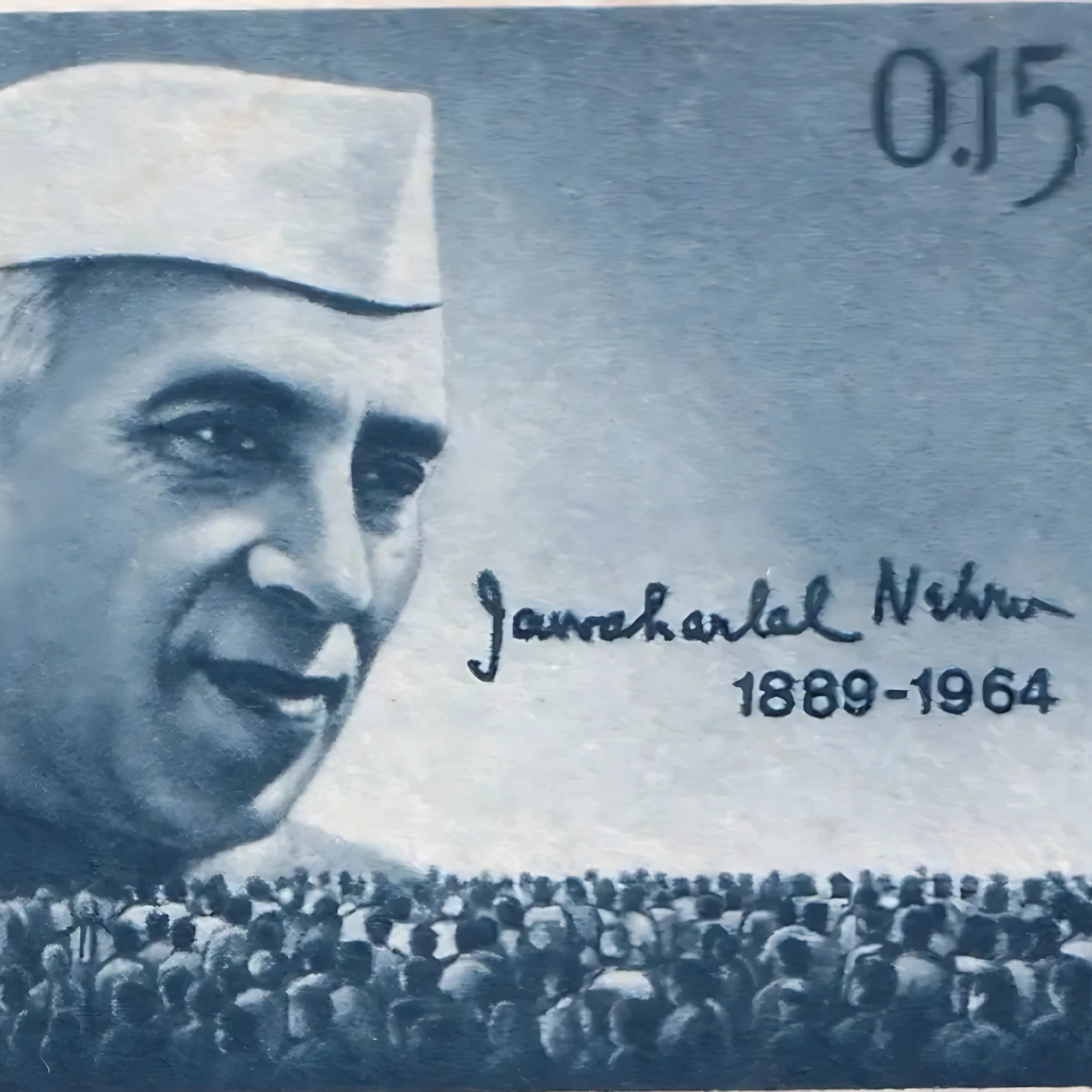
Commemorative Stamp Issued

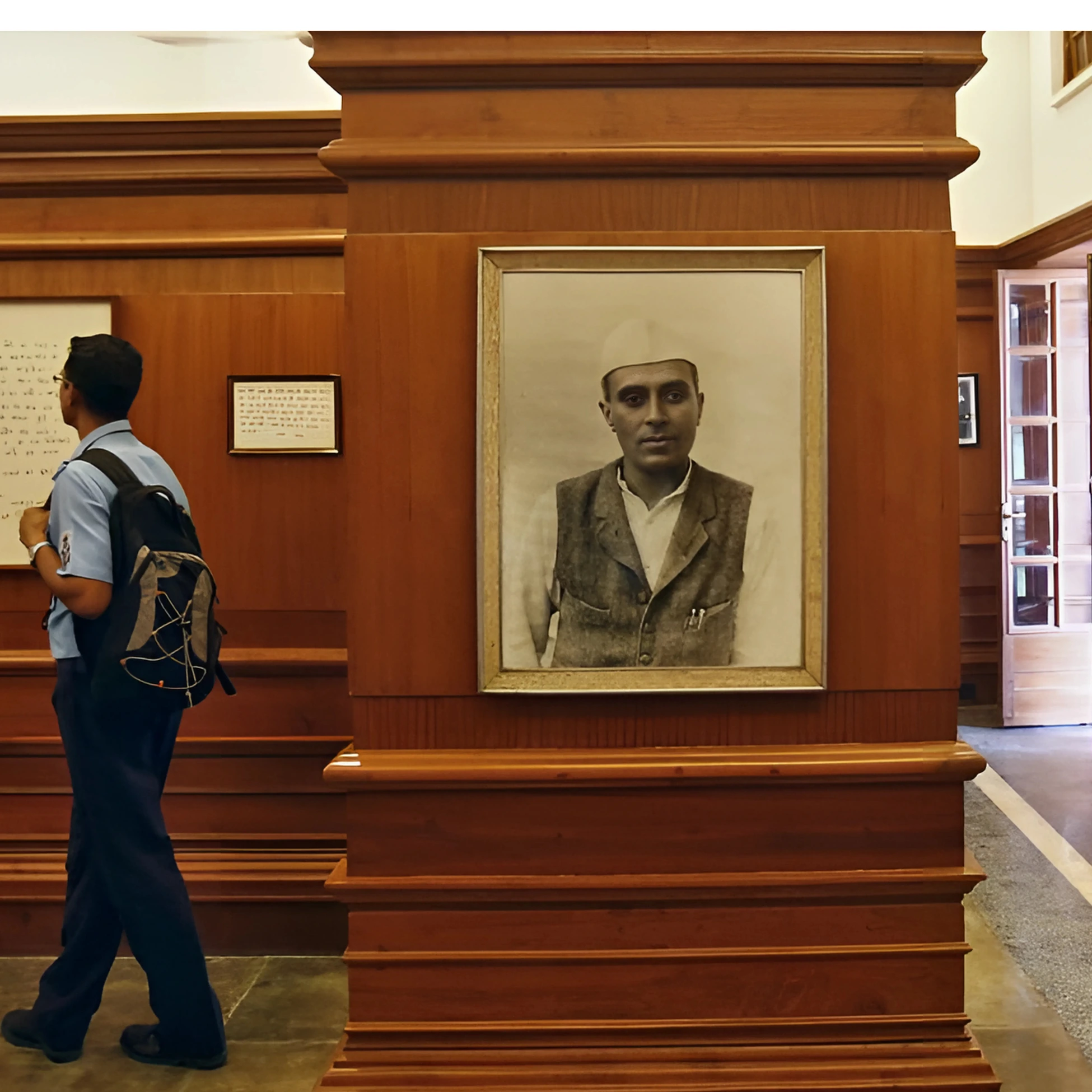
Nehru Memorial Museum & Library

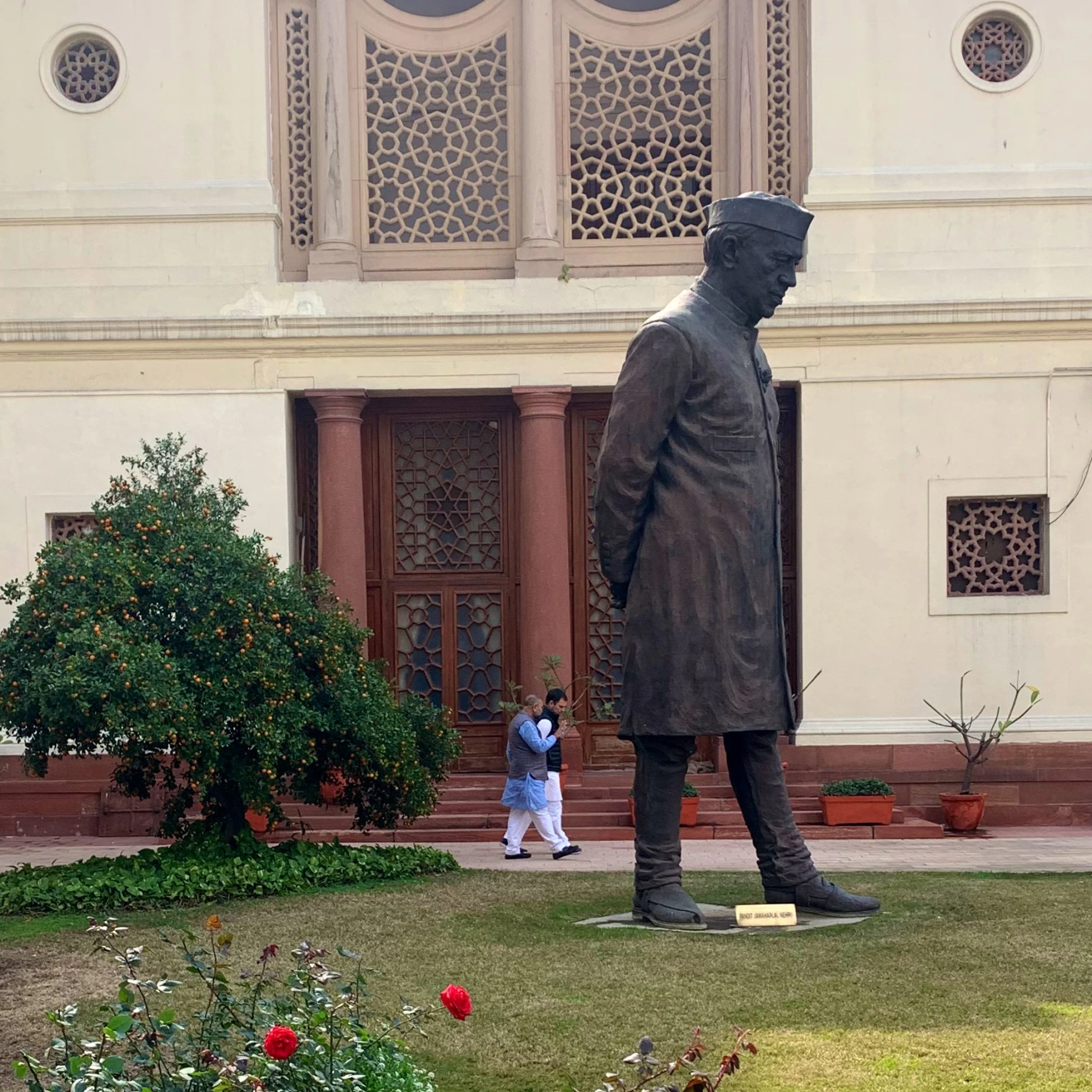
Statue at Parliament House

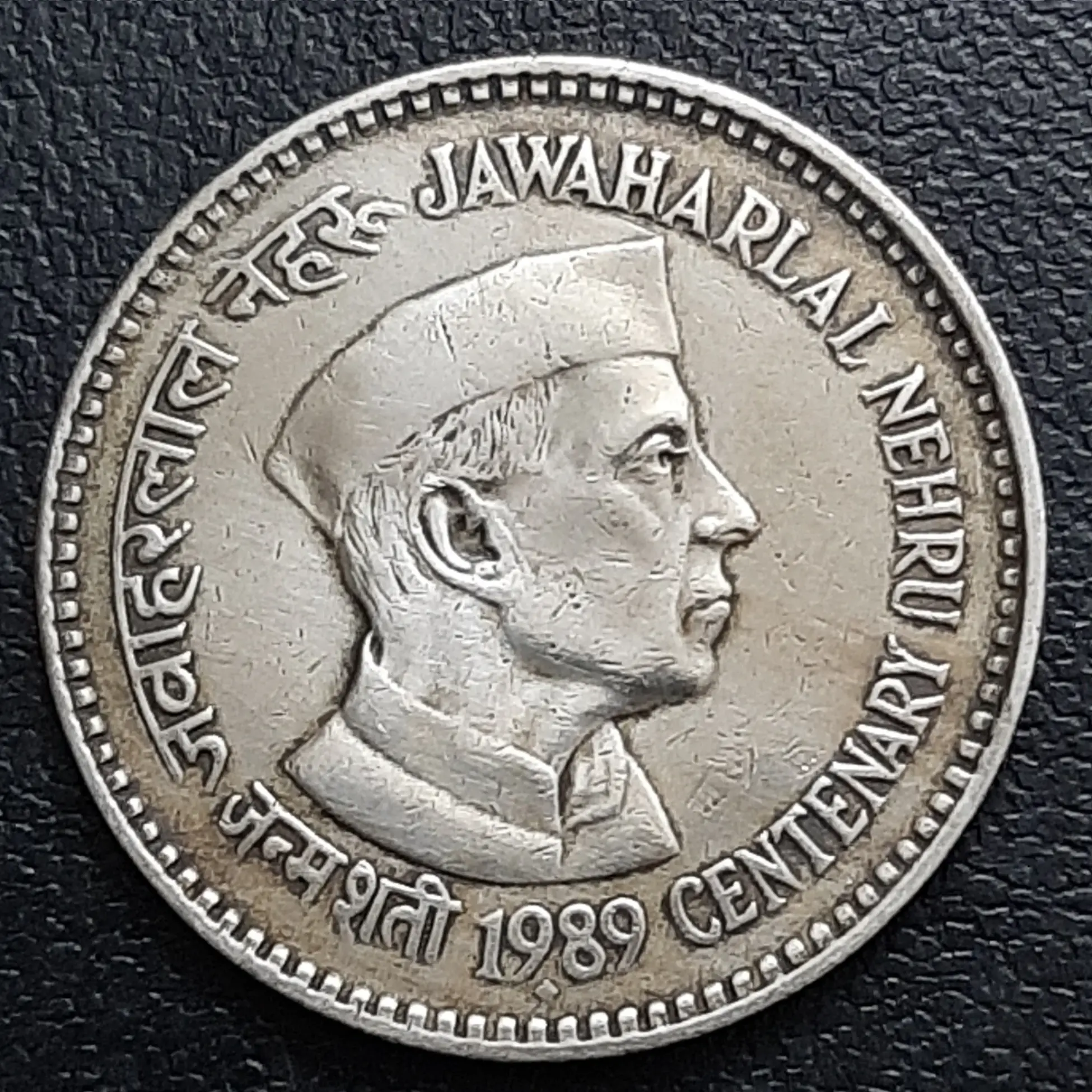
Featured on Indian Currency

Nehru in Contemporary Context

As of 2023, Jawaharlal Nehru’s policies and vision continue to impact India’s economic, educational, and political fabric. His legacy is celebrated annually on Children’s Day (14th November) in India, in honor of his love for children and his belief in their role in shaping the future of the country.

Latest Developments:

  • Space Program: Nehru’s establishment of ISRO has borne fruit in India’s recent space achievements, including the successful Chandrayaan-3 mission in 2023, marking India’s first successful landing on the Moon’s south pole.

  • Education: Institutions like IITs and IIMs are ranked among the world’s top universities and continue to contribute to India’s economic and technological progress.

The Legacy of Jawaharlal Nehru

Jawaharlal Nehru remains an iconic figure in India’s political history. His ideals of secularism, democracy, and scientific progress continue to guide the country’s growth. While his policies and leadership faced challenges, his contributions to nation-building and his vision for a modern India are undeniable.

FAQ's

Nehru led the INC and worked closely with Gandhi to push for India’s complete independence from British rule. His leadership in the Quit India Movement and diplomatic efforts during World War II were key in achieving India’s freedom in 1947.

Yes, Nehru was imprisoned multiple times by British authorities, spending nearly 9 years in jail for his participation in various independence movements.

Nehru advocated for non-alignment, ensuring that India remained neutral during the Cold War and refrained from aligning with any major power blocs.

Nehru emphasized higher education, scientific research, and technical education, establishing institutions like IITs and ISRO that have continued to play a significant role in India’s progress.

Nehru’s perceived lack of military preparedness and his idealistic approach to foreign relations with China led to India’s defeat in the 1962 Sino-Indian War.


Nehru believed in resolving the Kashmir dispute through diplomatic means and involved the United Nations. His decision to offer a plebiscite, which never took place, remains controversial.