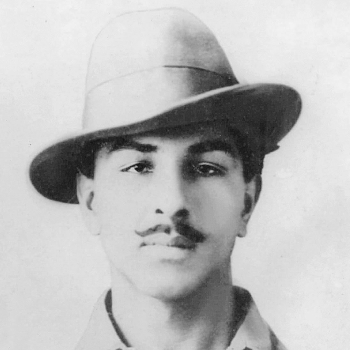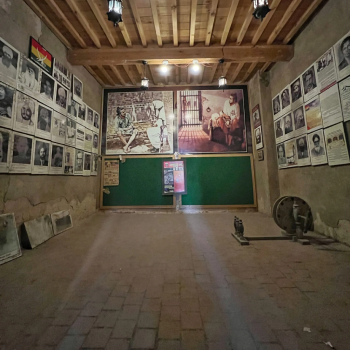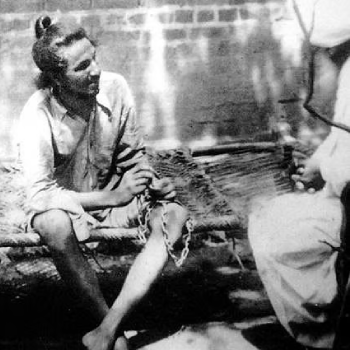

Alluri Sitarama Raju Biography

In the heart of India’s struggle for freedom, one man’s courage ignited the spirit of rebellion among his people. Alluri Sitarama Raju stands as a symbol of resistance against British oppression, inspiring generations to fight for their rights.

Introduction

Alluri Sitarama Raju was an Indian revolutionary born in the early 20th century. He is best known for his leadership in the Rampa Rebellion against British colonial rule in India. His fearless actions and dedication to the cause of independence made him an important figure in the Indian freedom movement. Raju’s legacy continues to inspire many who seek justice and equality.

Quick Summary

  • Full Name: Alluri Sitarama Raju
  • Born: 1897, Visakhapatnam, India
  • Profession: Revolutionary leader
  • Known As: Leader of the Rampa Rebellion
  • Career Span: 1920–1924
  • Key Contributions:
    • Led the Rampa Rebellion against British rule in 1922.
    • Advocated for the rights of tribal people in the Eastern Ghats.
    • Promoted the use of traditional weapons among local tribes.
    • Inspired the youth to join the freedom struggle.
    • Established a strong revolutionary movement in the region.
    • His bravery and tactics are still studied in Indian history.
  • Quote: “I may be killed, but I will not surrender.”

Early Life & Background

Alluri Sitarama Raju was born into a modest family in the Visakhapatnam district of Andhra Pradesh. His father, a local village headman, instilled a sense of justice and courage in him from a young age. Growing up in a rural environment, Raju was deeply connected to the struggles of the tribal communities around him. They faced oppression and exploitation from British officials, which left a lasting impression on his young mind.

As a child, Raju was known for his adventurous spirit and determination. He was curious about the world and often explored the forests surrounding his village. This environment nurtured a strong bond with nature and the people who lived in it. Although details of his early education are sparse, he attended local schools where he was exposed to revolutionary ideas and the stories of freedom fighters. This early exposure sparked his interest in the fight against colonial rule.

How It All Started

Raju’s journey as a revolutionary began in his late teens. Witnessing the injustices faced by his community, he felt compelled to act. The turning point came when he met local leaders who inspired him with their tales of bravery and resistance. They spoke about the plight of the tribal people and the need to rise against the British. This planted a seed of courage in Raju’s heart.

In 1920, Raju took his first steps into the world of revolution. He gathered young men from his village and started organizing them, sharing his vision of a free India. They practiced using traditional weapons, preparing themselves for the struggle ahead. Raju emphasized the importance of unity among the tribes, urging them to join forces against their common oppressor.

His early efforts were not without challenges. The British colonial authorities were harsh in their response to any signs of rebellion. Raju faced numerous obstacles, including arrests of his fellow revolutionaries and intimidation from local police. However, he remained undeterred. His determination only grew stronger, and he became a beacon of hope for many.

In 1922, the Rampa Rebellion erupted, marking a significant moment in Raju’s life. His strategies, which included guerrilla warfare and mobilizing local support, showcased his leadership skills. He led attacks against British forces, targeting police stations and government offices. The movement quickly gained momentum, attracting more followers, and Raju became a symbol of resistance in the hills of Eastern Ghats.

Despite the initial successes, the rebellion faced setbacks. British forces retaliated fiercely, deploying more troops to suppress the uprising. Raju and his followers were pursued relentlessly. Still, his spirit remained unbroken. He continued to inspire those around him, urging them to fight for their rights and freedom.

Eventually, Raju’s efforts led to recognition beyond his local community. He became a prominent figure in the fight for Indian independence. His bravery and tactics are still studied in history, making him an enduring symbol of the struggle against British rule. But the battle came at a high cost. Raju’s fight ultimately ended in sacrifice, as he was captured and killed by the British. Yet, his legacy lives on, inspiring countless individuals in their quest for justice and equality.

Career Journey

Early Career

Alluri Sitarama Raju’s journey began in the small village of Mogallu, located in the West Godavari district of Andhra Pradesh. Born in 1897 into a family of farmers, Raju grew up witnessing the struggles of his community under British colonial rule. The impact of British policies, such as the oppressive taxation and exploitation of resources, deeply affected him. This early exposure to injustice ignited a fire within him, prompting him to seek change.

In his teenage years, Raju became aware of the ideas of freedom and nationalism, influenced by leaders like Mahatma Gandhi and the Indian National Congress. Following the spirit of the times, he began participating in local movements against British policies. His initial efforts included organizing protests against land revenue hikes and advocating for the rights of local farmers. These activities marked the beginning of his commitment to the fight for India’s independence.

Breakthrough Phase

Raju’s career took a significant turn in the early 1920s when he became increasingly involved with the local tribal communities. He recognized that these populations were particularly marginalized and exploited. In 1922, Raju played a crucial role in mobilizing the tribal people in the Rampa region against the British government’s oppressive laws, which restricted their access to forests and land. This led to the formation of a more organized resistance movement.

The turning point in Raju’s career came in 1922 with the start of the Rampa Rebellion. On August 24, 1922, he led a group of about 200 tribal individuals who rose against the British. They attacked police stations, destroyed liquor shops, and organized rallies to raise awareness about their rights. Raju’s charisma and ability to connect with the common people galvanized many to join the fight, marking the beginning of his role as a leader of the rebellion.

This phase was marked by intense encounters with British forces. Raju’s strategic approach to guerrilla warfare became evident as he often used the dense forests to his advantage, launching surprise attacks on their camps. His ability to outsmart the British forces in the forests of the Eastern Ghats earned him respect and recognition among his people.

Peak Career

By 1923, Alluri Sitarama Raju had become a prominent figure in the struggle for independence. His leadership and vision transformed the Rampa Rebellion into a full-scale uprising, and he began to be seen as the leader of the tribal movement. Raju’s forces grew larger, and he led over a thousand men at the height of the rebellion. His famous command, “We will fight against the British until our last breath,” inspired many to join the cause.

The rebellion reached its peak in 1923 when Raju and his followers captured several police stations and treasury houses. He declared the Rampa area a “free zone,” where he aimed to establish self-rule. However, this bold move drew the ire of the British authorities, who responded with overwhelming force. The British launched a massive crackdown, deploying thousands of soldiers to suppress the rebellion. In this intense period, Raju’s guerrilla tactics, including ambushes and strategic retreats, showcased his military acumen and resilience in the face of adversity.

Despite the challenges, Raju’s influence continued to grow. He became a symbol of hope for many oppressed communities. His ability to unite various tribes under a common cause displayed his exceptional leadership qualities. However, the British forces escalated their violence, leading to a series of brutal retaliations against the tribal people.

Later Career

By mid-1924, Raju’s fortunes began to change. The British had learned from their previous mistakes and deployed more sophisticated counterinsurgency tactics. The guerrilla warfare that had once served Raju well began to falter as British intelligence improved, leading to betrayal from within his ranks. After a prolonged period of conflict, Raju was eventually captured in May 1924.

Raju’s trial and imprisonment became a focal point for the Indian independence movement. Although he was sentenced to death, his spirit remained unbroken. Even in captivity, he inspired others through his resolve and unwavering commitment to his people. His execution on May 7, 1924, turned him into a martyr, further solidifying his legacy. His death sparked protests and fueled the ongoing struggle for independence, inspiring generations to continue the fight against colonial rule.

Major Achievements

  • Led the Rampa Rebellion against British colonial rule in 1922.
  • Mobilized tribal communities in the Eastern Ghats for the freedom struggle.
  • Utilized guerrilla warfare tactics effectively against British forces.
  • Became a symbol of resistance and hope for marginalized communities in India.
  • Inspired future generations of freedom fighters and activists.

What Makes Them Special

Alluri Sitarama Raju is remembered for his exceptional leadership and strategic thinking in guerrilla warfare. He had a unique ability to rally people around a common cause, particularly those marginalized by society. His charisma and dedication to the rights of the tribal people distinguished him from other leaders of his time.

Raju’s understanding of local culture and traditions allowed him to connect deeply with the tribal communities, earning their trust and respect. His refusal to back down against British oppression showed his courage and commitment to the cause of freedom. This fierce dedication made him an iconic figure, not only in Andhra Pradesh but across India.

Challenges & Struggles

Throughout his career, Raju faced numerous challenges. The British authorities were relentless in their attempts to suppress the rebellion, employing brutal tactics to instill fear among the local population. Raju and his followers faced severe hardships, including food shortages and lack of medical care during prolonged conflict. Betrayals from within his ranks also posed a significant challenge, leading to crucial losses.

After his capture, Raju endured a harsh trial. His execution was a tragic end to his life, but it also served as a motivational force for the freedom movement. Raju’s struggles highlighted the harsh realities of the fight for independence and left a lasting impact on the struggle against colonialism in India.

Legacy & Impact

Alluri Sitarama Raju is remembered as a hero in the struggle for India’s independence. His bravery and strong leadership inspired many to join the fight against British rule. Raju focused on tribal rights and upliftment, advocating for the marginalized communities in the Eastern Ghats. His efforts laid the groundwork for future movements, emphasizing the importance of local voices in political struggles. Influenced by leaders like Raju, many activists and future generations have continued the fight for justice and equality in India.

Personal Life

Alluri Sitarama Raju was born in a farming family and had a humble lifestyle. He was married to a woman named Seethamma, and they had children together. Raju enjoyed spending time with his community, listening to their concerns and working towards solutions. His dedication to his family and people was evident in his everyday life.

Interesting Facts

  • Raju was inspired by the Indian independence movement and leaders like Mahatma Gandhi.
  • He initiated the Rampa Rebellion in 1922, which was a significant uprising against British policies.
  • Raju used guerrilla warfare tactics to fight against the British forces.
  • He is affectionately referred to as ‘Manyam Veerudu,’ meaning ‘Hero of the Jungle.’
  • His legacy has been honored in various forms, including films, books, and monuments.
  • The Alluri Sitarama Raju University is named in his honor, celebrating his contributions to society.

Frequently Asked Questions

Who is Alluri Sitarama Raju?

Alluri Sitarama Raju was an Indian revolutionary leader known for his role in the fight against British colonial rule in India.

Why is Alluri Sitarama Raju famous?

He is famous for leading the Rampa Rebellion in 1922 and advocating for the rights of tribal communities against oppressive policies.

What are his achievements?

Raju’s achievements include mobilizing tribal communities, leading significant uprisings, and influencing the fight for India’s independence.

What is his background?

Raju was born in 1897 in a farming family in Andhra Pradesh and grew up witnessing the struggles of his community under British rule.

How did Raju influence future generations?

His commitment to social justice and the rights of marginalized groups inspired many future leaders and activists in India.

What was Raju’s lifestyle like?

He lived a simple life focused on his community, balancing family responsibilities with his dedication to the freedom struggle.

Conclusion

Alluri Sitarama Raju’s life story is one of courage, determination, and a relentless pursuit of justice. His contributions to India’s struggle for independence remain significant and impactful. Raju’s legacy lives on, inspiring generations to fight for their rights and stand up against oppression. His journey from a small village to becoming a symbol of resistance teaches us the importance of standing up for what is right, making him a revered figure in India’s history.

Annie Besant Biography

Annie Besant’s life was a remarkable journey of courage and transformation. From humble beginnings, she became a powerful voice for social justice, women’s rights, and Indian self-rule, leaving a lasting legacy that inspires many today.

Introduction

Annie Besant was a British social reformer, theosophist, and a prominent figure in the Indian independence movement. She is known for her unwavering commitment to education, women’s rights, and the spiritual upliftment of humanity. Besant’s life was marked by her passionate advocacy for social change and her dedication to the cause of India’s independence, making her a significant figure in both British and Indian history.

Quick Summary

  • Full Name: Annie Besant
  • Born: October 1, 1847, in London, England
  • Profession: Social reformer, theosophist, political activist
  • Known As: One of the first female leaders in the Indian independence movement
  • Career Span: Late 19th century to early 20th century
  • Key Contributions:
    • Founded the Home Rule League in India
    • Advocated for women’s rights and education
    • Promoted the Theosophical Society
    • Supported the Indian National Congress
    • Wrote extensively on social issues and spirituality
    • Helped establish the Central Hindu College in Varanasi
  • “You cannot think of a world without women.” – Annie Besant

Early Life & Background

Annie Besant was born in a middle-class family in London. Her father, a sailor, died when she was just five years old. This left her mother to raise Annie and her siblings under challenging circumstances. Despite these early struggles, Annie showed great promise as a bright and curious child. She was known for her love of reading and her keen interest in learning about the world around her.

Annie received her education at a private school, where she excelled in her studies. However, her formal education was cut short when her mother faced financial difficulties. This experience fueled her desire to fight for the rights of women and children, especially those who were denied education. Growing up in a household that faced economic hardships, Annie developed a strong sense of empathy and a desire to uplift others.

How It All Started

Annie’s journey into activism began when she married a man named Frank Besant, but the marriage was troubled, leading to separation. This pivotal moment in her life ignited her passion for social reform. After the separation, Annie moved to India in search of a new purpose. The vibrant culture and the struggles of the Indian people deeply affected her, and she found herself drawn into the fight for India’s independence.

During her time in India, Annie became involved in many social issues, such as women’s education and labor rights. She met influential leaders like Bal Gangadhar Tilak, who inspired her to take a more active role in politics. Annie began writing articles and giving speeches advocating for the rights of Indians, urging them to seek self-rule. Her writings resonated with many, and she quickly became a prominent figure in the Indian independence movement.

As she learned about the Theosophical Society, which focused on spirituality and universal brotherhood, Annie found a new avenue to express her beliefs. She dedicated herself to spreading the teachings of theosophy, believing that spiritual growth and social reform were interconnected. This led her to establish various educational institutions, including the Central Hindu College in Varanasi, which aimed to provide quality education to Indian youth.

However, Annie faced many challenges along the way. Her outspoken views often drew criticism, and she encountered opposition from both British officials and some Indian leaders. Despite this, she remained undeterred, working tirelessly to unite people for a common cause. Annie’s early struggles strengthened her resolve, and she became known for her fiery speeches and writings that called for justice and equality.

With each passing year, Annie Besant’s influence grew. She became a respected leader in the Indian National Congress, where she advocated for political rights and self-governance. It was during this time that she started the Home Rule League, which aimed to mobilize Indians for self-rule. Her passionate activism and unyielding spirit made her a symbol of hope for many, and she continued to inspire generations to come.

Career Journey

Early Career

Annie Besant’s career began in England, where she initially found her calling as a teacher and social activist. In the 1870s, she became deeply involved in the education of women and children. She was determined to improve the lives of those around her. Besant joined the National Secular Society and started giving lectures on various social issues, including poverty and education. Her early work was a reflection of her strong belief in the power of knowledge and enlightenment.

In 1885, Besant published her first major work, “The Law of Population,” which addressed the pressing issues of overpopulation and its impact on society. This book marked the beginning of her journey as a writer and social commentator. Her ability to articulate complex ideas in a simple manner quickly gained her respect in progressive circles. She became known for her eloquent speeches and her ability to rally people around critical social issues.

Breakthrough Phase

In 1889, Annie Besant’s life took a significant turn when she joined the Theosophical Society. This organization was dedicated to the study of spiritual truths and the promotion of universal brotherhood. Besant became a fervent advocate for Theosophy, believing it offered answers to humanity’s deepest spiritual questions. Her involvement with the society allowed her to travel extensively, meeting influential thinkers and spiritual leaders across the globe.

Her most notable breakthrough came in 1893 when she attended the Parliament of the World’s Religions in Chicago. Besant delivered a powerful speech that caught the attention of many, emphasizing the need for spiritual unity among different religious traditions. This event solidified her position as a prominent figure in the Theosophical movement and opened doors for her to spread her message further.

During this time, Besant also took on the role of editor for the Theosophist magazine, where she shared her insights on spiritual and social issues. Her writings resonated with many, and she became a significant voice advocating for women’s rights and social reforms in India. This period marked her transformation from a local activist to an international figure, as her work began to gain recognition beyond England.

Peak Career

The peak of Annie Besant’s career came when she settled in India in 1893. It was here that she found her true calling. Besant was deeply moved by India’s struggle for independence and became a passionate advocate for self-rule. She joined the Indian National Congress and used her platform to galvanize support for the Indian independence movement. Her efforts helped bridge the gap between the British and Indian communities, and she emerged as a leader among both groups.

In 1916, Besant’s most ambitious project was launched: the Home Rule League. She campaigned vigorously for the demand of self-government for India. Her famous slogan, “Freedom is our birthright,” inspired countless Indians to join the fight for their rights. Besant organized rallies, speeches, and campaigns to spread awareness about the necessity of self-rule, drawing thousands to her cause.

One memorable moment of her peak career came in 1917 when she addressed a massive gathering in Lucknow. The atmosphere was electric, filled with anticipation and hope. As she spoke, thousands listened intently, stirred by her words and passion. This event was pivotal, as it showcased her ability to unite people from various backgrounds under a common goal — India’s independence.

Besant’s influence grew, and she became a key figure in Indian politics. She was elected President of the Indian National Congress in 1917, becoming one of the few women to hold such a prestigious position at the time. Her leadership was characterized by her inclusive approach, as she sought to bring together diverse voices in the struggle for independence.

Later Career

In the later years of her career, Annie Besant continued to advocate for education and social reforms in India. She founded the Central Hindu College in Varanasi in 1898, which aimed to educate young Indians in both Western and Indian philosophies. Her vision for education went beyond academics; she believed in nurturing character and moral values.

Despite facing political challenges during the 1920s, Besant remained steadfast. She continued to address issues affecting marginalized communities, always promoting equality and women’s rights. Her commitment to social justice never wavered. However, as she aged, health issues began to affect her ability to travel and speak as frequently as before.

In her final years, Besant focused on writing and lecturing about Theosophy and spirituality, sharing her insights on life’s deeper meanings. She passed away on September 20, 1933, in Adyar, India, leaving behind a rich legacy that continues to inspire future generations of activists and leaders. Her career was marked by a relentless pursuit of truth, justice, and spiritual understanding, making her a timeless figure in the history of social reform and Indian independence.

Major Achievements

  • Founded the Home Rule League in 1916, advocating for Indian self-rule.
  • Served as the President of the Indian National Congress in 1917, a significant leadership role in the independence movement.
  • Established the Central Hindu College in Varanasi in 1898, promoting education and character development.
  • Published numerous works on social reform, women’s rights, and Theosophy, including “The Law of Population.”
  • Delivered a landmark speech at the 1893 Parliament of the World’s Religions, advocating for spiritual unity.

What Makes Them Special

Annie Besant was known for her exceptional oratory skills. Her speeches were not just words; they were calls to action that inspired countless individuals to join the fight for justice. She possessed a unique ability to connect with people from various backgrounds, making her an effective leader in both British and Indian contexts. Her vision for education was also remarkable; she believed in holistic development, focusing on moral and character building alongside academics.

Her strong personality traits, such as resilience, compassion, and determination, made her stand out. Besant never backed down from her beliefs, often facing backlash for her outspoken views. She was a pioneer in advocating for women’s rights at a time when such discussions were rarely entertained. Her ability to combine spirituality with social activism made her a complex and inspiring figure, whose impact is still felt today.

Challenges & Struggles

Annie Besant faced numerous challenges throughout her career. Early on, she encountered criticism from conservative circles for her progressive views on women’s rights and education. Many dismissed her ideas, viewing them as too radical for the time. However, she remained undeterred, using criticism as motivation to work harder for change.

In India, she faced political opposition, particularly from British authorities who viewed her activities as a threat. In 1917, she was even arrested for her political activities, but this only fueled her resolve. Instead of retreating, she emerged from jail with renewed vigor, continuing her fight for India’s independence.

As she aged, health issues began to hinder her ability to lead and travel. Despite these struggles, Besant remained dedicated to her causes until the end of her life, demonstrating an unwavering commitment to justice and humanity. Her ability to overcome obstacles and continue her work in the face of adversity showcases her remarkable spirit and dedication.

Legacy & Impact

Annie Besant is remembered for her remarkable contributions to social reform and spirituality. Her advocacy for women’s rights and education changed many lives. In India, she played a major role in the independence movement, inspiring leaders like Mahatma Gandhi and Jawaharlal Nehru. Besant’s work with the Theosophical Society promoted spiritual awareness and unity among different cultures. Her ideas on social justice, education, and spirituality continue to influence modern movements and thinkers around the world.

Personal Life

Annie Besant was born in London in 1847. She married Frank Besant in 1867, but the marriage ended in separation. Besant had a strong interest in philosophy and social issues, which shaped her life’s work. She also enjoyed writing and lecturing, sharing her insights with many audiences. Later in life, she became a prominent figure in the Indian independence movement.

Interesting Facts

  • Besant was a founding member of the Indian National Congress.
  • She was an early advocate for birth control and women’s rights.
  • Annie Besant was a skilled orator and delivered numerous speeches worldwide.
  • She wrote over 300 books and pamphlets during her lifetime.
  • Besant was instrumental in the establishment of the Central Hindu College in Varanasi.
  • She was a prominent member of the Theosophical Society for many years.
  • Besant was a strong supporter of the Indian independence movement.

Frequently Asked Questions

Who is Annie Besant?

Annie Besant was a British social reformer, writer, and political activist known for her work in social justice, women’s rights, and spiritualism.

Why is Annie Besant famous?

She is famous for her significant contributions to education, women’s rights, and her role in the Indian independence movement.

What are her achievements?

Her achievements include founding schools, writing extensively on social issues, and leading the Indian National Congress.

What is her background?

Annie Besant was born in London in 1847 and started her career as a teacher and social activist before becoming involved in Theosophy.

What role did she play in the Indian independence movement?

Besant was a key figure in mobilizing support for Indian self-rule and inspired many leaders in the movement.

What was her connection to Theosophy?

She joined the Theosophical Society in 1889, promoting spiritual truths and universal brotherhood through her teachings.

Conclusion

Annie Besant’s life story is one of dedication and passion for social justice and spiritual enlightenment. Her career as an educator, writer, and activist leaves a lasting legacy that continues to inspire future generations. Through her work, she not only transformed lives but also encouraged others to strive for a better world. Besant’s achievements remind us of the power of knowledge, compassion, and the relentless pursuit of justice.

Sarojini Naidu Biography

In a time when women’s voices were often silenced, Sarojini Naidu emerged as a beacon of hope, using her words to inspire a nation toward freedom and empowerment.

Introduction

Sarojini Naidu, often called the “Nightingale of India,” was a renowned poet, freedom fighter, and politician. She holds a significant place in Indian history for her contributions to the Indian independence movement and her role in advocating for women’s rights. Naidu was not just a voice for her time; she became a symbol of courage and determination, leaving a lasting legacy that continues to inspire generations.

Quick Summary

  • Full Name: Sarojini Naidu
  • Born: February 13, 1879, in Hyderabad, India
  • Profession: Poet, Political Activist
  • Known As: Nightingale of India
  • Career Span: Early 1900s to 1949
  • Key Contributions:
    • Active participant in the Indian independence movement.
    • First woman to become the Governor of an Indian state.
    • Prominent figure in the Indian National Congress.
    • Advocated for women’s rights and education.
    • Authored several famous poems reflecting Indian culture and struggles.
    • Worked tirelessly for social reforms in India.
  • Quote: “We end today a period of ill fortune and India discovers herself again.”

Early Life & Background

Sarojini Naidu was born into a well-educated family in Hyderabad. Her father, A. S. Naidu, was a physician and her mother, Varada Sundari, was a poetess. Growing up in such a nurturing environment, Sarojini had access to literature and the arts from a young age. She was known for her spirited personality and an early love for poetry. Her childhood was filled with stories from her mother, which fueled her imagination.

Naidu attended the prestigious Nizam College in Hyderabad and later went to England to continue her education. Even during her school years, she showed signs of brilliance. She wrote her first poem when she was just a child, showing her deep connection to words. Influential figures in her life, like her mother and her teachers, encouraged her to express herself, paving the way for her future.

How It All Started

As Sarojini Naidu grew older, her interest in writing deepened. During her time in England, she was inspired by the works of famous poets like William Wordsworth and Robert Browning. Her poetry began to reflect her surroundings and her cultural roots. However, it was the growing political consciousness in India that truly ignited her passion for activism. Naidu was deeply affected by the struggles faced by her country and the inequalities that women endured.

In the early 1900s, India was restless under British rule. The fight for independence gained momentum, and Sarojini felt compelled to join the movement. She returned to India, where she met important leaders like Mahatma Gandhi and Gopal Krishna Gokhale. These encounters had a profound impact on her; she realized that her talent for writing could be a powerful tool for change. She started writing not just poetry but also political essays, highlighting the plight of the Indian people.

Sarojini’s first significant step into politics happened when she joined the Indian National Congress. She worked alongside other prominent figures, tirelessly advocating for India’s freedom. Despite facing challenges, including criticism for her gender, she found strength in her cause. Naidu often organized rallies and meetings, encouraging women to participate in the fight for independence. Her speeches were passionate, and she quickly gained respect among her peers.

During this time, she also faced personal struggles. Balancing her family responsibilities and her activism often left her feeling overwhelmed. Nonetheless, her determination never wavered. She believed deeply in the power of unity and worked to bring women together, emphasizing that their voices mattered. Through her relentless efforts, she began to gain recognition. Her contributions to the movement were acknowledged, and she became a key figure in the struggle for independence.

The breakthrough in her career came when she was appointed the first female governor of the United Provinces in India. This position allowed her to influence policies directly, and she worked to improve education and social conditions for women. Her story is not just one of personal achievement but also a testament to the strength of women in the face of adversity. Sarojini Naidu’s journey from a young poet to a national leader continues to inspire many, showing that passion and perseverance can change the course of history.

Career Journey

Early Career

Sarojini Naidu began her career as a poet in the late 19th century. She published her first collection of poems, “In the Bazaars of Hyderabad,” in 1912. This work showcased her love for India’s culture and beauty. She wrote vividly about the sights, sounds, and lives of people in her homeland. Her poetry reflected her emotions and deep connection to her country. Naidu’s style was influenced by her studies in England and her exposure to Western literature. This blend of Eastern and Western styles made her poems unique and accessible.

During this phase, Naidu became part of the Indian nationalist movement. She met important leaders like Gopal Krishna Gokhale and Mahatma Gandhi. Their ideas inspired her and shaped her thoughts on freedom and equality. Naidu’s early involvement in social reform laid the groundwork for her later activism. She joined the Indian National Congress in 1905, marking her transition from a literary figure to a political activist.

Breakthrough Phase

The year 1917 marked a significant turning point in Naidu’s career. She traveled to England as part of a delegation to advocate for Indian self-rule. During this time, she spoke to various audiences about India’s plight under British rule. This period helped her gain recognition as an orator. Her eloquence and passion won her many admirers. She became known not only for her poetry but also for her powerful speeches.

In 1920, Naidu played a key role in the Non-Cooperation Movement led by Gandhi. She encouraged women to join the struggle for independence. Her efforts were pivotal in mobilizing women to participate actively in politics. She organized protests and meetings, emphasizing the importance of women’s rights alongside the fight for freedom. Her passionate speeches resonated with many, making her a prominent figure in the movement.

Peak Career

Naidu’s peak career came during the 1930s when she held important positions within the Indian National Congress. In 1931, she became the first woman to serve as the President of the Indian National Congress. This was a historic moment, as it broke gender barriers in Indian politics. She conducted the session at Karachi, where she addressed various issues, including civil rights and social reforms.

Her leadership was evident during the Civil Disobedience Movement in 1930. She was arrested multiple times for her participation in protests against British rule. In one notable event, she was arrested in 1932 and spent over a year in jail. Despite the hardships, Naidu remained resilient. She continued to write poetry even while incarcerated, drawing inspiration from her experiences. This period contributed significantly to her legacy as a freedom fighter.

In the late 1930s, Naidu focused on social issues, particularly women’s rights. She campaigned for education and empowerment of women. Her work led to the establishment of the All India Women’s Conference in 1931, where she served as a prominent leader. She emphasized the need for women to be educated and involved in public life. Her advocacy laid the foundation for future generations of women in India.

Later Career

After India gained independence in 1947, Sarojini Naidu became the first woman to serve as the Governor of Uttar Pradesh. This role marked a new chapter in her career, as she transitioned from a freedom fighter to a stateswoman. As Governor, she focused on improving education and health services, particularly for women and children. Her efforts were aimed at building a more equitable society in the newly independent nation.

Naidu continued to write poetry throughout her life, producing works that reflected her experiences and the changing landscape of India. She published her final collection, “The Feather of the Dawn,” in 1961. Her literary contributions remained significant, as she continued to inspire through her words. Naidu’s commitment to social issues and her role as a leader in the government highlighted her evolution from a poet to a powerful political figure.

Sadly, Sarojini Naidu passed away on March 2, 1949, shortly after India’s independence. Her legacy, however, lives on. She remains a symbol of courage, resilience, and the importance of women in the fight for justice and equality in India.

Major Achievements

  • Published her first poetry collection, “In the Bazaars of Hyderabad,” in 1912.
  • Became the first woman President of the Indian National Congress in 1931.
  • Served as Governor of Uttar Pradesh, the first woman to hold this position.
  • Instrumental in mobilizing women during the Indian independence movement.
  • Co-founded the All India Women’s Conference in 1931.
  • Authored several renowned poems, blending Indian themes with Western literary styles.

What Makes Them Special

Sarojini Naidu was special for many reasons. First, her ability to weave beautiful images into her poetry made her a beloved figure in Indian literature. Her poems often celebrated Indian culture, nature, and the struggles of common people. Naidu’s unique blend of Eastern and Western influences in her writing made her work accessible to a wide audience.

Moreover, her leadership qualities stood out. Naidu was an articulate speaker and a passionate advocate for social justice. She had a remarkable ability to inspire others, especially women, to stand up for their rights. Her charm and determination made her a respected leader in the Indian National Congress and in the fight for independence. Naidu’s vision for an equal society influenced many, and her legacy continues to inspire women and leaders around the world.

Challenges & Struggles

Sarojini Naidu faced several challenges throughout her life. One major struggle was the societal norms of her time, which often limited women’s participation in public life. Despite these challenges, she persevered and broke through barriers. Naidu often encountered criticism for her bold views on women’s rights and independence. Some traditionalists opposed her ideas, but she remained steadfast in her beliefs.

Her arrests during the freedom movement were also significant challenges. Naidu faced harsh conditions in prison but used these experiences to fuel her passion for freedom. Her resilience in the face of adversity showcased her strength and commitment to the cause. Even in difficult times, she continued to write poetry that expressed her thoughts and aspirations for India, turning her struggles into sources of inspiration.

Legacy & Impact

Sarojini Naidu is remembered as a key figure in India’s struggle for independence. Her poetry celebrated Indian culture and inspired many to embrace their heritage. As a leader, she broke barriers for women in politics, proving that women can hold powerful positions. Naidu’s work influenced later generations of leaders and activists, particularly women, who followed in her footsteps. Her efforts helped shape the Indian National Congress and the broader movement for self-rule, making her a significant part of India’s history.

Personal Life

Sarojini Naidu was born in Hyderabad to a progressive family. She was married to Govindarajulu Naidu and had five children. Naidu balanced her roles as a mother and a poet while engaging in political activism. She enjoyed music and painting, which reflected her artistic spirit.

Interesting Facts

  • Naidu was known as the “Nightingale of India” for her beautiful poetry.
  • She was the first woman to become the governor of an Indian state.
  • Naidu traveled extensively, giving speeches and advocating for Indian rights.
  • Her poems have been translated into many languages, spreading her influence worldwide.
  • Sarojini Naidu was a close friend of Mahatma Gandhi and worked alongside him in the freedom movement.
  • She was a strong advocate for women’s rights and education.
  • Her birthday, February 13, is celebrated as National Women’s Day in India.

Frequently Asked Questions

Who is Sarojini Naidu?

Sarojini Naidu was an Indian poet, freedom fighter, and political leader known for her role in India’s independence movement.

Why is Sarojini Naidu famous?

She is famous for her contributions to Indian literature and her work in advocating for Indian self-rule and women’s rights.

What are her achievements?

Naidu was a celebrated poet, a prominent member of the Indian National Congress, and the first woman governor in India.

What is her background?

Naidu was born in Hyderabad in a progressive family and was educated in India and England, where she developed her love for poetry.

What impact did she have on India?

Her literary contributions and political activism inspired many to join the freedom struggle and fight for equality.

Was she involved in social causes?

Yes, Naidu was deeply involved in social reforms, focusing on education and women’s empowerment.

Conclusion

Sarojini Naidu’s journey as a poet and activist left a lasting mark on India’s history. Her poetry captured the essence of India, while her political work paved the way for future generations. Naidu’s life story is a testament to the power of words and the strength of conviction. As we remember her contributions, we are inspired to continue the fight for equality and justice.

Maulana Abul Kalam Azad Biography

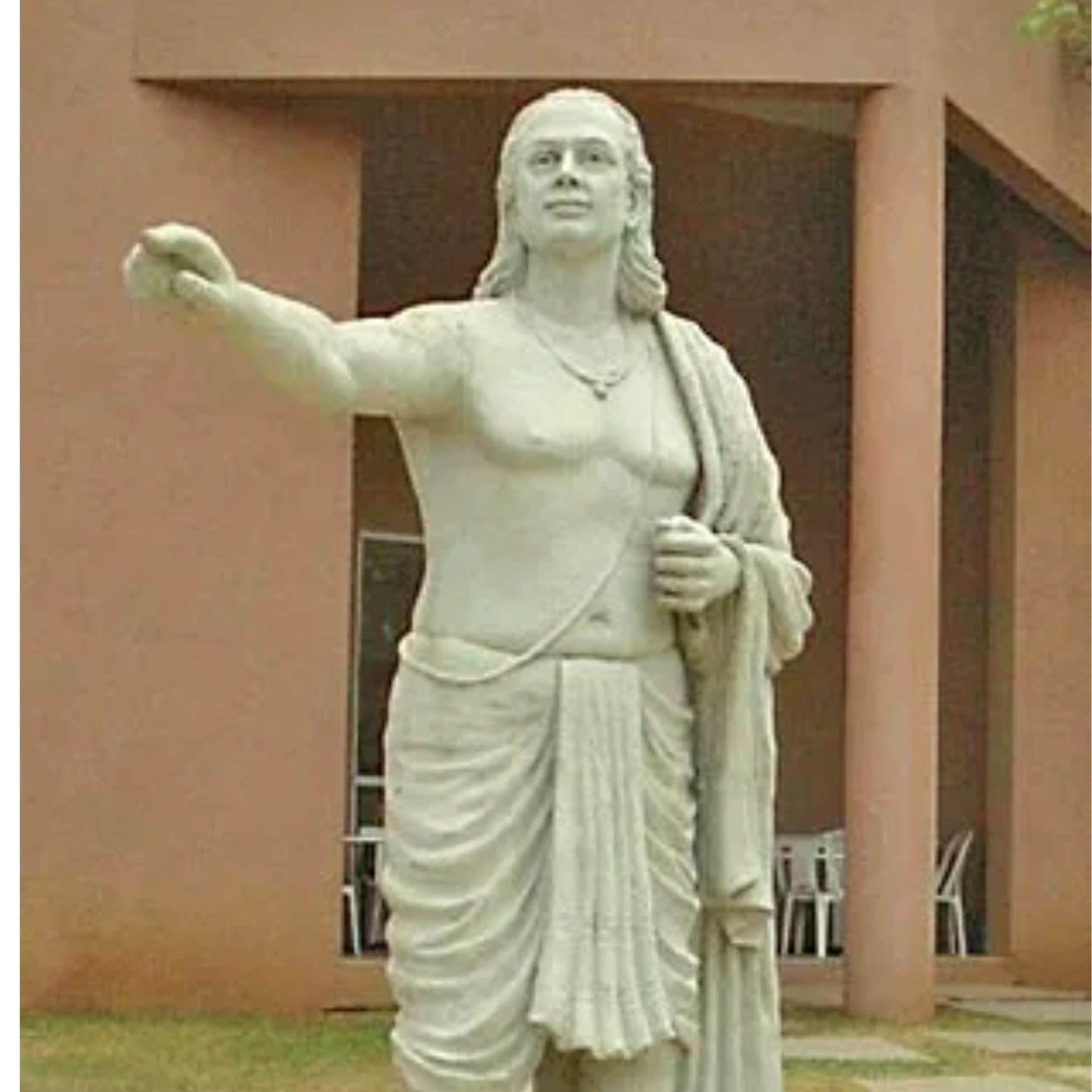
Maulana Abul Kalam Azad

Maulana Abul Kalam Azad was a guiding light for India’s freedom struggle. His vision for a united and progressive India continues to inspire generations.

Introduction

Maulana Abul Kalam Azad was a prominent leader in India’s fight for independence. He was not only a freedom fighter but also an educationist and a visionary. His contributions to Indian politics and education have left a lasting impact on the nation. Azad is best known for his role as a senior leader of the Indian National Congress and as India’s first Minister of Education post-independence. His commitment to communal harmony and education made him a beloved figure in India’s history.
Quick Summary

  • Full Name: Maulana Abul Kalam Azad
  • Born: November 11, 1888, in Mecca, Saudi Arabia
  • Profession: Politician, Educationist, Freedom Fighter
  • Known As: Maulana Azad
  • Career Span: Early 20th century to 1958
  • Key Contributions:
    • Key leader in the Indian independence movement
    • First Minister of Education in independent India
    • Instrumental in the establishment of the Indian Institutes of Technology (IITs)
    • Promoted modern education and literacy across India
    • Author of several influential books and essays
    • Advocated for Hindu-Muslim unity during a time of division
    • Played a crucial role in the Khilafat Movement
  • Quote: “The man who has gotten everything he wants is all in favor of peace and order.”

Early Life & Background

Maulana Abul Kalam Azad was born into a well-respected family in Mecca, Saudi Arabia. His father, a prominent scholar, and his mother, a strong-willed woman, greatly influenced his early years. When he was just a young child, his family moved to Calcutta (now Kolkata), India, where they settled. Growing up in an environment rich in education and culture, Azad developed a keen interest in literature and philosophy from a young age.

As a child, Azad was curious and eager to learn. He attended various local schools but was mostly educated at home due to his father’s rigorous educational standards. His early influences included the great scholars and thinkers of his time, which shaped his views on nationalism and education. Even as a child, he showed signs of leadership and was often involved in discussions about societal issues.

His passion for learning was evident, and he often spent hours reading books in libraries. Azad was particularly influenced by the works of poets and philosophers, which ignited his desire to contribute to society. This intellectual environment laid the foundation for his future endeavors as a leader and educationist.

How It All Started

Azad’s journey into the world of politics and education began at a young age. His early involvement in local politics was inspired by the rising nationalist sentiments in India. He was deeply affected by the British colonial rule and the injustices faced by his fellow countrymen. His understanding of these issues grew as he listened to the stories of struggle and resistance from those around him.

In his teenage years, Azad began to write for local newspapers. He expressed his views on the need for a united front against British rule. His writing not only showcased his eloquence but also highlighted his deep understanding of the socio-political issues of the time. This early exposure to journalism played a crucial role in shaping his political ideology.

One of the most significant moments in Azad’s early political career was his involvement in the Khilafat Movement in 1919. This movement aimed to protect the rights of Muslims in India and the Ottoman Empire after World War I. Azad, alongside Mahatma Gandhi and other leaders, rallied for Hindu-Muslim unity, believing that together they could stand against colonial rule. This moment marked a turning point in his life, guiding him towards a more active role in the freedom struggle.

As Azad gained recognition for his writings and activism, he became a key figure in the Indian National Congress. His speeches inspired many young Indians to join the fight for independence. Azad’s ability to connect with the masses was profound; he communicated the vision of a free and united India with passion and clarity.

Despite facing challenges, including arrests and imprisonment, Azad remained steadfast in his beliefs. He often met with other leaders to strategize and spread awareness about the freedom movement. His early struggles did not deter him; instead, they fueled his determination. Azad was known for his resilience and his ability to bring people together, fostering a spirit of unity.

As he continued to work tirelessly for the cause of independence, Azad also focused on education. He understood that for India to truly be free, its people needed to be educated. He started promoting modern education, believing that knowledge was the key to empowerment. His commitment to education became one of the cornerstones of his legacy.

Azad’s journey was not without its sacrifices. He faced personal losses, political opposition, and social challenges. However, these experiences only strengthened his resolve. His early recognition as a leader in the freedom movement set the stage for his later achievements as one of India’s foremost thinkers and policymakers.

By the time India gained independence in 1947, Azad had established himself as a prominent leader. His early experiences in politics and education laid the foundation for his contributions to the nation as the first Minister of Education, where he focused on building an inclusive educational system that would cater to all.

Career Journey

Early Career

Maulana Abul Kalam Azad began his career as a journalist and an educator. In the early 1900s, he founded the weekly newspaper, Al-Hilal, in 1912. This newspaper became a platform for discussing issues related to Indian society and politics. Azad used his writings to promote the ideals of freedom and self-governance. He was particularly concerned about the plight of Muslims in India and sought to uplift their status through education.

His early writings emphasized the importance of unity among different communities. He believed that communal harmony was essential for India’s progress. However, his strong views on nationalism and anti-colonialism often put him at odds with the British authorities. As a result, he faced many challenges, including arrests and censorship of his works. Yet, these challenges only strengthened his resolve to fight for India’s freedom.

Breakthrough Phase

Azad’s significant breakthrough came when he joined the Indian National Congress in 1919. He quickly became involved in the freedom movement, which was gaining momentum after the Jallianwala Bagh massacre. In 1920, he played a vital role in the Non-Cooperation Movement led by Mahatma Gandhi. He urged people to boycott British goods and institutions, which enabled him to gather immense support from the masses.

His leadership skills shone during this period. He was elected as the President of the Indian National Congress in 1923, making him one of the youngest leaders to hold such a position. This role allowed him to influence key decisions and take a stand against the British Raj. One of the most notable moments during this phase was his speech at the Lahore Session in 1929, where he called for complete independence from British rule. His passionate oratory inspired countless Indians to join the freedom struggle.

Peak Career

The peak of Azad’s career came during the 1940s when India was on the brink of independence. He actively participated in the Quit India Movement of 1942, which was a call for immediate independence. Despite facing imprisonment, Azad’s resolve did not waver. He continued to strategize and plan for India’s future even from behind bars. His writings during this time reflected a deep understanding of political dynamics and a vision for a united India.

In 1947, upon India’s independence, Azad was appointed as the first Minister of Education. He had a clear vision for educational reforms. He believed that education was the foundation for a prosperous nation. During his tenure, he introduced several policies aimed at promoting scientific and technical education. He also laid the groundwork for institutions such as the Indian Institutes of Technology and the University Grants Commission. His dedication to education earned him immense respect among his peers and the public.

Later Career

After serving as the Minister of Education, Azad continued to play a crucial role in Indian politics. He was a prominent member of the Indian National Congress and remained active in shaping educational policies. His focus on unity between Hindus and Muslims remained unwavering. He believed that only through cooperation could India thrive as a nation. He worked tirelessly to bridge communal divides, an effort that was particularly important during the tumultuous years following partition.

Even in his later years, Azad was involved in various educational and cultural initiatives. He traveled extensively, advocating for educational reforms and the promotion of science and technology. His work left a lasting impact on the educational landscape of India. Maulana Abul Kalam Azad passed away on February 22, 1958, but his legacy as a leader, educator, and visionary continues to inspire future generations.

Major Achievements

  • Founded the weekly newspaper Al-Hilal in 1912, promoting education and nationalism.
  • Played a key role in the Non-Cooperation Movement (1920) and the Quit India Movement (1942).
  • Served as the President of the Indian National Congress in 1923.
  • Appointed as India’s first Minister of Education post-independence in 1947.
  • Contributed to the establishment of major educational institutions, including the IITs and UGC.
  • Authored several influential books, including India Wins Freedom, which provides insight into the freedom struggle.

What Makes Them Special

Maulana Abul Kalam Azad was special for several reasons. His immense knowledge and eloquence made him a powerful orator and writer. He had a unique ability to connect with people from all walks of life. His vision for a united India was ahead of his time, emphasizing communal harmony and cooperation. Azad’s leadership style was inclusive and compassionate, often bringing together diverse groups under a common cause. His commitment to education set him apart, as he believed that empowering individuals through knowledge was key to national progress.

Challenges & Struggles

Azad faced numerous challenges throughout his career. His outspoken views often led to conflicts with British authorities. He was imprisoned several times, enduring harsh conditions for his beliefs. Additionally, the partition of India in 1947 was a significant blow to him, as it contradicted his vision of a united country. Despite these struggles, Azad remained resilient. He used his experiences to strengthen his resolve and continued advocating for peace and unity. His ability to rise above personal and political challenges showcased his dedication to the nation and its people.

Legacy & Impact

Maulana Abul Kalam Azad is remembered as one of the most influential leaders in India’s struggle for independence. His contributions to education and journalism played a crucial role in shaping modern India. Azad was instrumental in promoting the idea of communal harmony and unity among diverse communities. He emphasized the importance of education, particularly for Muslims, aiming to uplift their status in society. Azad’s vision influenced future generations of leaders, educators, and activists who continued his work for social justice and equality, including figures like Jawaharlal Nehru and Mahatma Gandhi.

Personal Life

Born on November 11, 1888, in Mecca, Maulana Abul Kalam Azad belonged to a family of scholars. He was married to Zainab, and they had a daughter. He enjoyed reading and writing throughout his life. Azad was also known for his love of poetry and music. He lived a modest life, dedicated to his ideals and the freedom movement.

Interesting Facts

  • Azad was an accomplished scholar who spoke multiple languages, including Arabic, Persian, and Urdu.
  • He was a prominent figure in the Khilafat Movement, advocating for the rights of Muslims in India.
  • Azad served as India’s first Minister of Education after independence, shaping the country’s educational policy.
  • The central university in India, Maulana Azad National University, is named in his honor.
  • He was posthumously awarded the Bharat Ratna, India’s highest civilian award, in 1992.
  • Azad’s writings continue to inspire scholars and leaders, highlighting the importance of education and social justice.

Frequently Asked Questions

Who is Maulana Abul Kalam Azad?

Maulana Abul Kalam Azad was an Indian independence leader, educator, and journalist known for his role in the freedom struggle.

Why is Maulana Abul Kalam Azad famous?

He is famous for his contributions to education and his leadership in the Indian National Congress during the independence movement.

What are their achievements?

Azad was a key figure in promoting education, communal harmony, and served as India’s first Minister of Education.

What is their background?

Born in Mecca, he came from a scholarly family and became a prominent leader in India’s fight against British colonial rule.

What was Azad’s role in the freedom movement?

He played a vital role in several movements, including the Non-Cooperation Movement and the Khilafat Movement.

How did Azad influence future leaders?

His ideas on education and social justice have inspired many leaders and activists in India’s ongoing struggle for equality.

Conclusion

Maulana Abul Kalam Azad’s life story reflects his unwavering commitment to India’s freedom and the upliftment of marginalized communities. His achievements in education and journalism paved the way for a more inclusive society. Azad’s legacy continues to inspire countless individuals who strive for justice, equality, and unity in diversity. He remains a symbol of hope for a brighter future, reminding us of the power of knowledge and the importance of standing up for one’s beliefs.

Mangal Pandey Biography

In a small village in India, a spark ignited a revolution that would change the course of history. Mangal Pandey’s courage and defiance inspired many to rise against injustice, leaving a lasting legacy of bravery.

Introduction

Mangal Pandey was an Indian soldier who played a crucial role in the early stages of the Indian Rebellion of 1857. He is remembered as a symbol of resistance against British rule in India. His actions on March 29, 1857, ignited a widespread uprising, marking a significant moment in India’s struggle for freedom. His bravery continues to inspire generations, making him an important figure in Indian history.

Quick Summary

  • Full Name: Mangal Pandey
  • Born: 1827, Nagwa, India
  • Profession: Soldier
  • Known As: Freedom Fighter
  • Career Span: Mid-19th Century
  • Key Contributions:
    • Initiated the Sepoy Mutiny against British rule in India.
    • Symbolized the struggle for Indian independence.
    • His actions inspired many to join the fight against oppression.
    • Remembered for his bravery and sacrifice.
    • His story is a significant part of Indian history education.
  • Quote: “I will die for my country.”

Early Life & Background

Mangal Pandey was born in 1827 in a small village called Nagwa in India. He came from a humble background, and his father was a farmer. Growing up in a village, Pandey was surrounded by the simple beauty of rural life. His childhood was marked by the values of bravery and loyalty that he learned from his family. They instilled in him a sense of pride in his heritage and country.

As a young boy, Mangal was curious and spirited. He often played with other children, reenacting the stories of brave warriors from Indian history. This deep interest in heroism began to shape his character. He attended a local school where he learned basic reading and writing, showing a keen interest in stories of valor and freedom.

During his early years, the British were expanding their control over India, and this event unfolded in front of his eyes. The injustices faced by his people left a strong impression on him. He often listened to elders discuss the sad state of their country, which stirred his emotions. These experiences would later fuel his determination to fight against British oppression.

How It All Started

Mangal Pandey’s journey towards becoming a freedom fighter began when he joined the British East India Company as a soldier. He was assigned to the 34th Bengal Native Infantry, and this was a significant turning point in his life. Here, he witnessed the harsh treatment of his fellow soldiers and the growing resentment against British rule. It was during this time that he started to develop a deeper understanding of the political climate in India.

As he settled into military life, Mangal became increasingly aware of the changes imposed by the British. The introduction of the new Enfield rifle in 1856, which required soldiers to bite off the cartridge that was rumored to be greased with cow and pig fat, was the final straw for him. This disrespect towards Indian culture ignited his anger and determination. He felt that the British were trying to humiliate and control every aspect of Indian life.

On the fateful day of March 29, 1857, Mangal Pandey took a stand. When he refused to use the cartridges and confronted his British officers, a dramatic scene unfolded. His defiance was not just about the cartridges; it symbolized the broader struggle against British oppression. He rallied his fellow soldiers, urging them to join him in resistance. This moment was crucial, as it sparked a wave of rebellion across India.

After this incident, Mangal was arrested, but his actions had already inspired many. Other soldiers began to rise against the British, leading to the first major rebellion in Indian history. Even though he faced severe consequences, Mangal’s bravery turned him into a symbol of resistance, and his story became a source of inspiration for future generations.

His journey was not without challenges. He faced threats from the British and was aware that his actions might lead to his demise. Yet, he stood firm in his beliefs. He had a small group of friends and fellow soldiers who supported him, and together they discussed the need for change. This camaraderie fueled their courage and determination to fight for their rights.

The rebellion that Mangal Pandey ignited was not just a military uprising; it was a cry for freedom and dignity. His courage transformed him from a simple soldier into a revolutionary figure, and his story continues to resonate with the spirit of resistance against oppression. Mangal Pandey may have faced execution, but he became immortalized in the hearts of those who aspire to fight for justice and freedom.

Career Journey

Early Career

Mangal Pandey began his career as a soldier in the British East India Company’s army. He joined the 34th Bengal Native Infantry in 1849. At that time, the army was a mix of Indian sepoys and British officers. Mangal was a sepoy, meaning a soldier of Indian origin. His early life as a soldier was marked by strict discipline and military training. He learned the ways of warfare, but he also witnessed the growing discontent among the sepoys because of the British policies.

During his early days in the army, Mangal was known for his strong sense of honor and duty. He was proud to serve his country, yet he felt the pain of his fellow soldiers who faced discrimination and were treated poorly by their British commanders. This sense of injustice started to stir feelings of resistance in him. He saw how the British imposed their rules and disrespected Indian traditions, which only fueled his determination to stand up for his fellow soldiers.

Breakthrough Phase

The turning point for Mangal Pandey came in early 1857. The British introduced new rifles called the Enfield rifles. To load these rifles, soldiers had to bite off the ends of the cartridges, which were rumored to be greased with animal fat, including beef and pork. For many Hindu and Muslim sepoys, this was deeply offensive and against their religious beliefs. Mangal was one of the first to voice his anger against this practice. He felt a wave of frustration building among the sepoys, including himself, leading to a sense of unity against British authority.

On March 29, 1857, during a parade at the Barrackpore military station, Mangal Pandey’s anger boiled over. He confronted his British officers, refusing to load his rifle. His defiance was an act of bravery but also an act of rebellion. He shouted against British rule and incited his fellow soldiers to join him. In that moment, he became a symbol of resistance. His actions sparked a series of protests among the sepoys, leading to widespread unrest in the army.

Peak Career

After his act of defiance, Mangal Pandey was arrested. His court-martial was a significant event. He stood firm against the charges, maintaining that he was fighting for the rights of his fellow soldiers. His bravery inspired others. The news of his rebellion spread like wildfire among the sepoys and the general population. This moment is often regarded as the beginning of the Indian Rebellion of 1857.

The uprising grew rapidly. Soldiers across different regiments joined the fight. The rebellion was no longer just about the Enfield rifles; it transformed into a larger fight against British rule. Mangal’s name became synonymous with courage and resistance. However, the British responded with brutal force, suppressing the rebels and restoring order. The uprising was eventually quelled, but the spirit of resistance had been ignited. Mangal Pandey was executed on April 8, 1857, for his role in the rebellion. His sacrifice fueled the fire of independence that would blaze on for decades.

Later Career

While Mangal Pandey did not live long enough to see the full impact of his actions, the seeds he planted during his brief military career blossomed into a larger movement. His courage inspired many leaders of the Indian independence struggle, such as Bhagat Singh and Subhas Chandra Bose. His legacy grew as independence leaders cited him as a martyr, one who fought bravely against oppression.

The stories of his defiance and bravery became part of the national consciousness. Schools and universities began teaching about him as a hero of the Indian independence movement. Statues and memorials were erected in his honor. His life story was told through literature and films, ensuring that future generations would remember his fight against British rule.

Mangal Pandey may have been just a soldier, but his actions resonated deeply. He became a symbol not just of military resistance but of the struggle for dignity and justice. His life story is a reminder of the power one individual can have in inspiring a nation.

Major Achievements

  • Key figure in the Indian Rebellion of 1857, inspiring soldiers across the country.
  • Remembered as a martyr for his bravery and defiance against British rule.
  • Symbol of resistance in Indian history, influencing future generations of freedom fighters.
  • Honored with memorials and statues across India, celebrating his contribution to the freedom struggle.
  • His story has been depicted in various films, books, and academic studies, ensuring his legacy endures.

What Makes Them Special

Mangal Pandey was not just a soldier; he was a man of great conviction. His willingness to stand up against injustice made him stand out among his peers. He had a strong sense of duty and honor, which drove him to fight for the rights of his fellow sepoys. His actions showed immense bravery, which is respected and celebrated in India today.

He had a natural ability to inspire those around him. His leadership qualities were evident even before the rebellion. He united his fellow soldiers against a common enemy, showcasing his skill in rallying people for a cause. His personality was marked by determination and resilience. Mangal’s spirit of defiance against a powerful empire resonates with those who seek justice and equality even today.

Challenges & Struggles

Despite his bravery, Mangal Pandey faced many challenges. His defiance against British rule led to his arrest and execution. The British authorities were ruthless in their response to rebellion, and many of his fellow soldiers faced severe punishment as well. Mangal did not get the chance to see the fruits of his labor, as he was executed at a young age of 29.

His actions were met with mixed reactions. While many hailed him as a hero, there were also individuals who criticized the rebellion and his role in it. The British portrayed him as a traitor. However, despite the challenges, he remained steadfast in his beliefs. His courage became a rallying cry for those who followed, showing that even in the face of adversity, one can inspire change and hope.

Mangal Pandey’s story is not just one of personal courage; it reflects the struggles of an entire nation seeking freedom. His life and sacrifice are a reminder of the hardships faced in the pursuit of justice and dignity.

Legacy & Impact

Mangal Pandey is remembered as a hero in India’s struggle for independence. His act of rebellion against British rule in 1857 sparked the larger movement known as the Indian Rebellion. This uprising laid the groundwork for future freedom fighters, inspiring leaders like Mahatma Gandhi and Jawaharlal Nehru. Mangal’s bravery highlighted the injustices faced by Indian soldiers, fostering a sense of unity among Indians against British oppression. His legacy lives on in Indian history as a symbol of resistance and courage.

Personal Life

Mangal Pandey was born in a small village in present-day Uttar Pradesh, India. He came from a family of soldiers and had a deep sense of pride in his heritage. Not much is known about his personal life, but it is clear that his commitment to his fellow soldiers shaped his character. His strong sense of justice drove him throughout his life.

Interesting Facts

  • Mangal Pandey was born on July 19, 1827.
  • He was known for his exceptional bravery and leadership skills.
  • His actions on March 29, 1857, marked the beginning of the Sepoy Mutiny.
  • Mangal was executed by the British on April 8, 1857.
  • He is often celebrated as a national hero in Indian history.
  • His story has been depicted in several films and books, highlighting his impact.
  • He is remembered every year on Martyrs’ Day in India.

Frequently Asked Questions

Who is Mangal Pandey?

Mangal Pandey was a sepoy in the British East India Company’s army who played a key role in the 1857 rebellion against British rule in India.

Why is Mangal Pandey famous?

He is famous for his act of rebellion, which ignited the Indian Rebellion of 1857, marking a significant moment in India’s fight for independence.

What are their achievements?

Mangal Pandey’s main achievement was inspiring a large-scale uprising against British colonial rule, influencing future generations of freedom fighters.

What is their background?

Mangal Pandey was born into a soldier’s family in Uttar Pradesh and joined the British army, where he witnessed injustices faced by Indian soldiers.

What did Mangal Pandey do during the rebellion?

During the rebellion, he refused to use the new Enfield rifles, leading to a violent confrontation that motivated others to join the fight against the British.

When was Mangal Pandey executed?

Mangal Pandey was executed on April 8, 1857, for his role in the rebellion against British rule.

How is Mangal Pandey remembered today?

He is remembered as a martyr and a symbol of resistance against oppression, with various memorials and events held in his honor.

Conclusion

Mangal Pandey’s life story is one of courage and resistance. His actions in 1857 were pivotal in igniting a nationwide movement against British colonialism. Mangal’s legacy continues to inspire countless individuals in India and beyond. He remains a symbol of bravery and the enduring fight for justice and freedom. As we reflect on his journey, it reminds us of the importance of standing up for what is right, even in the face of great adversity.

Udham Singh Biography

In the heart of India’s struggle for freedom, one man emerged as a symbol of courage and sacrifice. Udham Singh’s quest for justice was fueled by a personal tragedy that ignited a flame of rebellion against British oppression.

Introduction

Udham Singh was a notable figure in India’s fight for independence. He is best known for his bold act of assassinating Michael O’Dwyer, the former Lieutenant Governor of Punjab, in 1940. Singh’s actions were driven by the tragic events of the Jallianwala Bagh massacre, where many innocent lives were lost. His story is one of resilience, deep emotional scars, and unwavering resolve against colonial rule.

Quick Summary

  • Full Name: Udham Singh
  • Born: February 26, 1899, in Sunam, Punjab, India
  • Profession: Revolutionary, Assassin
  • Known As: Shaheed Udham Singh
  • Career Span: 1920s to 1940
  • Key Contributions:
    • Assassination of Michael O’Dwyer as an act of vengeance for the Jallianwala Bagh massacre
    • Symbol of resistance against British rule in India
    • Inspiration for future generations of freedom fighters
    • Testimony of the atrocities faced by Indians under colonial rule
    • Martyrdom that ignited national pride and awareness
    • Promoted the idea of justice through self-sacrifice
    • His trial showcased the harsh realities of colonial justice
  • Quote: “I want my revenge to be remembered.” – Udham Singh

Early Life & Background

Udham Singh was born into a Sikh family in Sunam, a small town in Punjab. His parents, Mehta Raghubir Singh and Ram Kaur, struggled to provide for their family. Udham was the youngest of the couple’s three children. Despite the challenges, his early years were filled with laughter and simple joys, but the shadow of hardship loomed large. Tragedy struck when he lost his father at a young age, leaving a profound impact on his family.

Growing up in a turbulent time, Udham’s childhood was marked by the prevailing political unrest. The influence of freedom fighters and the stories of bravery stirred something deep inside him. He was known to be quiet and introspective, often lost in thoughts about justice and freedom. These early experiences and the harsh realities of life under British rule shaped his spirit and left him yearning for change.

His education began in local schools, where he showed a keen interest in history and literature. However, due to financial difficulties, he could not continue his studies for long. Instead, he took on various jobs, including working at a local bakery and later, a travel agency. The stories he heard from travelers about the oppression faced by Indians fueled his growing desire to fight back. During this time, he discovered his love for reading, especially books about freedom and resistance.

How It All Started

Udham Singh’s journey into revolutionary activities began when he moved to Amritsar. The city was buzzing with political activity. The year was 1919, and the British had just repressed the Indian populace with an iron fist. Singh witnessed the horrible Jallianwala Bagh massacre, where British troops killed hundreds of peaceful protesters. This event shattered his world and solidified his resolve to take action. The horrifying images of bloodshed and violence haunted him, igniting a fierce anger against the British Raj.

Determined to seek justice for the lives lost during the massacre, Udham Singh’s path was illuminated by his desire for revenge. He dedicated himself to the cause of freedom and began meeting with like-minded individuals. Singh connected with revolutionaries who shared his vision, and he was deeply inspired by the stories of other freedom fighters, including Bhagat Singh. The tales of courage and self-sacrifice resonated with him and pushed him to become more involved in the independence movement.

As he delved deeper into revolutionary thought, Singh’s activities intensified. He began attending secret meetings where plans for uprisings were discussed. These gatherings were potent sources of inspiration and camaraderie, fueling his passion for the cause. His determination grew stronger each day, and he started training himself in various forms of combat, preparing himself for the day he would confront his oppressors.

In 1920, Singh made a bold decision to travel to the United States. He believed that understanding freedom struggles in other parts of the world would strengthen his fight against British rule. During his time there, he learned about different movements, deepening his commitment to his cause. He met other Indian expatriates who were equally passionate about India’s independence, and these conversations further ignited his revolutionary spirit.

After returning to India, Singh resumed his activities with renewed determination. He began plotting his assassination of Michael O’Dwyer. Singh viewed O’Dwyer as a key figure responsible for the oppression in Punjab, especially after the Jallianwala Bagh massacre. He spent months preparing, studying the routines and habits of his target. This period was challenging, filled with anxiety and uncertainty. Singh had to navigate the complexities of secrecy while ensuring he would not be caught before executing his plan.

The day finally arrived. On March 13, 1940, Udham Singh attended a meeting at the Central Criminal Court in London, where O’Dwyer was speaking. His heart raced, but he felt a sense of purpose. As he stood there, he felt the weight of every life lost in the massacre on his shoulders. In that moment, he knew that his actions would either lead to his martyrdom or ignite a spark of hope for millions of Indians. With unwavering resolve, he drew his revolver and fired, marking a pivotal moment in his life and the history of India’s struggle for freedom.

Career Journey

Early Career

Udham Singh’s journey toward becoming a historical figure began in the years following the Jallianwala Bagh massacre. Born in 1899 in Sunam, Punjab, Singh faced significant challenges early in life. After the tragic event on April 13, 1919, which saw British troops open fire on a peaceful gathering, Singh’s life transformed forever. He was deeply affected by the loss of innocent lives, including his own friends and family members. This event planted the seeds for his future actions.

Singh’s early life was marked by poverty and hardship. Following the death of his father, he was sent to live in an orphanage in Amritsar. This environment shaped his perspectives on justice and authority. He later moved to the United States in 1919, where he worked various jobs, including as a laborer in a textile factory. This period was crucial for Singh as he became acquainted with the broader struggles against colonialism, particularly in India.

In America, Singh participated in several movements advocating for Indian independence. He attended rallies and met with influential leaders who were fighting against British rule. The fire of rebellion was kindled in him; he absorbed the ideals of freedom and justice. His experiences abroad fueled a desire to return to India and fight against colonial oppression. This phase was significant, as it laid the foundation for Singh’s transformation from a common man into a revolutionary.

Breakthrough Phase

Upon returning to India in 1924, Singh was filled with determination. He began to immerse himself in the Indian independence movement. His deep-rooted anger towards British rule intensified after witnessing the social injustices that plagued his homeland. Singh’s breakthrough came when he decided to take direct action against those he held responsible for the atrocities faced by his people.

On March 13, 1940, Singh executed a meticulously planned assassination of Michael O’Dwyer, the former Lieutenant Governor of Punjab. O’Dwyer was seen as the architect of British repression in India, especially following the events of Jallianwala Bagh. Singh entered the Caxton Hall in London, where a meeting was taking place, and fired two shots at O’Dwyer, killing him instantly. This act was not only a personal vendetta but also a statement against the oppressive British regime.

Singh was immediately arrested and later expressed no regret for his actions. During his trial, Singh used the platform to voice his beliefs and the grievances of his people. He believed that his actions were justified as a response to the violence inflicted upon India. This period marked his emergence as a symbol of resistance against colonial rule and earned him a place in the annals of Indian history as a fearless freedom fighter.

Peak Career

Singh’s trial became a significant event, attracting immense media attention. He utilized this moment to advocate for India’s independence and the rights of its people. His defense in court was not just about his actions but a critique of the British colonial regime. Singh’s passionate speeches echoed the sentiments of millions of Indians who suffered under British rule.

During this time, Singh’s life was under constant scrutiny. He became a source of inspiration for many who were engaged in the independence movement. His courage resonated deeply with the Indian populace. The trial concluded with Singh receiving a death sentence, which he accepted with dignity. He understood that his sacrifice might ignite the spirit of rebellion among his fellow countrymen.

As Singh faced his execution on July 31, 1940, his legacy began to solidify. His martyrdom inspired generations of Indians to continue the struggle for freedom. His unwavering conviction became a rallying point for many, and he was celebrated as a hero in the fight against colonial oppression. This peak of Singh’s career was not just about his actions but the profound impact they had on the Indian independence movement.

Later Career

Though Singh did not have a prolonged career in the conventional sense due to his execution, his influence continued long after his death. Many freedom fighters and leaders drew inspiration from Singh’s bravery. His story of sacrifice became a part of the larger narrative of India’s struggle for independence.

In the years following his execution, Singh became a symbol of resistance. His life and actions were celebrated in literature, songs, and films. Schools and institutions were named after him to honor his legacy. Singh’s image as a martyr was solidified, and he was frequently referenced in discussions about courage and sacrifice in the face of tyranny.

Government initiatives and organizations began to recognize Singh’s contribution to India’s freedom. His name became synonymous with the fight against injustice and oppression. In this way, even after his death, Udham Singh remained a potent symbol of the struggle for freedom, inspiring countless others to fight for justice and equality.

Major Achievements

  • Assassinated Michael O’Dwyer, showcasing defiance against British colonial rule.
  • Used his trial as a platform to advocate for Indian independence.
  • Honored as a martyr in India, inspiring future generations in the freedom struggle.
  • His life and actions have been depicted in various films, books, and songs, ensuring his legacy continues.
  • Institutions and organizations named after him, celebrating his contribution to India’s history.

What Makes Them Special

Udham Singh’s unique blend of bravery and conviction sets him apart as a historical figure. His unwavering determination to seek justice for those who suffered under British rule is remarkable. Singh’s ability to transform personal tragedy into a larger fight for freedom showcases his profound sense of purpose.

His strategic thinking was evident in how he planned the assassination of O’Dwyer. Singh was not just an impulsive individual; he carefully considered the implications of his actions. His speeches during the trial demonstrated his exceptional communication skills and his ability to articulate the sentiments of his people. Singh’s charisma attracted many followers who found hope and inspiration in his story.

Moreover, Singh’s refusal to express regret for his actions highlights his strong principles. He believed in the righteousness of his cause and stood firm in his beliefs, even in the face of death. This resolute attitude has made him a lasting symbol of resistance against oppression, revered not only in India but around the world.

Challenges & Struggles

Udham Singh faced numerous challenges throughout his life. His early years were filled with hardship, as poverty and the loss of family members shaped his outlook. The journey from an orphan to a revolutionary was fraught with difficulties. Living in a foreign country, Singh had to navigate cultural differences and economic struggles while cultivating his political beliefs.

His bold decision to assassinate O’Dwyer was met with both support and criticism. While many hailed him as a hero, others condemned his actions as violent and reckless. Singh faced the ultimate challenge when he was sentenced to death. Yet, instead of showing fear or remorse, he embraced his fate, believing that his sacrifice would inspire others to continue the fight for freedom.

Singh understood the weight of his actions and the impact they would have on the independence movement. His willingness to face execution for his beliefs speaks to his strength of character. Even in death, he faced his challenges with courage, ensuring that his legacy would live on, inspiring countless others to stand up against injustice.

Legacy & Impact

Udham Singh is remembered as a brave freedom fighter who took a stand against British colonial rule in India. His act of assassinating Michael O’Dwyer in 1940 was a significant event in India’s struggle for independence. Singh’s actions highlighted the impact of the Jallianwala Bagh massacre, inspiring many to join the fight for freedom. His courage and determination have influenced generations of activists in India, encouraging them to seek justice and uphold the values of freedom and equality. Singh’s legacy continues to inspire various movements for justice, reminding people of the power of individual action against oppression.

Personal Life

Udham Singh was born into a Sikh family in Punjab. He experienced a difficult childhood after losing his father and living in an orphanage. Singh remained unmarried throughout his life, dedicating himself entirely to the cause of Indian independence. He was known for his simple lifestyle and deep commitment to justice.

Interesting Facts

  • Udham Singh was deeply affected by the Jallianwala Bagh massacre, which motivated his lifelong commitment to Indian independence.
  • He spent time in the United States, where he became involved in movements advocating for India’s freedom.
  • Singh was arrested shortly after his assassination of O’Dwyer and faced trial in India.
  • He was executed in 1940, but his legacy has lived on as a symbol of resistance against colonial rule.
  • Singh was fluent in multiple languages, including Punjabi, Hindi, and English.
  • His dedication to the cause of independence is celebrated in various memorials across India.
  • In 1961, a statue of Udham Singh was erected in London, honoring his fight against injustice.

Frequently Asked Questions

Who is Udham Singh?

Udham Singh was an Indian freedom fighter known for assassinating the British official Michael O’Dwyer in 1940.

Why is Udham Singh famous?

He is famous for his courageous act against British colonial rule, which was a response to the Jallianwala Bagh massacre.

What are his achievements?

Singh is recognized for his commitment to Indian independence and his impactful protest against oppression.

What is his background?

Udham Singh was born in Punjab and faced significant hardships, including losing his family and growing up in an orphanage.

How did Udham Singh influence others?

His actions inspired many in India to fight for freedom, serving as a symbol of resistance against colonialism.

What happened to Udham Singh?

He was captured after his assassination of O’Dwyer, tried, and executed in 1940 for his actions.

Where can I learn more about Udham Singh?

There are many books, articles, and documentaries that detail his life and contributions to the Indian independence movement.

Conclusion

Udham Singh’s life story is a testament to the power of individual action in the fight against oppression. His bravery and commitment to justice continue to inspire people around the world. Singh’s legacy remains a cornerstone in India’s history of independence, reminding us all of the importance of standing up for what is right. As we remember his journey, we are encouraged to carry forward his spirit of resilience and fight for justice in our own lives.

Lala Lajpat Rai Biography

In the struggle for India’s independence, few names shine as brightly as Lala Lajpat Rai. His fearless spirit and unwavering commitment to justice inspired countless individuals to join the fight against British rule.

Introduction

Lala Lajpat Rai was a prominent Indian freedom fighter and leader in the struggle for independence from British colonial rule. Known as the “Lion of Punjab,” he played a crucial role in mobilizing people against oppression and advocating for civil rights. His dedication to his country and his passion for justice left a lasting legacy that continues to inspire generations.

Quick Summary

  • Full Name: Lala Lajpat Rai
  • Born: January 28, 1865, in Dhudike, Punjab
  • Profession: Politician, Freedom Fighter, Social Reformer
  • Known As: Lion of Punjab
  • Career Span: 1900s to 1920s
  • Key Contributions:
    • Leader of the Indian National Congress
    • Co-founded the Punjab National Bank
    • Advocated for the rights of the oppressed and marginalized
    • Organized protests against British policies
    • Fought for education and social reforms
    • Instrumental in the formation of the All-India Trade Union Congress
    • Promoted the Swadeshi movement
  • Quote: “I declare that I am not a politician, but a true patriot.”

Early Life & Background

Lala Lajpat Rai was born in a small village called Dhudike in Punjab. He came from a humble family; his father was a school teacher, and his mother was a housewife. Growing up in a family that valued education, Lajpat was encouraged to pursue his studies. His early environment laid the foundation for his love of learning and social justice.

As a child, Lajpat was curious and spirited. He showed signs of leadership and determination early on. He attended the local school, where he excelled in subjects like mathematics and literature. His teachers noticed his potential and encouraged him to aim high. The social issues around him, including the plight of farmers and workers under British rule, ignited a passion for social reform in young Lajpat.

His early education continued as he moved to Lahore to attend Government College. It was here that he began to immerse himself in the ideas of nationalism and social justice. Influenced by thinkers like Swami Vivekananda and Rabindranath Tagore, Lajpat’s personality began to shape into that of a leader ready to take a stand against injustice.

During his college years, he became deeply involved in social activities. He joined various student organizations and participated in debates and discussions that focused on India’s future. His experiences in Lahore were pivotal in molding his understanding of the political landscape of India and the need for change.

How It All Started

Lala Lajpat Rai’s political journey began with a sense of urgency and responsibility towards his fellow countrymen. His awakening came during his college years, where he witnessed the stark realities of British oppression. The more he learned, the more he felt compelled to act. His first major involvement was with the Indian National Congress, where he attended his first session in 1888. This was a defining moment, as he realized the power of collective action.

Rai’s inspiration came from the struggles of people around him. He saw farmers losing their lands and workers facing harsh conditions. These injustices ignited a fire in him to fight for their rights. His early steps included organizing a student movement against the oppressive policies of the British, which caught the attention of many young minds.

To strengthen his resolve, Lajpat sought out mentors who shared his vision. One significant figure was Bal Gangadhar Tilak, who became a guiding force in Lajpat’s life. Under Tilak’s influence, Lajpat learned about radical nationalism and became more involved in activism. He mobilized students and youth, encouraging them to join the cause and stand against British rule.

Despite his growing popularity, Lajpat faced many struggles. The British authorities were not pleased with his activities. He was arrested multiple times for organizing protests and speaking against injustices. However, these challenges only fueled his determination. Each setback made him more resolute in his mission. He continued to hold rallies, often facing police brutality, but he never wavered in his commitment.

One of his early successes was the organization of the Swadeshi movement in Punjab. He encouraged people to boycott British goods and support local products, which resonated deeply with the public. The movement gained momentum, and soon, Lajpat became a household name, known for his fiery speeches and unwavering spirit.

His breakthrough came during the protests against the Simon Commission in 1928. This commission did not include any Indian members, which angered many. Lajpat led a peaceful protest in Lahore, demanding representation for Indians. Tragically, he was injured during the protests due to police violence and succumbed to his injuries later. However, his death sparked outrage across the country, and he became a martyr in the fight for independence.

Lala Lajpat Rai’s journey was not just about politics; it was about a deep connection with the people and a relentless pursuit of justice. His early experiences defined him as a leader, and his impactful actions continue to inspire many even today.

Career Journey

Early Career

Lala Lajpat Rai began his career as a lawyer in 1886 after obtaining his law degree from the Lahore Government College. He initially practiced law in the Punjab High Court, where he quickly gained a reputation for his strong arguments and commitment to justice. However, the experiences of injustice faced by his countrymen deeply affected him. As he witnessed the exploitation and oppression under British rule, he knew he had to do more than just practice law. He became involved in the Indian National Congress and started advocating for civil rights and social reform.

Rai’s early efforts were marked by his participation in various social and political movements. He was a member of the Punjab branch of the Indian National Congress, where he worked alongside many other leaders who sought to address the injustices faced by Indians. His ability to organize protests and articulate the concerns of the masses earned him respect within the community. In 1907, he was part of a significant movement against the British government’s decision to introduce the repressive ‘Rowlatt Act.’ His fiery speeches and public rallies drew large crowds, marking the beginning of his transition from a legal career to becoming a prominent political figure.

Breakthrough Phase

Rai’s transition to a full-time freedom fighter began in the early 1900s when he took part in the ‘Swadeshi Movement’ aimed at boycotting British goods. In 1905, when the British government’s decision to partition Bengal was met with widespread anger, Rai’s voice was one of the loudest in advocating for unity among Indians. He stressed the need for self-reliance and encouraged people to use products made in India rather than British imports. This phase established him as a leader who could mobilize the masses effectively.

A pivotal moment came in 1919 when Lala Lajpat Rai led a protest against the Rowlatt Act in Lahore. This act gave the British government the authority to arrest individuals without trial, sparking outrage across the country. During the protests, Rai was brutally injured by the police under the orders of Superintendent James A. Scott. His injuries were severe, leading to immense public outcry. Rai’s resilience in the face of violence galvanized support for the independence movement and further cemented his status as a leading figure in the struggle against British rule.

Peak Career

As the 1920s approached, Lala Lajpat Rai’s influence continued to rise. His leadership was instrumental in bringing together various factions within the Indian independence movement. He was a strong proponent of the ‘Non-Cooperation Movement’ initiated by Mahatma Gandhi in 1920. Rai urged Indians to withdraw from British institutions and to reject British-made goods. His ability to inspire and unite people was evident as he organized rallies, strikes, and various forms of protests throughout Punjab and beyond.

In 1928, Rai attended the All-India Congress session in Calcutta, where he actively participated in the discussions about the future of India. His dedication and vision made him a respected elder statesman among the younger leaders. However, the same year would bring tragedy. Rai, along with other leaders, protested against the Simon Commission, which did not include any Indian members. During this protest, he was again attacked by police, leading to his eventual death on November 17, 1928. His final moments were filled with courage and resolve, as he famously declared, “Every blow to me is a blow to the movement.” His legacy continued to inspire countless others even after his passing.

Later Career

Following Rai’s tragic death, his contributions were celebrated and his ideals continued to influence the fight for independence. His writings and speeches remained a source of inspiration for future leaders like Bhagat Singh, who considered him a martyr in the struggle for freedom. Rai’s political ideologies evolved as he forged alliances with various groups, including the Socialist Party, and he advocated for social justice and economic reforms.

In the years after his death, many commemorative events were held in his honor, highlighting his role in the independence movement. The Lala Lajpat Rai Memorial was established in Punjab, ensuring that future generations would remember his contributions. His life’s work laid the groundwork for the eventual success of the Indian independence movement, serving as a powerful reminder of the fight against oppression and injustice.

Major Achievements

  • Key figure in the Indian National Congress and a leader in the Swadeshi Movement.
  • Prominent voice against the Rowlatt Act and police brutality in 1919.
  • Leader of the Non-Cooperation Movement in Punjab, promoting the boycott of British goods.
  • Instrumental in mobilizing masses through speeches and protests, encouraging unity among Indians.
  • His legacy continues to inspire numerous freedom fighters and leaders in India.

What Makes Them Special

Lala Lajpat Rai possessed a unique blend of skills that made him an effective leader. His public speaking ability was remarkable; he could captivate large crowds and inspire them to take action. Rai was also a strategic thinker, able to assess the political landscape and navigate the complexities of various factions within the independence movement. His commitment to social justice and civil rights set him apart, as he fought not only for political freedom but also for the rights of marginalized communities.

Rai’s personality was marked by courage and determination. He faced numerous challenges, including physical attacks and imprisonment, yet he never wavered in his commitment to the cause. His strong sense of justice and empathy for the suffering of others made him relatable to the common people. Rai’s leadership qualities shone through his ability to unite diverse groups, advocate for the oppressed, and push for meaningful change.

Challenges & Struggles

Throughout his career, Lala Lajpat Rai faced numerous challenges. He encountered harsh criticism from British authorities and was often targeted for his activism. His protests against British rule led to multiple arrests, and he was a victim of police brutality during the Rowlatt Act protests. These experiences were physically and emotionally taxing, yet they only strengthened his resolve.

Rai also dealt with the internal conflicts within the Indian National Congress and other political organizations. Balancing differing ideologies and strategies could be frustrating, but he managed to find common ground to unite them for the greater good. His ability to rise above personal and political challenges demonstrated his resilience and unwavering commitment to India’s freedom. Rai’s struggles are a testament to his character, showcasing how he transformed adversity into a powerful force for change.

Legacy & Impact

Lala Lajpat Rai is remembered as a brave leader in India’s fight for freedom. His strong opposition to British rule inspired many. He played a significant role in the Indian National Congress and was a key figure in various movements against colonial policies. His efforts in advocating for civil rights and social reform made a lasting impact on India.

Rai’s legacy influenced many future leaders, including Mahatma Gandhi and Jawaharlal Nehru. His commitment to justice and equality set a standard for subsequent generations. Rai’s work in education and social upliftment also inspired various organizations dedicated to social causes.

Personal Life

Lala Lajpat Rai was born on January 28, 1865, in Punjab. He came from a family that valued education. He married and had children, but he often focused on his political work. Rai loved reading and was deeply interested in the welfare of his country.

Interesting Facts

  • Lala Lajpat Rai was known as ‘Lion of Punjab’ due to his fearless spirit.
  • He was a prominent member of the Arya Samaj, promoting social reform.
  • Rai authored several books on politics and social issues.
  • He played a vital role in the Non-Cooperation Movement led by Gandhi.
  • Rai was injured during a protest against the Simon Commission in 1928, leading to his death later.
  • He helped establish the Punjab National Bank in 1894.
  • His work laid the foundation for future movements against colonial rule.

Frequently Asked Questions

Who is Lala Lajpat Rai?

Lala Lajpat Rai was an influential leader in India’s independence movement, known for his strong stance against British rule.

Why is Lala Lajpat Rai famous?

He is famous for his leadership in civil rights, social reform, and his role in the Indian National Congress.

What are his achievements?

His achievements include significant contributions to the freedom struggle, founding institutions, and advocating for social justice.

What is his background?

He was born in Punjab, educated in law, and became involved in politics early in his career.

What impact did he have on future generations?

His dedication to justice influenced many leaders and activists who followed him in India’s quest for independence.

What movements was he part of?

He was part of the Non-Cooperation Movement, the Indian National Congress, and led protests against oppressive laws like the Rowlatt Act.

Where did he work during his career?

He began his career as a lawyer in Punjab and later became a prominent political figure in the Indian National Congress.

Conclusion

Lala Lajpat Rai’s journey from a lawyer to a prominent leader in India’s freedom struggle highlights his unwavering commitment to justice and equality. His contributions to social reform and civil rights have left a lasting imprint on Indian society. Rai’s life story inspires many, reminding us of the importance of standing up against injustice and fighting for a better future.

Bal Gangadhar Tilak Biography

Bal Gangadhar Tilak stood as a beacon of hope and courage during a time of great struggle in India. His relentless fight for freedom inspired countless others, leaving a legacy that still resonates today.

Introduction

Bal Gangadhar Tilak was a prominent leader and freedom fighter in India’s struggle for independence against British rule. He is often called the “Father of the Indian National Movement.” Tilak was not only a politician but also a journalist and social reformer. His fiery speeches and writings stirred the hearts of many Indians, urging them to rise against oppression and fight for their rights. He is remembered for his powerful ideology of “Swaraj” or self-rule, which laid the foundation for the future leaders of the independence movement.

Quick Summary

  • Full Name: Bal Gangadhar Tilak
  • Born: July 23, 1856, in Ratnagiri, Maharashtra
  • Profession: Politician, Freedom Fighter, Social Reformer, Journalist
  • Known As: “Father of the Indian National Movement”
  • Career Span: Late 19th century to early 20th century
  • Key Contributions:
    • Promoted the idea of self-rule (Swaraj) for India.
    • Launched the “Home Rule Movement” in 1916.
    • Founded the newspaper “Kesari” to promote nationalist ideas.
    • Advocated for social reform and education for all.
    • Famous for the slogan “Swaraj is my birthright.”
    • Participated in the Indian National Congress and shaped its direction.
    • Supported the cause of the Indian masses against colonial rule.
  • Quote: “Swaraj is my birthright and I shall have it.”

Early Life & Background

Bal Gangadhar Tilak was born in a small town called Ratnagiri, located in the western state of Maharashtra. His father, Gangadhar Tilak, was a school teacher and also a respected figure in the community. His mother, although less active in public life, had a profound influence on his upbringing. Growing up in a family that valued education and culture, Tilak was exposed to various ideas and philosophies from a young age.

As a child, Tilak was known for his curiosity and a strong sense of justice. He often questioned the rules and restrictions placed upon him and others around him. This early questioning spirit would later become a hallmark of his approach to politics and social issues. He attended school in Ratnagiri, where he excelled in his studies. His early education laid the groundwork for his later achievements. His teachers recognized his potential, often encouraging him to participate in debates and discussions—activities that honed his oratory skills.

Tilak was influenced by the social reform movements of his time. He read extensively about Indian history, culture, and the struggles against foreign rule. These readings ignited a fire within him—a desire to understand and change the condition of his people. The environment in which he grew up, filled with discussions of nationalism and cultural revival, played a crucial role in shaping his ideologies. The teachings of great leaders like Swami Vivekananda also inspired him, urging him to think beyond personal ambitions towards the upliftment of the nation.

How It All Started

Tilak’s journey into the world of activism began in his college days. After completing his schooling, he enrolled at Fergusson College in Pune. It was during this time that he started feeling the need for a stronger voice against British rule. He met many like-minded individuals who shared his views on nationalism and social reform. Together, they formed the “Deccan Education Society,” which aimed to promote education among Indians, particularly focusing on a curriculum that celebrated Indian culture and history.

In 1881, he faced his first major challenge when he started writing for the newspaper “Kesari.” His articles boldly criticized British policies and called for a united Indian front against colonialism. Through his writing, Tilak inspired many young Indians to join the fight for their rights. However, this also drew the ire of the British authorities, who viewed him as a threat. He was imprisoned for his writings several times, yet each time he emerged more determined to fight for his cause.

One significant moment that solidified his role as a leader was the launch of the “Home Rule Movement” in 1916. This was a pivotal step towards self-rule in India. Tilak traveled across the country, holding meetings and rallies, urging people to unite for this cause. His passionate speeches and ability to connect with the masses made him a beloved figure. He often recounted stories of India’s glorious past to inspire hope and pride among his fellow countrymen.

Despite facing numerous challenges, including arrests and opposition from both British officials and moderate leaders within the Indian National Congress, Tilak never wavered in his commitment to the cause. He faced hardships with courage—spending years in prison and enduring harsh conditions, yet he remained focused on his mission. His unwavering spirit and determination to achieve independence made him an iconic figure in Indian history.

Through his early struggles, Tilak garnered recognition not just as a politician but as a visionary who wanted to empower the Indian people. His efforts laid the foundation for future leaders and movements that would eventually lead India to independence. The story of Bal Gangadhar Tilak is not just about a man; it is about a movement, a legacy, and the relentless pursuit of freedom.

Career Journey

Early Career

Bal Gangadhar Tilak’s journey began in the late 19th century, a period marked by severe discontent against British rule in India. After completing his education in law from the University of Bombay, Tilak took on a role as a teacher. He soon became a prominent figure in social circles. In 1880, he launched his first newspaper, Kesari, in Marathi. This platform allowed him to express his views on the oppressive British policies and advocate for self-rule. Through his writings, he aimed to awaken the national consciousness of the Indian people.

His early career was not without challenges. The colonial government was quick to respond to his bold messages. In 1897, Tilak was arrested for his anti-British writings following the assassination of a British officer. Despite this setback, he remained undeterred. His time in prison only strengthened his resolve and made him a symbol of resistance. He utilized this period to strategize and gather support for the freedom movement, which would soon become crucial in his later endeavors.

Breakthrough Phase

In the early 1900s, Tilak’s influence grew significantly as he joined the Indian National Congress. He became a leader of the Extremists faction, advocating for more radical approaches to achieving independence. The year 1905 marked a significant turning point with the partition of Bengal, which was seen as an attempt to divide and rule by the British. Tilak’s passionate speeches ignited protests across the country. His slogan, “Swaraj is my birthright and I shall have it,” resonated deeply with the masses.

In 1907, Tilak was again imprisoned, this time for his incitement during the anti-partition protests. His arrest, however, did not silence his voice. Instead, he used his time in jail to further his thoughts on self-rule and mobilize national sentiments. It was during this period that he started to emphasize the importance of cultural pride and unity among Indians. He organized public festivals, such as the Ganesh Chaturthi and Shivaji Jayanti, which not only celebrated Indian culture but also served as platforms for political mobilization.

Peak Career

The years leading to the First World War were crucial for Tilak. His time spent in India and abroad shaped his vision of a free India. In 1916, he played a pivotal role in the Lucknow Pact, a collaboration between the Indian National Congress and the All India Muslim League. This was a significant moment in Indian politics as it united different factions against British rule.

During the war, Tilak advocated for Indian support in exchange for self-governance. His famous saying, “The British are our friends, but they are also our rulers,” highlighted his strategy of using diplomacy and negotiation to achieve independence. However, this approach faced criticism from more radical factions who wanted immediate independence. Despite this, Tilak’s political acumen and ability to navigate complex dynamics positioned him as a key leader in the freedom struggle.

In 1918, Tilak’s health began to decline, but he continued to work tirelessly. He established the Home Rule League, which aimed to educate Indians about self-governance and encourage participation in the national movement. His influence was evident in the growing national consciousness among Indians, particularly the youth, who were inspired by his courage and determination.

Later Career

In the 1920s, Tilak’s health continued to deteriorate, affecting his active participation in politics. However, he remained a revered figure within the Indian National Congress. He passed away on August 1, 1920, but his legacy lived on. His ideology and strategies influenced future leaders like Mahatma Gandhi and Jawaharlal Nehru. Gandhi referred to Tilak as the ‘maker of modern India’ and acknowledged his role in shaping the freedom movement. After his passing, the nation mourned a great leader who had paved the way for many to follow in the fight for independence.

Tilak’s life was characterized by a relentless pursuit of justice and equality. His emphasis on cultural pride and self-rule resonated across generations, making him a symbol of resistance against colonial oppression. His contributions laid the groundwork for India’s eventual independence in 1947, proving that the seeds of freedom he planted would sprout into a flourishing movement.

Major Achievements

  • Founded the newspaper Kesari in 1880, which became a powerful voice for Indian nationalism.
  • Instrumental in the formation of the Home Rule League in 1916, advocating for self-governance.
  • Played a crucial role in the Lucknow Pact of 1916, fostering unity between Hindus and Muslims.
  • Popularized the slogan “Swaraj is my birthright and I shall have it,” inspiring countless Indians.
  • Stood as a leader of the Extremists in the Indian National Congress, pushing for radical change.
  • Organized cultural events, such as Ganesh Chaturthi, linking nationalism with Indian cultural pride.
  • His writings and speeches contributed to a significant rise in national consciousness among Indians.

What Makes Them Special

Bal Gangadhar Tilak was more than a politician; he was a visionary thinker. His ability to connect with the masses through simple yet powerful language made him a beloved leader. He had a unique skill in mobilizing people through cultural events, which brought communities together under the cause of independence. His strong belief in self-rule and education empowered many to join the freedom struggle.

Tilak’s personality was marked by resilience and courage. He faced numerous challenges, including imprisonments and criticism, yet he remained steadfast in his mission. His leadership style was characterized by a blend of diplomacy and fervor, allowing him to navigate the complex political landscape of his time. His ability to inspire others, particularly the youth, helped cultivate a generation devoted to the ideals of freedom and justice.

Challenges & Struggles

Throughout his career, Tilak encountered significant challenges. His outspoken nature led to multiple arrests. The British authorities were keen to silence him, viewing him as a threat to their rule. During his imprisonment, he faced harsh conditions, yet he utilized this time to reflect and strategize for the movement’s future.

Despite his efforts, he faced criticism from rival factions within the Indian National Congress who disagreed with his approach. This sometimes led to internal conflicts that hindered the movement’s unity. However, Tilak’s ability to maintain focus on the larger goal of independence kept him resilient. His struggles only solidified his role as a martyr for the cause, motivating future leaders to continue the fight for freedom.

Legacy & Impact

Bal Gangadhar Tilak is remembered as a key figure in India’s struggle for independence. His call for self-rule inspired many, helping to ignite a nationalistic spirit among Indians. He promoted the idea of ‘Swaraj’ or self-governance, which became a rallying cry for future leaders like Mahatma Gandhi and Jawaharlal Nehru. Tilak’s dedication to education and social reform also influenced numerous organizations focused on upliftment and empowerment. His legacy continues to inspire movements for justice and equality across the country.

Personal Life

Tilak was born on July 23, 1856, into a Brahmin family in Ratnagiri, Maharashtra. He was married to Satyabhama Tilak, and they had two children. Despite his busy career, he valued family life and was known for his strong principles. He enjoyed classical music and literature, which influenced his writings and speeches.

Interesting Facts

  • Tilak was an avid scholar of Sanskrit and wrote extensively on Indian philosophy.
  • He was one of the first leaders to emphasize the importance of festivals, like Ganesh Chaturthi, for promoting unity among Indians.
  • Tilak was nicknamed “Lokmanya,” meaning “accepted by the people as their leader.”
  • He played a significant role in the formation of the Home Rule League in 1916.
  • Tilak was known for his fiery speeches, which rallied thousands to the cause of independence.
  • He famously stated, “Swaraj is my birthright, and I shall have it!”

Frequently Asked Questions

Who is Bal Gangadhar Tilak?

Bal Gangadhar Tilak was a prominent Indian nationalist leader and freedom fighter known for his role in the struggle against British colonial rule.

Why is Bal Gangadhar Tilak famous?

He is famous for advocating for self-rule in India and inspiring future leaders through his writings and speeches.

What are his achievements?

Tilak founded the newspaper Kesari, promoted education, and established the Home Rule League, playing a crucial role in the independence movement.

What is his background?

Tilak was born in Maharashtra, India, and was educated in law at the University of Bombay. He began his career as a teacher before becoming a political leader.

What was Tilak’s philosophy?

His philosophy centered on the idea of Swaraj, or self-governance, and the empowerment of the Indian people through education and active participation in politics.

How did Tilak influence future generations?

His ideas on nationalism and self-rule inspired many leaders in the Indian independence movement, shaping the future of India.

Conclusion

Bal Gangadhar Tilak’s life story is a testament to courage and determination. His unwavering commitment to India’s freedom and his powerful ideas about self-governance have left a lasting impact on the nation. As one of the early architects of the Indian independence movement, Tilak’s legacy continues to inspire generations to strive for justice and equality. His journey reminds us of the power of conviction and the importance of standing up for one’s rights.

Bhagat Singh Biography – The Fearless Revolutionary Who Ignited a Nation

Bhagat Singh’s courage, intellect, and sacrifice made him a symbol of India’s youthful revolution.

Quick Summary

Born: 28 September 1907
Known As: Shaheed Bhagat Singh
Role: Revolutionary Freedom Fighter
Major Acts: Lahore Conspiracy Case, Assembly Bombing (1929)
Martyrdom: Executed at age 23 (1931)

Early Life and Childhood

Bhagat Singh was born in 1907 in the quiet village of Banga, in Punjab. His family carried the proud legacy of fighting against British rule. Stories of heroes and martyrs filled his childhood, planting seeds of patriotism in his young heart. The turning point came in 1919 when he was only 12 years old: the tragic Jallianwala Bagh massacre. Witnessing the brutal killing of innocent protesters left an indelible mark on him. This painful sight was not just an event; it was the moment that shaped his lifelong determination to break free from colonial chains.

Educated first at Dayanand Anglo-Vedic High School, Bhagat Singh later joined National College in Lahore. This school, founded by the great nationalist Lala Lajpat Rai, was a place where nationalist ideals flourished. These halls nurtured Bhagat Singh’s growing commitment to India’s freedom. Even as a young man, Singh made a personal sacrifice by rejecting an arranged marriage. He chose instead to dedicate his whole life to India’s independence, showing how deeply he prioritized the nation’s cause over personal happiness.

Journey in Pictures

Bhagat Singh Birthplace

1907

Birthplace of a Revolutionary

Bhagat Singh Biography Portrait

Late 1920s

The Iconic Revolutionary Portrait

Bhagat Singh rare pictures

1928–1931

Rare Glimpses of a Martyr

Career Journey

Bhagat Singh’s path to becoming a legendary freedom fighter was marked by steady learning, courage, and bold actions. Joining various youth organizations allowed him to develop leadership skills and to inspire others. His vision was not just freedom from the British but a better, fairer society. This led him to join the Hindustan Socialist Republican Association (HSRA), where he and like-minded comrades worked to build a movement centered on social justice as well as political independence.

One of the most talked-about events in his life was the killing of police officer Saunders in December 1928. This was done as a form of protest against the death of Lala Lajpat Rai, who was severely injured by police during a protest and later died. Although Saunders was mistakenly targeted, the act was intended to send a strong message to the British government: the revolution was coming, and it would not be silenced.

In April 1929, Bhagat Singh, along with Batukeshwar Dutt, threw non-lethal bombs in the Central Legislative Assembly in Delhi. This was not an act of terrorism but a carefully planned protest meant to awaken the public to the urgent need for freedom. The bombing was intended to cause no casualties but to arouse political unrest and public debate. After their arrest, Bhagat Singh’s hunger strike in prison became a powerful symbol of resistance, highlighting the rights of political prisoners and exposing colonial injustice to the world.

The Impact

Three major milestones define Bhagat Singh’s monumental impact on India’s freedom struggle. First, the 1929 Assembly bombing gained international attention. It spread awareness of India’s fight for independence beyond its borders and inspired millions of Indian youth to join the nationalist movement. The courage to act boldly and publicly demonstrated the passion and seriousness of young Indians in demanding freedom.

Second, Bhagat Singh’s ideological leadership transformed the HSRA. He infused it with socialist ideas, extending the freedom struggle beyond political independence to include social and economic equality. This broadened the movement’s appeal and laid the foundation for future political developments in India, where justice and equality became integral parts of the nation’s vision.

Third, his hunger strike in jail drew significant public sympathy and highlighted the harsh conditions political prisoners faced. This act of self-sacrifice captivated the nation and international observers alike. Finally, his martyrdom on March 23, 1931, at the age of 23, sparked huge protests across India. Millions mourned his death and took courage from his unwavering spirit, cementing his legacy as Shaheed Bhagat Singh, a hero whose ideas continue to influence India’s path toward justice and freedom.

The Glory

Bhagat Singh did not receive any formal awards during his lifetime, as he died young and before India achieved independence. Yet, there is a continuing and powerful public demand for the Bharat Ratna, India’s highest civilian honor, to be bestowed upon him posthumously as recognition of his unparalleled dedication and sacrifice.

His true honors, however, reside in the memories of millions. Statues and memorials stand all over India, and his name is invoked as a symbol of courage, resistance, and patriotism. Schools, colleges, and public places bear his name, reminding every generation of the price paid for freedom and the sacrifices made by our forebears.

The Present

Though Bhagat Singh passed away in 1931, his legacy is kept alive through ongoing commemorations and cultural tributes. Every year on his birth and martyrdom anniversaries, ceremonies honor his life and ideals. Across India, new statues continue to be unveiled in his memory. Institutions and places named after him serve as centers of learning and nationalism, inspiring young Indians to dream of a just and free society.

In 2024 and beyond, Bhagat Singh’s spirit remains a guiding light for those committed to India’s progress and justice.

Legacy

Bhagat Singh believed deeply in revolutionary idealism, socialism, and justice. His famous slogan, “Inquilab Zindabad” (Long live the revolution), captured his vision of a free and fair India. He was an atheist who valued rational thought and believed that ideas must be stronger than violence. One of his most powerful quotes remains, “They may kill me, but they cannot kill my ideas,” which continues to inspire youth to stand firm for what is right.

Through his life and sacrifice, Bhagat Singh challenged Indian youth to use education for independent thinking and to unite courageously against oppression. He taught that true freedom comes not just from independence from foreign rule, but through building a society based on justice and equality for all. His philosophy remains a beacon for India’s future.

Conclusion

Bhagat Singh’s life is a testament to bravery, sacrifice, and unwavering commitment to freedom. From a young boy deeply moved by injustice to a national hero whose ideals shaped the course of India’s independence movement, his journey embodies the true spirit of revolution and patriotism. The story of Shaheed Bhagat Singh is not just history; it is a call to every Indian to remember, honor, and carry forward the fight for justice. His legacy endures in every heart that beats for a free and fair India.

FAQ's

For his bold acts against British rule and his ideological writings.

He was martyred at just 23.

Saunders assassination and Assembly bombing.

Socialism and complete independence.

It marks the martyrdom of Bhagat Singh, Rajguru, and Sukhdev.

Aryabhata Biography – The Genius Who Gave Zero to the World

Aryabhata revolutionized mathematics and astronomy, laying the foundation for modern science.

Quick Summary

Full Name: Aryabhata
Born: 476 CE, Kusumapura (modern-day Bihar, India)
Died: 550 CE (approx.)
Profession: Mathematician, Astronomer
Known As: “Father of Indian Mathematics”
Career Span: 5th – 6th century CE
Key Contributions:

  • Authored Aryabhatiya, a seminal text on mathematics and astronomy.

  • Introduced the concept of zero and place value system.

  • Calculated the value of π (pi) accurately.

  • Proposed the Earth’s rotation and heliocentric ideas centuries before Galileo.

Quote:
“Knowledge is that which liberates.” — Aryabhata

Introduction

Aryabhata (476–550 CE) was one of the greatest mathematicians and astronomers of ancient India. His pioneering contributions transformed the scientific understanding of mathematics and astronomy during the classical age. At a time when Europe was still in the early medieval period, Aryabhata was calculating the value of pi, proposing that the Earth rotates on its axis, and accurately describing eclipses. His ideas went far beyond his time and laid the foundation for centuries of advancements in both Indian and global science.

Early Life and Education

Aryabhata was born in 476 CE, most likely in Kusumapura (modern-day Patna, Bihar), which was a hub of learning under the Gupta Empire, known as India’s golden age. Although detailed records of his personal life are scarce, scholars believe that Aryabhata pursued his studies at the renowned Nalanda University, a global center of knowledge.

From a young age, Aryabhata displayed an extraordinary ability in mathematics and observation of celestial bodies. His education combined Sanskrit scholarship, mathematical training, and astronomical studies, giving him a holistic foundation to pursue original discoveries.

Aryabhata’s Major Works

The most important text attributed to Aryabhata is the “Aryabhatiya”, written in 499 CE when he was just 23 years old. This masterpiece is a compact yet profound collection of 121 verses divided into four sections:

  1. Gitikapada – Large numbers and astronomical constants.
  2. Ganitapada – Arithmetic, algebra, geometry, and trigonometry.
  3. Kalakriyapada – Methods of calculating time and planetary periods.
  4. Golapada – The spherical astronomy, eclipses, and Earth’s rotation.

The Aryabhatiya is considered one of the earliest surviving texts that systematically presents advanced mathematical and astronomical knowledge.

Contributions to Mathematics

Aryabhata’s contributions to mathematics were groundbreaking and influenced Indian and later Islamic and European mathematics.

  • Place Value System and Zero: Although the exact invention of zero is debated, Aryabhata’s works clearly demonstrate the use of the place value system, paving the way for the decimal system widely used today.
  • Trigonometry: Aryabhata introduced sine functions (jya) and their relationships. His work laid the foundation for trigonometry as used in modern mathematics.
  • Quadratic Equations: He solved quadratic equations and provided methods for solving linear and indeterminate equations.
  • Geometry: Aryabhata calculated the area of a triangle, circle, and sphere with remarkable accuracy, anticipating formulas that remain standard.
  • Value of Pi (π): Aryabhata provided an approximation of pi as 3.1416, which was astonishingly close to the modern value (3.14159). He explained that pi was an irrational number, centuries before it was formally recognized.

Contributions to Astronomy

Aryabhata revolutionized astronomy with his forward-thinking ideas:

  • Earth’s Rotation: Aryabhata was among the first to declare that the Earth rotates on its axis, explaining the apparent daily movement of stars. This was revolutionary in a world that largely believed the Earth was stationary.
  • Heliocentric Concepts: Though not fully heliocentric like Copernicus, Aryabhata hinted at the motion of planets relative to the sun.
  • Eclipses: Aryabhata explained solar and lunar eclipses scientifically, rejecting the myth of celestial demons. He described how eclipses occur due to the shadow of the Earth or Moon.
  • Planetary Positions: He gave methods to calculate planetary positions with astonishing accuracy for his era.
  • Length of the Year: Aryabhata calculated the length of a solar year as 365.358 days, which is remarkably close to today’s accepted value of 365.256 days.

The Aryabhatiya: His Magnum Opus

The Aryabhatiya became a cornerstone text for Indian mathematicians and astronomers for centuries. Scholars like Brahmagupta, Bhaskara I, and later Islamic mathematicians studied and expanded upon Aryabhata’s principles. Translations of his work into Arabic during the Abbasid Caliphate introduced Aryabhata’s genius to the Islamic world and eventually to Europe.

The Aryabhatiya’s compact style, with its poetic Sanskrit verses, ensured that it could be memorized and transmitted across generations.

Aryabhata and the Value of Pi

Aryabhata’s most celebrated mathematical contribution was his calculation of pi (π). His approximation π = 3.1416 was far ahead of his time. He also emphasized that pi is irrational, meaning it cannot be expressed as a finite fraction—a concept modern mathematics confirmed much later.

His calculation was not just theoretical but had practical applications in astronomy, geometry, and architecture.

Earth’s Rotation and Solar System Theories

Aryabhata boldly stated that the Earth rotates on its axis, causing the apparent rising and setting of the sun. This insight, almost a thousand years before Galileo and Copernicus, demonstrates his visionary thinking.

He also discussed the geocentric model with rotating Earth, bridging traditional beliefs with advanced observation. His theories significantly shaped Indian astronomy and inspired later debates worldwide.

Aryabhata’s Legacy and Global Influence

Aryabhata’s influence extended far beyond India:

  • In India: His work shaped generations of Indian scholars and formed the basis of medieval Indian mathematics.
  • In the Islamic World: His texts were translated into Arabic during the 8th–9th centuries, influencing scholars like Al-Khwarizmi and Al-Biruni.
  • In Europe: Aryabhata indirectly contributed to the Renaissance scientific revolution through preserved Islamic translations.

Modern tributes include:

  • The first Indian satellite launched in 1975 was named Aryabhata.
  • Numerous research centers, schools, and awards bear his name.

Recognition in Modern India

Aryabhata remains a symbol of India’s scientific heritage. His portrait is often displayed in science institutions, and his discoveries are celebrated in school curricula. The Indian government continues to honor his contributions through stamps, space missions, and educational initiatives.

Conclusion

Aryabhata was not just a mathematician or astronomer—he was a visionary who thought beyond his era. His theories on the Earth’s rotation, eclipses, pi, and planetary motion reveal a scientific mind centuries ahead of the rest of the world.

By combining mathematics, astronomy, and logic, Aryabhata left behind a legacy that still resonates in modern science and space exploration. His life and works remind us that India’s intellectual heritage is rich with pioneers who shaped the course of human knowledge.

FAQ's

For pioneering mathematics and astronomy, including the concept of zero.

Aryabhatiya.