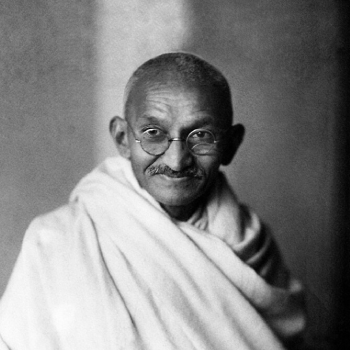
Annie Besant Biography

Annie Besant

Annie Besant’s life was a remarkable journey of courage and transformation. From humble beginnings, she became a powerful voice for social justice, women’s rights, and Indian self-rule, leaving a lasting legacy that inspires many today.

Introduction

Annie Besant was a British social reformer, theosophist, and a prominent figure in the Indian independence movement. She is known for her unwavering commitment to education, women’s rights, and the spiritual upliftment of humanity. Besant’s life was marked by her passionate advocacy for social change and her dedication to the cause of India’s independence, making her a significant figure in both British and Indian history.

Quick Summary

  • Full Name: Annie Besant
  • Born: October 1, 1847, in London, England
  • Profession: Social reformer, theosophist, political activist
  • Known As: One of the first female leaders in the Indian independence movement
  • Career Span: Late 19th century to early 20th century
  • Key Contributions:
    • Founded the Home Rule League in India
    • Advocated for women’s rights and education
    • Promoted the Theosophical Society
    • Supported the Indian National Congress
    • Wrote extensively on social issues and spirituality
    • Helped establish the Central Hindu College in Varanasi
  • “You cannot think of a world without women.” – Annie Besant

Early Life & Background

Annie Besant was born in a middle-class family in London. Her father, a sailor, died when she was just five years old. This left her mother to raise Annie and her siblings under challenging circumstances. Despite these early struggles, Annie showed great promise as a bright and curious child. She was known for her love of reading and her keen interest in learning about the world around her.

Annie received her education at a private school, where she excelled in her studies. However, her formal education was cut short when her mother faced financial difficulties. This experience fueled her desire to fight for the rights of women and children, especially those who were denied education. Growing up in a household that faced economic hardships, Annie developed a strong sense of empathy and a desire to uplift others.

How It All Started

Annie’s journey into activism began when she married a man named Frank Besant, but the marriage was troubled, leading to separation. This pivotal moment in her life ignited her passion for social reform. After the separation, Annie moved to India in search of a new purpose. The vibrant culture and the struggles of the Indian people deeply affected her, and she found herself drawn into the fight for India’s independence.

During her time in India, Annie became involved in many social issues, such as women’s education and labor rights. She met influential leaders like Bal Gangadhar Tilak, who inspired her to take a more active role in politics. Annie began writing articles and giving speeches advocating for the rights of Indians, urging them to seek self-rule. Her writings resonated with many, and she quickly became a prominent figure in the Indian independence movement.

As she learned about the Theosophical Society, which focused on spirituality and universal brotherhood, Annie found a new avenue to express her beliefs. She dedicated herself to spreading the teachings of theosophy, believing that spiritual growth and social reform were interconnected. This led her to establish various educational institutions, including the Central Hindu College in Varanasi, which aimed to provide quality education to Indian youth.

However, Annie faced many challenges along the way. Her outspoken views often drew criticism, and she encountered opposition from both British officials and some Indian leaders. Despite this, she remained undeterred, working tirelessly to unite people for a common cause. Annie’s early struggles strengthened her resolve, and she became known for her fiery speeches and writings that called for justice and equality.

With each passing year, Annie Besant’s influence grew. She became a respected leader in the Indian National Congress, where she advocated for political rights and self-governance. It was during this time that she started the Home Rule League, which aimed to mobilize Indians for self-rule. Her passionate activism and unyielding spirit made her a symbol of hope for many, and she continued to inspire generations to come.

Career Journey

Early Career

Annie Besant’s career began in England, where she initially found her calling as a teacher and social activist. In the 1870s, she became deeply involved in the education of women and children. She was determined to improve the lives of those around her. Besant joined the National Secular Society and started giving lectures on various social issues, including poverty and education. Her early work was a reflection of her strong belief in the power of knowledge and enlightenment.

In 1885, Besant published her first major work, “The Law of Population,” which addressed the pressing issues of overpopulation and its impact on society. This book marked the beginning of her journey as a writer and social commentator. Her ability to articulate complex ideas in a simple manner quickly gained her respect in progressive circles. She became known for her eloquent speeches and her ability to rally people around critical social issues.

Breakthrough Phase

In 1889, Annie Besant’s life took a significant turn when she joined the Theosophical Society. This organization was dedicated to the study of spiritual truths and the promotion of universal brotherhood. Besant became a fervent advocate for Theosophy, believing it offered answers to humanity’s deepest spiritual questions. Her involvement with the society allowed her to travel extensively, meeting influential thinkers and spiritual leaders across the globe.

Her most notable breakthrough came in 1893 when she attended the Parliament of the World’s Religions in Chicago. Besant delivered a powerful speech that caught the attention of many, emphasizing the need for spiritual unity among different religious traditions. This event solidified her position as a prominent figure in the Theosophical movement and opened doors for her to spread her message further.

During this time, Besant also took on the role of editor for the Theosophist magazine, where she shared her insights on spiritual and social issues. Her writings resonated with many, and she became a significant voice advocating for women’s rights and social reforms in India. This period marked her transformation from a local activist to an international figure, as her work began to gain recognition beyond England.

Peak Career

The peak of Annie Besant’s career came when she settled in India in 1893. It was here that she found her true calling. Besant was deeply moved by India’s struggle for independence and became a passionate advocate for self-rule. She joined the Indian National Congress and used her platform to galvanize support for the Indian independence movement. Her efforts helped bridge the gap between the British and Indian communities, and she emerged as a leader among both groups.

In 1916, Besant’s most ambitious project was launched: the Home Rule League. She campaigned vigorously for the demand of self-government for India. Her famous slogan, “Freedom is our birthright,” inspired countless Indians to join the fight for their rights. Besant organized rallies, speeches, and campaigns to spread awareness about the necessity of self-rule, drawing thousands to her cause.

One memorable moment of her peak career came in 1917 when she addressed a massive gathering in Lucknow. The atmosphere was electric, filled with anticipation and hope. As she spoke, thousands listened intently, stirred by her words and passion. This event was pivotal, as it showcased her ability to unite people from various backgrounds under a common goal — India’s independence.

Besant’s influence grew, and she became a key figure in Indian politics. She was elected President of the Indian National Congress in 1917, becoming one of the few women to hold such a prestigious position at the time. Her leadership was characterized by her inclusive approach, as she sought to bring together diverse voices in the struggle for independence.

Later Career

In the later years of her career, Annie Besant continued to advocate for education and social reforms in India. She founded the Central Hindu College in Varanasi in 1898, which aimed to educate young Indians in both Western and Indian philosophies. Her vision for education went beyond academics; she believed in nurturing character and moral values.

Despite facing political challenges during the 1920s, Besant remained steadfast. She continued to address issues affecting marginalized communities, always promoting equality and women’s rights. Her commitment to social justice never wavered. However, as she aged, health issues began to affect her ability to travel and speak as frequently as before.

In her final years, Besant focused on writing and lecturing about Theosophy and spirituality, sharing her insights on life’s deeper meanings. She passed away on September 20, 1933, in Adyar, India, leaving behind a rich legacy that continues to inspire future generations of activists and leaders. Her career was marked by a relentless pursuit of truth, justice, and spiritual understanding, making her a timeless figure in the history of social reform and Indian independence.

Major Achievements

  • Founded the Home Rule League in 1916, advocating for Indian self-rule.
  • Served as the President of the Indian National Congress in 1917, a significant leadership role in the independence movement.
  • Established the Central Hindu College in Varanasi in 1898, promoting education and character development.
  • Published numerous works on social reform, women’s rights, and Theosophy, including “The Law of Population.”
  • Delivered a landmark speech at the 1893 Parliament of the World’s Religions, advocating for spiritual unity.

What Makes Them Special

Annie Besant was known for her exceptional oratory skills. Her speeches were not just words; they were calls to action that inspired countless individuals to join the fight for justice. She possessed a unique ability to connect with people from various backgrounds, making her an effective leader in both British and Indian contexts. Her vision for education was also remarkable; she believed in holistic development, focusing on moral and character building alongside academics.

Her strong personality traits, such as resilience, compassion, and determination, made her stand out. Besant never backed down from her beliefs, often facing backlash for her outspoken views. She was a pioneer in advocating for women’s rights at a time when such discussions were rarely entertained. Her ability to combine spirituality with social activism made her a complex and inspiring figure, whose impact is still felt today.

Challenges & Struggles

Annie Besant faced numerous challenges throughout her career. Early on, she encountered criticism from conservative circles for her progressive views on women’s rights and education. Many dismissed her ideas, viewing them as too radical for the time. However, she remained undeterred, using criticism as motivation to work harder for change.

In India, she faced political opposition, particularly from British authorities who viewed her activities as a threat. In 1917, she was even arrested for her political activities, but this only fueled her resolve. Instead of retreating, she emerged from jail with renewed vigor, continuing her fight for India’s independence.

As she aged, health issues began to hinder her ability to lead and travel. Despite these struggles, Besant remained dedicated to her causes until the end of her life, demonstrating an unwavering commitment to justice and humanity. Her ability to overcome obstacles and continue her work in the face of adversity showcases her remarkable spirit and dedication.

Legacy & Impact

Annie Besant is remembered for her remarkable contributions to social reform and spirituality. Her advocacy for women’s rights and education changed many lives. In India, she played a major role in the independence movement, inspiring leaders like Mahatma Gandhi and Jawaharlal Nehru. Besant’s work with the Theosophical Society promoted spiritual awareness and unity among different cultures. Her ideas on social justice, education, and spirituality continue to influence modern movements and thinkers around the world.

Personal Life

Annie Besant was born in London in 1847. She married Frank Besant in 1867, but the marriage ended in separation. Besant had a strong interest in philosophy and social issues, which shaped her life’s work. She also enjoyed writing and lecturing, sharing her insights with many audiences. Later in life, she became a prominent figure in the Indian independence movement.

Interesting Facts

  • Besant was a founding member of the Indian National Congress.
  • She was an early advocate for birth control and women’s rights.
  • Annie Besant was a skilled orator and delivered numerous speeches worldwide.
  • She wrote over 300 books and pamphlets during her lifetime.
  • Besant was instrumental in the establishment of the Central Hindu College in Varanasi.
  • She was a prominent member of the Theosophical Society for many years.
  • Besant was a strong supporter of the Indian independence movement.

Frequently Asked Questions

Who is Annie Besant?

Annie Besant was a British social reformer, writer, and political activist known for her work in social justice, women’s rights, and spiritualism.

Why is Annie Besant famous?

She is famous for her significant contributions to education, women’s rights, and her role in the Indian independence movement.

What are her achievements?

Her achievements include founding schools, writing extensively on social issues, and leading the Indian National Congress.

What is her background?

Annie Besant was born in London in 1847 and started her career as a teacher and social activist before becoming involved in Theosophy.

What role did she play in the Indian independence movement?

Besant was a key figure in mobilizing support for Indian self-rule and inspired many leaders in the movement.

What was her connection to Theosophy?

She joined the Theosophical Society in 1889, promoting spiritual truths and universal brotherhood through her teachings.

Conclusion

Annie Besant’s life story is one of dedication and passion for social justice and spiritual enlightenment. Her career as an educator, writer, and activist leaves a lasting legacy that continues to inspire future generations. Through her work, she not only transformed lives but also encouraged others to strive for a better world. Besant’s achievements remind us of the power of knowledge, compassion, and the relentless pursuit of justice.