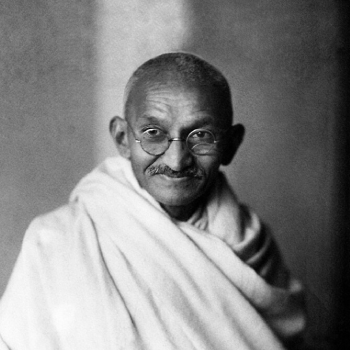
Bal Gangadhar Tilak stood as a beacon of hope and courage during a time of great struggle in India. His relentless fight for freedom inspired countless others, leaving a legacy that still resonates today.
Introduction
Bal Gangadhar Tilak was a prominent leader and freedom fighter in India’s struggle for independence against British rule. He is often called the “Father of the Indian National Movement.” Tilak was not only a politician but also a journalist and social reformer. His fiery speeches and writings stirred the hearts of many Indians, urging them to rise against oppression and fight for their rights. He is remembered for his powerful ideology of “Swaraj” or self-rule, which laid the foundation for the future leaders of the independence movement.
Quick Summary
- Full Name: Bal Gangadhar Tilak
- Born: July 23, 1856, in Ratnagiri, Maharashtra
- Profession: Politician, Freedom Fighter, Social Reformer, Journalist
- Known As: “Father of the Indian National Movement”
- Career Span: Late 19th century to early 20th century
- Key Contributions:
- Promoted the idea of self-rule (Swaraj) for India.
- Launched the “Home Rule Movement” in 1916.
- Founded the newspaper “Kesari” to promote nationalist ideas.
- Advocated for social reform and education for all.
- Famous for the slogan “Swaraj is my birthright.”
- Participated in the Indian National Congress and shaped its direction.
- Supported the cause of the Indian masses against colonial rule.
- Quote: “Swaraj is my birthright and I shall have it.”
Early Life & Background
Bal Gangadhar Tilak was born in a small town called Ratnagiri, located in the western state of Maharashtra. His father, Gangadhar Tilak, was a school teacher and also a respected figure in the community. His mother, although less active in public life, had a profound influence on his upbringing. Growing up in a family that valued education and culture, Tilak was exposed to various ideas and philosophies from a young age.
As a child, Tilak was known for his curiosity and a strong sense of justice. He often questioned the rules and restrictions placed upon him and others around him. This early questioning spirit would later become a hallmark of his approach to politics and social issues. He attended school in Ratnagiri, where he excelled in his studies. His early education laid the groundwork for his later achievements. His teachers recognized his potential, often encouraging him to participate in debates and discussions—activities that honed his oratory skills.
Tilak was influenced by the social reform movements of his time. He read extensively about Indian history, culture, and the struggles against foreign rule. These readings ignited a fire within him—a desire to understand and change the condition of his people. The environment in which he grew up, filled with discussions of nationalism and cultural revival, played a crucial role in shaping his ideologies. The teachings of great leaders like Swami Vivekananda also inspired him, urging him to think beyond personal ambitions towards the upliftment of the nation.
How It All Started
Tilak’s journey into the world of activism began in his college days. After completing his schooling, he enrolled at Fergusson College in Pune. It was during this time that he started feeling the need for a stronger voice against British rule. He met many like-minded individuals who shared his views on nationalism and social reform. Together, they formed the “Deccan Education Society,” which aimed to promote education among Indians, particularly focusing on a curriculum that celebrated Indian culture and history.
In 1881, he faced his first major challenge when he started writing for the newspaper “Kesari.” His articles boldly criticized British policies and called for a united Indian front against colonialism. Through his writing, Tilak inspired many young Indians to join the fight for their rights. However, this also drew the ire of the British authorities, who viewed him as a threat. He was imprisoned for his writings several times, yet each time he emerged more determined to fight for his cause.
One significant moment that solidified his role as a leader was the launch of the “Home Rule Movement” in 1916. This was a pivotal step towards self-rule in India. Tilak traveled across the country, holding meetings and rallies, urging people to unite for this cause. His passionate speeches and ability to connect with the masses made him a beloved figure. He often recounted stories of India’s glorious past to inspire hope and pride among his fellow countrymen.
Despite facing numerous challenges, including arrests and opposition from both British officials and moderate leaders within the Indian National Congress, Tilak never wavered in his commitment to the cause. He faced hardships with courage—spending years in prison and enduring harsh conditions, yet he remained focused on his mission. His unwavering spirit and determination to achieve independence made him an iconic figure in Indian history.
Through his early struggles, Tilak garnered recognition not just as a politician but as a visionary who wanted to empower the Indian people. His efforts laid the foundation for future leaders and movements that would eventually lead India to independence. The story of Bal Gangadhar Tilak is not just about a man; it is about a movement, a legacy, and the relentless pursuit of freedom.
Career Journey
Early Career
Bal Gangadhar Tilak’s journey began in the late 19th century, a period marked by severe discontent against British rule in India. After completing his education in law from the University of Bombay, Tilak took on a role as a teacher. He soon became a prominent figure in social circles. In 1880, he launched his first newspaper, Kesari, in Marathi. This platform allowed him to express his views on the oppressive British policies and advocate for self-rule. Through his writings, he aimed to awaken the national consciousness of the Indian people.
His early career was not without challenges. The colonial government was quick to respond to his bold messages. In 1897, Tilak was arrested for his anti-British writings following the assassination of a British officer. Despite this setback, he remained undeterred. His time in prison only strengthened his resolve and made him a symbol of resistance. He utilized this period to strategize and gather support for the freedom movement, which would soon become crucial in his later endeavors.
Breakthrough Phase
In the early 1900s, Tilak’s influence grew significantly as he joined the Indian National Congress. He became a leader of the Extremists faction, advocating for more radical approaches to achieving independence. The year 1905 marked a significant turning point with the partition of Bengal, which was seen as an attempt to divide and rule by the British. Tilak’s passionate speeches ignited protests across the country. His slogan, “Swaraj is my birthright and I shall have it,” resonated deeply with the masses.
In 1907, Tilak was again imprisoned, this time for his incitement during the anti-partition protests. His arrest, however, did not silence his voice. Instead, he used his time in jail to further his thoughts on self-rule and mobilize national sentiments. It was during this period that he started to emphasize the importance of cultural pride and unity among Indians. He organized public festivals, such as the Ganesh Chaturthi and Shivaji Jayanti, which not only celebrated Indian culture but also served as platforms for political mobilization.
Peak Career
The years leading to the First World War were crucial for Tilak. His time spent in India and abroad shaped his vision of a free India. In 1916, he played a pivotal role in the Lucknow Pact, a collaboration between the Indian National Congress and the All India Muslim League. This was a significant moment in Indian politics as it united different factions against British rule.
During the war, Tilak advocated for Indian support in exchange for self-governance. His famous saying, “The British are our friends, but they are also our rulers,” highlighted his strategy of using diplomacy and negotiation to achieve independence. However, this approach faced criticism from more radical factions who wanted immediate independence. Despite this, Tilak’s political acumen and ability to navigate complex dynamics positioned him as a key leader in the freedom struggle.
In 1918, Tilak’s health began to decline, but he continued to work tirelessly. He established the Home Rule League, which aimed to educate Indians about self-governance and encourage participation in the national movement. His influence was evident in the growing national consciousness among Indians, particularly the youth, who were inspired by his courage and determination.
Later Career
In the 1920s, Tilak’s health continued to deteriorate, affecting his active participation in politics. However, he remained a revered figure within the Indian National Congress. He passed away on August 1, 1920, but his legacy lived on. His ideology and strategies influenced future leaders like Mahatma Gandhi and Jawaharlal Nehru. Gandhi referred to Tilak as the ‘maker of modern India’ and acknowledged his role in shaping the freedom movement. After his passing, the nation mourned a great leader who had paved the way for many to follow in the fight for independence.
Tilak’s life was characterized by a relentless pursuit of justice and equality. His emphasis on cultural pride and self-rule resonated across generations, making him a symbol of resistance against colonial oppression. His contributions laid the groundwork for India’s eventual independence in 1947, proving that the seeds of freedom he planted would sprout into a flourishing movement.
Major Achievements
- Founded the newspaper Kesari in 1880, which became a powerful voice for Indian nationalism.
- Instrumental in the formation of the Home Rule League in 1916, advocating for self-governance.
- Played a crucial role in the Lucknow Pact of 1916, fostering unity between Hindus and Muslims.
- Popularized the slogan “Swaraj is my birthright and I shall have it,” inspiring countless Indians.
- Stood as a leader of the Extremists in the Indian National Congress, pushing for radical change.
- Organized cultural events, such as Ganesh Chaturthi, linking nationalism with Indian cultural pride.
- His writings and speeches contributed to a significant rise in national consciousness among Indians.
What Makes Them Special
Bal Gangadhar Tilak was more than a politician; he was a visionary thinker. His ability to connect with the masses through simple yet powerful language made him a beloved leader. He had a unique skill in mobilizing people through cultural events, which brought communities together under the cause of independence. His strong belief in self-rule and education empowered many to join the freedom struggle.
Tilak’s personality was marked by resilience and courage. He faced numerous challenges, including imprisonments and criticism, yet he remained steadfast in his mission. His leadership style was characterized by a blend of diplomacy and fervor, allowing him to navigate the complex political landscape of his time. His ability to inspire others, particularly the youth, helped cultivate a generation devoted to the ideals of freedom and justice.
Challenges & Struggles
Throughout his career, Tilak encountered significant challenges. His outspoken nature led to multiple arrests. The British authorities were keen to silence him, viewing him as a threat to their rule. During his imprisonment, he faced harsh conditions, yet he utilized this time to reflect and strategize for the movement’s future.
Despite his efforts, he faced criticism from rival factions within the Indian National Congress who disagreed with his approach. This sometimes led to internal conflicts that hindered the movement’s unity. However, Tilak’s ability to maintain focus on the larger goal of independence kept him resilient. His struggles only solidified his role as a martyr for the cause, motivating future leaders to continue the fight for freedom.
Legacy & Impact
Bal Gangadhar Tilak is remembered as a key figure in India’s struggle for independence. His call for self-rule inspired many, helping to ignite a nationalistic spirit among Indians. He promoted the idea of ‘Swaraj’ or self-governance, which became a rallying cry for future leaders like Mahatma Gandhi and Jawaharlal Nehru. Tilak’s dedication to education and social reform also influenced numerous organizations focused on upliftment and empowerment. His legacy continues to inspire movements for justice and equality across the country.
Personal Life
Tilak was born on July 23, 1856, into a Brahmin family in Ratnagiri, Maharashtra. He was married to Satyabhama Tilak, and they had two children. Despite his busy career, he valued family life and was known for his strong principles. He enjoyed classical music and literature, which influenced his writings and speeches.
Interesting Facts
- Tilak was an avid scholar of Sanskrit and wrote extensively on Indian philosophy.
- He was one of the first leaders to emphasize the importance of festivals, like Ganesh Chaturthi, for promoting unity among Indians.
- Tilak was nicknamed “Lokmanya,” meaning “accepted by the people as their leader.”
- He played a significant role in the formation of the Home Rule League in 1916.
- Tilak was known for his fiery speeches, which rallied thousands to the cause of independence.
- He famously stated, “Swaraj is my birthright, and I shall have it!”
Frequently Asked Questions
Who is Bal Gangadhar Tilak?
Bal Gangadhar Tilak was a prominent Indian nationalist leader and freedom fighter known for his role in the struggle against British colonial rule.
Why is Bal Gangadhar Tilak famous?
He is famous for advocating for self-rule in India and inspiring future leaders through his writings and speeches.
What are his achievements?
Tilak founded the newspaper Kesari, promoted education, and established the Home Rule League, playing a crucial role in the independence movement.
What is his background?
Tilak was born in Maharashtra, India, and was educated in law at the University of Bombay. He began his career as a teacher before becoming a political leader.
What was Tilak’s philosophy?
His philosophy centered on the idea of Swaraj, or self-governance, and the empowerment of the Indian people through education and active participation in politics.
How did Tilak influence future generations?
His ideas on nationalism and self-rule inspired many leaders in the Indian independence movement, shaping the future of India.
Conclusion
Bal Gangadhar Tilak’s life story is a testament to courage and determination. His unwavering commitment to India’s freedom and his powerful ideas about self-governance have left a lasting impact on the nation. As one of the early architects of the Indian independence movement, Tilak’s legacy continues to inspire generations to strive for justice and equality. His journey reminds us of the power of conviction and the importance of standing up for one’s rights.