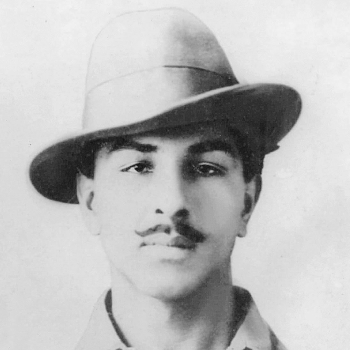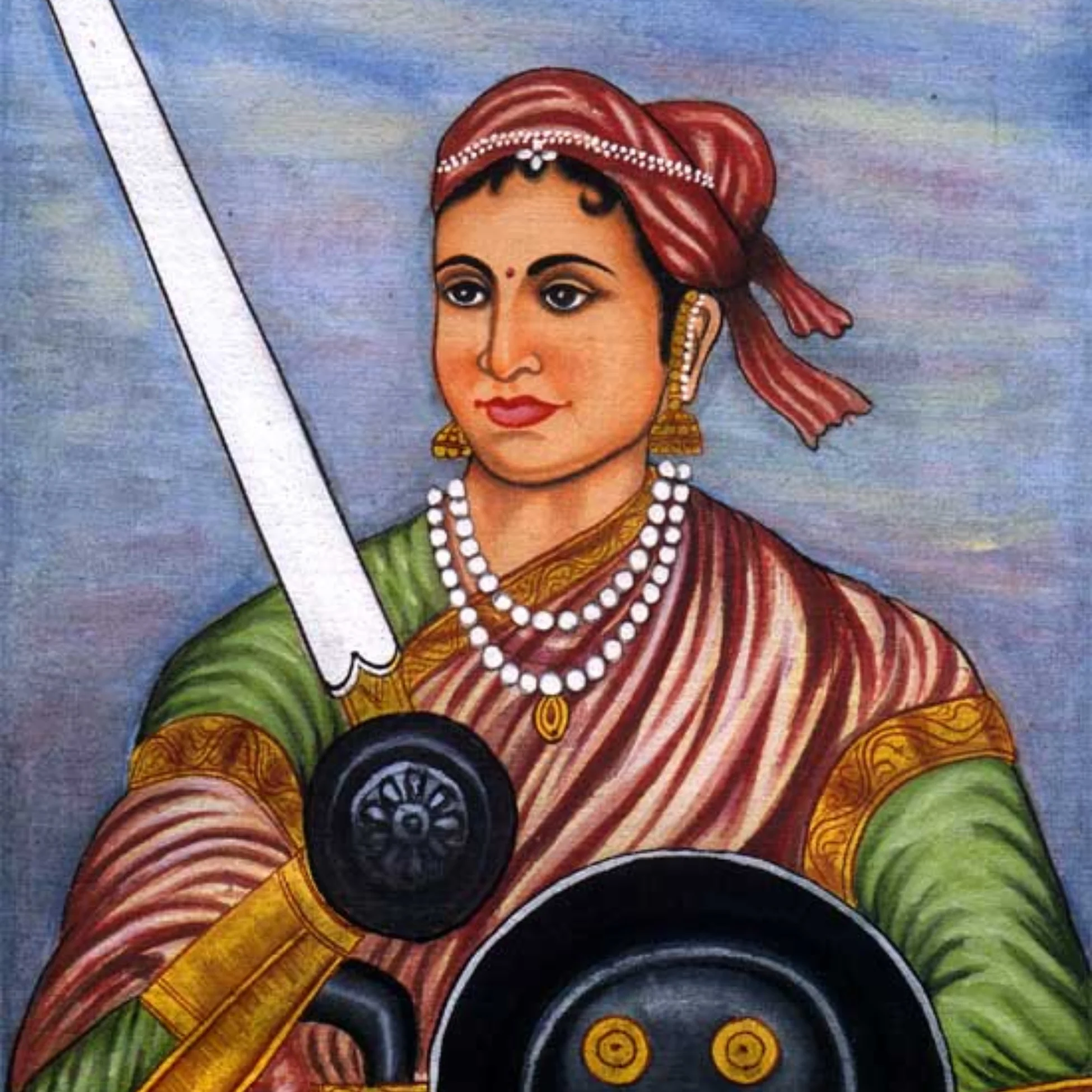
Alluri Sitarama Raju Biography

Alluri Sitarama Raju

In the heart of India’s struggle for freedom, one man’s courage ignited the spirit of rebellion among his people. Alluri Sitarama Raju stands as a symbol of resistance against British oppression, inspiring generations to fight for their rights.

Introduction

Alluri Sitarama Raju was an Indian revolutionary born in the early 20th century. He is best known for his leadership in the Rampa Rebellion against British colonial rule in India. His fearless actions and dedication to the cause of independence made him an important figure in the Indian freedom movement. Raju’s legacy continues to inspire many who seek justice and equality.

Quick Summary

  • Full Name: Alluri Sitarama Raju
  • Born: 1897, Visakhapatnam, India
  • Profession: Revolutionary leader
  • Known As: Leader of the Rampa Rebellion
  • Career Span: 1920–1924
  • Key Contributions:
    • Led the Rampa Rebellion against British rule in 1922.
    • Advocated for the rights of tribal people in the Eastern Ghats.
    • Promoted the use of traditional weapons among local tribes.
    • Inspired the youth to join the freedom struggle.
    • Established a strong revolutionary movement in the region.
    • His bravery and tactics are still studied in Indian history.
  • Quote: “I may be killed, but I will not surrender.”

Early Life & Background

Alluri Sitarama Raju was born into a modest family in the Visakhapatnam district of Andhra Pradesh. His father, a local village headman, instilled a sense of justice and courage in him from a young age. Growing up in a rural environment, Raju was deeply connected to the struggles of the tribal communities around him. They faced oppression and exploitation from British officials, which left a lasting impression on his young mind.

As a child, Raju was known for his adventurous spirit and determination. He was curious about the world and often explored the forests surrounding his village. This environment nurtured a strong bond with nature and the people who lived in it. Although details of his early education are sparse, he attended local schools where he was exposed to revolutionary ideas and the stories of freedom fighters. This early exposure sparked his interest in the fight against colonial rule.

How It All Started

Raju’s journey as a revolutionary began in his late teens. Witnessing the injustices faced by his community, he felt compelled to act. The turning point came when he met local leaders who inspired him with their tales of bravery and resistance. They spoke about the plight of the tribal people and the need to rise against the British. This planted a seed of courage in Raju’s heart.

In 1920, Raju took his first steps into the world of revolution. He gathered young men from his village and started organizing them, sharing his vision of a free India. They practiced using traditional weapons, preparing themselves for the struggle ahead. Raju emphasized the importance of unity among the tribes, urging them to join forces against their common oppressor.

His early efforts were not without challenges. The British colonial authorities were harsh in their response to any signs of rebellion. Raju faced numerous obstacles, including arrests of his fellow revolutionaries and intimidation from local police. However, he remained undeterred. His determination only grew stronger, and he became a beacon of hope for many.

In 1922, the Rampa Rebellion erupted, marking a significant moment in Raju’s life. His strategies, which included guerrilla warfare and mobilizing local support, showcased his leadership skills. He led attacks against British forces, targeting police stations and government offices. The movement quickly gained momentum, attracting more followers, and Raju became a symbol of resistance in the hills of Eastern Ghats.

Despite the initial successes, the rebellion faced setbacks. British forces retaliated fiercely, deploying more troops to suppress the uprising. Raju and his followers were pursued relentlessly. Still, his spirit remained unbroken. He continued to inspire those around him, urging them to fight for their rights and freedom.

Eventually, Raju’s efforts led to recognition beyond his local community. He became a prominent figure in the fight for Indian independence. His bravery and tactics are still studied in history, making him an enduring symbol of the struggle against British rule. But the battle came at a high cost. Raju’s fight ultimately ended in sacrifice, as he was captured and killed by the British. Yet, his legacy lives on, inspiring countless individuals in their quest for justice and equality.

Career Journey

Early Career

Alluri Sitarama Raju’s journey began in the small village of Mogallu, located in the West Godavari district of Andhra Pradesh. Born in 1897 into a family of farmers, Raju grew up witnessing the struggles of his community under British colonial rule. The impact of British policies, such as the oppressive taxation and exploitation of resources, deeply affected him. This early exposure to injustice ignited a fire within him, prompting him to seek change.

In his teenage years, Raju became aware of the ideas of freedom and nationalism, influenced by leaders like Mahatma Gandhi and the Indian National Congress. Following the spirit of the times, he began participating in local movements against British policies. His initial efforts included organizing protests against land revenue hikes and advocating for the rights of local farmers. These activities marked the beginning of his commitment to the fight for India’s independence.

Breakthrough Phase

Raju’s career took a significant turn in the early 1920s when he became increasingly involved with the local tribal communities. He recognized that these populations were particularly marginalized and exploited. In 1922, Raju played a crucial role in mobilizing the tribal people in the Rampa region against the British government’s oppressive laws, which restricted their access to forests and land. This led to the formation of a more organized resistance movement.

The turning point in Raju’s career came in 1922 with the start of the Rampa Rebellion. On August 24, 1922, he led a group of about 200 tribal individuals who rose against the British. They attacked police stations, destroyed liquor shops, and organized rallies to raise awareness about their rights. Raju’s charisma and ability to connect with the common people galvanized many to join the fight, marking the beginning of his role as a leader of the rebellion.

This phase was marked by intense encounters with British forces. Raju’s strategic approach to guerrilla warfare became evident as he often used the dense forests to his advantage, launching surprise attacks on their camps. His ability to outsmart the British forces in the forests of the Eastern Ghats earned him respect and recognition among his people.

Peak Career

By 1923, Alluri Sitarama Raju had become a prominent figure in the struggle for independence. His leadership and vision transformed the Rampa Rebellion into a full-scale uprising, and he began to be seen as the leader of the tribal movement. Raju’s forces grew larger, and he led over a thousand men at the height of the rebellion. His famous command, “We will fight against the British until our last breath,” inspired many to join the cause.

The rebellion reached its peak in 1923 when Raju and his followers captured several police stations and treasury houses. He declared the Rampa area a “free zone,” where he aimed to establish self-rule. However, this bold move drew the ire of the British authorities, who responded with overwhelming force. The British launched a massive crackdown, deploying thousands of soldiers to suppress the rebellion. In this intense period, Raju’s guerrilla tactics, including ambushes and strategic retreats, showcased his military acumen and resilience in the face of adversity.

Despite the challenges, Raju’s influence continued to grow. He became a symbol of hope for many oppressed communities. His ability to unite various tribes under a common cause displayed his exceptional leadership qualities. However, the British forces escalated their violence, leading to a series of brutal retaliations against the tribal people.

Later Career

By mid-1924, Raju’s fortunes began to change. The British had learned from their previous mistakes and deployed more sophisticated counterinsurgency tactics. The guerrilla warfare that had once served Raju well began to falter as British intelligence improved, leading to betrayal from within his ranks. After a prolonged period of conflict, Raju was eventually captured in May 1924.

Raju’s trial and imprisonment became a focal point for the Indian independence movement. Although he was sentenced to death, his spirit remained unbroken. Even in captivity, he inspired others through his resolve and unwavering commitment to his people. His execution on May 7, 1924, turned him into a martyr, further solidifying his legacy. His death sparked protests and fueled the ongoing struggle for independence, inspiring generations to continue the fight against colonial rule.

Major Achievements

  • Led the Rampa Rebellion against British colonial rule in 1922.
  • Mobilized tribal communities in the Eastern Ghats for the freedom struggle.
  • Utilized guerrilla warfare tactics effectively against British forces.
  • Became a symbol of resistance and hope for marginalized communities in India.
  • Inspired future generations of freedom fighters and activists.

What Makes Them Special

Alluri Sitarama Raju is remembered for his exceptional leadership and strategic thinking in guerrilla warfare. He had a unique ability to rally people around a common cause, particularly those marginalized by society. His charisma and dedication to the rights of the tribal people distinguished him from other leaders of his time.

Raju’s understanding of local culture and traditions allowed him to connect deeply with the tribal communities, earning their trust and respect. His refusal to back down against British oppression showed his courage and commitment to the cause of freedom. This fierce dedication made him an iconic figure, not only in Andhra Pradesh but across India.

Challenges & Struggles

Throughout his career, Raju faced numerous challenges. The British authorities were relentless in their attempts to suppress the rebellion, employing brutal tactics to instill fear among the local population. Raju and his followers faced severe hardships, including food shortages and lack of medical care during prolonged conflict. Betrayals from within his ranks also posed a significant challenge, leading to crucial losses.

After his capture, Raju endured a harsh trial. His execution was a tragic end to his life, but it also served as a motivational force for the freedom movement. Raju’s struggles highlighted the harsh realities of the fight for independence and left a lasting impact on the struggle against colonialism in India.

Legacy & Impact

Alluri Sitarama Raju is remembered as a hero in the struggle for India’s independence. His bravery and strong leadership inspired many to join the fight against British rule. Raju focused on tribal rights and upliftment, advocating for the marginalized communities in the Eastern Ghats. His efforts laid the groundwork for future movements, emphasizing the importance of local voices in political struggles. Influenced by leaders like Raju, many activists and future generations have continued the fight for justice and equality in India.

Personal Life

Alluri Sitarama Raju was born in a farming family and had a humble lifestyle. He was married to a woman named Seethamma, and they had children together. Raju enjoyed spending time with his community, listening to their concerns and working towards solutions. His dedication to his family and people was evident in his everyday life.

Interesting Facts

  • Raju was inspired by the Indian independence movement and leaders like Mahatma Gandhi.
  • He initiated the Rampa Rebellion in 1922, which was a significant uprising against British policies.
  • Raju used guerrilla warfare tactics to fight against the British forces.
  • He is affectionately referred to as ‘Manyam Veerudu,’ meaning ‘Hero of the Jungle.’
  • His legacy has been honored in various forms, including films, books, and monuments.
  • The Alluri Sitarama Raju University is named in his honor, celebrating his contributions to society.

Frequently Asked Questions

Who is Alluri Sitarama Raju?

Alluri Sitarama Raju was an Indian revolutionary leader known for his role in the fight against British colonial rule in India.

Why is Alluri Sitarama Raju famous?

He is famous for leading the Rampa Rebellion in 1922 and advocating for the rights of tribal communities against oppressive policies.

What are his achievements?

Raju’s achievements include mobilizing tribal communities, leading significant uprisings, and influencing the fight for India’s independence.

What is his background?

Raju was born in 1897 in a farming family in Andhra Pradesh and grew up witnessing the struggles of his community under British rule.

How did Raju influence future generations?

His commitment to social justice and the rights of marginalized groups inspired many future leaders and activists in India.

What was Raju’s lifestyle like?

He lived a simple life focused on his community, balancing family responsibilities with his dedication to the freedom struggle.

Conclusion

Alluri Sitarama Raju’s life story is one of courage, determination, and a relentless pursuit of justice. His contributions to India’s struggle for independence remain significant and impactful. Raju’s legacy lives on, inspiring generations to fight for their rights and stand up against oppression. His journey from a small village to becoming a symbol of resistance teaches us the importance of standing up for what is right, making him a revered figure in India’s history.