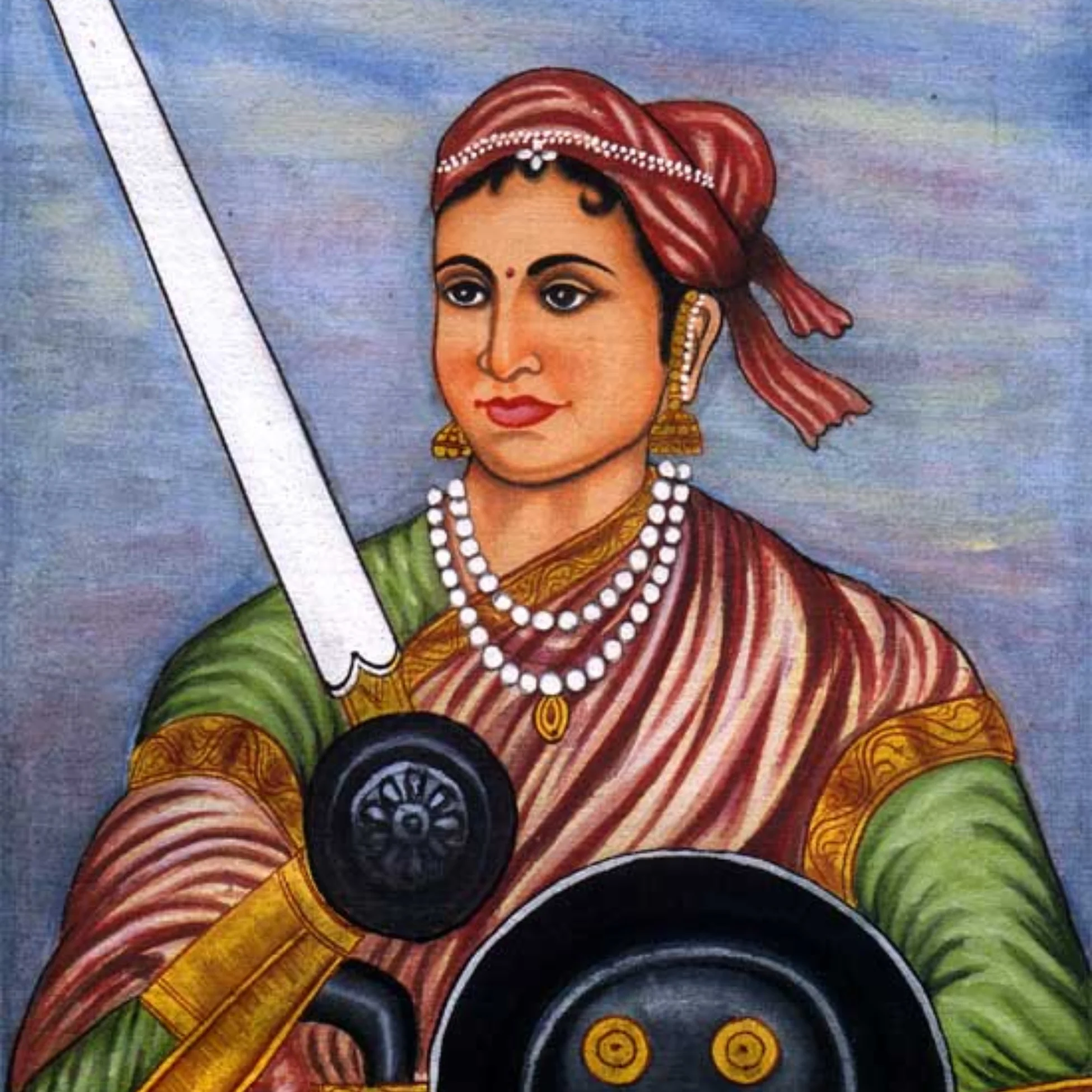
Rani Lakshmi Bai
Born: c. 1828-1830, Varanasi (Born Manikarnika Tambe)
Tenure: Queen of Jhansi (1843-1858)
Contributions:
- Defied the British Doctrine of Lapse, famously declaring, “I shall not surrender my Jhansi!”
- Led the defense of Jhansi during the 1857 Rebellion, inspiring her troops with incredible bravery.
- Made a daring escape from Jhansi, carrying her adopted son, Damodar Rao, and continued the fight.
- Joined forces with other leaders like Tatya Tope, battling the British at Kalpi and Gwalior.
- Became an eternal martyr, making the ultimate sacrifice for India’s freedom at Gwalior.
Quote: “I shall not surrender my Jhansi!”
# Rani Lakshmi Bai: India’s Fearless Queen, A Symbol of Unyielding Pride
Rani Lakshmi Bai is one of India’s bravest heroes. Her name shines bright in the story of India’s fight for freedom. She was a queen who loved her land and her people so much that she fought with all her heart. Her story is not just an old tale; it is a powerful message of courage and not giving up. It fills every Indian heart with pride and inspires us even today.
Rani Lakshmi Bai: India’s Fearless Queen, A Symbol of Unyielding Pride
Rani Lakshmi Bai is one of India’s bravest heroes. Her name shines bright in the story of India’s fight for freedom. She was a queen who loved her land and her people so much that she fought with all her heart. Her story is not just an old tale; it is a powerful message of courage and not giving up. It fills every Indian heart with pride and inspires us even today.
The Making of a Warrior Queen: Her Early Life
Our brave queen was born Manikarnika Tambe in a holy city called Varanasi. This was around the years 1828 to 1830. Sadly, her mother passed away when Manikarnika was very young, just four years old. This meant she did not have a usual childhood like other girls of her time.
Her father, Moropant Tambe, had a special way of raising her. He let her learn things that girls usually didn’t. She learned to read and write, but even more surprisingly, she learned to ride horses, use weapons, and even fence! Imagine a young girl learning to fight like a warrior! This was very special and showed how strong and independent she was from a young age. Some stories say her childhood friends included Nana Sahib and Tatya Tope, who also became important fighters later. This special upbringing prepared her for the big role she would play for India.
The Crown of Jhansi and the Shadow of Injustice
In 1843, Manikarnika’s life changed when she married Raja Gangadhar Rao of Jhansi. She became Rani Lakshmibai, the queen of a princely state. She took on her new role with great care and responsibility.
But joy turned to sorrow in 1853 when her husband, Raja Gangadhar Rao, passed away. They had no natural child, so Rani Lakshmi Bai adopted a son, Damodar Rao. However, the British East India Company had a rule called the ‘Doctrine of Lapse’. This rule meant that if a king died without a natural son, his kingdom would be taken over by the British. The British refused to accept Damodar Rao as the rightful heir and decided to take Jhansi.
This was a very unfair decision. Rani Lakshmi Bai was very angry and sad. She went to Major Ellis, a British officer, and strongly protested their decision. It is said she bravely told him, “I shall not surrender my Jhansi!” Her strong words showed her fierce love for her kingdom and her people. She stood tall against the injustice, protecting the honor and land of India.
The Roar of Rebellion: Leading the Charge of 1857
The year 1857 was a big turning point for India. A large rebellion against British rule started. In May 1857, after the Indian soldiers, known as sepoys, rebelled in Jhansi, Rani Lakshmi Bai quickly took charge. This was her chance to fight for her land.
She did not just sit back. She gathered an army, even including women, and prepared to defend Jhansi. When the British army, led by Major General Hugh Rose, attacked Jhansi in March and April of 1858, Rani Lakshmi Bai led her soldiers with amazing bravery. She fought from the front, inspiring everyone. Even though Jhansi eventually fell, her spirit was not broken. She made a daring escape on horseback, famously carrying her adopted son, Damodar Rao, with her. This act showed her incredible bravery and clever thinking. She became a symbol of hope and courage for all who fought for India’s freedom.
The Ultimate Sacrifice: A Flame That Never Died
After escaping Jhansi, Rani Lakshmi Bai did not stop fighting. She joined other brave leaders like Tatya Tope. They continued to battle the British at places like Kalpi and Gwalior. She never gave up her fight for freedom.
Her last and most heroic stand was at Gwalior. Dressed like a man, she fought fiercely on the battlefield. On June 18, 1858, Rani Lakshmi Bai was fighting bravely near Gwalior when she fell in battle. She gave her life for her beloved motherland. Her death was a supreme sacrifice, making her an eternal martyr and a symbol of India’s honor. Her story reminds us that freedom often comes at a great cost.
A Timeless Legacy: Symbol of India’s Strength
Rani Lakshmi Bai’s story did not end with her death. She became a powerful symbol for all of India. Her courage and defiance against foreign rule inspired countless people during the long struggle for India’s independence. She stood for important values like courage, fearlessness, and the right to independence for her land.
Her leadership was special. She was smart in planning battles, brave in fighting, and never gave up. She was also kind to her soldiers, which made them loyal to her. Most importantly, she showed everyone that women are strong and capable leaders. Her life proved that strength and leadership have no gender. Her example continues to inspire Indian women to dream big and achieve great things.
Forever Honored: India Remembers its Brave Rani
India will always remember its brave queen. She is honored as a National Heroine. Many stories, poems, and songs have been written about her. One of the most famous is the poem “Jhansi Ki Rani” by Subhadra Kumari Chauhan, which painted a vivid picture of her bravery for generations.
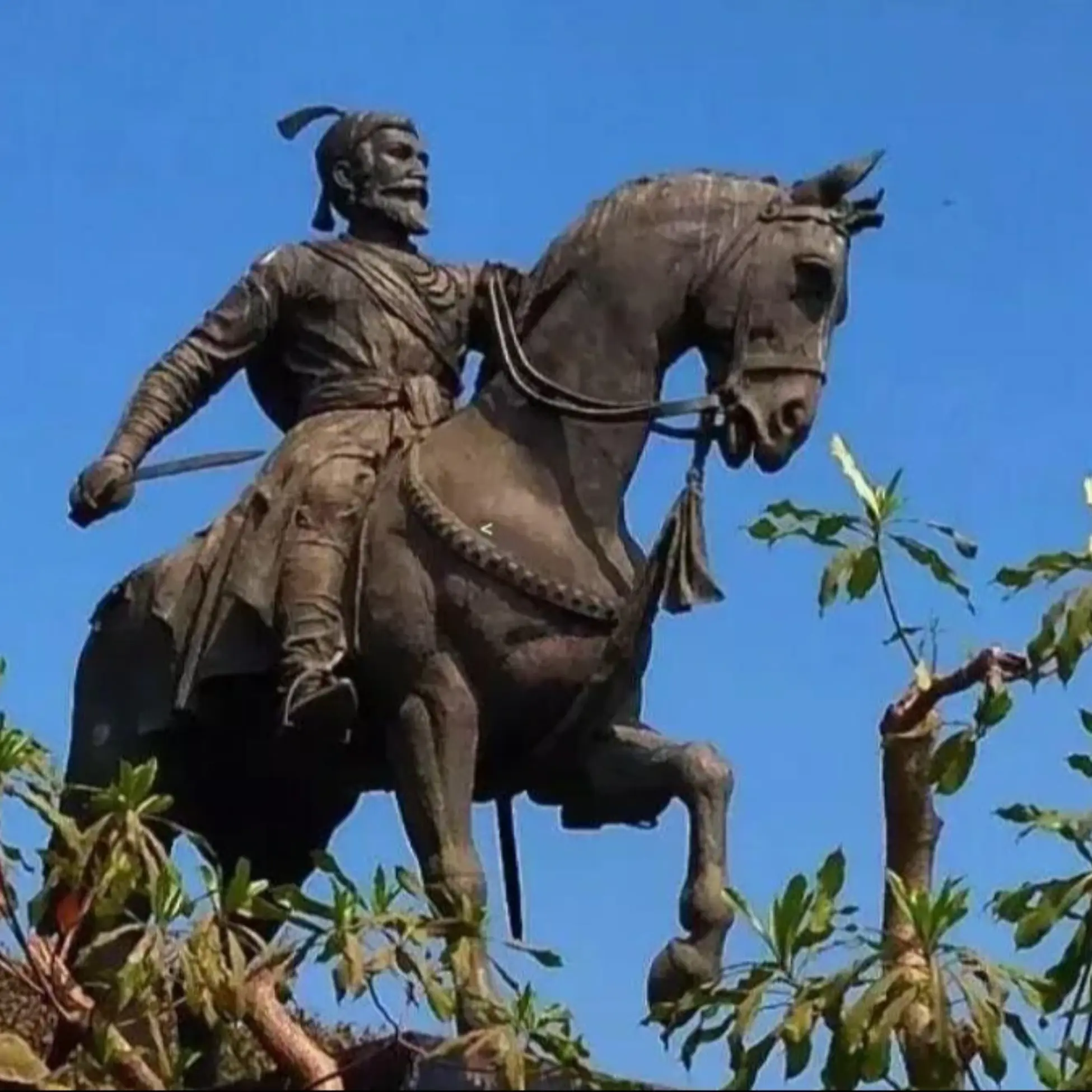
Across India, there are statues and memorials dedicated to her. Her Samadhi (memorial) in Gwalior, where she passed away, is a special place where people pay their respects. These statues, often showing her riding a horse, remind us of her courage and her fight for justice. Institutions and places are also named after her, ensuring that her memory continues to be a source of national pride and inspiration for all Indians.
Conclusion
Rani Lakshmi Bai’s spirit continues to live in the heart of every Indian. Her unwavering courage, her fierce love for her land, and her willingness to sacrifice everything for freedom make her a true icon of Indian valor. Her story is not just a part of history; it is a living testament to India’s unconquerable spirit. She truly represents the essence of “India Ki Shaan”—the pride and glory of our nation. She teaches us to always stay strong, fight for what is right, and never surrender our dignity.
Questions and Answers about Rani Lakshmi Bai
- Q: Who was Rani Lakshmi Bai?
- A: Rani Lakshmi Bai was the fearless Queen of Jhansi, a pivotal figure in India’s First War of Independence in 1857, known for her extraordinary courage and leadership against British rule.
- Q: What was her birth name?
- A: Her birth name was Manikarnika Tambe, and she was born in Varanasi around 1828-1830.
- Q: Why did she become a warrior queen?
- A: Raised by her father, Moropant Tambe, she received an unusual upbringing for a girl of her time, learning horsemanship, weaponry, and fencing, which prepared her for her later role.
- Q: What was the ‘Doctrine of Lapse’?
- A: It was a British East India Company policy that allowed them to annex Indian princely states if a ruler died without a natural heir, which was unfairly applied to Jhansi after Raja Gangadhar Rao’s death.
- Q: What was Rani Lakshmi Bai’s role in the 1857 Rebellion?
- A: She bravely led the defense of Jhansi against the British, inspiring her army, and after its fall, continued to fight alongside other leaders for India’s freedom.
- Q: Where did she make her final stand?
- A: Her final and most heroic stand was at Gwalior, where she fell in battle on June 18, 1858, making the ultimate sacrifice for her motherland.
- Q: How is Rani Lakshmi Bai remembered today?
- A: She is honored as a National Heroine, a powerful symbol of courage, fearlessness, and the unconquerable spirit of India, inspiring countless generations through stories, poems, and memorials.