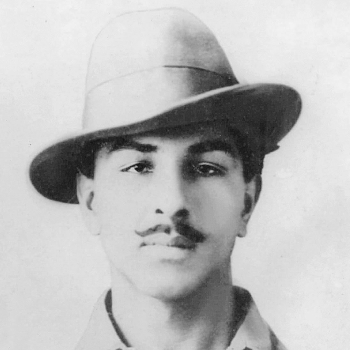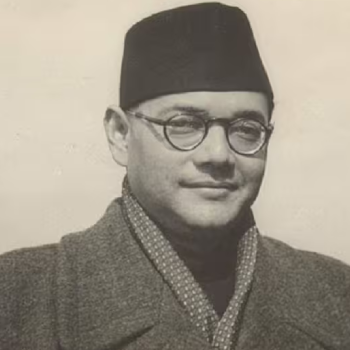
Chandrashekhar Azad was a name that resonated with courage and the relentless spirit of freedom. His bravery and unwavering commitment to the cause of India’s independence continue to inspire generations.
Introduction
Chandrashekhar Azad was a prominent freedom fighter in India, known for his role in the struggle against British colonial rule. He is celebrated for his daring acts of bravery and his dedication to the cause of independence. Azad became a symbol of resistance, inspiring many young Indians to join the fight for freedom. His legacy remains etched in the hearts of those who value courage and sacrifice.
Quick Summary
- Full Name: Chandrashekhar Azad
- Born: July 23, 1906, in Bhavra, Madhya Pradesh
- Profession: Freedom Fighter
- Known As: Azad
- Career Span: 1920s to 1931
- Key Contributions:
- Played a vital role in the Hindustan Socialist Republican Association
- Involved in the Kakori Train Robbery of 1925
- Led various revolutionary activities against British rule
- Promoted the idea of armed struggle for independence
- Inspired youth across India to join the freedom movement
- Remembered for his bravery and street-smart strategies
- Ultimately sacrificed his life for the cause of freedom
- Quote: “Dastaan-e-Jang-e-Azadi, Meri Azaadi, Mera Khuda!”
Early Life & Background
Chandrashekhar Azad was born into a simple family in Bhavra, a small village in Madhya Pradesh. His father, Sitaram Tiwari, was a school teacher, and his mother, Jagrani Devi, was a homemaker. Growing up in a modest household, Azad was instilled with values of education and discipline from an early age. He was an intelligent and curious child, often asking questions about the world around him.
As a young boy, Azad was very observant and developed a keen interest in the social issues of his time. The British rule in India troubled him deeply. His family moved to Allahabad where he attended school, and it was there that he first learned about the independence movement. The stories of bravery from his teachers and local leaders filled him with passion and a sense of duty.
In school, Azad was a bright student, but he often found himself restless in the traditional educational system. He preferred reading about heroes of the past rather than following the regular curriculum. His early education in Allahabad was marked by a growing awareness of the injustices faced by Indians under British rule. This growing awareness ignited his interest in the freedom struggle.
How It All Started
The journey of Chandrashekhar Azad as a freedom fighter began in his teenage years. At just 15, he got involved with the revolutionary group known as the Hindustan Republican Association (HRA). This organization was dedicated to fighting against British rule through armed resistance. Azad was inspired by the revolutionary ideals of leaders like Bhagat Singh and Rajguru, who believed in taking direct action against oppression.
Azad’s first significant act of rebellion came after he was arrested during a protest. Instead of giving up, he vowed never to be captured alive again. He adopted the name “Azad,” which means “free,” symbolizing his commitment to the cause of freedom. This moment marked a turning point in his life, as he decided to dedicate himself entirely to the fight for independence.
In the following years, Azad was involved in many revolutionary activities that shook the foundations of British authority in India. He participated in the Kakori Train Robbery in 1925, where he and his comrades aimed to loot the government treasury. This operation was highly risky and required detailed planning. Azad’s leadership and strategic thinking played a crucial role in its execution.
The aftermath of the Kakori incident brought both recognition and danger. Azad and his fellow revolutionaries became fugitives, constantly on the run from British authorities. They faced numerous challenges, from limited resources to betrayal from within. Yet, Azad remained undeterred. He would often meet with his comrades in secret, planning their next moves, and inspiring them with tales of heroism and sacrifice.
Azad became a mentor to many young revolutionaries, instilling in them the belief that they could take control of their destiny. He encouraged them to be brave, reminding them that their fight was for the future of India. His charisma and fearless attitude attracted many young men and women to join the cause. They practiced various tactics and strategies under his guidance, preparing themselves for the fight ahead.
Despite facing severe challenges, including betrayals and arrests of fellow fighters, Azad’s spirit remained unbroken. He once managed to escape a police surround by disguising himself and slipping through their lines. His cunning and resourcefulness became legendary among his friends. However, Azad also faced personal struggles, including the constant fear of capture, which weighed heavily on him.
The fight against British rule intensified, and Azad’s determination grew stronger. His final moments came in 1931 when he was cornered by police in Allahabad. Rather than surrender, he chose to take his own life, a decision that shocked many but was consistent with his lifelong commitment to freedom. In his last moments, he declared that he would not be captured, solidifying his legacy as a fearless leader who would rather die than live under oppression.
Chandrashekhar Azad’s journey from a curious boy to a legendary freedom fighter shows the power of determination and courage. His story continues to inspire people to stand up for what they believe in and fight against injustice.
Career Journey
Early Career
Chandrashekhar Azad’s journey as a freedom fighter began in his early youth. At 15, he joined the national movement inspired by the Jallianwala Bagh massacre of 1919. He started participating in protests and rallies against British rule. Initially, he joined the Non-Cooperation Movement led by Mahatma Gandhi in 1920. However, his radical views soon diverged from Gandhi’s non-violent approach. He believed that armed struggle was necessary to achieve true freedom.
In 1922, after the Chauri Chaura incident, where protesters killed policemen, Gandhi suspended the movement. Azad, feeling disheartened, decided to form a group of young revolutionaries committed to militant action. This marked the beginning of his transition from a passive protester to an active revolutionary.
Breakthrough Phase
In 1928, Azad’s revolution gained momentum. He became a key member of the Hindustan Socialist Republican Association (HSRA), a group determined to overthrow British rule through armed revolution. One of his significant breakthroughs was the planning of the assassination of British Police Superintendent John Saunders in December 1928. This act was in retaliation for the death of Lala Lajpat Rai, a prominent freedom fighter who was injured during a protest against the Simon Commission.
On December 17, 1928, Azad and his associates shot Saunders, and in a dramatic escape, he managed to evade capture. This incident established Azad as a name to reckon with in the revolutionary circles. His daring action spread fear among the British, marking him as one of the most wanted men in India. The event also ignited the passions of many young Indians, encouraging them to join the freedom struggle.
Peak Career
The peak of Azad’s career came during the early 1930s when he was involved in several high-profile activities against British authorities. In April 1929, he and Bhagat Singh threw non-lethal bombs in the Central Legislative Assembly in Delhi to protest against repressive laws. They were arrested, and while in custody, Azad’s intelligence and bravery shone through. He articulated the need for revolution and inspired countless others through his speeches.
One of the most notable moments came during the Kakori train robbery in August 1925. The robbery aimed to finance the revolutionary activities of the HSRA. Although Azad did not participate directly, he was involved in planning and supporting the venture. The robbery became infamous, leading to the arrest of several revolutionaries and igniting public outrage against British oppression.
Another turning point in Azad’s life was when he established the Azad Hind Fauj (Indian National Army). Though he did not lead this army, he provided guidance and strategy to many of its members. His influence grew, and he became a mentor for many young revolutionaries. The atmosphere during this time was charged with hope and urgency as numerous freedom fighters believed that India’s independence was within reach.
Later Career
As the struggle intensified, Azad continued to evade the British forces, using his keen sense of strategy. His life was filled with danger, but he remained committed to his cause. He was known for his operational secrecy and was always one step ahead of the British intelligence. Azad’s leadership was pivotal in uniting various factions of the revolutionaries, and his charisma attracted many young people to the movement.
However, the British crackdown on revolutionaries increased post-1930, leading to many arrests and executions. Azad’s network faced significant losses, but he remained undeterred. He believed in the importance of continuing the struggle, even if it meant going underground and working in anonymity.
By the time of his death in 1931, Azad had already become a legend. His last stand took place in Alfred Park, Allahabad, where he was surrounded by police. Rather than surrender, he chose to take his own life, upholding his vow of never being captured. This act solidified his status as a martyr, and his heroics inspired countless others to continue the fight for India’s freedom.
Major Achievements
- Key figure in the Hindustan Socialist Republican Association (HSRA).
- Executed the assassination of British Police Superintendent John Saunders in 1928.
- Involved in the Central Legislative Assembly bombing in 1929.
- Played a significant role in planning the Kakori train robbery in 1925.
- Established a strong network of young revolutionaries across India.
- Symbol of resistance against British colonial rule, inspiring future generations.
What Makes Them Special
Chandrashekhar Azad was known for his extraordinary bravery and unwavering commitment to Indian independence. His skills as a leader were evident in how he inspired others to join the revolutionary cause. Azad possessed a unique blend of intelligence and charisma, which made him a natural leader among his peers. His quick thinking during dangerous situations often saved many lives and allowed for successful escapes from British authorities. Additionally, his dedication to the cause was unmatched; he was always willing to put himself in harm’s way for the sake of freedom.
Despite the pressure and constant threat of arrest, Azad maintained a remarkable sense of humor and optimism. This positivity endeared him to many and fostered a strong sense of camaraderie among his fellow revolutionaries. Azad was also known for his tactical acumen, making strategic decisions that often led to successful operations against the British.
Challenges & Struggles
Throughout his life, Azad faced numerous challenges. The most significant was the constant threat of arrest. The British authorities considered him one of the most dangerous revolutionaries in India. This pressure forced him to live a life of secrecy, always on the move, and often on the run. Many of his comrades were captured, executed, or imprisoned. Azad witnessed the loss of close friends and associates, which took a toll on him emotionally.
Moreover, the increasing violence from British forces toward revolutionaries created a climate of fear. In such challenging times, Azad’s resolve was tested. However, rather than giving up, he used these experiences to strengthen his commitment to the cause. His ability to deal with adversity and keep fighting for his beliefs made him a symbol of resilience in the face of overwhelming odds.
In his final moments, when surrounded by police, Azad faced his death with courage. He refused to be captured, upholding his vow to die free. This act was not just a personal choice but a statement of defiance against colonial oppression, encapsulating his entire life’s work.
Legacy & Impact
Chandrashekhar Azad is remembered as a brave freedom fighter who played a crucial role in India’s struggle against British rule. His commitment to armed resistance inspired many young revolutionaries. Azad’s ideals of courage and patriotism continue to influence generations. He is admired by various groups, including the Hindustan Socialist Republican Association and many youth movements focused on social justice and revolution. His legacy lives on as a symbol of rebellion against oppression.
Personal Life
Chandrashekhar Azad was born on July 23, 1906, in Bhavra, Madhya Pradesh. He had a strong bond with his mother, who encouraged his educational pursuits. Throughout his life, he remained single, dedicating himself entirely to the freedom movement. Azad enjoyed reading, which fueled his revolutionary thoughts and actions.
Interesting Facts
- Azad adopted the name ‘Azad,’ meaning ‘free,’ during his anti-colonial activities.
- He was a master of disguise, often changing his appearance to evade British authorities.
- Azad was involved in planning the famous Kakori Train robbery in 1925.
- He mentored several notable revolutionaries, including Bhagat Singh.
- He famously declared that he would never be captured alive, which he upheld until his death.
- His actions laid the foundation for future revolutionary movements in India.
- Azad’s revolutionary spirit continues to inspire films, books, and educational programs.
Frequently Asked Questions
Who is Chandrashekhar Azad?
Chandrashekhar Azad was a prominent Indian freedom fighter who played a key role in the struggle against British colonial rule.
Why is Chandrashekhar Azad famous?
He is famous for his radical approach to India’s independence movement and for his leadership in the Hindustan Socialist Republican Association.
What are their achievements?
Azad’s achievements include significant revolutionary activities, including the assassination of British officers and the planning of several notable protests.
What is their background?
Born in 1906, he was inspired by the Jallianwala Bagh massacre and joined the freedom movement as a teenager.
What did Chandrashekhar Azad believe in?
Azad believed in armed struggle as a means to achieve India’s freedom from British rule, reflecting a departure from non-violent protests.
What is Chandrashekhar Azad’s legacy?
His legacy is one of bravery and dedication to India’s independence, inspiring countless future generations of leaders and activists.
Conclusion
Chandrashekhar Azad’s life story is a testament to courage and sacrifice. His journey from a young activist to a revolutionary leader highlights his deep commitment to India’s freedom. Azad’s impact on the independence movement remains significant, inspiring future generations to stand up against injustice and oppression. His unwavering spirit serves as a powerful reminder of the struggle for freedom and the importance of bravery in the face of adversity.