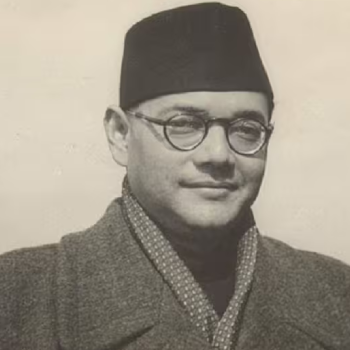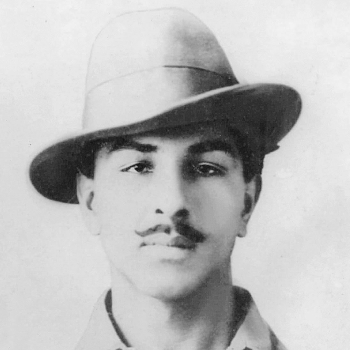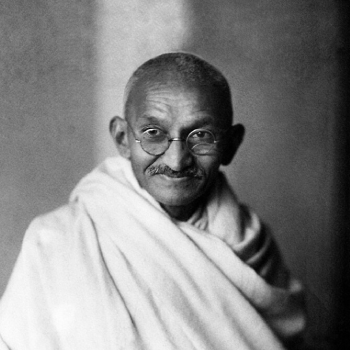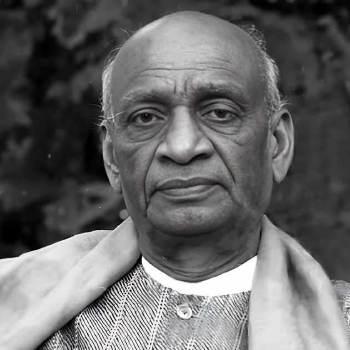
Netaji’s uncompromising courage and leadership reshaped India’s fight with the INA’s military resistance.
Quick Summary
Born: 23 January 1897
Known As: Netaji
Role: Leader of the Indian National Army (INA)
Key Contribution: Azad Hind movement for armed independence
Legacy: “Give me blood, I will give you freedom!”
Early Life and Childhood
Subhas Chandra Bose was born in 1897 in the city of Cuttack, which is now in Odisha. His family brought together two rich cultures: Bengali and Odia. This mix gave Bose a deep sense of cultural pride and a broad vision of Indian identity. His father was a well-respected man who worked in the government, and his mother was known for her strong values and care. Their home was full of love for tradition and country.
From a young age, Bose experienced the contradictions of colonial education. British schools taught loyalty to the Empire, but his family and surroundings whispered courage and patriotism. He struggled with the idea of serving a foreign rule while loving his own land deeply. Stories from his childhood show a boy who was brilliant but also restless, eager to learn yet eager to fight injustice. His family instilled honesty, discipline, and respect for India’s greatness.
This mix of influences shaped a young Subhas who dreamed not just of success but of freedom for every Indian. He faced early schooling challenges under the British system, often questioning the fairness of colonial rule. These early experiences planted the seeds of his nationalist awakening—a strong desire to serve India beyond personal success.
Journey in Pictures
1920s–1930s
Early Intellectual & Revolutionary Phase
1930s
Working with Mahatma Gandhi
Late 1930s–Early 1940s
Arrest by British Authorities
1930s–1940s
Personal Life & Emilie Schenkl
1941–1943
Seeking International Support
1943–1945
Supreme Commander of the INA
Career Journey
Bose’s decision to refuse the Indian Civil Service exam final step in 1921 was a turning point. He entered politics, joining the Indian National Congress, where he quickly made a mark for his fierce patriotism and energy. By the late 1930s, Bose had risen to become the Congress President. However, his views on how to achieve freedom often clashed with those of Mahatma Gandhi. Whereas Gandhi favored non-violent resistance, Bose believed in militant nationalism and was ready to use every possible means—including armed struggle—to attain independence.
Due to these differences, Bose resigned as Congress President in 1939 but did not quit the freedom struggle. Instead, he formed the Forward Bloc to unite those who supported a more aggressive fight against the British. His journey took a daring turn in 1941 when he escaped house arrest in India and traveled secretly overseas. Bose reached Germany and then Japan, building alliances with Axis powers during World War II to gain support for India’s independence.
This period of his life was filled with constant danger. He was arrested and imprisoned multiple times, but Bose never gave up. His relentless spirit showed in every decision he made—refusing compromise, always choosing action over passivity. His courage inspired many Indians to believe that freedom was within reach if only they dared to fight for it.
The Impact
Among Bose’s many achievements, three stand out for their historic importance and lasting impact.
First, he took charge of the Indian National Army (INA) from 1943 to 1944. With thousands of Indian soldiers and volunteers fighting alongside Japanese forces, the INA launched military campaigns at Imphal and Kohima against British troops. This was the first time Indians were leading an armed force explicitly to regain their own country. The INA’s courage boosted the morale of Indians across the country and shook the confidence of the British Empire in India.
Second, Bose established the Provisional Government of Free India in 1943. This government operated symbolically from abroad but was recognized by several countries. It showed the world that Indians demanded and deserved complete independence, not just limited reforms. This government issued currency, formed an army, and worked like a real administration for free India.
Third, within India and Congress, Bose ignited a spirit of militant nationalism. He pushed for immediate independence and inspired countless youth and activists to join the independence movement. His famous speech lines, like “Give me blood, and I shall give you freedom!” became rallying cries for the movement’s more assertive stand.
His audacious escape from British surveillance and his diplomatic efforts abroad were themselves great achievements. They represented not just bravery but strategic skill in expanding India’s fight on a global stage. These actions helped change the course of history by challenging the British hold over India from multiple fronts.
The Glory
Netaji Bose received several honors recognizing his work and leadership. In 1942, Indian soldiers in Germany gave him the title “Netaji,” meaning respected leader. This title reflected the deep respect he earned among Indian troops and supporters overseas.
In 1992, the Government of India posthumously awarded Bose the Bharat Ratna, the country’s highest civilian award, recognizing his supreme sacrifice and leadership in the independence struggle. This award holds great symbolic power by honoring a patriot who put country before self.
From 2019 onwards, the government instituted the Subhas Chandra Bose Aapda Prabandhan Puraskar. This annual award recognizes excellence in disaster management, linking Bose’s spirit of courage and leadership to modern India’s efforts to protect its people during crises.
Each award speaks about his lasting influence—not only as a freedom fighter but as a symbol of patriotism and duty for every Indian.
The Present
Although Subhas Chandra Bose passed away in 1945, his spirit lives strongly in the present.
The Subhas Chandra Bose Aapda Prabandhan Puraskar continues to honor brave individuals and organizations, celebrating leadership in times of difficulty. Educational institutions named after Bose carry forward his values by teaching new generations about patriotism and courage. The Netaji Subhas Chandra Bose International Airport is a vital infrastructure hub, bearing his name and serving millions while expanding to meet growing needs.
Commemorative events like “Parakram Divas” celebrate his birth anniversary with speeches, seminars, and cultural programs. The 2025 anniversary of his mysterious disappearance has sparked fresh interest in his life and message through publications and talks.
His speeches and writings continue to be studied and released for public learning, keeping his ideals alive. These activities show that the quest for freedom Bose championed is still relevant today and inspires Indians to build a stronger, more united nation.
Legacy
At the heart of Subhas Chandra Bose’s life were values that remain important for India’s future. His patriotism was unwavering, rooted in deep love for the country. He believed courage was essential to face challenges and that true freedom came from discipline and unity across India’s many cultures and religions.
Bose’s famous quote, “Give me blood, and I shall give you freedom!” captured his demand for sacrifice to achieve Swaraj (self-rule). Another saying, “Freedom is not given, it is taken,” stresses that independence requires active struggle, not waiting. His message to youth was clear: patriotism means putting the nation first and working hard to serve it without fear.
His visionary leadership combined strategic thinking and bold action. He never accepted half-measures or compromise in the fight for complete freedom. His call for unity among Indians to work together across differences still resonates, reminding the nation that strength lies in working as one.
Conclusion
Subhas Chandra Bose’s life was a remarkable journey of sacrifice, courage, and unyielding love for India. From choosing patriotism over a secure career, to leading armies and governments for free India, his legacy teaches us the cost and value of freedom. His story remains a beacon for millions who dream of a just and independent nation. Subhas Chandra Bose will always be remembered as Netaji—the revered leader who fought relentlessly for India’s absolute freedom and inspired generations to follow in his footsteps.
FAQ's
It means "Respected Leader" - given to him by INA soldiers.
Leading the INA for armed struggle against the British.
Yes, mainly on the use of non-violence vs armed action.
Allegedly in a plane crash in 1945 (still debated).
The Indian National Army formed to fight British rule.