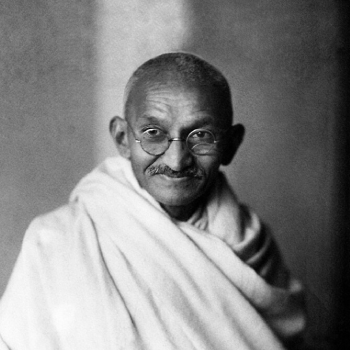
Maulana Abul Kalam Azad Biography

Maulana Abul Kalam Azad

Maulana Abul Kalam Azad

Maulana Abul Kalam Azad was a guiding light for India’s freedom struggle. His vision for a united and progressive India continues to inspire generations.

Introduction

Maulana Abul Kalam Azad was a prominent leader in India’s fight for independence. He was not only a freedom fighter but also an educationist and a visionary. His contributions to Indian politics and education have left a lasting impact on the nation. Azad is best known for his role as a senior leader of the Indian National Congress and as India’s first Minister of Education post-independence. His commitment to communal harmony and education made him a beloved figure in India’s history.

Quick Summary

  • Full Name: Maulana Abul Kalam Azad
  • Born: November 11, 1888, in Mecca, Saudi Arabia
  • Profession: Politician, Educationist, Freedom Fighter
  • Known As: Maulana Azad
  • Career Span: Early 20th century to 1958
  • Key Contributions:
    • Key leader in the Indian independence movement
    • First Minister of Education in independent India
    • Instrumental in the establishment of the Indian Institutes of Technology (IITs)
    • Promoted modern education and literacy across India
    • Author of several influential books and essays
    • Advocated for Hindu-Muslim unity during a time of division
    • Played a crucial role in the Khilafat Movement
  • Quote: “The man who has gotten everything he wants is all in favor of peace and order.”

Early Life & Background

Maulana Abul Kalam Azad was born into a well-respected family in Mecca, Saudi Arabia. His father, a prominent scholar, and his mother, a strong-willed woman, greatly influenced his early years. When he was just a young child, his family moved to Calcutta (now Kolkata), India, where they settled. Growing up in an environment rich in education and culture, Azad developed a keen interest in literature and philosophy from a young age.

As a child, Azad was curious and eager to learn. He attended various local schools but was mostly educated at home due to his father’s rigorous educational standards. His early influences included the great scholars and thinkers of his time, which shaped his views on nationalism and education. Even as a child, he showed signs of leadership and was often involved in discussions about societal issues.

His passion for learning was evident, and he often spent hours reading books in libraries. Azad was particularly influenced by the works of poets and philosophers, which ignited his desire to contribute to society. This intellectual environment laid the foundation for his future endeavors as a leader and educationist.

How It All Started

Azad’s journey into the world of politics and education began at a young age. His early involvement in local politics was inspired by the rising nationalist sentiments in India. He was deeply affected by the British colonial rule and the injustices faced by his fellow countrymen. His understanding of these issues grew as he listened to the stories of struggle and resistance from those around him.

In his teenage years, Azad began to write for local newspapers. He expressed his views on the need for a united front against British rule. His writing not only showcased his eloquence but also highlighted his deep understanding of the socio-political issues of the time. This early exposure to journalism played a crucial role in shaping his political ideology.

One of the most significant moments in Azad’s early political career was his involvement in the Khilafat Movement in 1919. This movement aimed to protect the rights of Muslims in India and the Ottoman Empire after World War I. Azad, alongside Mahatma Gandhi and other leaders, rallied for Hindu-Muslim unity, believing that together they could stand against colonial rule. This moment marked a turning point in his life, guiding him towards a more active role in the freedom struggle.

As Azad gained recognition for his writings and activism, he became a key figure in the Indian National Congress. His speeches inspired many young Indians to join the fight for independence. Azad’s ability to connect with the masses was profound; he communicated the vision of a free and united India with passion and clarity.

Despite facing challenges, including arrests and imprisonment, Azad remained steadfast in his beliefs. He often met with other leaders to strategize and spread awareness about the freedom movement. His early struggles did not deter him; instead, they fueled his determination. Azad was known for his resilience and his ability to bring people together, fostering a spirit of unity.

As he continued to work tirelessly for the cause of independence, Azad also focused on education. He understood that for India to truly be free, its people needed to be educated. He started promoting modern education, believing that knowledge was the key to empowerment. His commitment to education became one of the cornerstones of his legacy.

Azad’s journey was not without its sacrifices. He faced personal losses, political opposition, and social challenges. However, these experiences only strengthened his resolve. His early recognition as a leader in the freedom movement set the stage for his later achievements as one of India’s foremost thinkers and policymakers.

By the time India gained independence in 1947, Azad had established himself as a prominent leader. His early experiences in politics and education laid the foundation for his contributions to the nation as the first Minister of Education, where he focused on building an inclusive educational system that would cater to all.

Career Journey

Early Career

Maulana Abul Kalam Azad began his career as a journalist and an educator. In the early 1900s, he founded the weekly newspaper, Al-Hilal, in 1912. This newspaper became a platform for discussing issues related to Indian society and politics. Azad used his writings to promote the ideals of freedom and self-governance. He was particularly concerned about the plight of Muslims in India and sought to uplift their status through education.

His early writings emphasized the importance of unity among different communities. He believed that communal harmony was essential for India’s progress. However, his strong views on nationalism and anti-colonialism often put him at odds with the British authorities. As a result, he faced many challenges, including arrests and censorship of his works. Yet, these challenges only strengthened his resolve to fight for India’s freedom.

Breakthrough Phase

Azad’s significant breakthrough came when he joined the Indian National Congress in 1919. He quickly became involved in the freedom movement, which was gaining momentum after the Jallianwala Bagh massacre. In 1920, he played a vital role in the Non-Cooperation Movement led by Mahatma Gandhi. He urged people to boycott British goods and institutions, which enabled him to gather immense support from the masses.

His leadership skills shone during this period. He was elected as the President of the Indian National Congress in 1923, making him one of the youngest leaders to hold such a position. This role allowed him to influence key decisions and take a stand against the British Raj. One of the most notable moments during this phase was his speech at the Lahore Session in 1929, where he called for complete independence from British rule. His passionate oratory inspired countless Indians to join the freedom struggle.

Peak Career

The peak of Azad’s career came during the 1940s when India was on the brink of independence. He actively participated in the Quit India Movement of 1942, which was a call for immediate independence. Despite facing imprisonment, Azad’s resolve did not waver. He continued to strategize and plan for India’s future even from behind bars. His writings during this time reflected a deep understanding of political dynamics and a vision for a united India.

In 1947, upon India’s independence, Azad was appointed as the first Minister of Education. He had a clear vision for educational reforms. He believed that education was the foundation for a prosperous nation. During his tenure, he introduced several policies aimed at promoting scientific and technical education. He also laid the groundwork for institutions such as the Indian Institutes of Technology and the University Grants Commission. His dedication to education earned him immense respect among his peers and the public.

Later Career

After serving as the Minister of Education, Azad continued to play a crucial role in Indian politics. He was a prominent member of the Indian National Congress and remained active in shaping educational policies. His focus on unity between Hindus and Muslims remained unwavering. He believed that only through cooperation could India thrive as a nation. He worked tirelessly to bridge communal divides, an effort that was particularly important during the tumultuous years following partition.

Even in his later years, Azad was involved in various educational and cultural initiatives. He traveled extensively, advocating for educational reforms and the promotion of science and technology. His work left a lasting impact on the educational landscape of India. Maulana Abul Kalam Azad passed away on February 22, 1958, but his legacy as a leader, educator, and visionary continues to inspire future generations.

Major Achievements

  • Founded the weekly newspaper Al-Hilal in 1912, promoting education and nationalism.
  • Played a key role in the Non-Cooperation Movement (1920) and the Quit India Movement (1942).
  • Served as the President of the Indian National Congress in 1923.
  • Appointed as India’s first Minister of Education post-independence in 1947.
  • Contributed to the establishment of major educational institutions, including the IITs and UGC.
  • Authored several influential books, including India Wins Freedom, which provides insight into the freedom struggle.

What Makes Them Special

Maulana Abul Kalam Azad was special for several reasons. His immense knowledge and eloquence made him a powerful orator and writer. He had a unique ability to connect with people from all walks of life. His vision for a united India was ahead of his time, emphasizing communal harmony and cooperation. Azad’s leadership style was inclusive and compassionate, often bringing together diverse groups under a common cause. His commitment to education set him apart, as he believed that empowering individuals through knowledge was key to national progress.

Challenges & Struggles

Azad faced numerous challenges throughout his career. His outspoken views often led to conflicts with British authorities. He was imprisoned several times, enduring harsh conditions for his beliefs. Additionally, the partition of India in 1947 was a significant blow to him, as it contradicted his vision of a united country. Despite these struggles, Azad remained resilient. He used his experiences to strengthen his resolve and continued advocating for peace and unity. His ability to rise above personal and political challenges showcased his dedication to the nation and its people.

Legacy & Impact

Maulana Abul Kalam Azad is remembered as one of the most influential leaders in India’s struggle for independence. His contributions to education and journalism played a crucial role in shaping modern India. Azad was instrumental in promoting the idea of communal harmony and unity among diverse communities. He emphasized the importance of education, particularly for Muslims, aiming to uplift their status in society. Azad’s vision influenced future generations of leaders, educators, and activists who continued his work for social justice and equality, including figures like Jawaharlal Nehru and Mahatma Gandhi.

Personal Life

Born on November 11, 1888, in Mecca, Maulana Abul Kalam Azad belonged to a family of scholars. He was married to Zainab, and they had a daughter. He enjoyed reading and writing throughout his life. Azad was also known for his love of poetry and music. He lived a modest life, dedicated to his ideals and the freedom movement.

Interesting Facts

  • Azad was an accomplished scholar who spoke multiple languages, including Arabic, Persian, and Urdu.
  • He was a prominent figure in the Khilafat Movement, advocating for the rights of Muslims in India.
  • Azad served as India’s first Minister of Education after independence, shaping the country’s educational policy.
  • The central university in India, Maulana Azad National University, is named in his honor.
  • He was posthumously awarded the Bharat Ratna, India’s highest civilian award, in 1992.
  • Azad’s writings continue to inspire scholars and leaders, highlighting the importance of education and social justice.

Frequently Asked Questions

Who is Maulana Abul Kalam Azad?

Maulana Abul Kalam Azad was an Indian independence leader, educator, and journalist known for his role in the freedom struggle.

Why is Maulana Abul Kalam Azad famous?

He is famous for his contributions to education and his leadership in the Indian National Congress during the independence movement.

What are their achievements?

Azad was a key figure in promoting education, communal harmony, and served as India’s first Minister of Education.

What is their background?

Born in Mecca, he came from a scholarly family and became a prominent leader in India’s fight against British colonial rule.

What was Azad’s role in the freedom movement?

He played a vital role in several movements, including the Non-Cooperation Movement and the Khilafat Movement.

How did Azad influence future leaders?

His ideas on education and social justice have inspired many leaders and activists in India’s ongoing struggle for equality.

Conclusion

Maulana Abul Kalam Azad’s life story reflects his unwavering commitment to India’s freedom and the upliftment of marginalized communities. His achievements in education and journalism paved the way for a more inclusive society. Azad’s legacy continues to inspire countless individuals who strive for justice, equality, and unity in diversity. He remains a symbol of hope for a brighter future, reminding us of the power of knowledge and the importance of standing up for one’s beliefs.