
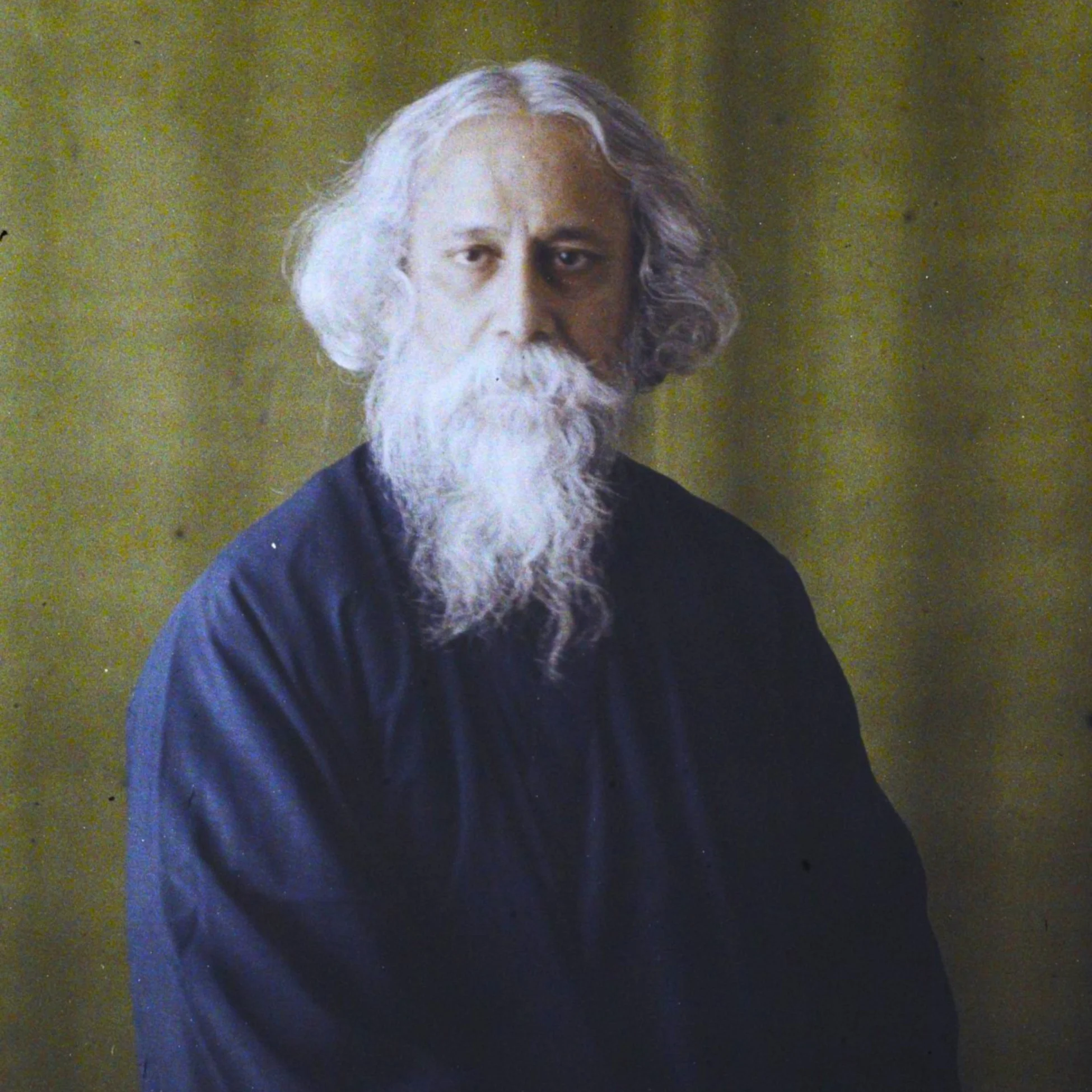
Rabindranath Tagore Biography – The Poet Who Gave Voice to India’s Soul

Rabindranath Tagore, India’s literary genius, inspired generations with his poetry, music, philosophy, and vision for education.

Quick Summary

Full Name: Rabindranath Tagore
Born: 7th May 1861, Kolkata, Bengal Presidency, British India (now West Bengal, India)
Died: 7th August 1941, Kolkata, India
Profession: Poet, Writer, Philosopher, Composer, Artist, Educationist
Known As: “Gurudev,” “Bard of Bengal”
Career Span: 1877 – 1941
Key Contributions:

  • First non-European to win the Nobel Prize in Literature (1913) for Gitanjali.

  • Composed India’s national anthem (Jana Gana Mana) and Bangladesh’s national anthem (Amar Sonar Bangla).

  • Authored thousands of poems, stories, essays, plays, and songs, influencing Indian literature and culture profoundly.

  • Founded Visva-Bharati University at Santiniketan, emphasizing holistic and global education.

  • Advocated for humanism, internationalism, and spiritual unity in his works.

Quote:
“You can’t cross the sea merely by standing and staring at the water.” — Rabindranath Tagore

Early Life

Rabindranath Tagore, often revered as Gurudev, was born on 7 May 1861 in Calcutta (now Kolkata) into the illustrious Tagore family. His father, Debendranath Tagore, was a philosopher and religious reformer, while his mother, Sarada Devi, passed away when Rabindranath was still very young.

The Tagore household was a hub of intellectual, cultural, and artistic exchange. Rabindranath grew up surrounded by literature, music, and art, which shaped his creative instincts from an early age. Unlike most children of his era, he did not attend conventional school. Instead, he was homeschooled, where he developed an interest in literature, philosophy, music, and nature.

As a teenager, Tagore began writing poetry, and by the age of 16, he had already published several works under the pseudonym “Bhanusimha.” His early poems displayed a depth and maturity far beyond his years, marking the beginning of a journey that would revolutionize Indian and world literature.

Literary Contributions

Rabindranath Tagore’s literary output was vast and diverse. He was not only a poet but also a novelist, short story writer, playwright, essayist, painter, and composer. His works combined elements of Indian tradition with universal humanism, making them timeless and relatable across cultures.

Poetry

Tagore’s poetry remains his most celebrated contribution. His anthology “Gitanjali” (Song Offerings), published in 1912, is considered a spiritual and literary masterpiece. The poems explore themes of divinity, nature, love, and human connection with the infinite.

Other major poetry collections include:

  • Manasi (1890) – blending romanticism with philosophical insights.
  • Sonar Tori (1894) – known
  • Balaka (1916) – poems reflecting on modernity and the essence of time.

Novels and Short Stories

Tagore’s novels often dealt with the clash between tradition and modernity, freedom and societal expectations. Notable novels include:

  • Gora – addressing nationalism and identity.
  • Ghare-Baire (The Home and the World) – exploring love, politics, and patriotism.
  • Chokher Bali – a tale of love and betrayal.

His short stories are regarded as some of the finest in world literature. Collections like Galpaguchchha revealed his mastery in capturing the lives of ordinary Indians with profound empathy.

Music and Songs

Tagore composed over 2,000 songs, collectively known as Rabindra Sangeet. These songs combined Indian classical traditions with folk melodies and remain deeply influential in Bengali culture. Remarkably, two of his compositions later became national anthems:

  • Jana Gana Mana” – the national anthem of India.
  • Amar Shonar Bangla” – the national anthem of Bangladesh.

Nobel Prize and Achievements

In 1913, Rabindranath Tagore became the first non-European to win the Nobel Prize in Literature for his translation of Gitanjali into English. The Swedish Academy praised his profound sensitivity, fresh imagery, and deeply spiritual vision.

This achievement not only elevated Tagore’s global reputation but also brought Indian literature onto the world stage. He became a cultural ambassador for India, traveling extensively across Europe, the United States, Latin America, and East Asia.

Tagore’s Nobel Prize was a landmark moment that challenged Western dominance in literature and highlighted the richness of Indian creativity.

Beyond the Nobel, he received numerous accolades, including honorary doctorates from Oxford University, Edinburgh University, and many others.

Social Reforms and Education

Tagore was more than a literary genius; he was also a social reformer, philosopher, and educationist.

Shantiniketan and Visva-Bharati University

In 1901, he founded a school in Shantiniketan, envisioning an education system that combined the best of Eastern and Western traditions. Unlike traditional rote-learning methods, his school emphasized creativity, freedom, and learning in harmony with nature.

In 1921, Shantiniketan evolved into Visva-Bharati University, which later attracted scholars and students from around the world. It became a center of cultural exchange, embodying Tagore’s philosophy of universalism and global unity.

Advocacy for Social Change
Tagore strongly opposed caste discrimination, child marriage, and rigid social norms. Through his writings and public speeches, he advocated for women’s empowerment, rural development, and a society based on equality and justice.

Although deeply patriotic, Tagore often criticized blind nationalism. He believed in universal humanism and warned against aggressive patriotism that could lead to conflict. His ideas continue to inspire debates on nationalism and global unity.

Encounters with World Leaders and Thinkers

Tagore’s global travels brought him in contact with some of the greatest minds of his time:

  • Albert Einstein – with whom he discussed science, philosophy, and spirituality.

  • Mahatma Gandhi – whom he deeply respected, although they often differed on issues of nationalism. It was Tagore who gave Gandhi the title “Mahatma.”

  • W.B. Yeats – the Irish poet who helped introduce Tagore’s Gitanjali to the Western audience.

These interactions enriched his worldview and deepened his belief in cultural exchange and dialogue between civilizations.

Legacy

Rabindranath Tagore’s influence continues to resonate even today.

  • His literary works remain part of school curricula across India and abroad.

  • His songs and compositions are still sung in cultural and spiritual gatherings.

  • His educational vision at Visva-Bharati continues to inspire progressive education.

  • His humanist philosophy offers guidance in today’s world plagued by division and conflict.

Tagore passed away on 7 August 1941, leaving behind a legacy that transcends generations. He is remembered as India’s first Nobel Laureate, the Bard of Bengal, and the universal poet who bridged East and West.

Conclusion

The biography of Rabindranath Tagore is a journey through poetry, philosophy, music, education, and reform. He was not just a writer but a visionary who believed in the power of creativity and universal brotherhood.

His works continue to inspire millions across the globe, making him one of the greatest cultural icons in history. In every sense, Tagore’s life was a poem itself—sublime, eternal, and deeply human.

FAQ's

He is famous for his poetry, literature, music, and being the first non-European Nobel laureate in Literature.

He won the Nobel Prize in Literature in 1913 for Gitanjali.

Yes, he composed Jana Gana Mana, the national anthem of India.

It is the university founded by Tagore at Santiniketan, promoting holistic education and cultural exchange.

He was born on 7th May 1861 and passed away on 7th August 1941.

Lata Mangeshkar Biography – The Nightingale of India

Lata Mangeshkar’s timeless voice gave soul to Indian cinema and continues to echo across generations.

Quick Summary

Full Name: Lata Mangeshkar
Born: 28 September 1929, Indore, Madhya Pradesh
Died: 6 February 2022, Mumbai, Maharashtra
Nicknames: “Nightingale of India,” “Voice of the Millennium”
Profession: Playback Singer, Music Composer
Active Years: 1942 – 2015
Key Contribution: Revolutionized Indian playback singing with her timeless voice, recorded in over 30 languages, and defined the golden era of Indian cinema music.

Early Life

Lata Mangeshkar, affectionately known as the Nightingale of India, was born on 28 September 1929 in Indore, Madhya Pradesh. She was the eldest of five siblings in the family of renowned classical singer and theatre actor Pandit Deenanath Mangeshkar and Shevanti Mangeshkar.

Growing up in a household deeply connected to Indian classical music, young Lata was surrounded by ragas, rhythms, and performances from an early age. Music was not just an art form in her home—it was a way of life.

Her father personally trained her in classical music, laying a strong foundation for what would later become one of the most iconic singing careers in the world. At just five years old, Lata began acting in her father’s musical plays, demonstrating her natural affinity for the performing arts.

Singing Debut

The sudden passing of her father in 1942 left the Mangeshkar family in financial difficulties. At only 13 years old, Lata took on the responsibility of supporting her family.

Her debut as a playback singer came in 1942 with the Marathi film Kiti Hasaal, though the song was not released. Her first released song was Naachu Yaa Gade, Khelu Saari Mani Haus Bhaari for the Marathi film Kiti Hasaal (1942). She also acted in several films during her early years to help support her siblings—Meena, Asha (later known as Asha Bhosle), Usha, and Hridaynath.

When the family shifted to Mumbai in the mid-1940s, Lata faced rejection because her voice was considered “too thin” compared to the then-popular, heavier singing styles. However, she persevered, and her big break came with “Aayega Aanewala” from Mahal (1949), composed by Khemchand Prakash. This hauntingly beautiful song became a sensation and marked the beginning of a new era in playback singing.

Legacy

Lata Mangeshkar was not just a playback singer—she was a cultural icon. Her voice became the soundtrack of India’s history, accompanying generations through joy, sorrow, patriotism, and romance.
Her rendition of “Ae Mere Watan Ke Logon” in 1963, composed by C. Ramchandra, brought Prime Minister Jawaharlal Nehru to tears. This patriotic song remains one of the most powerful performances in Indian history.

In addition to music, she also played a vital role in shaping the industry. She fought for royalty rights for playback singers, ensuring fair compensation for artists.

Even after her passing on 6 February 2022, her voice continues to inspire and comfort millions. She remains a guiding light for aspiring singers, symbolizing dedication, purity, and passion for art.

Legendary Songs

Over her career spanning seven decades, Lata Mangeshkar recorded more than 30,000 songs in 36+ Indian and foreign languages. Her versatility, purity of voice, and emotional depth made her songs timeless.

Some of her iconic songs include:

1964

Lag Jaa Gale ((Woh Kaun Thi?) - A haunting melody still adored today

1960

Ajeeb Dastan Hai Yeh (Dil Apna Aur Preet Parai) - A classic of Hindi cinema

1960

Pyar Kiya To Darna Kya (Mughal-e-Azam) - A powerful anthem of love.

1975

Tere Bina Zindagi Se Koi Shikwa (Aandhi) - A soulful duet with Kishore

1989

Dil Deewana (Maine Pyar Kiya) - A romantic favorite of the modern generation.

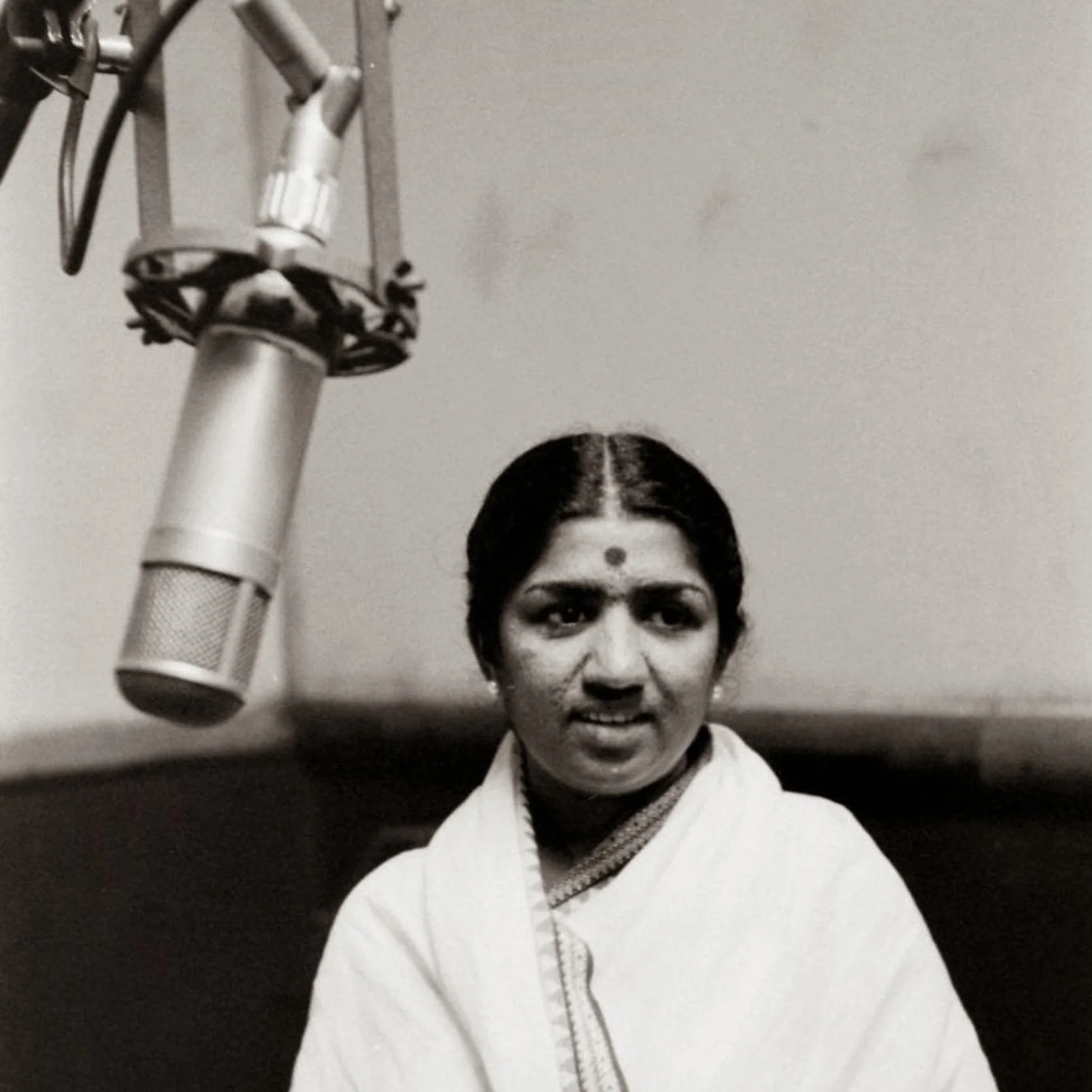
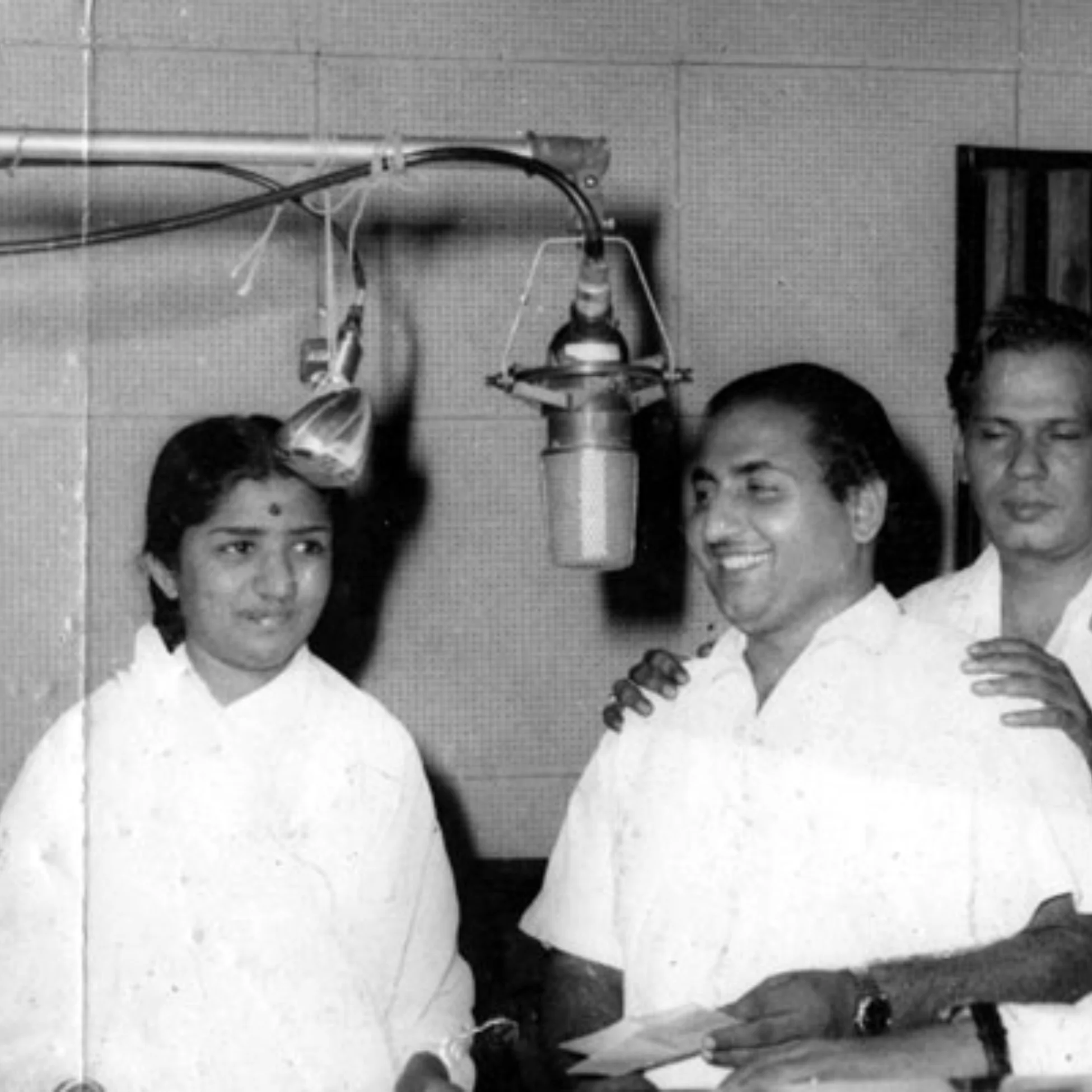
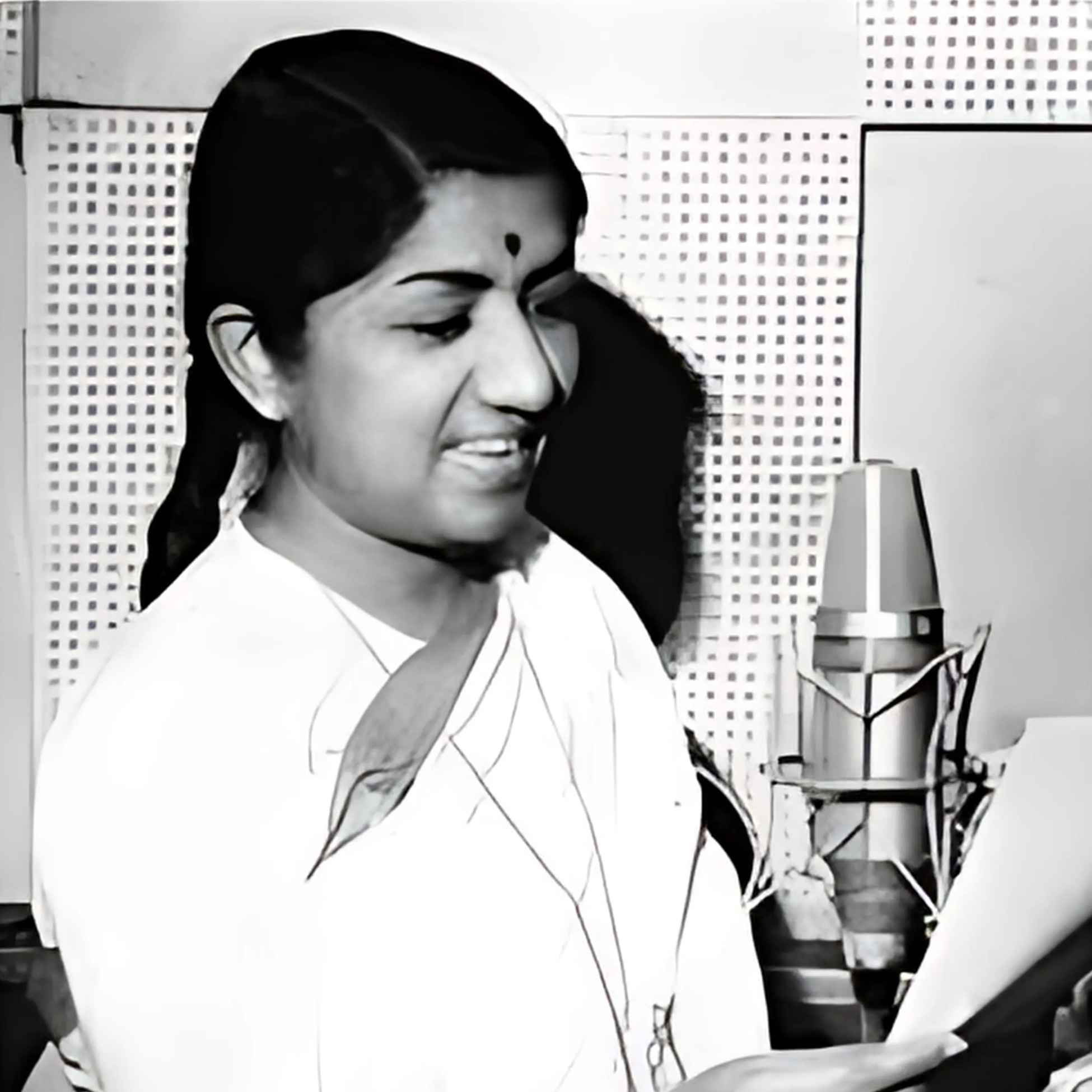
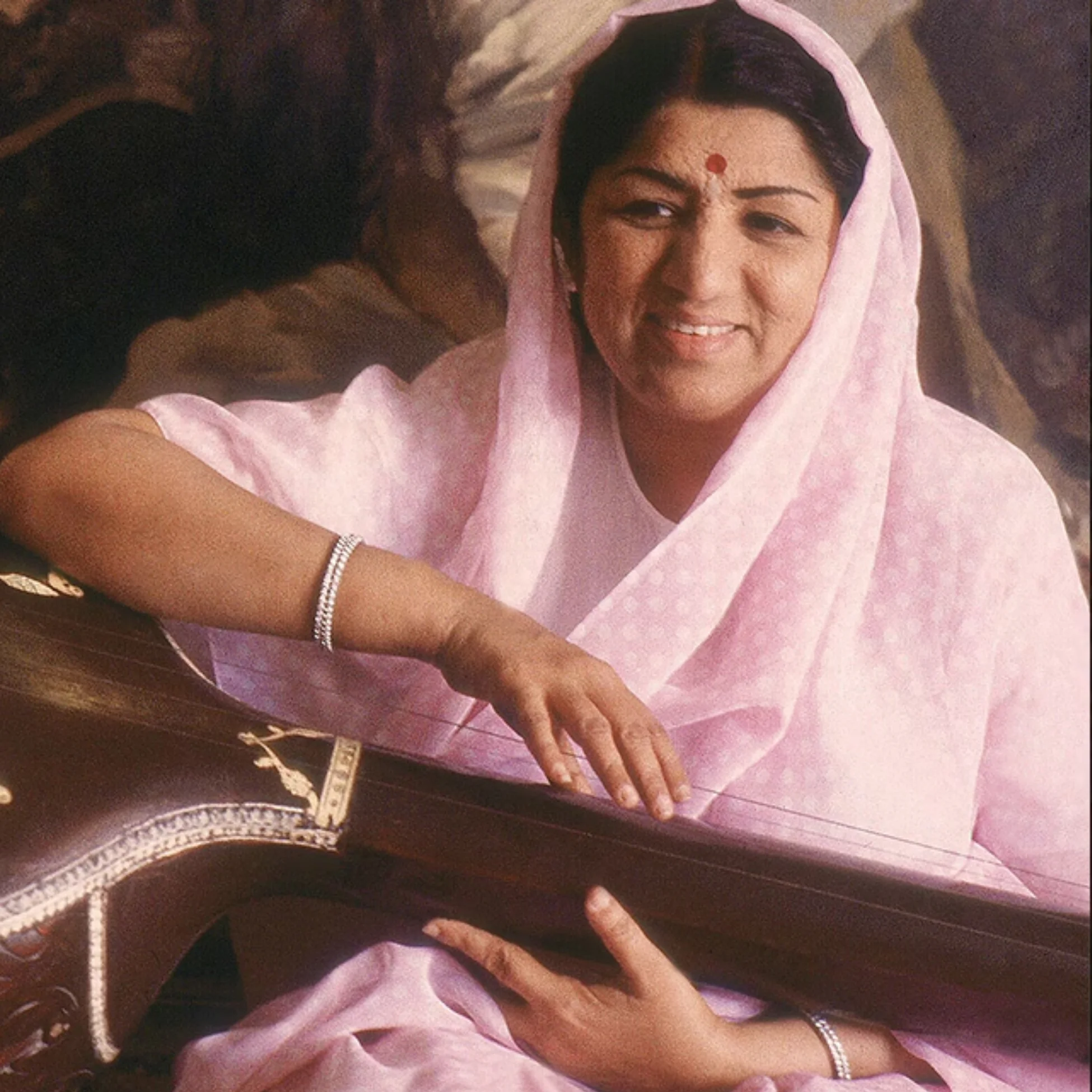
Lata Mangeshkar Singing

1995

Tujhe Dekha To (Dilwale Dulhania Le Jayenge) - A song that became synonymous with love stories in Bollywood.

Her collaborations with legendary composers like Madan Mohan, S.D. Burman, R.D. Burman, Laxmikant-Pyarelal, Kalyanji-Anandji, A.R. Rahman, and Shankar-Jaikishan produced some of the most unforgettable melodies in Indian cinema.

Awards & Achievements

Lata Mangeshkar’s contributions to music earned her numerous accolades:

  • Bharat Ratna (2001): India’s highest civilian honor.
  • Padma Vibhushan (1999) and Padma Bhushan (1969).
  • Dadasaheb Phalke Award (1989).
  • National Film Awards: 3 wins for Best Female Playback Singer.
  • Filmfare Awards: Multiple wins before she requested her name be withdrawn to encourage younger singers.
  • Guinness World Record: Recognized at one time as the most recorded artist in the world.

Beyond awards, her voice became the soundtrack of generations, spanning over seven decades and more than 30 languages, including Hindi, Marathi, Bengali, Tamil, Telugu, Gujarati, Kannada, and even foreign languages. Her songs carried not only melodies but emotions, leaving an indelible mark on the soul of India.

Conclusion

The Lata Mangeshkar Biography is the story of a voice that became India’s heartbeat. She wasn’t just a playback singer—she was the soul of Indian cinema, bridging generations through her timeless melodies.

From her humble beginnings in Indore to becoming the Nightingale of India, Lata Mangeshkar’s journey is one of resilience, dedication, and unparalleled artistry. Her music will forever remain a guiding force for India and the world.

Even though she is no longer physically with us, her songs ensure she lives on eternally—forever singing, forever inspiring.

FAQ's

Because of her melodious voice and unmatched contribution to Indian music, echoing the sweetness of a nightingale’s song.

She recorded over 30,000 songs in 36+ languages across a career spanning seven decades.

Her breakthrough song was Aayega Aanewala from the film Mahal (1949).

Yes, she was awarded the Bharat Ratna in 2001.
Ae Mere Watan Ke Logon (1963), a tribute to Indian soldiers.

Dr. A.P.J. Abdul Kalam – The Missile Man and People’s President

From a tea-seller to India’s longest-serving Prime Minister after Nehru, Narendra Modi embodies determination, vision, and transformative leadership

Quick Summary

Full Name: Avul Pakir Jainulabdeen Abdul Kalam
Born – Died: 15 October 1931 – 27 July 2015
Tenure(s) in Office: 11th President of India (2002–2007)
Political Party: Aerospace Scientist, Teacher, Author
Key Contributions:

  • Played key role in India’s missile development (Agni, Prithvi)

  • Led Pokhran-II nuclear tests (1998)

  • Advocated PURA (Providing Urban Amenities to Rural Areas)

  • Promoted education, youth empowerment, and innovation
    Quote: “Dream, dream, dream. Dreams transform into thoughts and thoughts result in action”

Introduction: Dr. A.P.J. Abdul Kalam – India’s Pride

Dr. Avul Pakir Jainulabdeen Abdul Kalam, widely known as Dr. A.P.J. Abdul Kalam, was a visionary leader, scientist, and the 11th President of India. Revered as the “Missile Man of India” due to his pivotal role in India’s missile development, Dr. Kalam was also a beloved figure, often referred to as the “People’s President” for his humility, simplicity, and commitment to education and national development.

This individual profile provides an in-depth look into the life, achievements, and lasting legacy of Dr. A.P.J. Abdul Kalam. From his scientific breakthroughs to his inspirational speeches, this page is designed to give readers a comprehensive understanding of one of India’s greatest figures.

Early Life and Education

Dr. A.P.J. Abdul Kalam was born on 15th October 1931 in Rameswaram, a small town in Tamil Nadu. Coming from a modest background, his father, Jainulabdeen, was a boat owner, and his mother, Ashiamma, was a housewife. Despite financial hardships, Kalam was a diligent student, showing an early interest in science and mathematics.

He completed his schooling in Rameswaram and went on to study physics at St. Joseph’s College, Tiruchirappalli, graduating in 1954. Following this, he pursued aerospace engineering at the Madras Institute of Technology (MIT), where he displayed an early aptitude for aeronautics.

Key Facts:

  • Born: 15th October 1931, Rameswaram, Tamil Nadu
  • Education: Bachelor’s in Physics, St. Joseph’s College; Aerospace Engineering, MIT
  • Early Ambition: Dreamt of becoming a fighter pilot; however, he narrowly missed his chance, placing ninth when only eight positions were available.

Journey in Pictures

1931

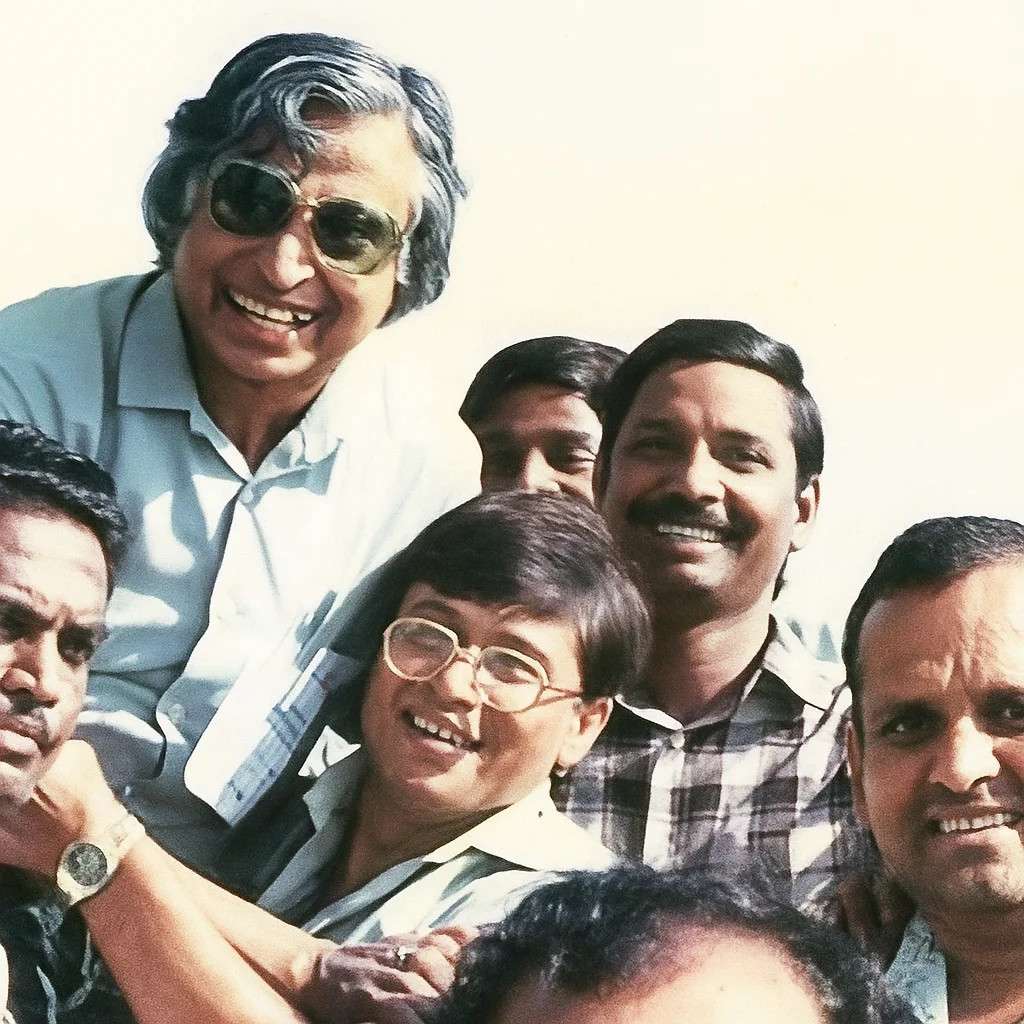
Young Dr. APJ Abdul Kalam from his college days

1960

Dr. APJ Abdul Kalam with Dr. Vikram Sarabhai in ISRO

1980-90's

DRDO archives, the first successful launch of Agni

1998

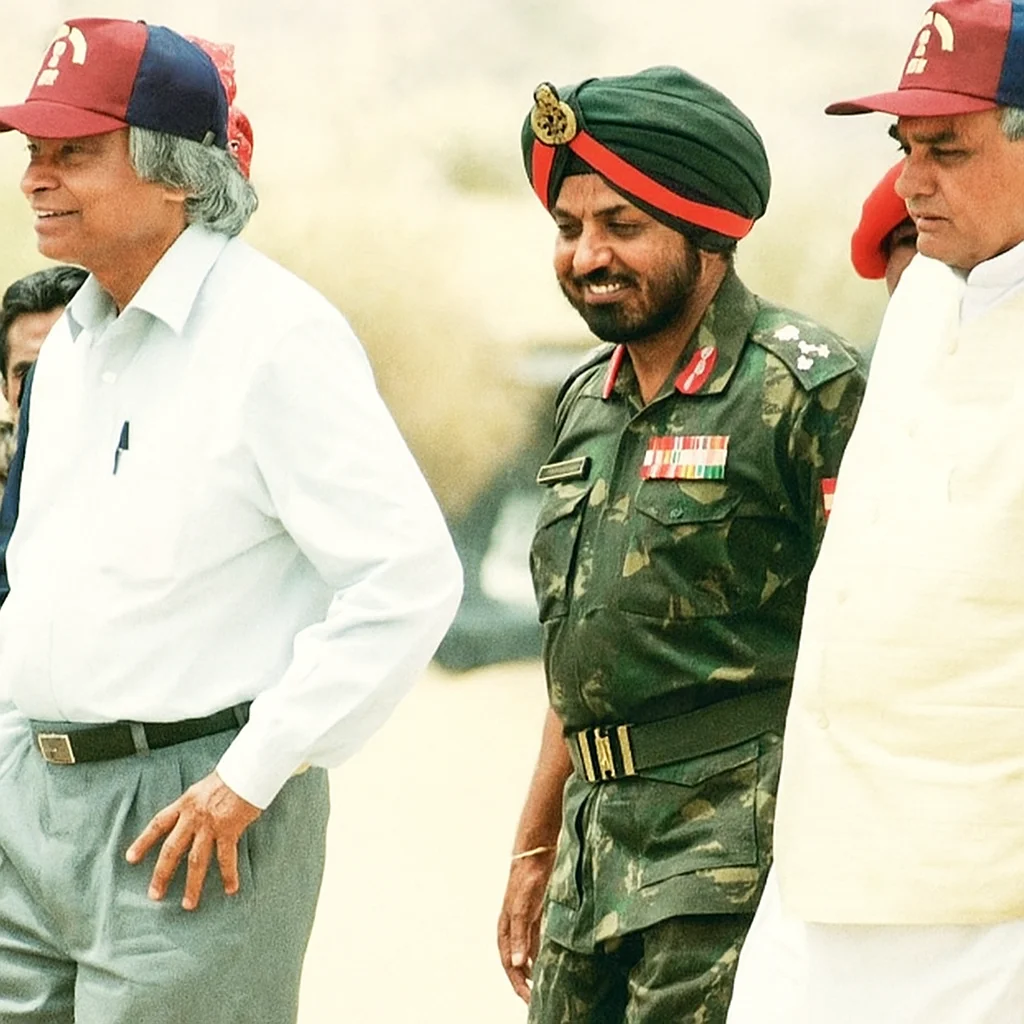
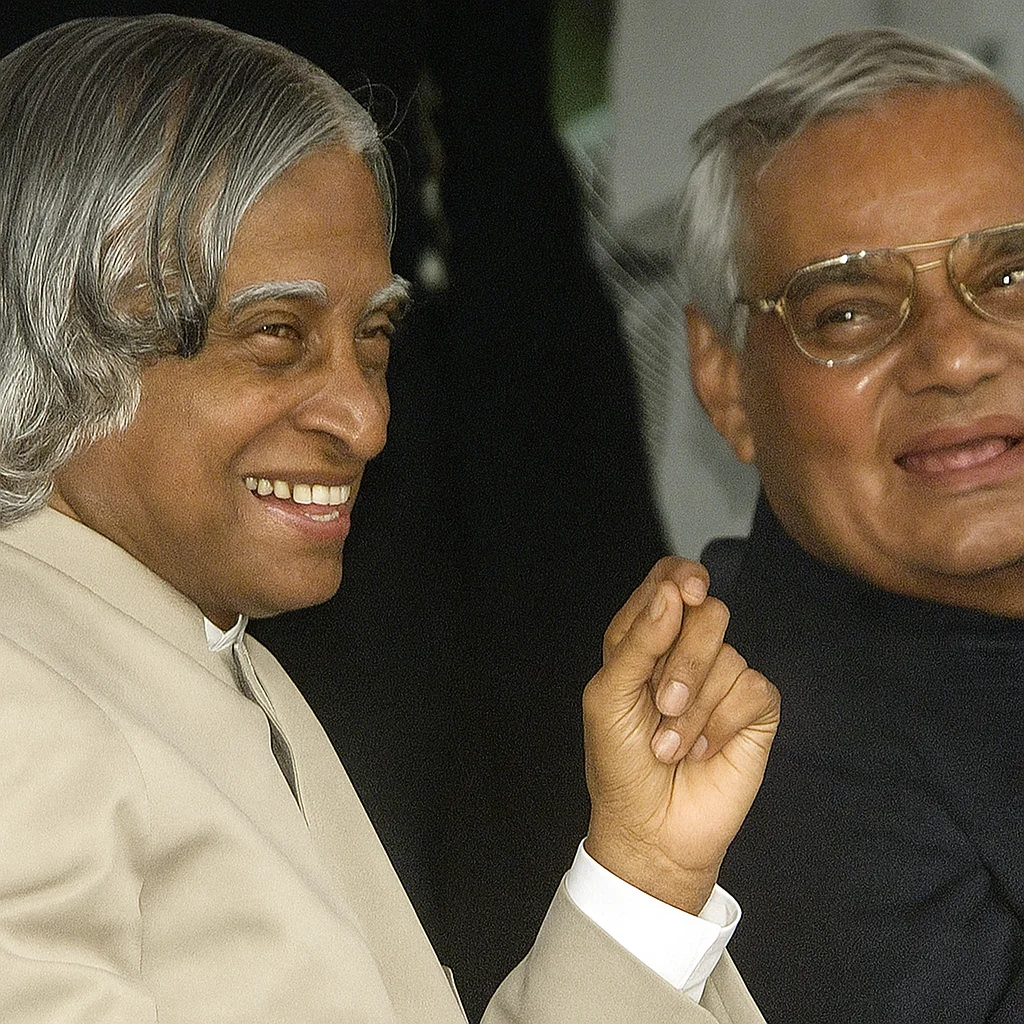
Dr. APJ Abdul Kalam and Atal Bihari Vajpayee during Pokhran-II test

2002

Dr. APJ Abdul Kalam Taking oath as President of India

2015

Dr. APJ Dbdul Kalam last lecture at IIM Shillong

Career in Science: The Missile Man of India

1. Early Career at DRDO 
After completing his studies, Kalam joined the Defence Research and Development Organisation (DRDO) in 1960, where he worked on small helicopter projects. His passion for aerospace engineering and missile development took root during his time here.

2. Key Contributions to ISRO
Dr. Kalam’s career took a monumental turn when he moved to the Indian Space Research Organisation (ISRO) in 1969. Here, he played a pivotal role in developing India’s first satellite launch vehicle (SLV-III), which successfully deployed the Rohini satellite in orbit in 1980. This was India’s first major step toward becoming a space power.

3. Missile Development at DRDO
Returning to DRDO in the 1980s, Dr. Kalam spearheaded the Integrated Guided Missile Development Program (IGMDP). His work led to the development of several successful missiles, including Agni, Prithvi, Trishul, and Nag, which earned him the title “Missile Man of India.” These missile systems became a cornerstone of India’s defense capabilities, bolstering national security.

Key Scientific Contributions:

  • SLV-III Project (ISRO): India’s first successful satellite launch vehicle.
  • Agni and Prithvi Missiles: Strengthened India’s defense systems.
  • Pokhran-II Nuclear Tests (1998): Kalam played a leading role in India’s second nuclear tests, marking a major milestone in India’s defense strategy.

The People's President: 11th President of India (2002-2007)

Dr. A.P.J. Abdul Kalam was elected as the 11th President of India in 2002. His tenure as president was marked by his humble, accessible, and inspirational approach to governance. 
Often referred to as the People’s President, Kalam used his office to inspire the nation, particularly its youth, through speeches, books, and interactions.

Kalam’s focus during his presidency extended beyond politics. He remained committed to education, science, and technology and encouraged young minds to dream big. His famous speeches and books, such as “Wings of Fire” and “Ignited Minds,” continue to inspire millions of Indians.

Unlike many presidents, Kalam was a frequent visitor to schools, universities, and institutions across the country. His presidency saw him establish a connection with the masses that few leaders could achieve, reflecting his genuine concern for the common people.

Key Achievements as President:

  • Advocacy for Education: Dr. Kalam believed that the future of India lay in the hands of its youth and often emphasized the importance of education and innovation.
  • Accessibility to the People: Known for being approachable, Dr. Kalam connected with citizens from all walks of life, regardless of social or economic status.
  • Vision for India 2020: Dr. Kalam envisioned India becoming a developed nation by 2020, and his plans outlined steps for sustainable growth, technology, and social welfare.

Post-Presidency and Contributions to Education

After completing his term as president, Dr. Kalam dedicated himself to academia, serving as a visiting professor at several prestigious institutions, including the Indian Institute of Science and the Indian Institute of Technology. His engagements involved lectures, inspiring talks, and initiatives to foster innovation among the younger generation.

Kalam’s dream of an India powered by innovation led him to establish multiple programs focused on encouraging scientific research and leadership development in young Indians. His “What Can I Give” movement was aimed at instilling a sense of social responsibility and contributing to the nation’s growth.


Key Contributions Post-Presidency:

  • Educational Reforms: Kalam engaged extensively with students, encouraging scientific research and leadership development.
  • Books and Publications: Kalam authored several books that inspired millions, including “Wings of Fire” (his autobiography), “Ignited Minds,” and “A Manifesto for Change.”

Dr. Kalam’s Legacy and Lasting Impact

Dr. A.P.J. Abdul Kalam’s sudden demise on 27th July 2015 left the nation in mourning. He collapsed while delivering a lecture at the Indian Institute of Management, Shillong, where he was engaging with students on his favorite topic—“Creating a Livable Planet Earth.” His death marked the end of an era, but his legacy continues to live on in the hearts and minds of millions.

His contributions to India’s scientific community, his leadership as president, and his dedication to education and youth empowerment have left an indelible mark on the country.

Legacy in Frames

Scientific Legacy: Father of India’s missile programme, pivotal in nuclear capability

Educational Inspiration: Inspired millions of students through books like Wings of Fire and lectures

Dr. APJ Abdul Kalam

Leadership Style: Known as the “People’s President” for his accessibility and humility

National Development Vision: PURA model and India 2020 vision document

Latest Facts and Developments

1. India’s Space Program: Dr. Kalam’s contribution to India’s space and missile programs continues to influence current developments. As of 2023, India’s space agency ISRO has achieved several milestones, including the success of Chandrayaan-3.

2. Memorials and Institutions: Several institutions have been named in his honor, including the Dr. A.P.J. Abdul Kalam Memorial in Rameswaram, Tamil Nadu, and various educational scholarships and programs that support the underprivileged.

3. Recognition: Dr. Kalam was posthumously awarded several honors, including initiatives like the Abdul Kalam National Memorial and academic programs established in his name.

Modi in Contemporary Context

Dr. A.P.J. Abdul Kalam is remembered not just as a scientist or a President, but as a teacher and visionary who touched lives across generations. His speeches and books continue to inspire students, innovators, and leaders worldwide. Today, he stands as a symbol of integrity, simplicity, and the boundless power of education and dreams.

Conclusion - Dr. A.P.J. Abdul Kalam – A True Indian Icon

Dr. A.P.J. Abdul Kalam’s life story is one of dedication, resilience, and an unwavering commitment to the nation. His journey from a humble background to becoming one of India’s most revered figures serves as an inspiration for generations. His contributions to science, technology, and education, along with his enduring legacy as the People’s President, truly make him a shining example of India’s pride—a man who continues to ignite minds across the nation.

FAQ's

He pursued physics at St. Joseph’s College and later studied aerospace engineering at MIT in Chennai.

Dr. Kalam led the development of key missile systems under the IGMDP, including Agni and Prithvi, significantly strengthening India’s defense capabilities.

Dr. Kalam played a pivotal role in India’s Pokhran-II nuclear tests in 1998, cementing India's status as a nuclear power.

His humility, accessibility, and genuine commitment to the nation’s youth and education earned him this title.

Dr. Kalam’s India Vision 2020 focused on transforming India into a developed nation through technological advancement, education, and sustainable growth.

Dr. Kalam’s major contributions include his role in India’s missile development, nuclear tests, and his presidency, during which he inspired millions, particularly the youth

His leadership in the SLV-III program and his work at ISRO and DRDO laid the foundation for India’s modern space program, making him a key figure in its success.

His humility, accessibility, and focus on education and the common people earned him
this title.

Atal Bihari Vajpayee – The Statesman and Poet Prime Minister

Atal Bihari Vajpayee blended politics with vision and humanity

Quick Summary

Full Name: Atal Bihari Vajpayee
Born – Died: 25 December 1924 – 16 August 2018
Tenure(s) in Office: Prime Minister of India (1996, 1998–2004)
Political Party: Bharatiya Janata Party (BJP)
Key Contributions:

  • Conducted Pokhran-II nuclear tests in 1998

  • Initiated Golden Quadrilateral highway project

  • Strengthened India’s telecom & IT sectors

  • Advocated peace with Pakistan through Lahore Summit
    Famous Quote: “You can change friends, but not neighbours”

Introduction: A Force of Change

Atal Bihari Vajpayee, the 10th Prime Minister of India, was a visionary leader who left an indelible mark on Indian politics. He is widely celebrated for his oratory, statesmanship, and poetic soul. Vajpayee’s tenure was marked by his commitment to India’s economic development, peace, and democratic values. A leader who brought inclusivity and a balanced approach to governance, he was loved and respected across party lines.

In this profile, we take a deep dive into his journey from being a young freedom fighter to one of India’s most cherished Prime Ministers. This page is designed to be an authoritative resource for anyone seeking a comprehensive understanding of Vajpayee’s contributions, policies, and legacy.

Early Life and Education

Born on 25th December 1924 in Gwalior, Atal Bihari Vajpayee grew up in a middle-class family with strong values. His father, Krishna Bihari Vajpayee, was a school teacher and a poet, a trait Atal inherited and nurtured throughout his life.

Atal showed an early interest in the independence movement, and by his teenage years, he became actively involved in politics, joining the Rashtriya Swayamsevak Sangh (RSS). Vajpayee’s leadership qualities were recognized early, and he became an active member of the Bharatiya Jana Sangh (BJS), the precursor to the Bharatiya Janata Party (BJP). He was elected to the Lok Sabha for the first time in 1957 and was known for his powerful speeches and balanced viewpoints.

Key Facts:

  • Born: 25th December 1924, Gwalior
  • Political Affiliations: RSS, Bharatiya Jana Sangh, Bharatiya Janata Party (BJP)
  • First Lok Sabha Election Victory: 1957
  • Renowned for: Oratory skills, poetry, visionary governance

Journey in Pictures

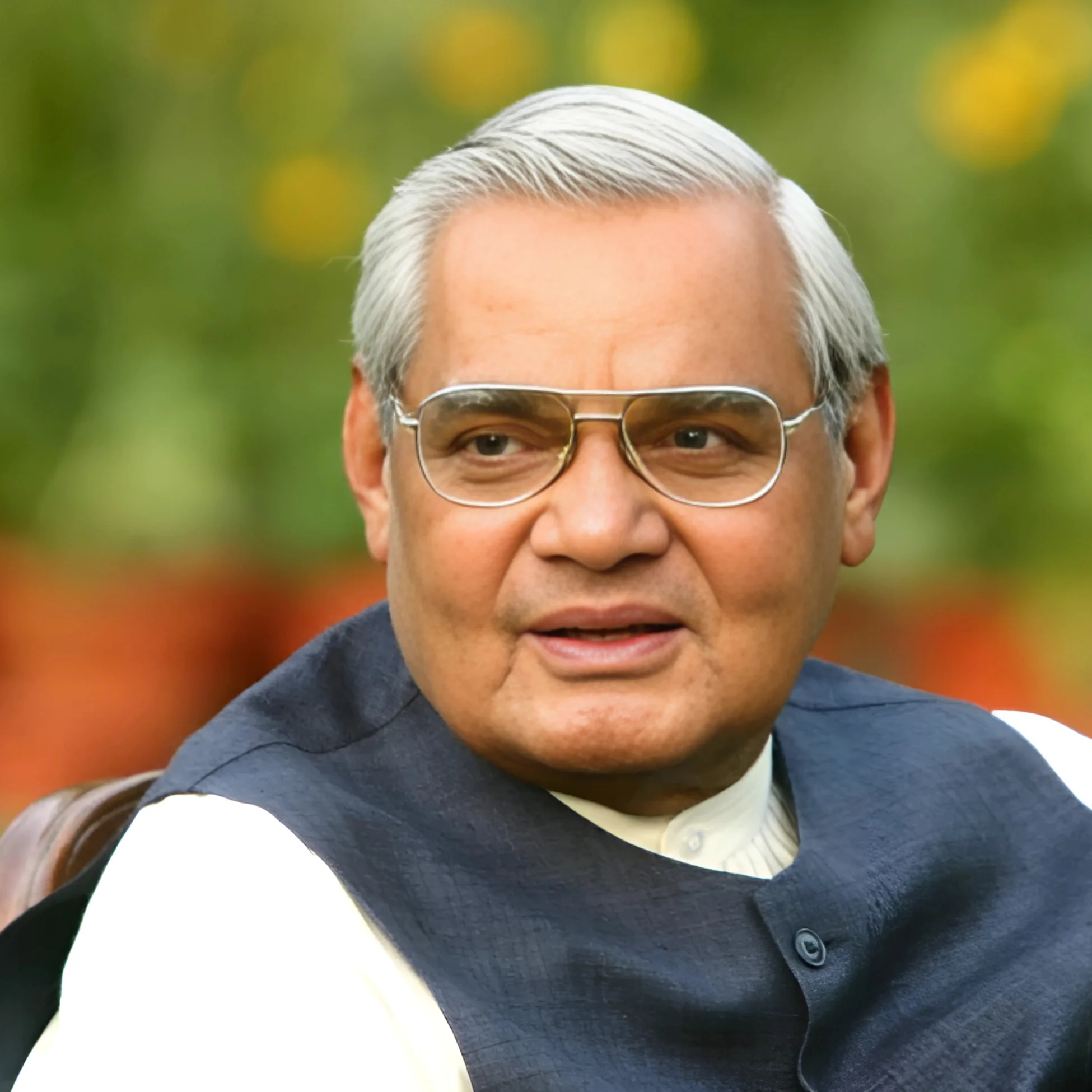
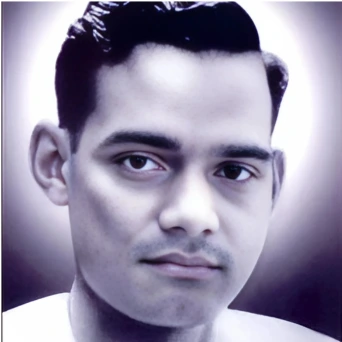
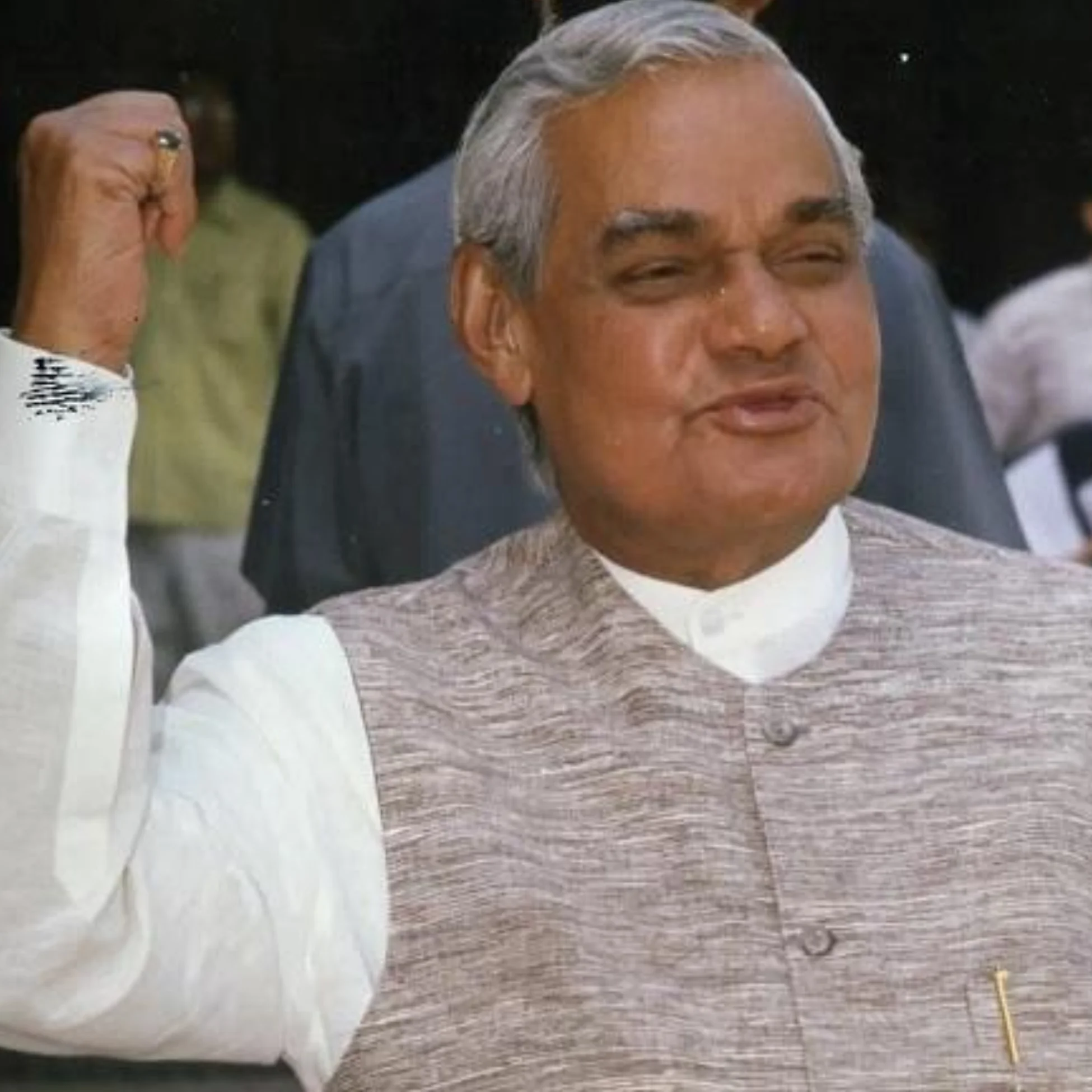
Atal Bihari Vajpayee Young days

1950

Vajpayee as a young

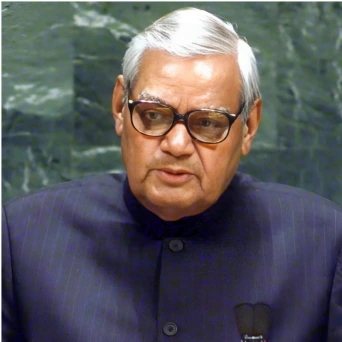
Atal Bihari Vajpayee in UN

1977

Addressing UN in Hindi

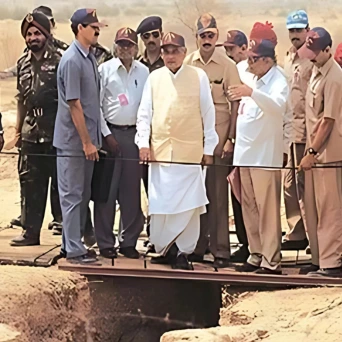
Atal Bihari Vajpayee in Pokhran

1988

Abdul Kalam during Pokhran-II tests

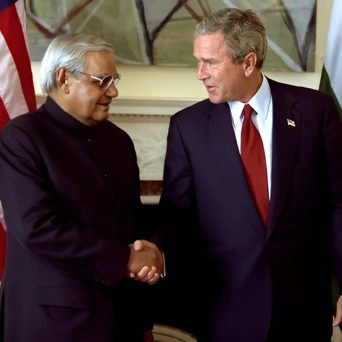
Atal Bihari Vajpayee with Bush

2000

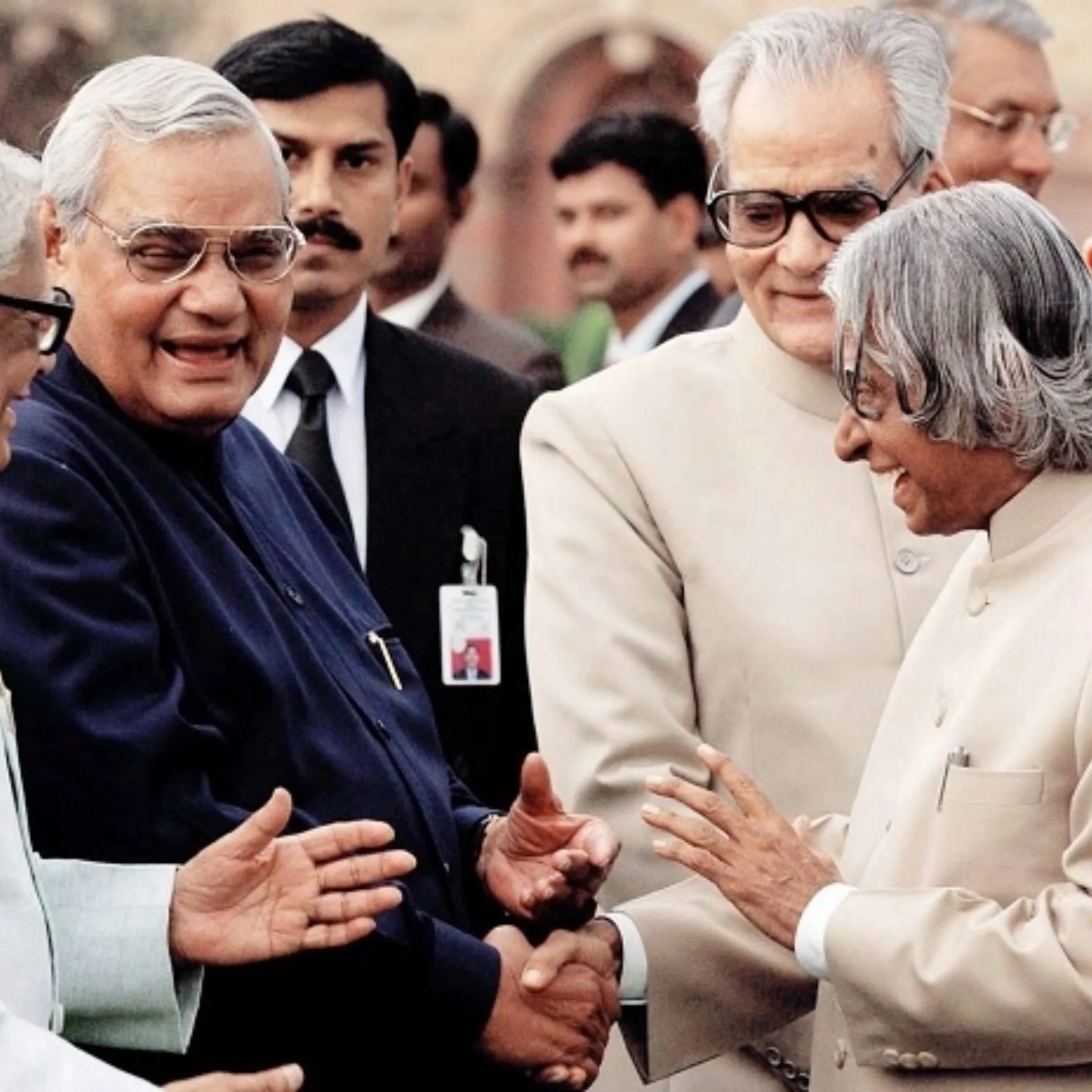
With world leaders (Bill Clinton, etc.)

2004

Atal Bihari Vajpayee speech in Parliament

Rise to National Prominence

Atal Bihari Vajpayee’s rise to prominence began with his role as a key leader of the Bharatiya Jana Sangh, which later evolved into the BJP. His stature in national politics grew steadily as he became known for his eloquent speeches and commitment to national development. His vision of integrated development, inclusive politics, and India-first policies resonated with many.

In 1977, after the Emergency imposed by Indira Gandhi, Vajpayee became the Minister of External Affairs in the Janata Party government. His contributions in strengthening India’s international relations, particularly with neighboring countries, were widely appreciated. 

Key Events:

  • 1977-1979: Served as the Minister of External Affairs in the Janata Party government.

  • 1980: Played a key role in founding the Bharatiya Janata Party (BJP).

Tenure as Prime Minister of India

Atal Bihari Vajpayee served as the Prime Minister of India three times: first for a brief period in 1996, then from 1998 to 2004. His tenure is remembered for his leadership in transforming India’s economy, improving infrastructure, and enhancing India’s global standing. Let’s explore the key milestones during his tenure.

1. Economic Reforms
Under Vajpayee’s leadership, India underwent significant economic reforms. His government is credited with liberalizing the economy further, building infrastructure, and promoting privatization in key sectors. One of his flagship programs was the National Highways Development Project (NHDP), which created the Golden Quadrilateral—a network of highways connecting major Indian cities.

Key Fact:
The Golden Quadrilateral is the largest express highway project in India, spanning over 5,846 kilometers and connecting Delhi, Mumbai, Chennai, and Kolkata.

2. Nuclear Tests: Pokhran II
One of Vajpayee’s most significant moments as Prime Minister was the successful conduct of the Pokhran-II nuclear tests in 1998, which declared India as a nuclear power. Despite international sanctions, Vajpayee stood firm in defending India’s right to self-defense and ensured the country’s energy security.

Key Fact:
The Pokhran-II nuclear tests consisted of five detonations, conducted in May 1998, and positioned India as a nuclear-armed state, capable of deterring aggression. 

3. Lahore Summit and Kargil War
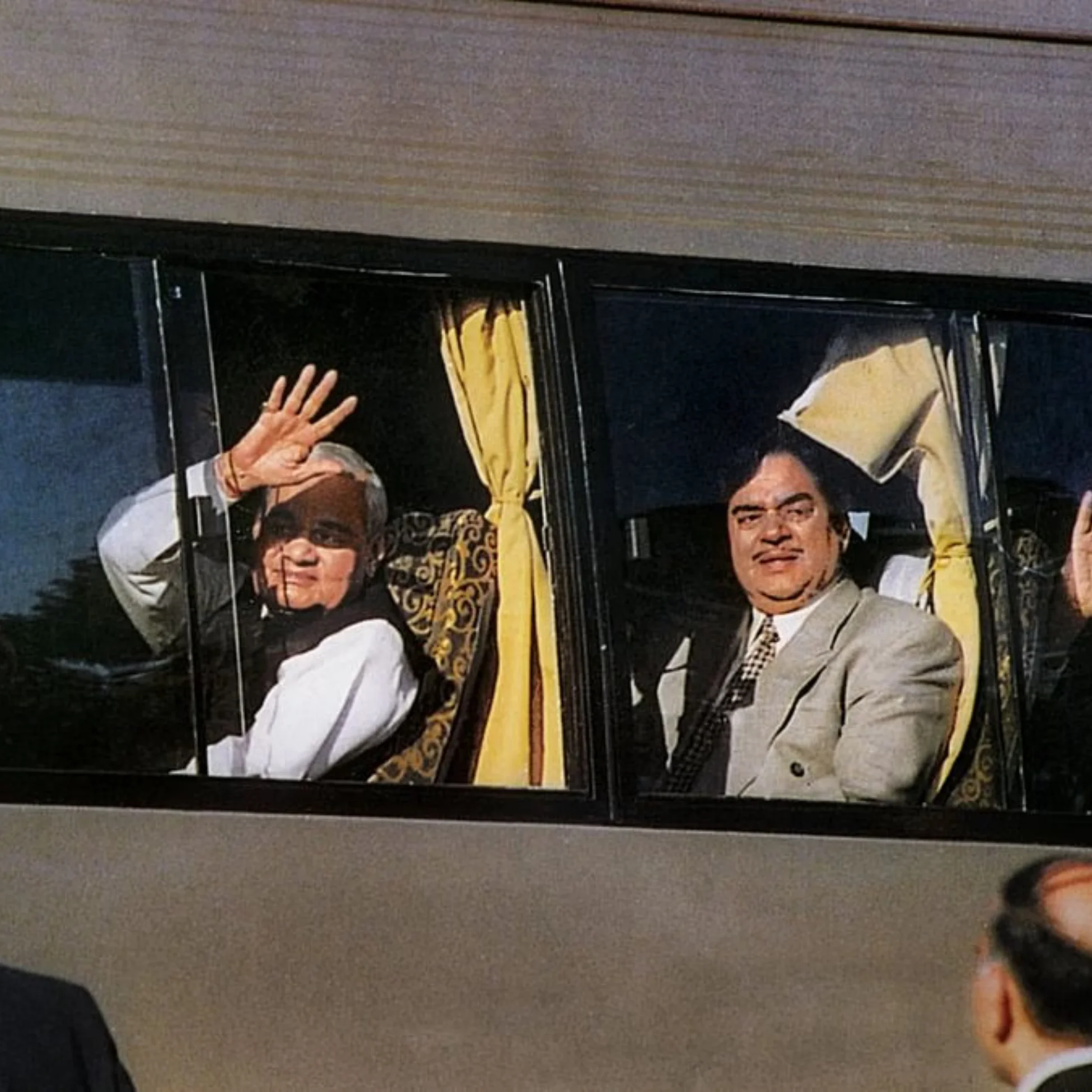
Vajpayee’s approach to foreign relations was a mix of diplomacy and firmness. In 1999, he initiated the Lahore Bus Yatra, a diplomatic outreach to Pakistan aimed at fostering peaceful relations between the two countries. However, this effort was derailed by the Kargil War, when Pakistan infiltrated Indian territory in Kashmir. Vajpayee’s leadership during the Kargil War was widely admired, and India successfully reclaimed its territory.

Key Fact:
The Kargil War ended in July 1999, with India regaining control over its posts. Vajpayee’s government received widespread praise for its handling of the conflict.

4. Sarva Shiksha Abhiyan
Atal Bihari Vajpayee’s government also launched the Sarva Shiksha Abhiyan, an ambitious program aimed at universalizing elementary education across India. His commitment to education was evident in his focus on improving literacy rates, particularly in rural areas.

Later Years and Legacy

Atal Bihari Vajpayee stepped down as Prime Minister in 2004, after which he gradually withdrew from active politics due to health issues. He was widely regarded for his balanced and moderate leadership, his ability to unite different factions, and his vision for a modern and progressive India.

In 2015, Vajpayee was awarded India’s highest civilian honor, the Bharat Ratna, for his contributions to the nation. He passed away on 16th August 2018 at the age of 93.

Legacy and Impact

Vajpayee’s contributions to Indian politics and society remain unparalleled. His balanced approach, even during the most tumultuous times, earned him respect across political lines. He is remembered as a poet-prime minister who brought humanity and compassion to the highest office. His foreign policies, economic reforms, and infrastructural projects continue to shape modern India.

Key Facts:

  • Bharat Ratna: Awarded in 2015
  • Death: 16th August 2018, New Delhi

Legacy in Frames

Nuclear Strength → Pokhran-II established India as a nuclear power.

Economic Reforms → Telecom & IT liberalization opened India to global markets.

Infrastructure Vision → Golden Quadrilateral revolutionized India’s highways.

Peace Efforts → Lahore bus journey, dialogue with Pakistan.

Vajpayee in Contemporary Context

Atal Bihari Vajpayee’s legacy remains deeply relevant in today’s India. His vision for economic liberalization laid the foundation for India’s IT revolution, which continues to drive growth.

His infrastructure projects, particularly the Golden Quadrilateral, are still central to India’s connectivity. Even in foreign policy, his mix of nuclear assertion and peace diplomacy shapes India’s strategic stance today. Revered as the “Gentle Giant” of Indian politics, Vajpayee continues to inspire leaders across parties.

Atal Bihari Vajpayee, The Unifying Leader

Atal Bihari Vajpayee was not just a politician; he was a statesman who envisioned a modern, strong, and united India. His policies in infrastructure, foreign relations, and nuclear security are lasting legacies that continue to shape India today. His leadership was defined by courage, compassion, and a genuine commitment to improving the lives of Indian citizens. 

Through this page, India Ki Shaan honors the legacy of a leader who stood for integrity, national pride, and progress. Explore more about India’s political icons in our Politics section.

FAQ's

Vajpayee began his political career as a young freedom fighter and later joined the Rashtriya Swayamsevak Sangh (RSS). He was elected to the Lok Sabha for the first time in 1957.

Vajpayee was one of the founding members of the BJP in 1980, after the split of the Janata Party. His leadership and vision shaped the party's early years.

Vajpayee focused on liberalizing the Indian economy, promoting privatization, and improving infrastructure. His Golden Quadrilateral project revolutionized India’s road network.

Vajpayee led the government during the Pokhran-II nuclear tests in 1998, which declared India as a nuclear power despite facing international sanctions.

Vajpayee was known for his poetic writings and speeches. His book of poems, "Meri Ekyavan Kavitayen", reflects his literary flair.

Vajpayee's key contributions include conducting the Pokhran-II nuclear tests, the Golden Quadrilateral project, economic liberalization, and promoting peace with Pakistan through the Lahore Summit.

His moderate leadership, focus on infrastructure, and ability to maintain a balance between development and diplomacy earned him a place as one of India’s most respected leaders.

Jawaharlal Nehru

Jawaharlal Nehru Architect of Modern India

A visionary leader who laid the foundation of India’s democratic and scientific progress.

Quick Summary

Full Name: Pandit Jawaharlal Nehru
Born – Died: 14 November 1889 – 27 May 1964
Tenure(s) in Office: Prime Minister of India (15 August 1947 – 27 May 1964)
Political Party: Indian National Congress
Key Contributions:

  • Architect of modern India’s democratic institutions

  • Championed Non-Aligned Movement

  • Founded IITs, AIIMS, and other key institutions
    Notable Quote: “At the stroke of the midnight hour, when the world sleeps, India will awake to life and freedom.”

Introduction: Celebrating a Nation Builder

Jawaharlal Nehru, India’s first Prime Minister, is one of the most influential figures in the history of the nation.

Known for his role in shaping independent India’s socio-economic and political landscape, Nehru’s leadership laid the foundation for the world’s largest democracy. His forward-thinking policies in education, science, and foreign affairs have left an indelible mark on modern India.

This page will explore Nehru’s life, his critical role in India’s freedom struggle, his tenure as Prime Minister, and his lasting contributions to the development of a free, secular, and progressive India.

Early Life and Education

Born on 14th November 1889, Jawaharlal Nehru grew up in a privileged family in Allahabad, Uttar Pradesh. His father, Motilal Nehru, was a prominent lawyer and politician, a member of the Indian National Congress, and a key figure in the Indian independence movement. Nehru’s upbringing, marked by exposure to Western education and Indian nationalist ideals, shaped his worldview.

Nehru was educated at the prestigious Harrow School in England, followed by Trinity College, Cambridge, where he studied natural sciences. He later pursued law at the Inns of Court in London, earning a degree that would prepare him for his political career.

Key Facts:

  • Born: 14th November 1889, Allahabad, British India
  • Education: Harrow School, Trinity College, Inns of Court (London)
  • Father: Motilal Nehru (INC leader and lawyer)
  • Political Ideology: Democratic socialism, secular

Journey in Pictures

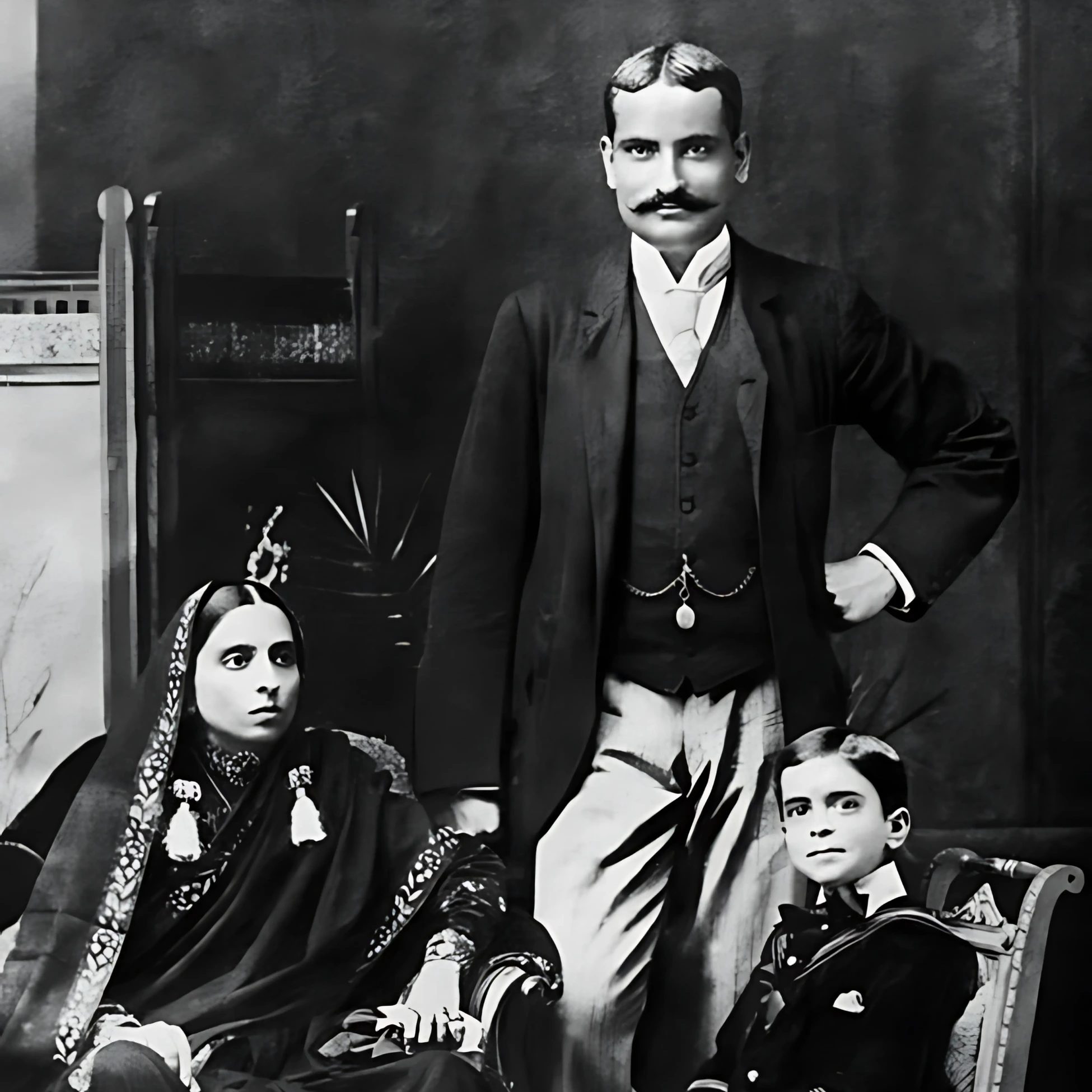
1889

Childhood — Early family portrait from Allahabad.

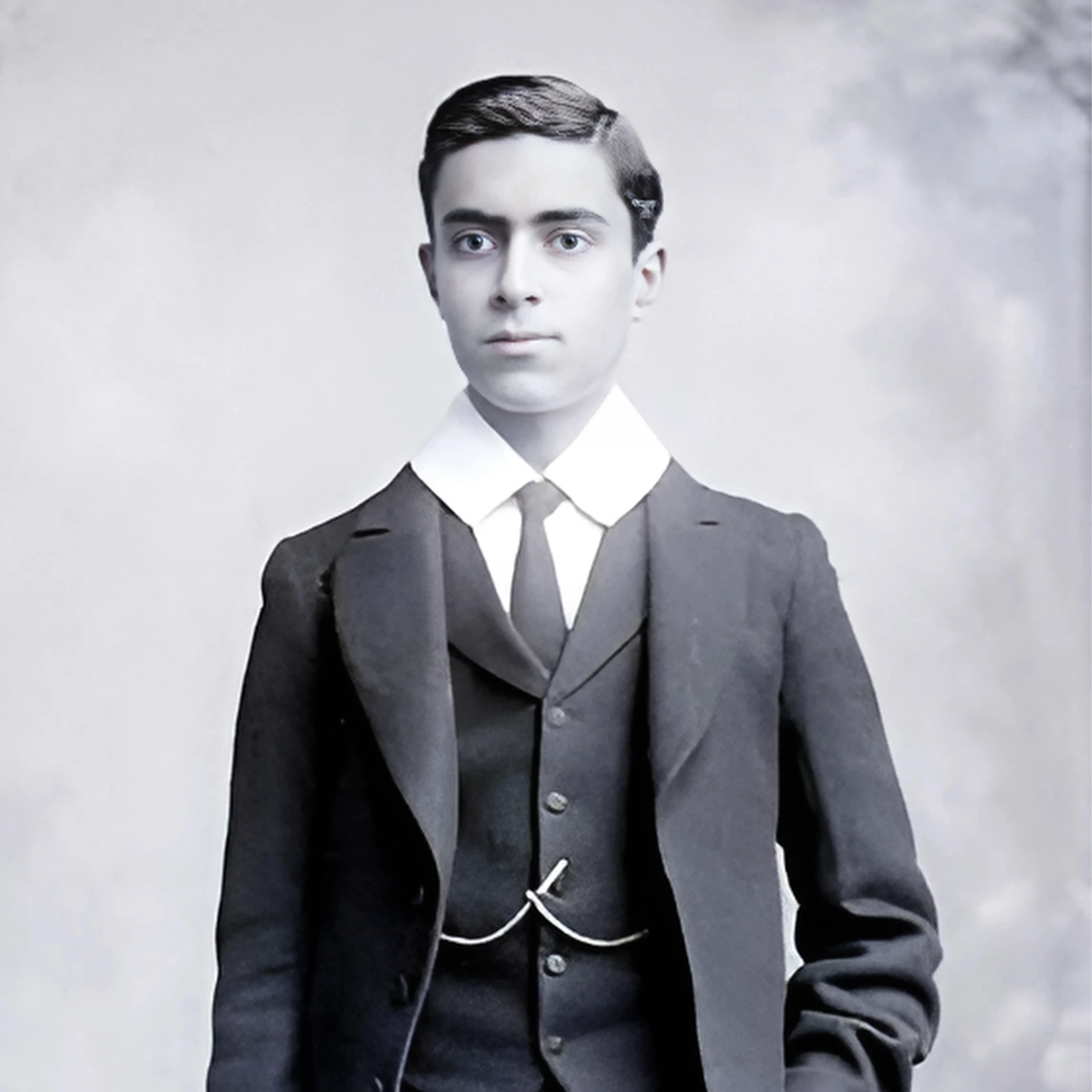
1907

Student Years — Trinity College period.

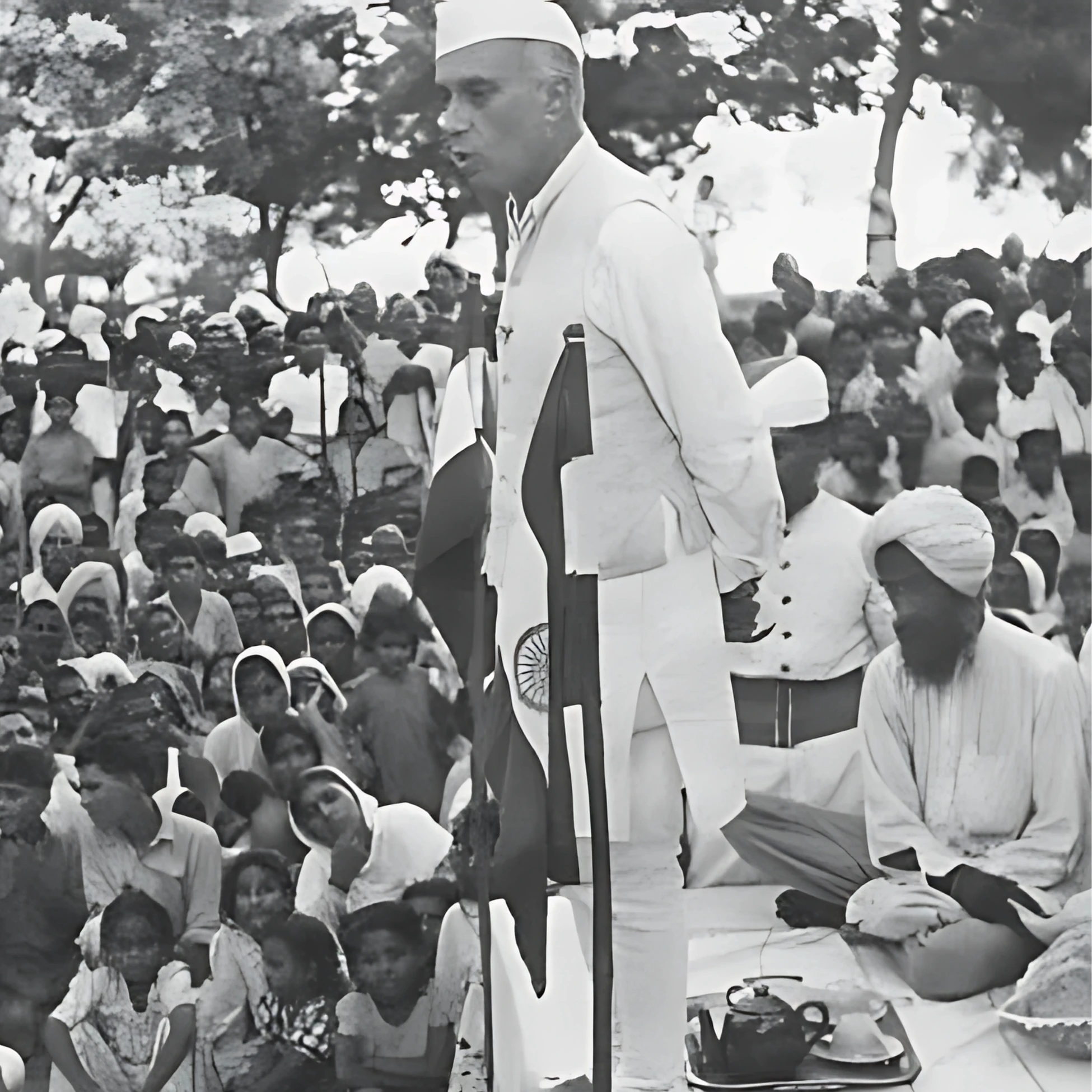
1930

Freedom Struggle — Addressing a gathering.

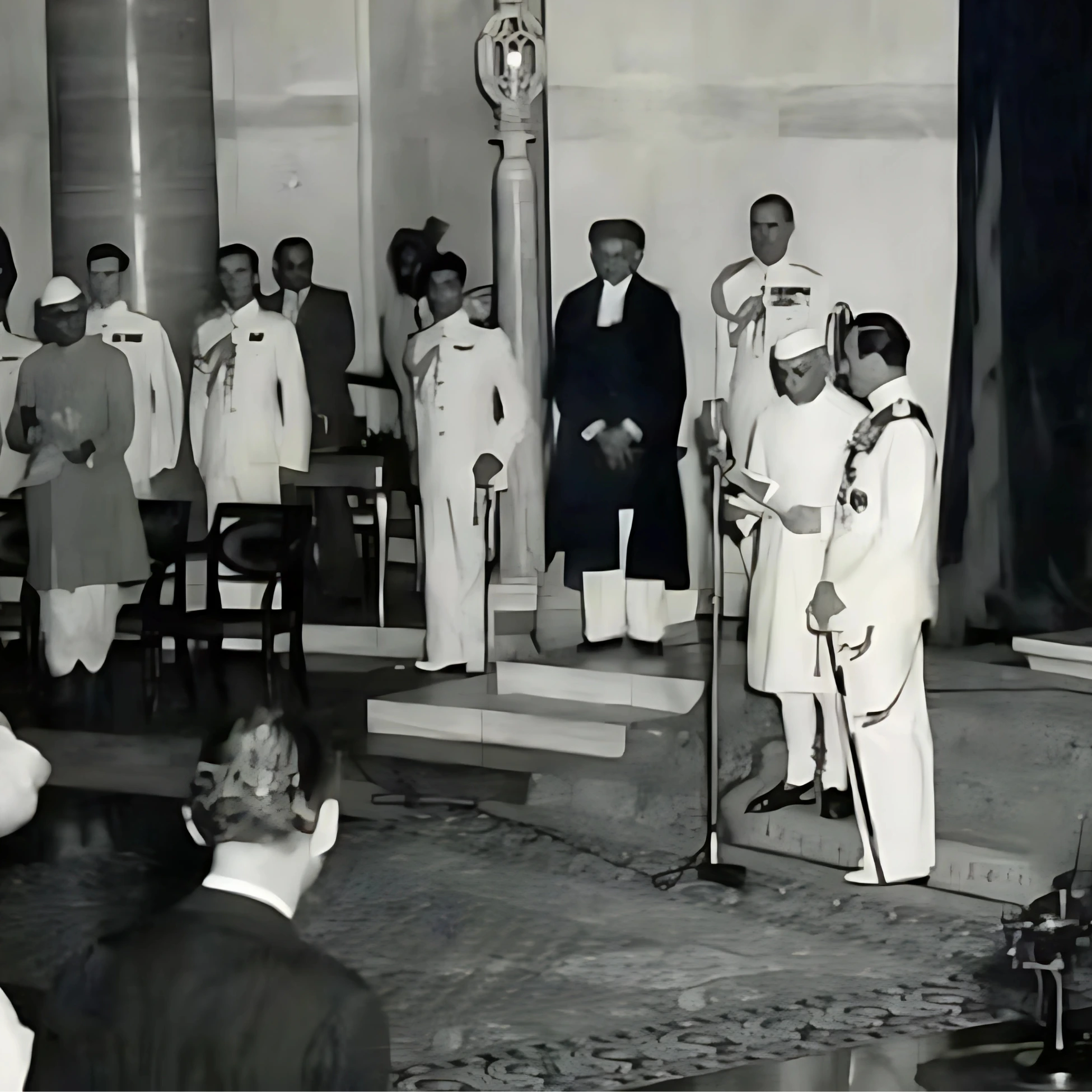
1947

Independence — Oath as India’s first Prime Minister.

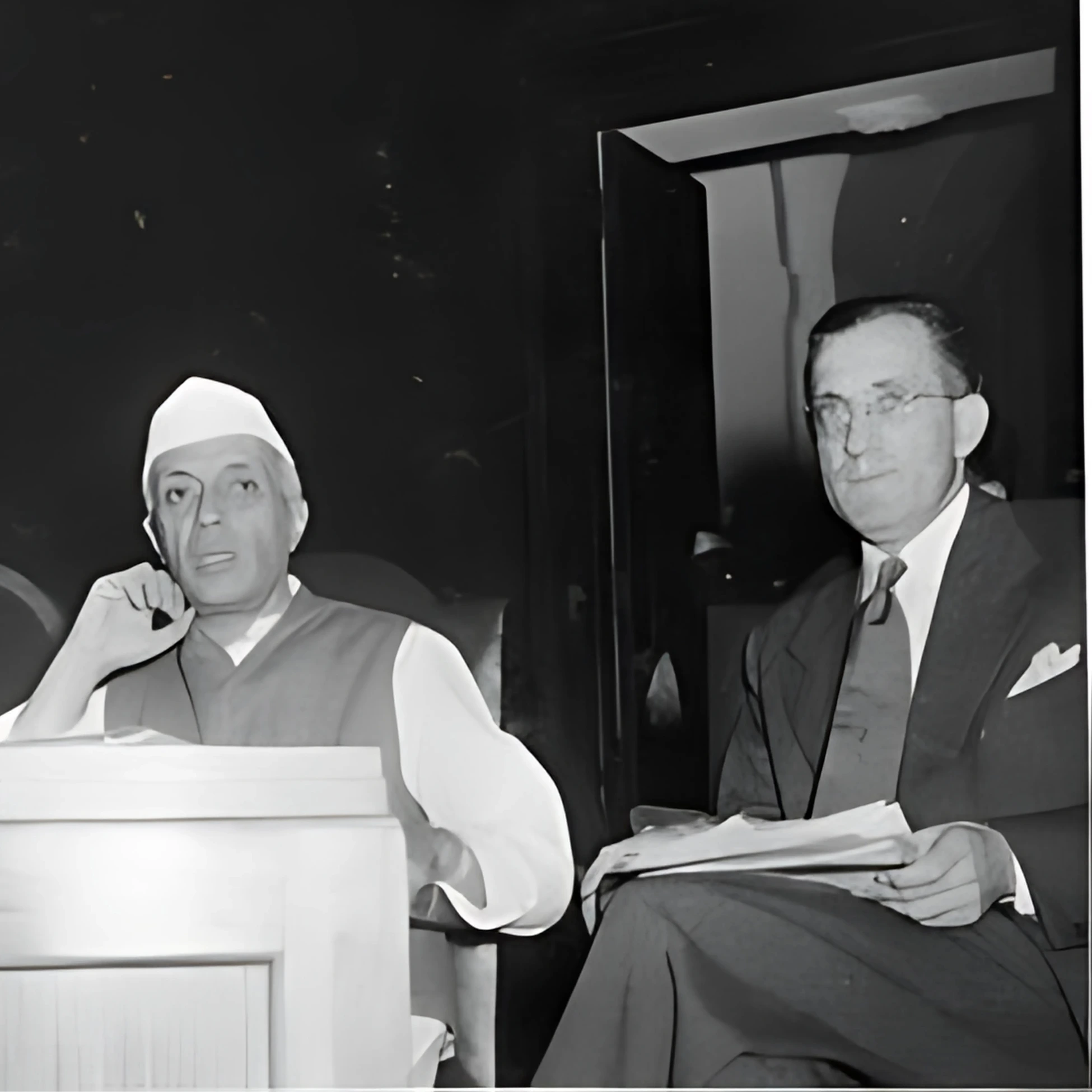
1955

World Stage — Non-Aligned diplomacy .

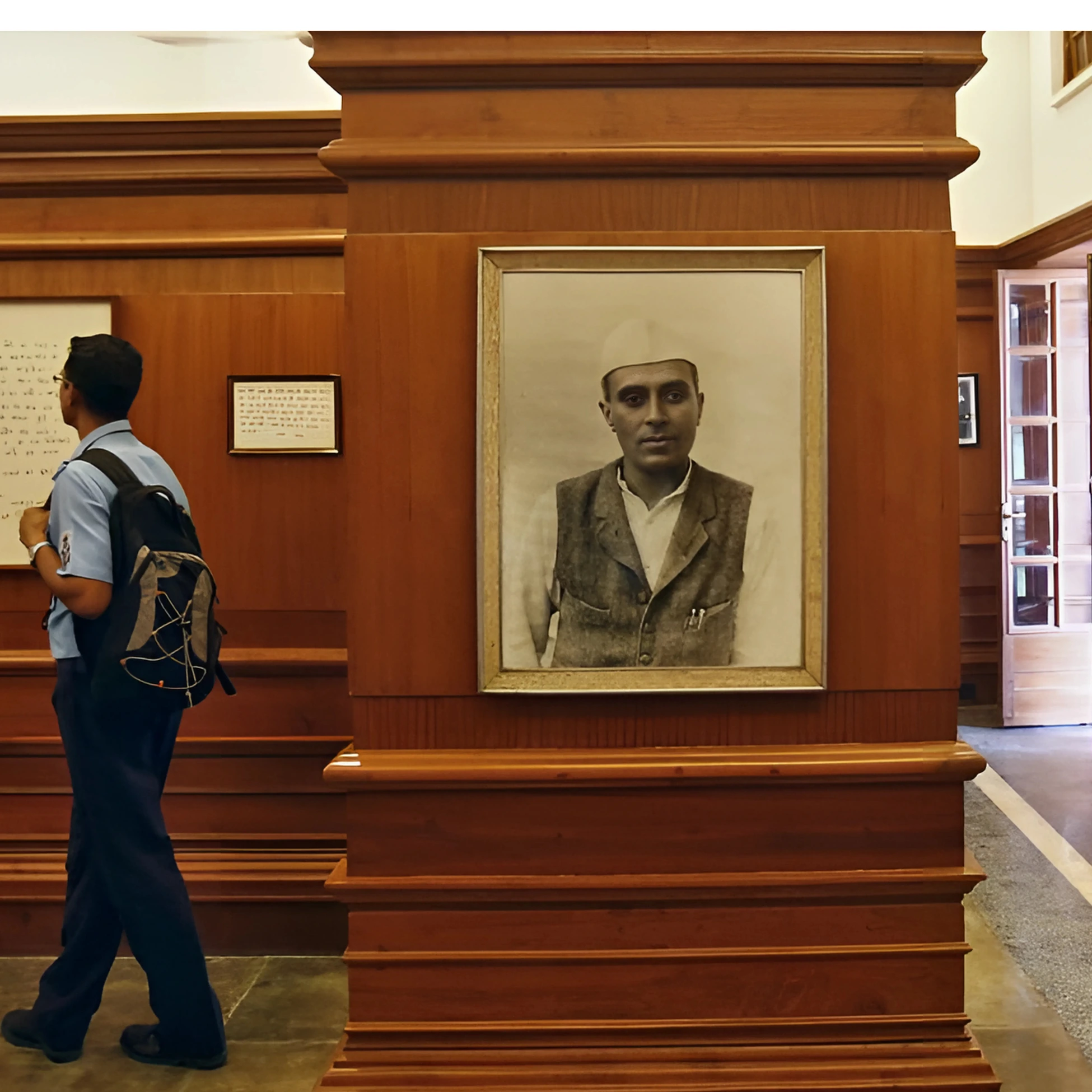
1964

Legacy — Tributes & memorials that honor.

Political Journey and Role in India’s Freedom Struggle

Nehru’s active involvement in India’s politics began after his return from England in 1912. His initial work in the Indian National Congress (INC) was marked by his collaboration with Mahatma Gandhi, who became a mentor and inspiration. Nehru’s participation in key movements like the Non-Cooperation Movement (1920), Civil Disobedience Movement (1930), and the Quit India Movement (1942) was instrumental in driving India toward independence.

As a young and charismatic leader, Nehru gained national prominence through his vision of Purna Swaraj (complete independence), which he formalized in 1929 during the Lahore Congress. He became the President of the Indian National Congress, a position that put him in the forefront of the independence struggle.

Nehru’s Major Contributions in the Independence Movement:

  • Supported Gandhi’s Non-Cooperation Movement to demand self-rule.
  • Championed the Purna Swaraj Resolution (1930), pushing for complete freedom from British rule.
  • Played a significant role in negotiating India’s independence through dialogues with British authorities, alongside leaders like Sardar Vallabhbhai Patel and Mahatma Gandhi.

First Prime Minister of Independent India (1947–1964)

On 15th August 1947, India became a free nation, and Nehru was appointed as the first Prime Minister. His leadership during the early years of independent India was marked by efforts to stabilize the country’s political, economic, and social structure. Nehru’s focus on democratic socialism, secularism, and non-alignment played an essential role in establishing India’s unique identity on the global stage.

Key Policies and Contributions:

  • Industrialization and Economic Growth
    Nehru initiated India’s first Five-Year Plan in 1951, focusing on building heavy industries and developing infrastructure. Public sector enterprises, including Steel Authority of India (SAIL), and numerous hydroelectric projects like Bhakra Nangal Dam were built under his leadership.

  • Education and Scientific Development
    A believer in scientific temper, Nehru’s vision led to the creation of Indian Institutes of Technology (IITs), Indian Institutes of Management (IIMs), and organizations like ISRO and Atomic Energy Commission. His emphasis on education continues to benefit India’s development.

  • Non-Aligned Movement (NAM)
    One of Nehru’s defining foreign policy achievements was the establishment of the Non-Aligned Movement (NAM) in the context of the Cold War. Alongside Yugoslavian leader Tito and Egyptian President Nasser, Nehru advocated

Key Fact:

  • Nehru’s educational reforms laid the foundation for India’s renowned educational institutions. The IITs, established under his leadership, rank among the world’s top engineering institutions.

Challenges and Criticism

While Nehru’s leadership was transformative, his tenure was not without criticism. Two major controversies that marked his leadership were the handling of the Kashmir conflict and the Sino-Indian War (1962).

  1.  Kashmir Issue
    Nehru’s decision to refer the Kashmir issue to the United Nations remains a point of contention. Although he aimed to resolve the conflict through dialogue, it led to a long-standing dispute that continues to affect India-Pakistan relations.

  2. Sino-Indian War (1962)
    Nehru’s foreign policy towards China, often summarized by the slogan “Hindi-Chini Bhai Bhai”, faced a setback during the Sino-Indian War in 1962. The war resulted in a defeat for India, damaging Nehru’s reputation domestically.

Legacy and Impact on Modern India

Jawaharlal Nehru passed away on 27th May 1964, leaving behind a legacy that continues to shape India. His commitment to building a democratic, secular, and modern nation is evident in India’s political structure, scientific progress, and education system.

Key Contributions to Modern India:

  • Political System: Nehru’s insistence on parliamentary democracy and a secular constitution formed the bedrock of India’s governance.

  • Economic Development: The Five-Year Plans initiated by Nehru set the course for industrial and infrastructural development.

  • Scientific Temper: Nehru’s emphasis on scientific advancement led to the establishment of ISRO and BARC, key institutions that have contributed to India’s position as a global leader in space and nuclear technology.

Legacy in Frames

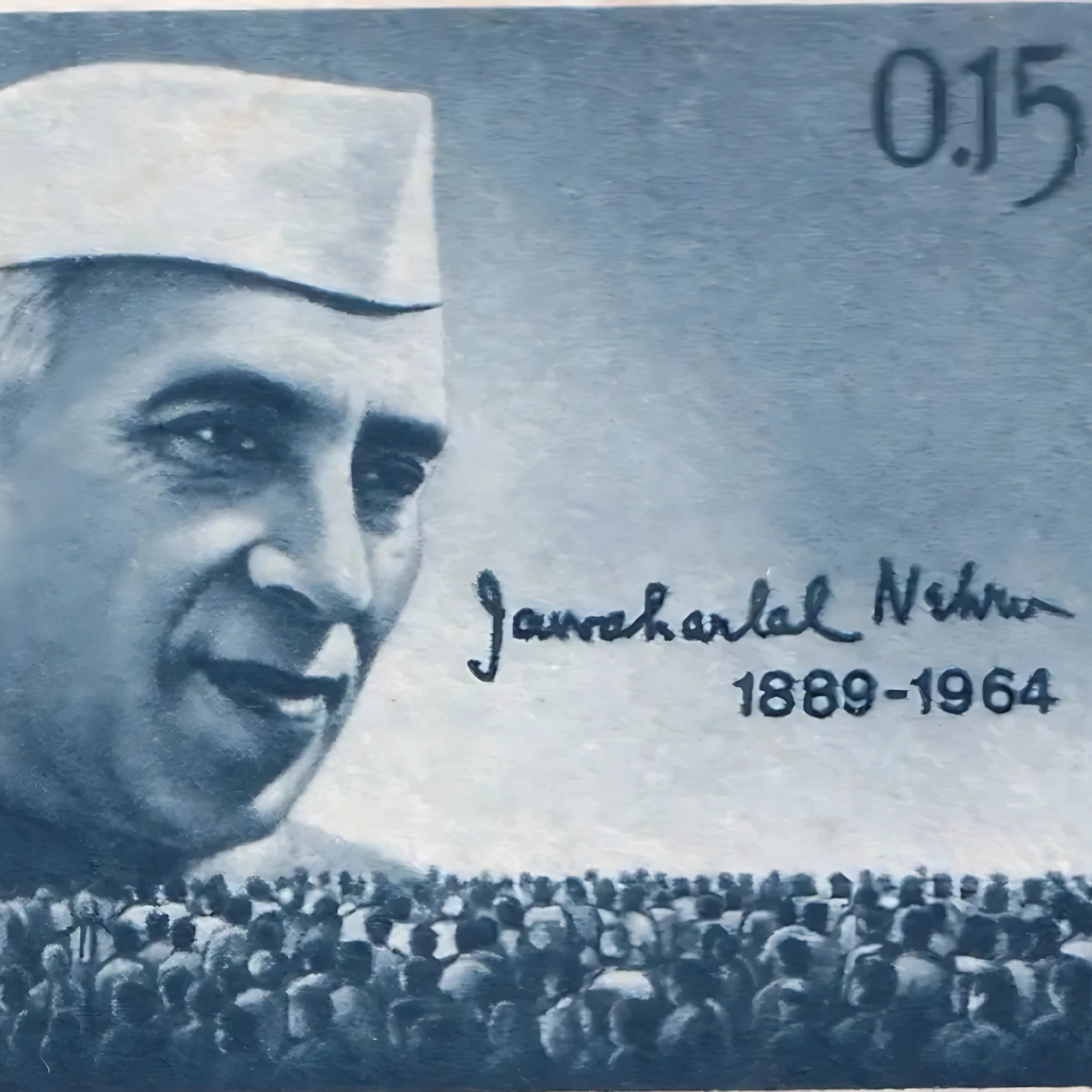
Commemorative Stamp Issued

Nehru Memorial Museum & Library

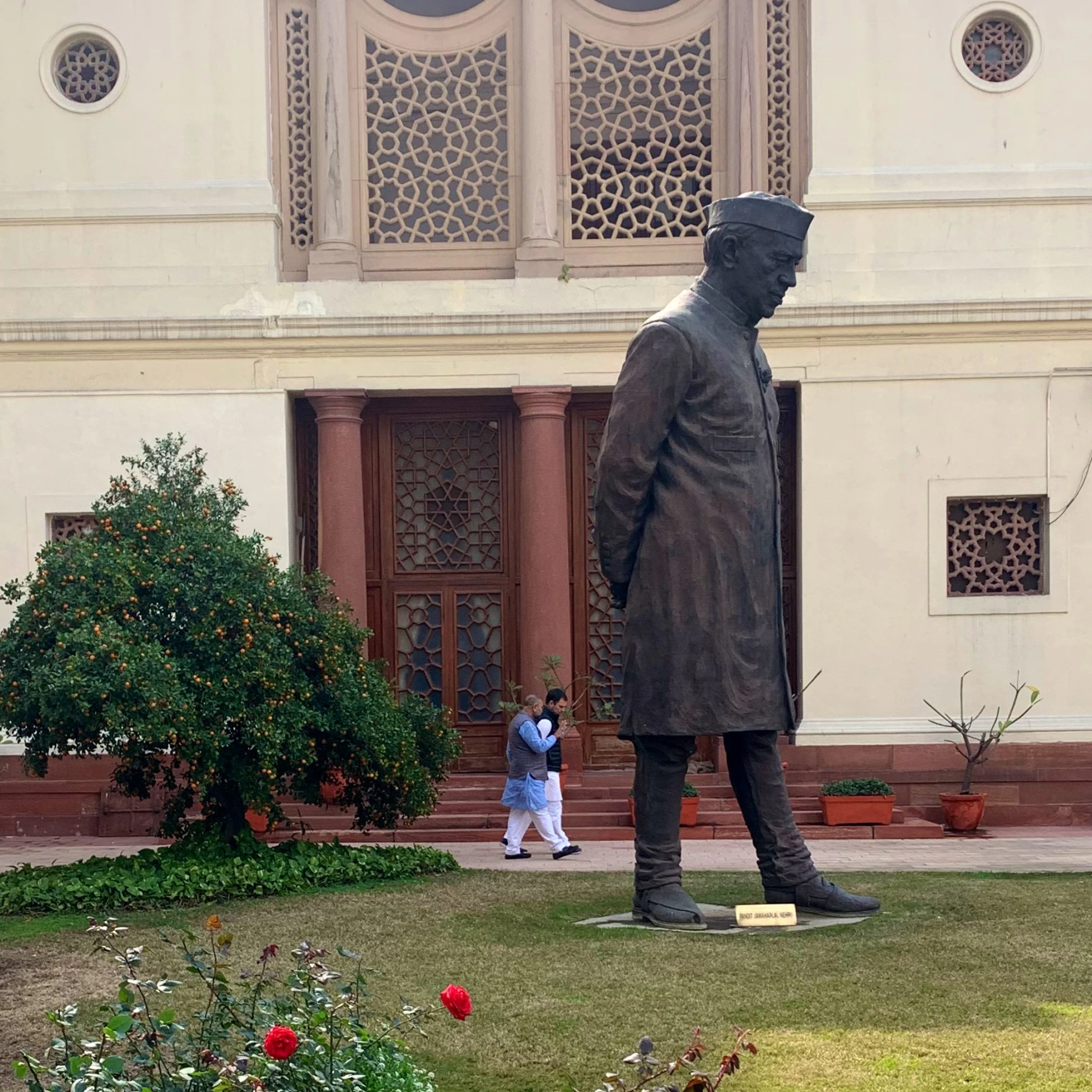
Statue at Parliament House

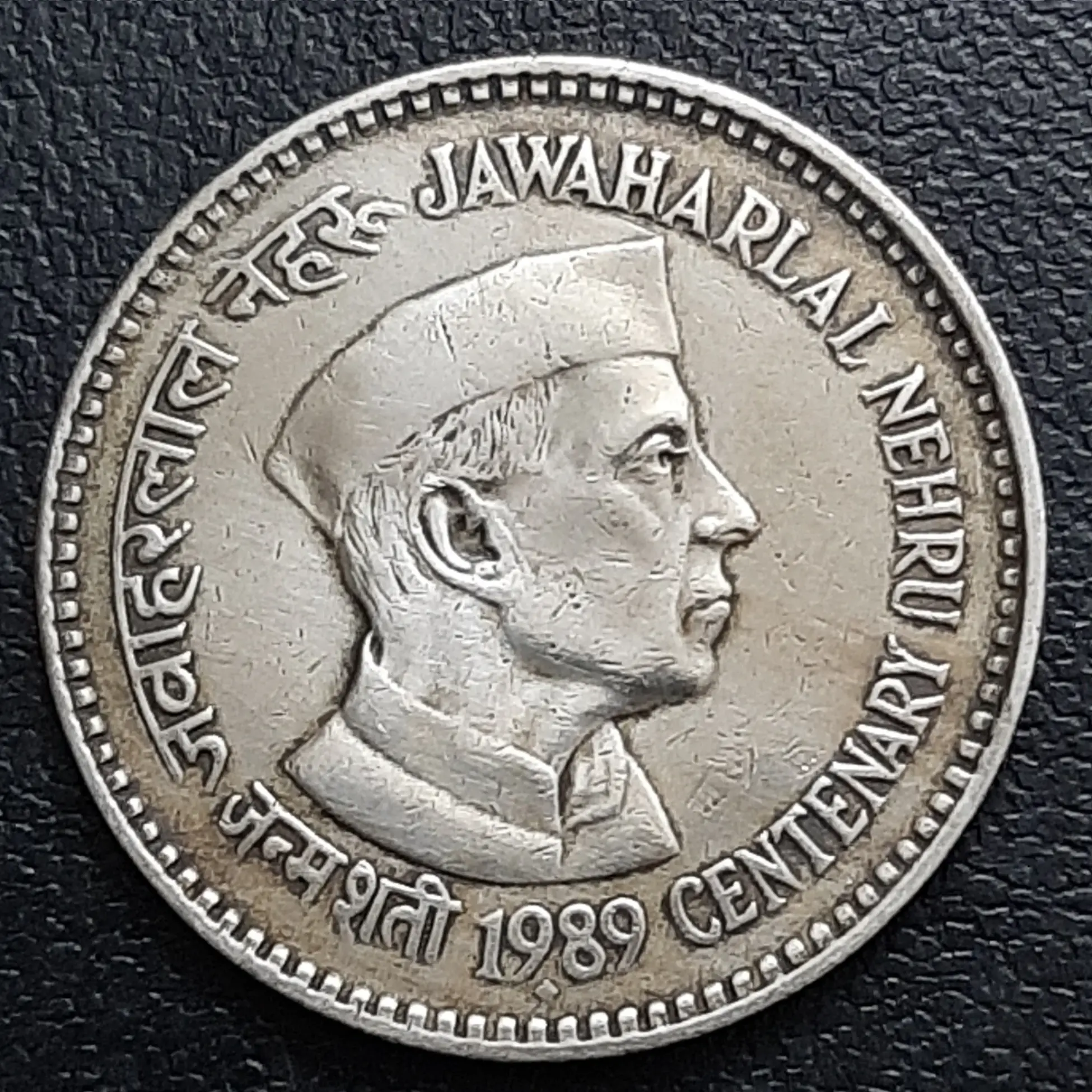
Featured on Indian Currency

Nehru in Contemporary Context

As of 2023, Jawaharlal Nehru’s policies and vision continue to impact India’s economic, educational, and political fabric. His legacy is celebrated annually on Children’s Day (14th November) in India, in honor of his love for children and his belief in their role in shaping the future of the country.

Latest Developments:

  • Space Program: Nehru’s establishment of ISRO has borne fruit in India’s recent space achievements, including the successful Chandrayaan-3 mission in 2023, marking India’s first successful landing on the Moon’s south pole.

  • Education: Institutions like IITs and IIMs are ranked among the world’s top universities and continue to contribute to India’s economic and technological progress.

The Legacy of Jawaharlal Nehru

Jawaharlal Nehru remains an iconic figure in India’s political history. His ideals of secularism, democracy, and scientific progress continue to guide the country’s growth. While his policies and leadership faced challenges, his contributions to nation-building and his vision for a modern India are undeniable.

FAQ's

Nehru led the INC and worked closely with Gandhi to push for India’s complete independence from British rule. His leadership in the Quit India Movement and diplomatic efforts during World War II were key in achieving India’s freedom in 1947.

Yes, Nehru was imprisoned multiple times by British authorities, spending nearly 9 years in jail for his participation in various independence movements.

Nehru advocated for non-alignment, ensuring that India remained neutral during the Cold War and refrained from aligning with any major power blocs.

Nehru emphasized higher education, scientific research, and technical education, establishing institutions like IITs and ISRO that have continued to play a significant role in India’s progress.

Nehru’s perceived lack of military preparedness and his idealistic approach to foreign relations with China led to India’s defeat in the 1962 Sino-Indian War.


Nehru believed in resolving the Kashmir dispute through diplomatic means and involved the United Nations. His decision to offer a plebiscite, which never took place, remains controversial.