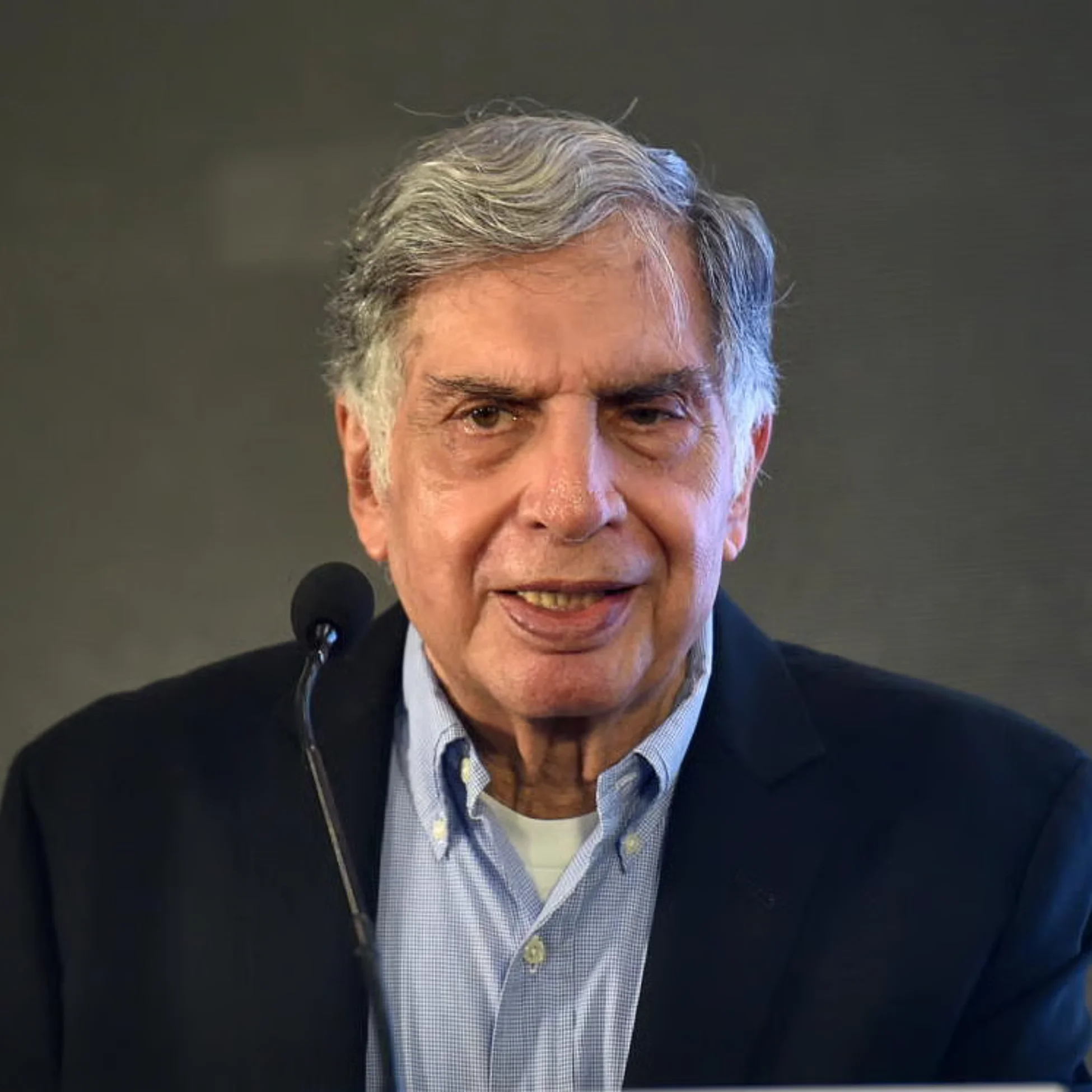

Kiran Mazumdar-Shaw: India’s Biotech Icon and Global Healthcare Visionary

Kiran Mazumdar-Shaw, a trailblazing entrepreneur, transformed India’s biotechnology landscape by building Biocon from the ground up, making affordable healthcare accessible worldwide, and inspiring millions with her unwavering purpose and perseverance.

Kiran Mazumdar-Shaw: India’s Biotech Queen Who Built an Empire from a Garage

Kiran Mazumdar-Shaw is a very special person who changed India’s place in the world of science. She is like a guiding star for many, showing how dreams, hard work, and a big heart can make amazing things happen. Imagine starting a big company from a small garage, then making medicines that help millions of people around the world! That’s exactly what Kiran Mazumdar-Shaw did. She is a true symbol of Indian strength and new ideas, making our nation very proud.

Early Life & The Dream That Changed Direction

Kiran Mazumdar-Shaw was born on March 23, 1953, in a city called Bangalore, in Karnataka. Her family had come from Gujarat. They were a middle-class family. Her father, Rasendra Mazumdar, was a master brewer, which means he was an expert in making beer. His job showed Kiran a new path later in life.

When she was young, Kiran had a big dream: she wanted to become a doctor. But sometimes, life takes unexpected turns. She couldn’t get a scholarship to study medicine, which was a common problem for many smart students back then. But Kiran didn’t give up. Her father, seeing how bright she was, suggested something different. He told her to study fermentation science and learn how to be a brewmaster, just like him.

So, Kiran went on an exciting journey to Australia. She studied at Ballarat College, Melbourne University. This was in 1974. Can you believe it? She was the *only woman* in her whole brewing class! But she was very smart and worked very hard. She finished at the top of her class and became a master brewer in 1975.

The Battle Against “Man’s Work”: Facing Discrimination

After her studies, Kiran gained good experience in Australia. She worked as a trainee brewer and then as a technical manager. When she came back to India, she faced a big problem. Even though she was highly qualified and skilled, many people told her that a woman could not be a brewmaster in India. They said it was “a man’s work.” This was a big disappointment and a challenge just as her career was starting.

This unfair treatment made her think about working abroad. She even had a job offer in Scotland! But something amazing happened. She met a person named Leslie Auchincloss. He was the founder of a company called Biocon Biochemicals Limited, from Ireland. He was looking for someone to start a new company in India that would make special enzymes. This meeting was Kiran Mazumdar-Shaw’s first big chance, and it changed everything.

The Birth of Biocon: A Garage, Rs. 10,000, and Immense Courage

In 1978, at only 25 years old, Kiran took this big step. She started Biocon India in the garage of her rented house in Bengaluru. She had only Rs. 10,000 to begin with. Back then, Indian laws said that foreign companies could only own a small part of a business, so 70% of the company was hers. This was a huge responsibility for a young woman!

Starting Biocon was very, very difficult. People didn’t easily trust her because she was young, a woman, and the idea of biotechnology was new in India. It was hard to get money for her company. There’s a story that she struggled to find a banker who believed in her, until she met one by chance at a party! Even finding people to work for her was tough. Her first employee was an old garage mechanic! Her first office was just a small shed, like a small room, about 280 square meters. These early challenges show just how much courage and determination Kiran had. She called it “foolish courage,” but it was exactly what she needed.

Building a Biotech Empire: Milestones of Innovation

With strong will and a clear vision, Kiran Mazumdar-Shaw overcame all these big problems. She worked very hard to build Biocon from a small garage startup into a leading biotechnology company. She completely changed the biotech industry in India, focusing on making new and better biopharmaceuticals (special medicines).

Her main idea was “inclusive innovation.” This means making healthcare affordable and easy to get for everyone, not just a few. Because of her vision, Biocon has helped provide medicines to billions of people all over the world. This has made India known as a country that can make good quality and affordable medical solutions.

Kiran also believed strongly in research and development (R&D). This means finding new things and making them better. In 2004, she even started Mazumdar Shaw Philanthropy to support new research in science and arts. Her commitment to R&D has helped India become a hub for new discoveries in medicine.

A Legacy of Honors: Global Recognition for an Indian Star

Kiran Mazumdar-Shaw’s amazing work has been recognized both in India and around the world.

She has received India’s highest civilian awards:

  • Padma Shri in 1989
  • Padma Bhushan in 2005

Globally, she has been honored many times:
* In 2011, she was named one of the **Financial Times Top 50 Women in Business**.
* She received the **Othmer Gold Medal** in 2014 for her big contributions to science and chemistry.
* Forbes magazine listed her as the **68th Most Powerful Woman in the World** in 2019.
* She was named **EY World Entrepreneur Of The Year** in 2020.
* In 2019, she received the **Order of Australia**, a top honor from Australia, for helping to build stronger ties between India and Australia.
* In 2023, she received the **Ban Ki-moon Award for Women Empowerment**.

Even very recently, her impact continues to be celebrated:
* She received the **Jamsetji Tata Award** in 2024.
* Forbes again recognized her as one of the **World’s Most Powerful Women**, ranking her #82 in 2024.
* In October 2024, Concordia University gave her an **Honorary Doctor of Science** degree for her pioneering work.

These many awards show that Kiran Mazumdar-Shaw is truly an “India Ki Shaan” personality, bringing pride and fame to our nation.

The Biocon Philosophy: Purpose, Perseverance, and People

Kiran Mazumdar-Shaw’s journey is not just about building a successful company; it’s about what she stands for.

Her core values are:
* **Never Giving Up:** She truly believes that “Failure is temporary. Giving up is permanent.” She teaches that being an entrepreneur means learning from mistakes and coming back stronger.
* **Making a Difference:** Her biggest goal is “affordable innovation.” She wants to use science to make healthcare better and cheaper for everyone in the world. She wants to be remembered as someone who truly made a difference in global healthcare.
* **Helping Everyone:** Her leadership means making sure that new scientific discoveries help everyone, not just a few rich people. She wants quality healthcare to be available to all.
* **Giving Back:** She has signed “The Giving Pledge,” promising to give most of her wealth to help others. She has also built hospitals for affordable cancer treatment in Bangalore.
* **Pride in India:** She once felt a little unsure about India’s standing in the world, but she worked hard to make Biocon a world-famous company, showing everyone what India can achieve.

Her leadership is strong and caring. She is a visionary, meaning she sees a big future. She has courage and conviction, always doing things with a clear “purpose.” She believes in “Performance with Purpose,” where hard work goes hand-in-hand with helping society.

Her message to young people and students in India is clear and inspiring:
* Don’t be afraid to start your own ventures and always be resilient. See challenges as learning steps, not roadblocks.
* Use your bright minds to create solutions that help people, especially solutions that are affordable for many.
* Don’t let old ways of thinking or not having enough money stop you. Her story shows that with strong belief and hard work, you can overcome anything.
* Believe in India’s power to create world-class companies and contribute greatly to global progress.

Kiran Mazumdar-Shaw Today: Still Making a Difference (2024-2025)

Even now, Kiran Mazumdar-Shaw is still very active and making a big difference. She is the head of Biocon Limited and Biocon Biologics Limited. In 2025, her company’s partner in Japan launched a new medicine called Ustekinumab, showing that Biocon is still growing and innovating under her leadership.

She also continues her good work for society. She was listed in the EdelGive-Hurun India Philanthropy List in 2025 for her charitable contributions. She speaks up on important matters, like asking for more money for healthcare in India’s budget in January 2025. She also talks about current events, like vaccines, and shares her thoughts on social media.

Kiran Mazumdar-Shaw also cares deeply about her city, Bengaluru. In October 2025, she praised a project to build a flyover and also pointed out areas where city projects needed improvement. Her comments on Bengaluru’s infrastructure even sparked discussions and received support from other important people.

Her ongoing activities in 2024 and 2025 show that she is not just a past legend, but a living inspiration, always working for the betterment of India.

Conclusion: An Enduring Inspiration for India

Kiran Mazumdar-Shaw’s story is a shining example for all of India. She went from being a young woman facing unfair treatment to becoming a global leader in biotechnology. Her hard work, smart ideas, and big heart have given us affordable healthcare, pushed science forward, and inspired countless people.

She is a true beacon of “India Ki Shaan,” showing everyone that with focus, hard work, and a strong purpose, you can achieve amazing things for yourself and for the entire nation. Her journey reminds us that India is full of bright minds and brave hearts ready to change the world.

Q&A Section

1. Q: When and where was Kiran Mazumdar-Shaw born?

A: She was born on March 23, 1953, in Bangalore, Karnataka.

2. Q: What was Kiran Mazumdar-Shaw’s initial dream?

A: She initially wanted to become a doctor.

3. Q: What challenge did Kiran Mazumdar-Shaw face after her studies in Australia?

A: She faced discrimination when returning to India, as many told her a woman could not be a brewmaster.

4. Q: How much capital did Kiran Mazumdar-Shaw start Biocon with?

A: She started Biocon with only Rs. 10,000.

5. Q: What is Kiran Mazumdar-Shaw’s philosophy regarding innovation?

A: Her philosophy is “inclusive innovation,” aiming to make healthcare affordable and accessible to everyone.

6. Q: Which major Indian civilian awards has Kiran Mazumdar-Shaw received?

A: She has received the Padma Shri (1989) and Padma Bhushan (2005).

7. Q: What is one key message Kiran Mazumdar-Shaw has for young people?

A: She advises young people not to be afraid to start their own ventures, to be resilient, and to use their minds to create affordable solutions.

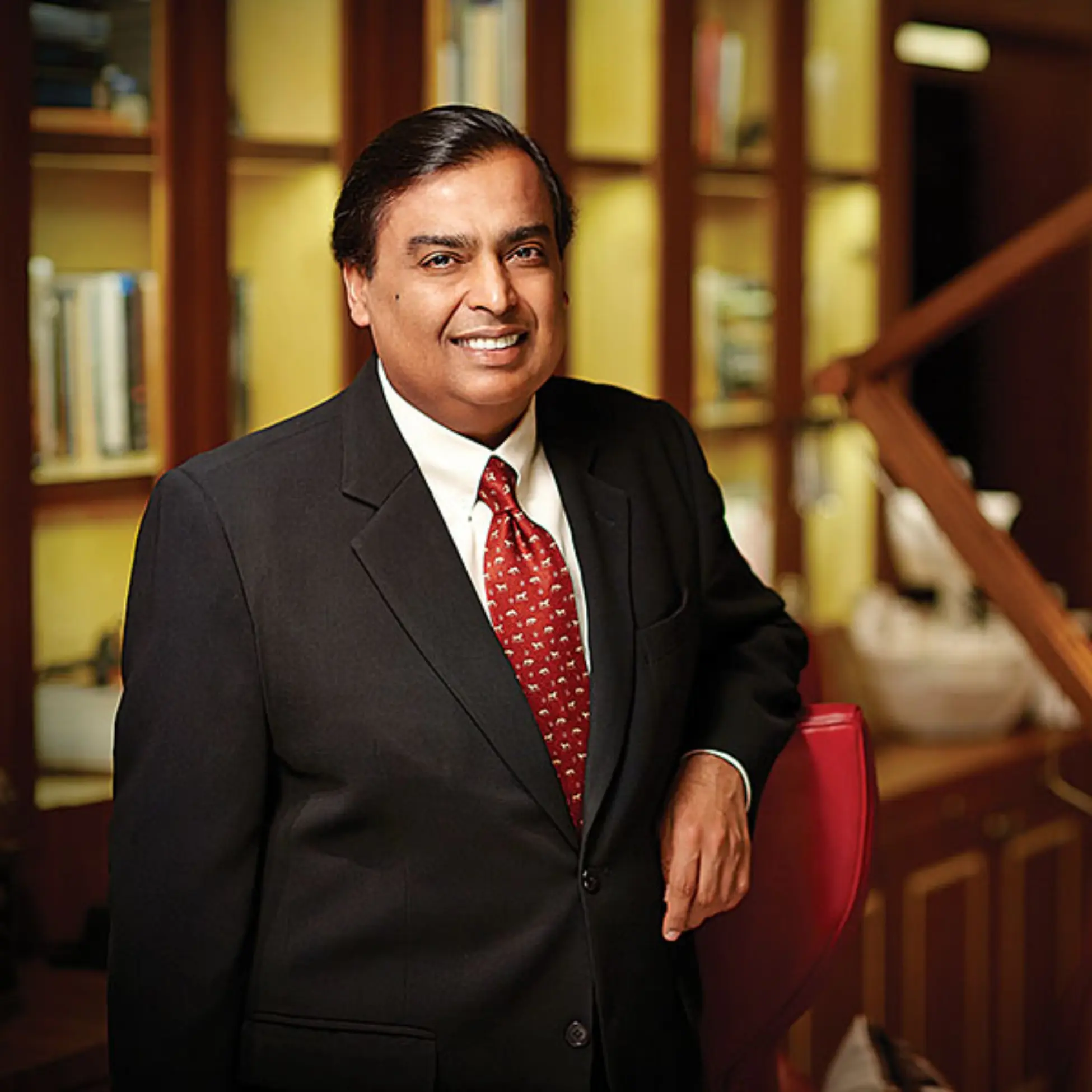
Dhirubhai Ambani Biography – The Business Pioneer Who Built Reliance from Scratch

Dhirubhai Ambani transformed Indian business with his vision, courage, and entrepreneurial spirit.

Quick Summary

Full Name: Dhirajlal Hirachand Ambani
Born: 28th December 1932, Chorwad, Gujarat, India
Died: 6th July 2002, Mumbai, India
Profession: Entrepreneur, Industrialist
Known As: “Business Legend of India”
Career Span: 1950s – 2002
Key Contributions:

  • Founded Reliance Industries, now India’s largest private sector enterprise.

  • Known for visionary business strategies and creating wealth for small investors.

  • Revolutionized Indian stock market participation and corporate culture.

  • Awarded Padma Vibhushan posthumously in 2016.

Quote:
“Think big, think fast, think ahead. Ideas are no one’s monopoly.” — Dhirubhai Ambani

Dhirubhai Ambani Biography

When we think of India’s most remarkable business icons, Dhirubhai Ambani instantly comes to mind. Born in a modest family and rising to become the founder of Reliance Industries, his journey is a classic story of vision, grit, and determination. The Dhirubhai Ambani biography is not just about the rise of a businessman, but about the transformation of India’s business landscape.

Early Life

Dhirajlal Hirachand Ambani, fondly known as Dhirubhai Ambani, was born on 28 December 1932 in the small village of Chorwad, Gujarat. His father, Hirachand Ambani, was a school teacher, and his mother, Jamnaben Ambani, was a homemaker. Coming from humble beginnings, Dhirubhai grew up with limited resources but unlimited ambition.

Even in his childhood, Dhirubhai showed signs of entrepreneurial thinking. He would sell fried snacks to pilgrims during religious fairs to earn extra money. These small ventures laid the foundation of his business instincts.

Entrepreneurial Journey

In the 1950s, a young Dhirubhai Ambani traveled to Aden (Yemen) to work as a clerk in a trading firm. The Middle East was a hub for international trade, and here he gained exposure to import-export operations, commodity trading, and global markets.

While working, he closely observed the trading patterns of oil, gold, and currency. He realized that India’s future lay in industrialization and mass-market consumer products. This insight would later shape the creation of Reliance.

In 1958, Dhirubhai returned to India with dreams far bigger than the money in his pocket. He started a small business of importing polyester yarn and exporting spices. This marked the first step of what would later become Reliance Industries.

Founding Reliance Industries

In 1966, Dhirubhai Ambani officially founded Reliance Commercial Corporation, which later evolved into Reliance Industries Limited (RIL). His idea was simple but revolutionary: provide affordable, quality products to India’s middle-class population.

He started with textiles under the brand name “Vimal”, which soon became a household name. The slogan “Only Vimal” resonated across India and transformed the textile industry.

By the 1970s and 80s, Reliance expanded into petrochemicals, refining, and telecommunications. Unlike traditional businesses that catered to elites, Dhirubhai believed in creating businesses for the common Indian consumer. His approach to issuing public shares of Reliance made thousands of middle-class Indians shareholders – something unheard of at that time.

Achievements & Business Strategies

Dhirubhai Ambani was not just a businessman; he was a strategist. Some of his remarkable achievements include:

  • Reliance Industries becoming the first Indian company to be listed on the Fortune 500 list.

  • Introducing the concept of equity culture in India, where millions of small investors became shareholders.

  • Building the largest petroleum refinery in the world at Jamnagar, Gujarat (though completed after his death, it was part of his vision).

  • Revolutionizing the textile industry with Vimal fabrics and later transforming energy, petrochemicals, and telecom sectors.

His strategy was to combine vision, innovation, and aggressive pricing. He believed in large-scale production to keep costs low and quality high.

Challenges & Controversies

Like every great business leader, Dhirubhai Ambani faced challenges and controversies. His rapid growth and unconventional methods often drew criticism from competitors and regulators.

  • He was accused of political lobbying and using aggressive tactics to outpace rivals.
  • His rivalry with Nusli Wadia of Bombay Dyeing was well-known in India’s corporate world.
  • Yet, despite criticism, Dhirubhai never lost focus on his bigger goal: building a global Indian company.

He famously said: “Think big, think fast, think ahead. Ideas are no one’s monopoly.”

Awards & Recognition

Although Dhirubhai Ambani was more focused on building businesses than collecting awards, his contribution to India was widely recognized:

  • Padma Vibhushan (2016, posthumously) – India’s second-highest civilian award.
  • Named by Forbes among the world’s most powerful business figures.
  • Recognized as the man who reshaped India’s corporate culture and inspired a new generation of entrepreneurs.

Legacy & Inspiration

Dhirubhai Ambani passed away on 6 July 2002, but his legacy continues through Reliance Industries, now led by his sons Mukesh Ambani and Anil Ambani.

Under Mukesh Ambani, Reliance expanded into telecommunications (Jio), retail, and digital services, realizing Dhirubhai’s vision of making India a self-reliant economic powerhouse.

His story is a rags-to-riches journey that inspires millions. From a small-town boy selling snacks to pilgrims, to building India’s largest business empire, Dhirubhai’s life is proof that with courage, innovation, and determination, nothing is impossible.

Conclusion

The Dhirubhai Ambani biography is more than a business success story; it’s a blueprint of vision, hard work, and resilience. His life reminds us that true entrepreneurs don’t just build companies – they build nations.

Even today, Dhirubhai’s journey continues to inspire not just business leaders, but anyone who dares to dream big.

FAQ's

Founding Reliance and inspiring generations of entrepreneurs.

Yes, he was posthumously awarded the Padma Vibhushan in 2016.

Mukesh Ambani Biography – The Visionary Business Tycoon Driving India’s Growth

Mukesh Ambani reshaped India’s business landscape with Reliance’s global reach and digital revolution.

Quick Summary

Full Name: Mukesh Dhirubhai Ambani
Born: 19th April 1957, Aden, Yemen
Profession: Business Tycoon, Chairman & Managing Director of Reliance Industries Limited (RIL)
Known As: “India’s Richest Man”
Career Span: 1981 – Present
Key Contributions:

  • Transformed Reliance into India’s largest private sector company.

  • Pioneered telecom revolution in India with Jio.

  • Expanded Reliance into petrochemicals, refining, retail, and digital services.

  • Consistently ranked among the world’s richest individuals.

Quote:
“Everybody has equal opportunity, and I think that is true for everything.” — Mukesh Ambani

Early Life & Education

Mukesh Dhirubhai Ambani was born on 19 April 1957 in Aden, Yemen, to Dhirubhai Ambani and Kokilaben Ambani. His father, Dhirubhai Ambani, was a visionary entrepreneur who would later establish Reliance Industries Limited (RIL), one of India’s largest conglomerates.

In 1958, the Ambani family moved back to India, settling in Mumbai. Unlike many wealthy business families, the Ambanis lived modestly in a simple two-bedroom apartment. Mukesh grew up in an environment where hard work, risk-taking, and business discussions were part of everyday life.

He studied at Hill Grange High School, Mumbai, before pursuing a degree in Chemical Engineering from the Institute of Chemical Technology (ICT), Matunga. Later, he enrolled for an MBA at Stanford University but dropped out midway in 1980 to assist his father in expanding Reliance.

This decision marked the beginning of Mukesh Ambani’s business journey, where his analytical skills and risk appetite reshaped Reliance Industries.

Entry into Reliance Industries

In the early 1980s, Mukesh Ambani was tasked with overseeing the construction of a polyester filament yarn (PFY) manufacturing plant in Patalganga, Maharashtra. This project tested his leadership abilities at a young age.

He adopted world-class technology, efficient project management, and innovative strategies, making Reliance a leader in the textile industry. Over the years, Mukesh diversified

Reliance from textiles into petrochemicals, refining, oil & gas exploration, and telecommunications, laying the foundation of the modern Reliance empire.

Leadership & Growth of Reliance

After the passing of his father, Dhirubhai Ambani, in 2002, Reliance was split between the two Ambani brothers – Mukesh Ambani and Anil Ambani. Mukesh took charge of Reliance Industries Limited (RIL), which included refining, petrochemicals, oil & gas, and later retail and telecom.

Under Mukesh’s leadership:

  • Reliance built the world’s largest refinery complex at Jamnagar, Gujarat, with a capacity of over 1.24 million barrels per day.
  • Reliance Retail was launched in 2006, which has since become India’s largest retail chain.
  • He transformed Reliance into a Fortune 500 global company, with revenues exceeding $100 billion.

Mukesh Ambani’s vision consistently focused on scale, technology, and affordability, which gave Reliance a strong edge in multiple industries.

Jio Revolution & Digital India

Perhaps the most defining achievement of Mukesh Ambani’s career is the launch of Reliance Jio in 2016.

Jio disrupted India’s telecom industry by offering free voice calls, ultra-low data prices, and affordable smartphones. Within three years, Jio became the largest mobile network in India and the third-largest in the world.

This digital revolution connected millions of Indians to the internet, empowering startups, digital businesses, and e-commerce.

Key highlights of Jio’s impact:

  • Made India the largest consumer of mobile data globally.
  • Forced telecom competitors to lower prices, democratizing internet access.
  • Laid the foundation for India’s 5G and digital economy.

Through Jio, Mukesh Ambani positioned himself not just as a businessman, but as a nation-builder driving Digital India.

Business Achievements & Ventures

Beyond Jio and retail, Mukesh Ambani expanded Reliance into several sectors:

  • Petrochemicals & Refining: Largest producer in India, contributing significantly to global exports.
  • Retail: Reliance Retail is India’s biggest retail player, spanning grocery, fashion, electronics, and e-commerce.
  • Telecom & Digital Services: Jio Platforms has attracted global investors like Facebook, Google, and Silver Lake.
  • Green Energy Transition: Reliance is investing heavily in solar power, hydrogen fuel, and renewable energy, aiming to make India energy self-reliant.

Mukesh Ambani’s strategy blends traditional industries with futuristic technologies, ensuring Reliance remains a global powerhouse.

Philanthropy & Social Initiatives

Through the Reliance Foundation, led by his wife Nita Ambani, Mukesh Ambani has supported numerous initiatives in healthcare, education, rural transformation, women empowerment, and disaster relief.

Some key contributions include:

  • Establishing the Sir H. N. Reliance Foundation Hospital in Mumbai.
  • Supporting rural communities with water conservation and farming projects.
  • Contributing extensively during the COVID-19 pandemic with hospitals, PPE kits, and medical oxygen.

Global Recognition & Wealth Rankings

Mukesh Ambani has consistently featured among the world’s richest individuals. He was:

  • Ranked among the Top 10 billionaires globally by Forbes.
  • The richest Indian for over a decade.
  • In 2007, Forbes named him the richest person in Asia.

Global leaders and investors admire his ability to balance traditional industries with disruptive technologies.

Personal Life & Family

Mukesh Ambani is married to Nita Ambani, a philanthropist and educationist. They have three children – Akash, Isha, and Anant Ambani.

The family resides in Antilia, Mumbai — one of the world’s most expensive private residences.

Despite his immense wealth, Mukesh Ambani is known for his simple lifestyle, vegetarian diet, and family values.

Awards & Honors

Mukesh Ambani has received numerous awards, including:

  • Ernst & Young Entrepreneur of the Year (2000)
  • NDTV Business Leader of the Year (2010)
  • Global Leadership Award by Business Council for International Understanding (2010)
  • Recognized in TIME’s 100 Most Influential People list (2019)
  • Honored with foreign recognitions and honorary doctorates for business leadership

Legacy & Future Vision

Mukesh Ambani’s journey is a story of ambition, vision, and transformation. He is not only India’s most successful businessman but also a key architect of the country’s economic growth.

Looking ahead, his focus is on:

  • Making Reliance a leader in green energy and sustainability.
  • Expanding Jio into AI, 5G, and global digital ecosystems.
  • Strengthening Reliance Retail and healthcare sectors.

Mukesh Ambani’s legacy is one of nation-building, digital empowerment, and global recognition.

Conclusion

The biography of Mukesh Ambani is not just the story of a businessman—it’s the journey of a visionary leader who transformed Reliance into a global powerhouse. With his bold strategies, technological innovations, and relentless drive, Mukesh Ambani reshaped India’s corporate landscape and continues to inspire aspiring entrepreneurs worldwide.

FAQ's

For leading Reliance Industries and launching Jio, which revolutionized telecom in India.

Yes, he has consistently topped the list of India’s wealthiest individuals.

Ratan Tata Biography – The Visionary Who Transformed Indian Industry

Ratan Tata, India’s business icon, redefined corporate excellence with innovation, global expansion, and social responsibility.

Quick Summary

Full Name: Ratan Naval Tata
Born: 28th December 1937, Mumbai, Maharashtra, India
Profession: Industrialist, Business Leader, Philanthropist
Known As: “Captain of Indian Industry,” “Tata Group Icon”
Career Span: 1962 – Present
Key Contributions:

  • Chairman of Tata Group (1991–2012, interim 2016–2017), leading its global expansion.

  • Oversaw landmark acquisitions like Jaguar Land Rover, Tetley, and Corus.

  • Pioneered affordable innovations like the Tata Nano car and Tata Swach water purifier.

  • Renowned for philanthropy, contributing significantly to education, healthcare, and rural development.

  • Recipient of Padma Vibhushan (2008) and Padma Bhushan (2000) for contributions to trade and industry.

Quote:
“I don’t believe in taking right decisions. I take decisions and then make them right.” — Ratan Tata

Early Life of Ratan Tata

Ratan Naval Tata was born on 28 December 1937 in Mumbai, into one of the most respected and influential business families in India – the Tata family. Despite being born into wealth and privilege, Ratan Tata’s childhood was not without challenges. His parents, Naval Tata and Sooni Tata, separated when he was just a child, and he was largely raised by his grandmother, Lady Navajbai Tata.

From a very young age, Ratan Tata displayed traits of discipline, humility, and a sense of responsibility. He studied at Campion School in Mumbai before moving to Cathedral and John Connon School. Later, he pursued his higher education in the United States at Cornell University, where he studied Architecture and Structural Engineering. His exposure to life abroad shaped his global outlook, which he would later bring into his business vision for India.

Early Career and Entry into Tata Group

Ratan Tata did not directly enter the corporate boardroom of the Tata empire. Instead, he began his career in 1961 by joining the Tata Steel division. Unlike many who expected him to start at the top, Ratan Tata chose to begin from the bottom. He worked alongside blue-collar employees, even shoveling limestone and managing blast furnaces.

This hands-on experience taught him the importance of understanding business operations from the ground up. It also earned him the respect of workers and laid the foundation for his leadership style, which emphasized empathy and connection with employees.

Rise to Leadership – Chairman of Tata Group

In 1991, Ratan Tata succeeded J.R.D. Tata as the Chairman of Tata Sons and took charge of the Tata Group at a critical time. The Indian economy was opening up due to liberalization, and foreign competition was entering the market. Many questioned whether Ratan Tata could lead the group into the new global era.

However, he quickly proved his critics wrong. Under his leadership, the Tata Group grew from a largely India-focused business into a global conglomerate. During his tenure, the group’s revenues increased more than 40 times, and profits grew by over 50 times.

Iconic Business Achievements

Acquisition of Global Brands

Ratan Tata believed that Indian companies could stand shoulder to shoulder with global giants. His bold decisions reflected this vision:

  • In 2000, Tata Tea acquired Tetley, a British brand.
  • In 2007, Tata Steel acquired Corus, one of Europe’s largest steel companies.
  • In 2008, Tata Motors acquired Jaguar Land Rover (JLR) from Ford, turning around the brand into a global success story.

These acquisitions not only expanded Tata’s footprint worldwide but also placed India firmly on the global business map.

Launch of Tata Nano

One of Ratan Tata’s most ambitious projects was the Tata Nano, introduced in 2008. Marketed as the world’s cheapest car, it aimed to make automobile ownership accessible to millions of Indian families.

Although the Nano did not achieve the commercial success expected, it remains a testament to Ratan Tata’s vision of innovation for the masses.

Ratan Tata’s Leadership Style

Ratan Tata’s leadership style is often described as humble, visionary, and people-oriented. Unlike many business leaders, he never flaunted his wealth or power. Instead, he led with quiet confidence and integrity.

He strongly believed in ethical business practices, corporate governance, and values-driven leadership. Under his guidance, the Tata Group became a symbol of trust and credibility.

Philanthropy and Social Work

One of the most defining aspects of Ratan Tata’s biography is his dedication to philanthropy. The majority of Tata Sons’ profits are directed into charitable trusts such as the Sir Dorabji Tata Trust and the Sir Ratan Tata Trust.

These trusts have funded initiatives in education, healthcare, rural development, and scientific research. Some notable contributions include:

  • Establishing Tata Memorial Hospital, one of India’s leading cancer treatment centers.
  • Supporting IITs, IISc, and several universities with research grants.
  • Contributing to global causes such as healthcare and disaster relief.


In 2010, the Tata Trusts donated $50 million to Harvard Business School, marking one of the largest donations by an Indian organization to a foreign university.

Awards and Recognition

Ratan Tata has received numerous awards and honors for his contributions to business and society:

  • Padma Bhushan (2000) and Padma Vibhushan (2008) – among India’s highest civilian honors.
  • Honorary Knight Commander of the Order of the British Empire (KBE) in 2009.
  • Honorary doctorates from prestigious universities such as Cambridge and Ohio State.
  • Consistently ranked among the world’s most respected business leaders.

Ratan Tata – Life After Retirement

Ratan Tata retired as chairman of Tata Sons in December 2012, handing over leadership to Cyrus Mistry. However, he continued to remain active as Chairman Emeritus of Tata Sons and played a guiding role in the group.

After Mistry’s removal, Ratan Tata once again stepped in as interim chairman in 2016, showcasing his commitment to the stability of the group.

In recent years, Ratan Tata has been actively investing in startups. He has supported innovative Indian companies such as Ola, Paytm, Snapdeal, and Urban Ladder, showing his continued faith in India’s young entrepreneurs.

Personal Life of Ratan Tata

Despite his towering public presence, Ratan Tata has always maintained a private personal life. He never married, though he once revealed in an interview that he came close to marrying but circumstances prevented it.

He is known for his love of cars, architecture, and animals. Ratan Tata is also very popular on social media, where he shares inspirational messages and connects with the younger generation.

Legacy of Ratan Tata

The Ratan Tata biography is not just a story of business success but of values, ethics, and humanity. He transformed the Tata Group into a global powerhouse while never losing sight of the principle that businesses exist not only to create wealth but also to serve society.

His life stands as an inspiration for leaders, entrepreneurs, and ordinary citizens alike. Ratan Tata represents the best of Indian business – courage, vision, humility, and compassion.

Conclusion

The biography of Virat Kohli is not just the story of a cricketer—it’s the journey of a young boy from Delhi who rose to become one of the greatest batsmen in the world. With his unmatched records, leadership qualities, and passion for the game, Virat Kohli stands tall as a legend of Indian cricket and a role model for generations to come.

FAQ's

He is an industrialist, former chairman of the Tata Group, and a philanthropist.

He is known for leading Tata Group to global success, pioneering innovations like the Tata Nano, and his philanthropic work.

He has received the Padma Vibhushan, Padma Bhushan, and numerous international business awards.

He became chairman in 1991 and served until 2012, with an interim role in 2016–2017.

He supports education, healthcare, rural development, and disaster relief through Tata Trusts and personal initiatives.