


Lata Mangeshkar’s timeless voice gave soul to Indian cinema and continues to echo across generations.
Quick Summary
Full Name: Lata Mangeshkar
Born: 28 September 1929, Indore, Madhya Pradesh
Died: 6 February 2022, Mumbai, Maharashtra
Nicknames: “Nightingale of India,” “Voice of the Millennium”
Profession: Playback Singer, Music Composer
Active Years: 1942 – 2015
Key Contribution: Revolutionized Indian playback singing with her timeless voice, recorded in over 30 languages, and defined the golden era of Indian cinema music.
Early Life
Lata Mangeshkar, affectionately known as the Nightingale of India, was born on 28 September 1929 in Indore, Madhya Pradesh. She was the eldest of five siblings in the family of renowned classical singer and theatre actor Pandit Deenanath Mangeshkar and Shevanti Mangeshkar.
Growing up in a household deeply connected to Indian classical music, young Lata was surrounded by ragas, rhythms, and performances from an early age. Music was not just an art form in her home—it was a way of life.
Her father personally trained her in classical music, laying a strong foundation for what would later become one of the most iconic singing careers in the world. At just five years old, Lata began acting in her father’s musical plays, demonstrating her natural affinity for the performing arts.
Singing Debut
The sudden passing of her father in 1942 left the Mangeshkar family in financial difficulties. At only 13 years old, Lata took on the responsibility of supporting her family.
Her debut as a playback singer came in 1942 with the Marathi film Kiti Hasaal, though the song was not released. Her first released song was Naachu Yaa Gade, Khelu Saari Mani Haus Bhaari for the Marathi film Kiti Hasaal (1942). She also acted in several films during her early years to help support her siblings—Meena, Asha (later known as Asha Bhosle), Usha, and Hridaynath.
When the family shifted to Mumbai in the mid-1940s, Lata faced rejection because her voice was considered “too thin” compared to the then-popular, heavier singing styles. However, she persevered, and her big break came with “Aayega Aanewala” from Mahal (1949), composed by Khemchand Prakash. This hauntingly beautiful song became a sensation and marked the beginning of a new era in playback singing.
Legacy
Lata Mangeshkar was not just a playback singer—she was a cultural icon. Her voice became the soundtrack of India’s history, accompanying generations through joy, sorrow, patriotism, and romance.
Her rendition of “Ae Mere Watan Ke Logon” in 1963, composed by C. Ramchandra, brought Prime Minister Jawaharlal Nehru to tears. This patriotic song remains one of the most powerful performances in Indian history.
In addition to music, she also played a vital role in shaping the industry. She fought for royalty rights for playback singers, ensuring fair compensation for artists.
Even after her passing on 6 February 2022, her voice continues to inspire and comfort millions. She remains a guiding light for aspiring singers, symbolizing dedication, purity, and passion for art.
Legendary Songs
Over her career spanning seven decades, Lata Mangeshkar recorded more than 30,000 songs in 36+ Indian and foreign languages. Her versatility, purity of voice, and emotional depth made her songs timeless.
Some of her iconic songs include:
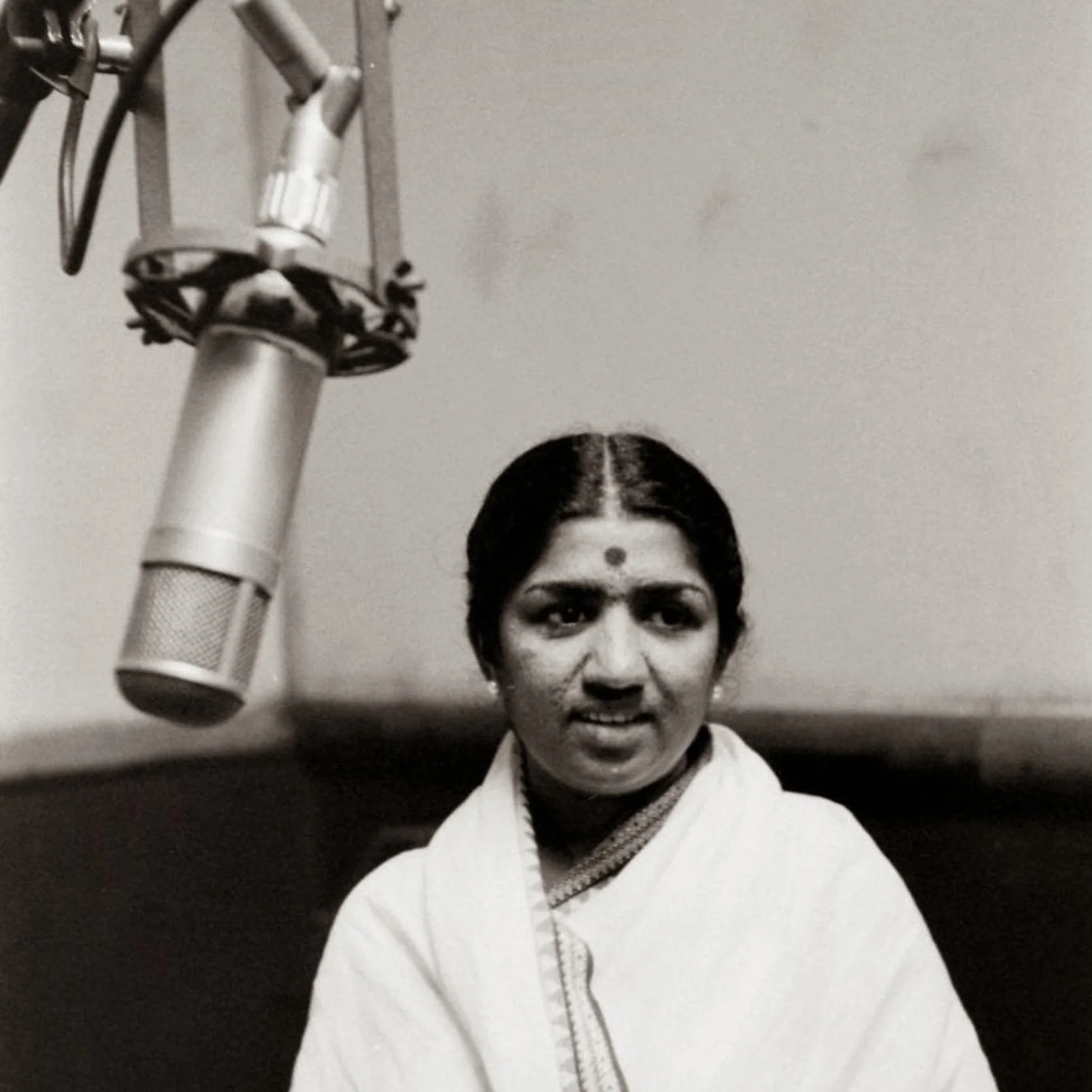
1964
Lag Jaa Gale ((Woh Kaun Thi?) - A haunting melody still adored today

1960
Ajeeb Dastan Hai Yeh (Dil Apna Aur Preet Parai) - A classic of Hindi cinema
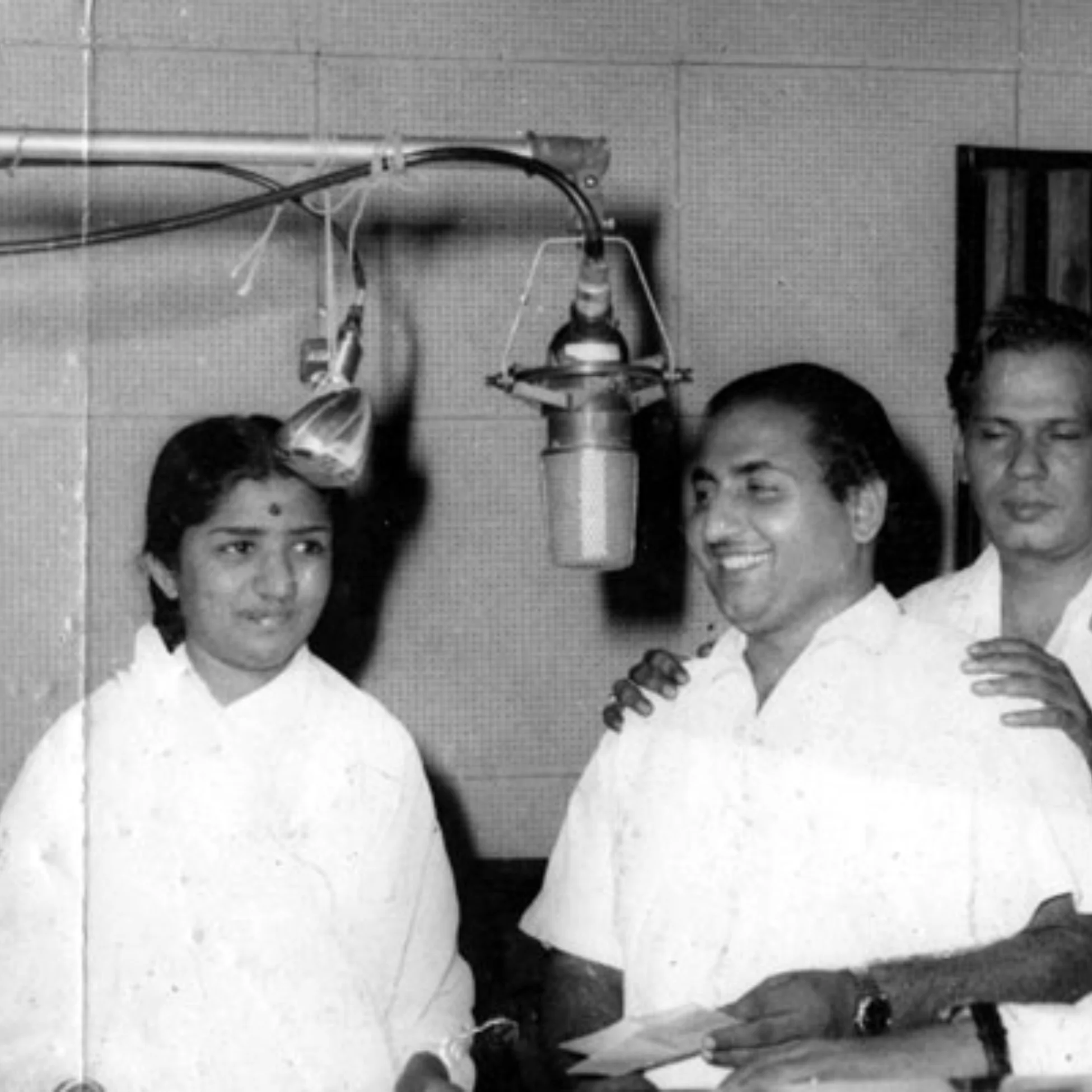
1960
Pyar Kiya To Darna Kya (Mughal-e-Azam) - A powerful anthem of love.
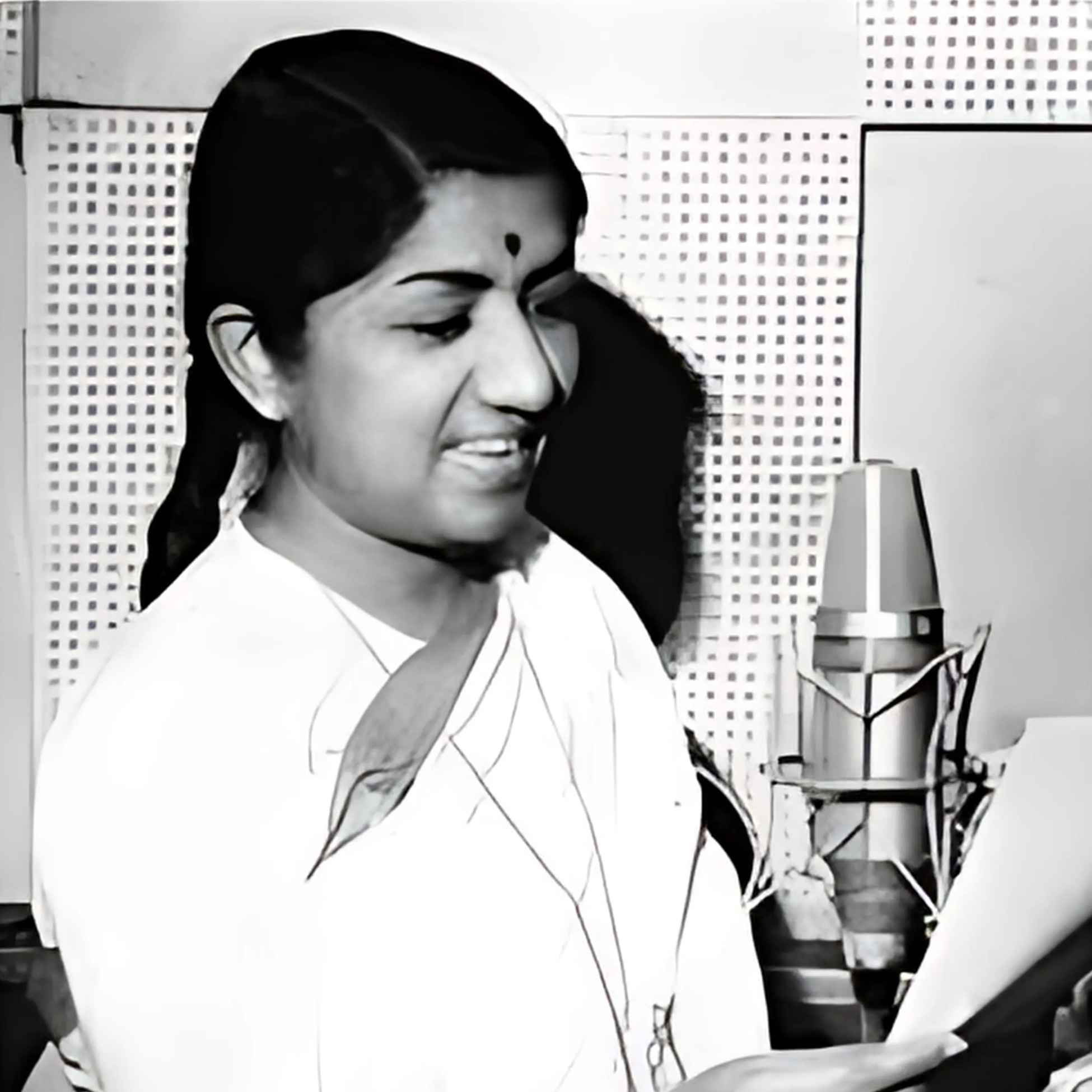
1975
Tere Bina Zindagi Se Koi Shikwa (Aandhi) - A soulful duet with Kishore
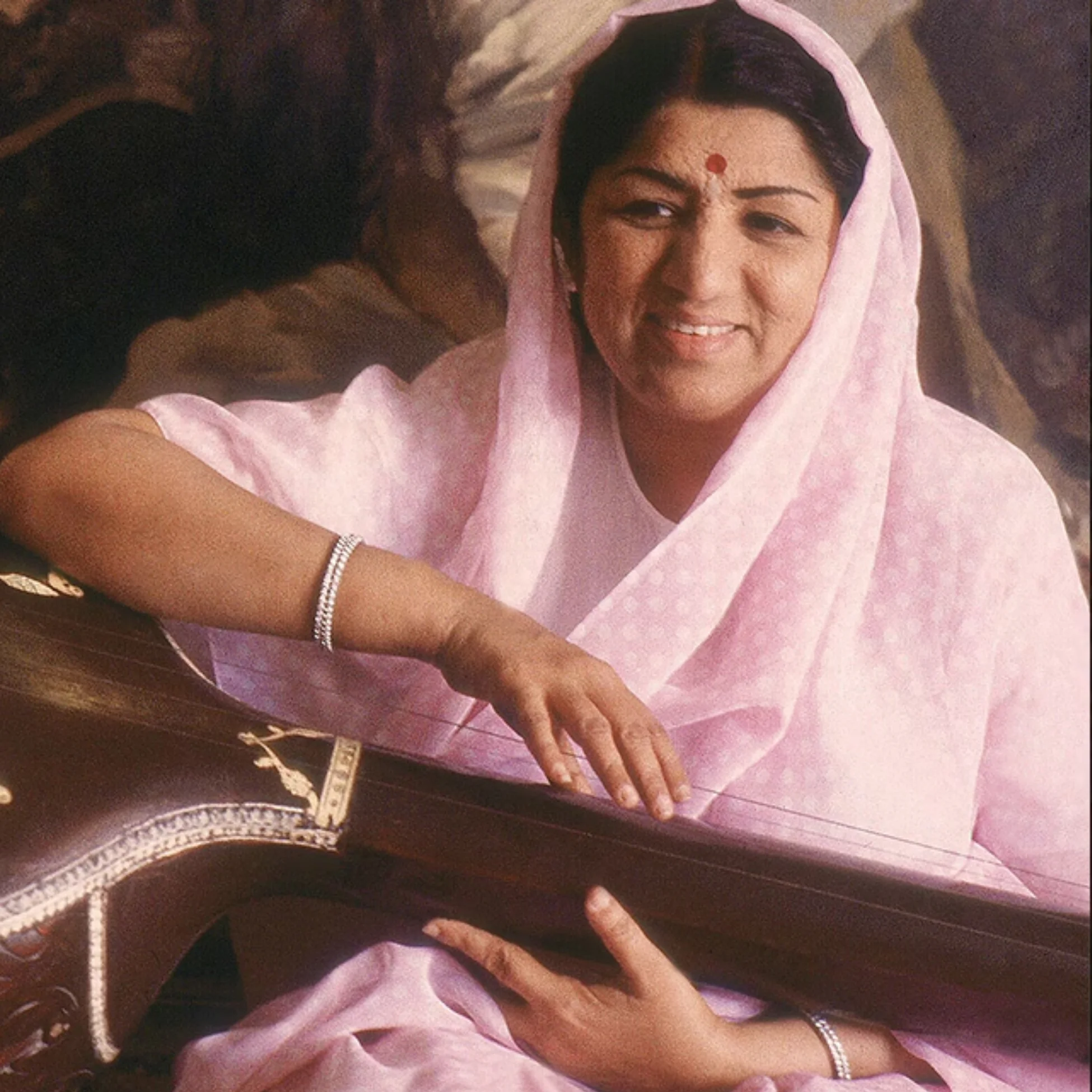
1989
Dil Deewana (Maine Pyar Kiya) - A romantic favorite of the modern generation.

1995
Tujhe Dekha To (Dilwale Dulhania Le Jayenge) - A song that became synonymous with love stories in Bollywood.
Her collaborations with legendary composers like Madan Mohan, S.D. Burman, R.D. Burman, Laxmikant-Pyarelal, Kalyanji-Anandji, A.R. Rahman, and Shankar-Jaikishan produced some of the most unforgettable melodies in Indian cinema.
Awards & Achievements
Lata Mangeshkar’s contributions to music earned her numerous accolades:
- Bharat Ratna (2001): India’s highest civilian honor.
- Padma Vibhushan (1999) and Padma Bhushan (1969).
- Dadasaheb Phalke Award (1989).
- National Film Awards: 3 wins for Best Female Playback Singer.
- Filmfare Awards: Multiple wins before she requested her name be withdrawn to encourage younger singers.
- Guinness World Record: Recognized at one time as the most recorded artist in the world.
Beyond awards, her voice became the soundtrack of generations, spanning over seven decades and more than 30 languages, including Hindi, Marathi, Bengali, Tamil, Telugu, Gujarati, Kannada, and even foreign languages. Her songs carried not only melodies but emotions, leaving an indelible mark on the soul of India.
Conclusion
The Lata Mangeshkar Biography is the story of a voice that became India’s heartbeat. She wasn’t just a playback singer—she was the soul of Indian cinema, bridging generations through her timeless melodies.
From her humble beginnings in Indore to becoming the Nightingale of India, Lata Mangeshkar’s journey is one of resilience, dedication, and unparalleled artistry. Her music will forever remain a guiding force for India and the world.
Even though she is no longer physically with us, her songs ensure she lives on eternally—forever singing, forever inspiring.
FAQ's
Because of her melodious voice and unmatched contribution to Indian music, echoing the sweetness of a nightingale’s song.
She recorded over 30,000 songs in 36+ languages across a career spanning seven decades.
Her breakthrough song was Aayega Aanewala from the film Mahal (1949).
Yes, she was awarded the Bharat Ratna in 2001.
Ae Mere Watan Ke Logon (1963), a tribute to Indian soldiers.