
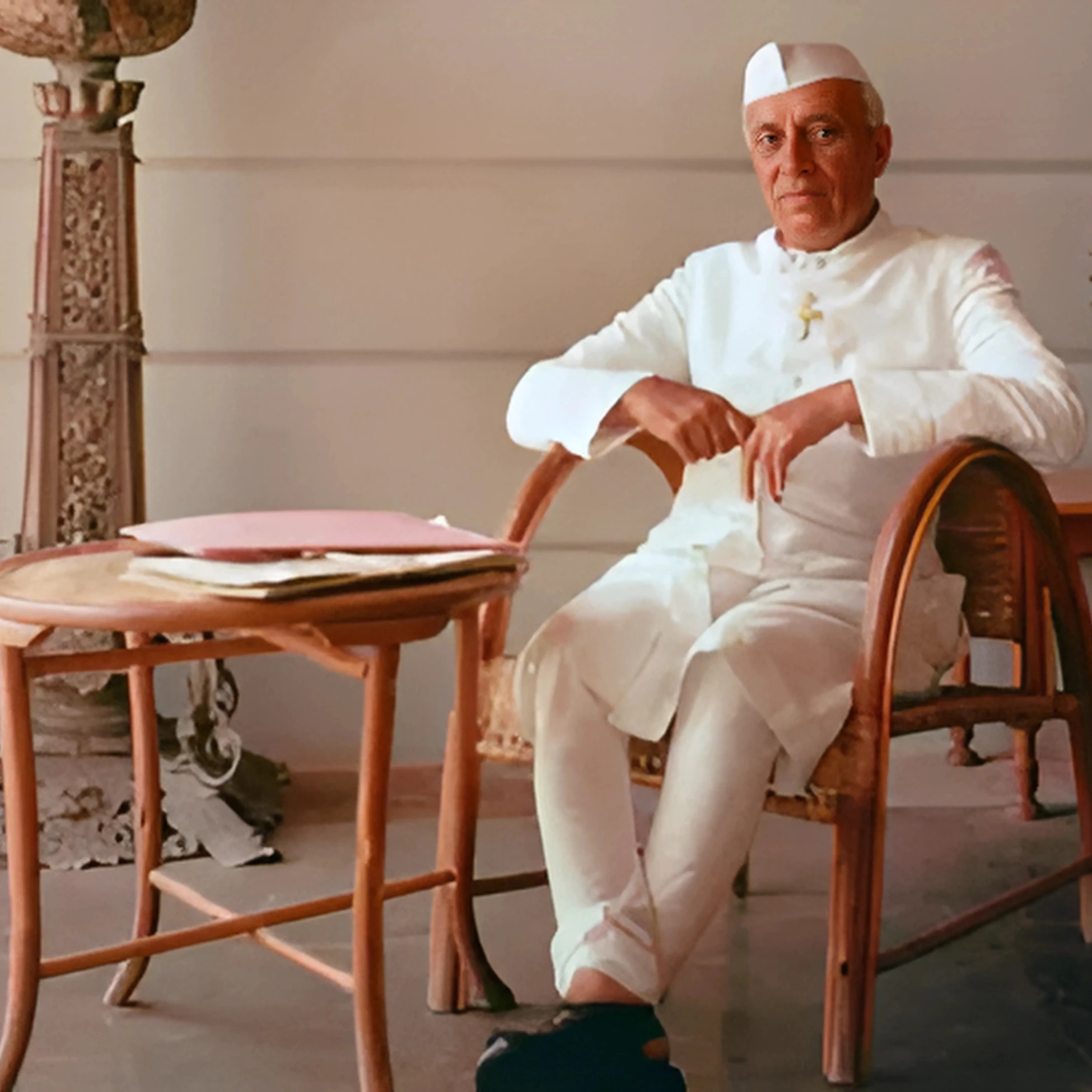
Jawaharlal Nehru Architect of Modern India
A visionary leader who laid the foundation of India’s democratic and scientific progress.
Quick Summary
Full Name: Pandit Jawaharlal Nehru
Born – Died: 14 November 1889 – 27 May 1964
Tenure(s) in Office: Prime Minister of India (15 August 1947 – 27 May 1964)
Political Party: Indian National Congress
Key Contributions:
Architect of modern India’s democratic institutions
Championed Non-Aligned Movement
Founded IITs, AIIMS, and other key institutions
Notable Quote: “At the stroke of the midnight hour, when the world sleeps, India will awake to life and freedom.”
Introduction: Celebrating a Nation Builder
Jawaharlal Nehru, India’s first Prime Minister, is one of the most influential figures in the history of the nation.
Known for his role in shaping independent India’s socio-economic and political landscape, Nehru’s leadership laid the foundation for the world’s largest democracy. His forward-thinking policies in education, science, and foreign affairs have left an indelible mark on modern India.
This page will explore Nehru’s life, his critical role in India’s freedom struggle, his tenure as Prime Minister, and his lasting contributions to the development of a free, secular, and progressive India.
Early Life and Education
Born on 14th November 1889, Jawaharlal Nehru grew up in a privileged family in Allahabad, Uttar Pradesh. His father, Motilal Nehru, was a prominent lawyer and politician, a member of the Indian National Congress, and a key figure in the Indian independence movement. Nehru’s upbringing, marked by exposure to Western education and Indian nationalist ideals, shaped his worldview.
Nehru was educated at the prestigious Harrow School in England, followed by Trinity College, Cambridge, where he studied natural sciences. He later pursued law at the Inns of Court in London, earning a degree that would prepare him for his political career.
Key Facts:
- Born: 14th November 1889, Allahabad, British India
- Education: Harrow School, Trinity College, Inns of Court (London)
- Father: Motilal Nehru (INC leader and lawyer)
- Political Ideology: Democratic socialism, secular
Journey in Pictures
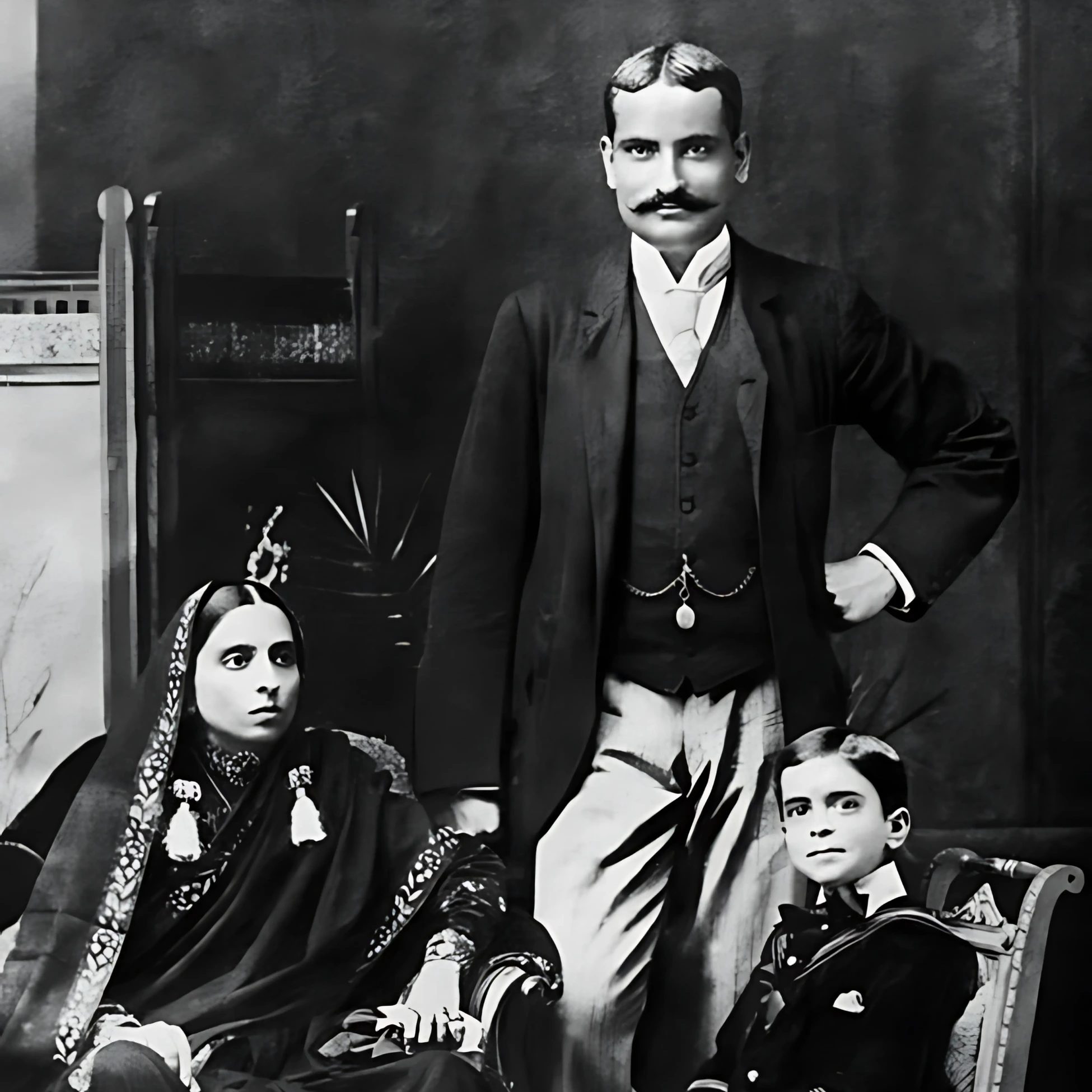
1889
Childhood — Early family portrait from Allahabad.
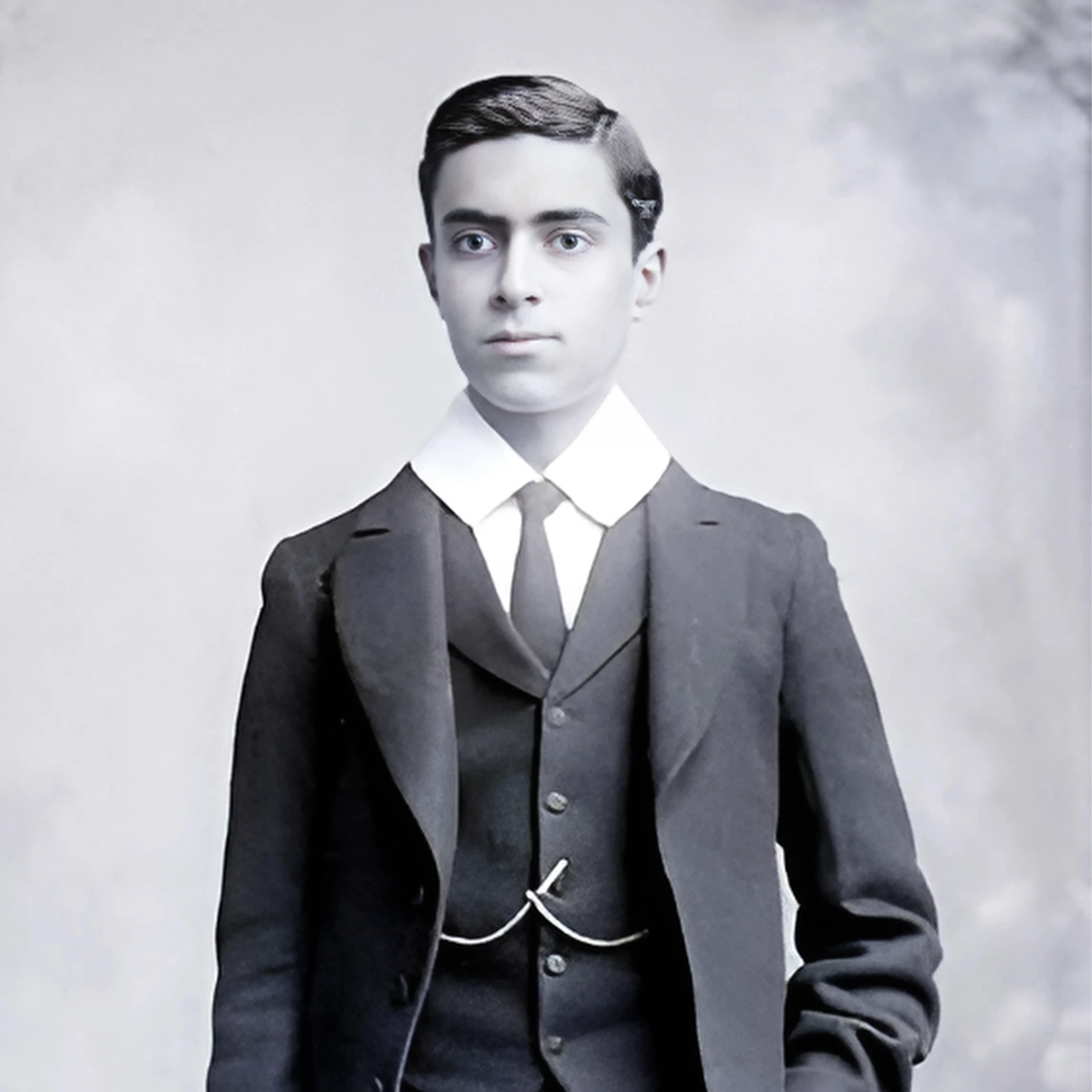
1907
Student Years — Trinity College period.
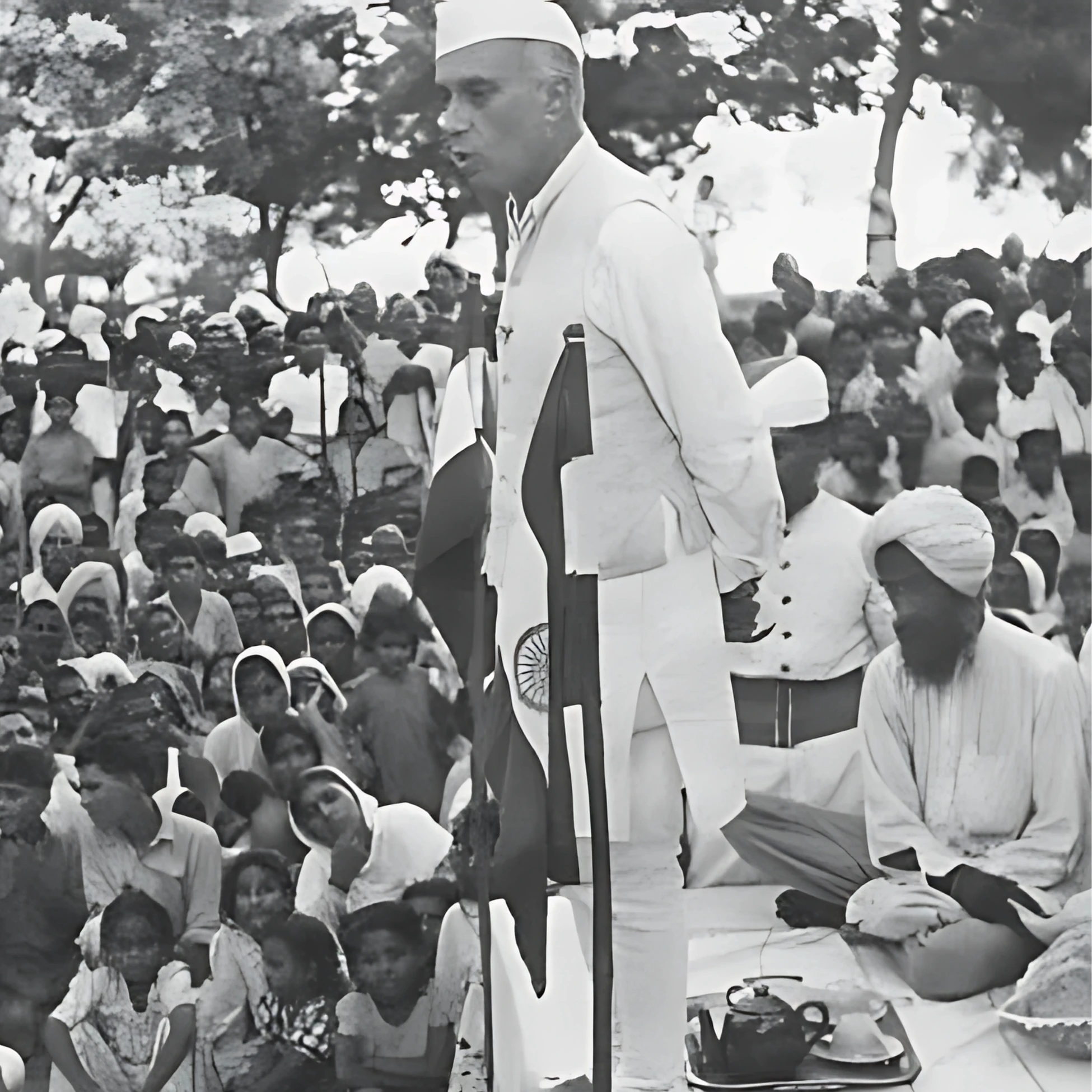
1930
Freedom Struggle — Addressing a gathering.
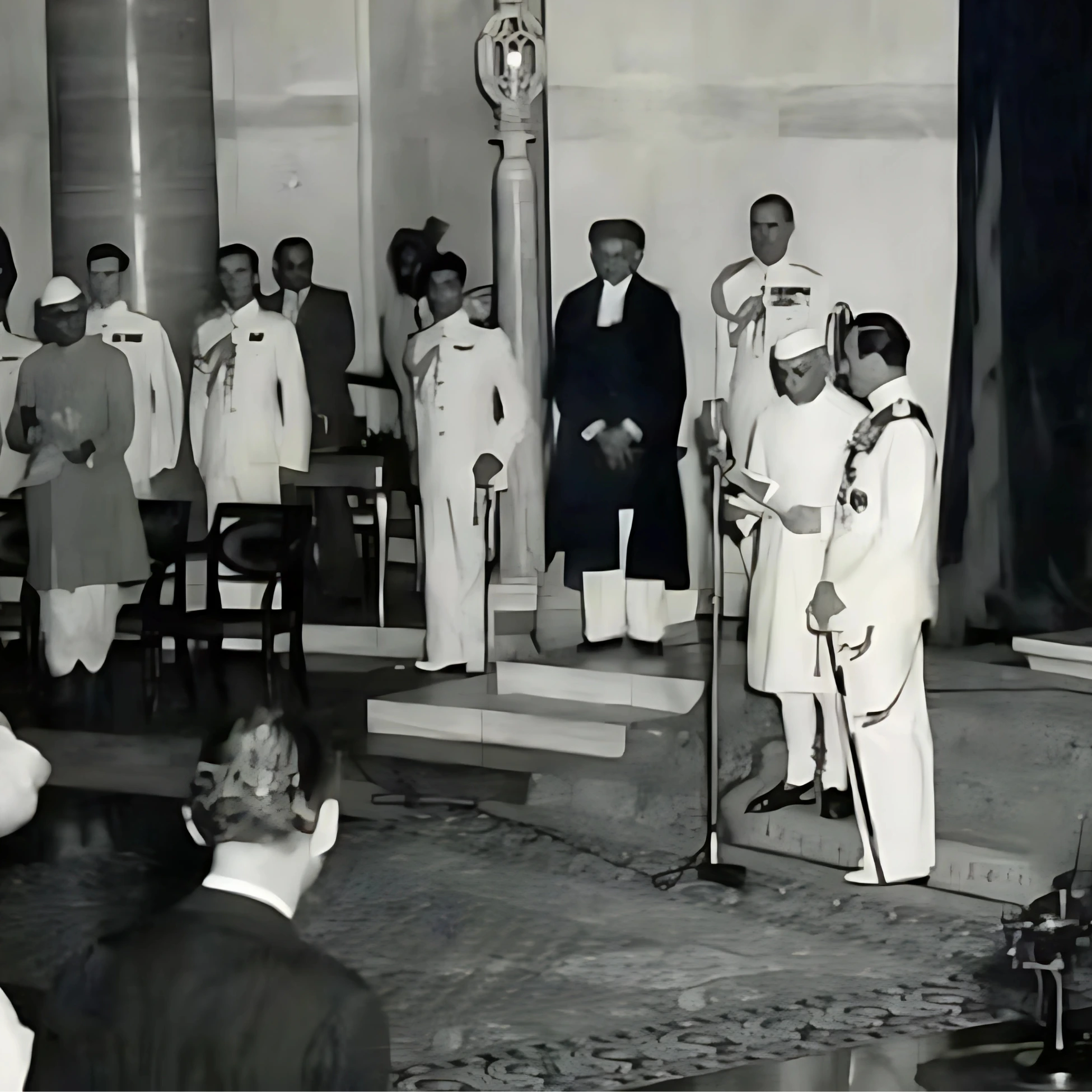
1947
Independence — Oath as India’s first Prime Minister.
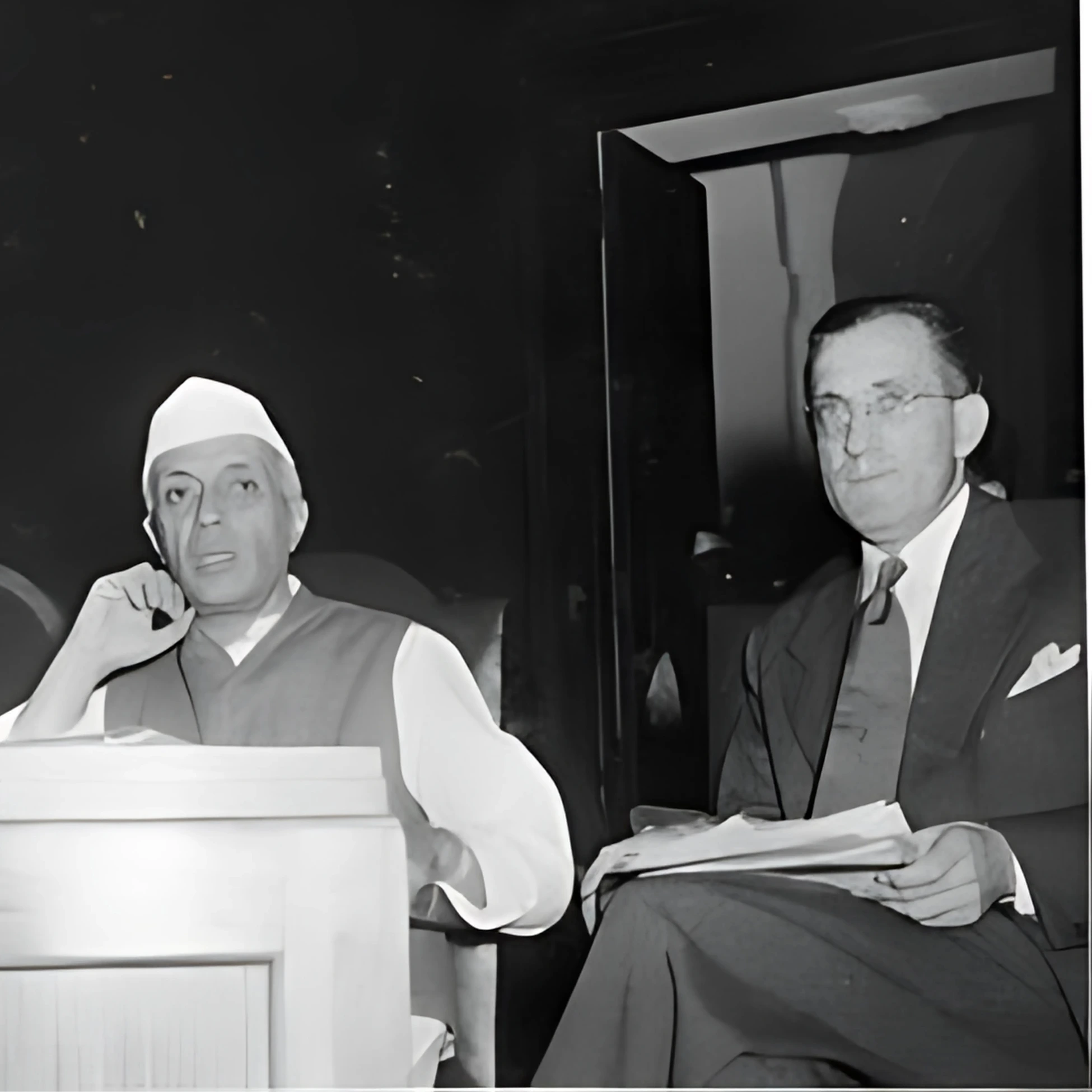
1955
World Stage — Non-Aligned diplomacy .
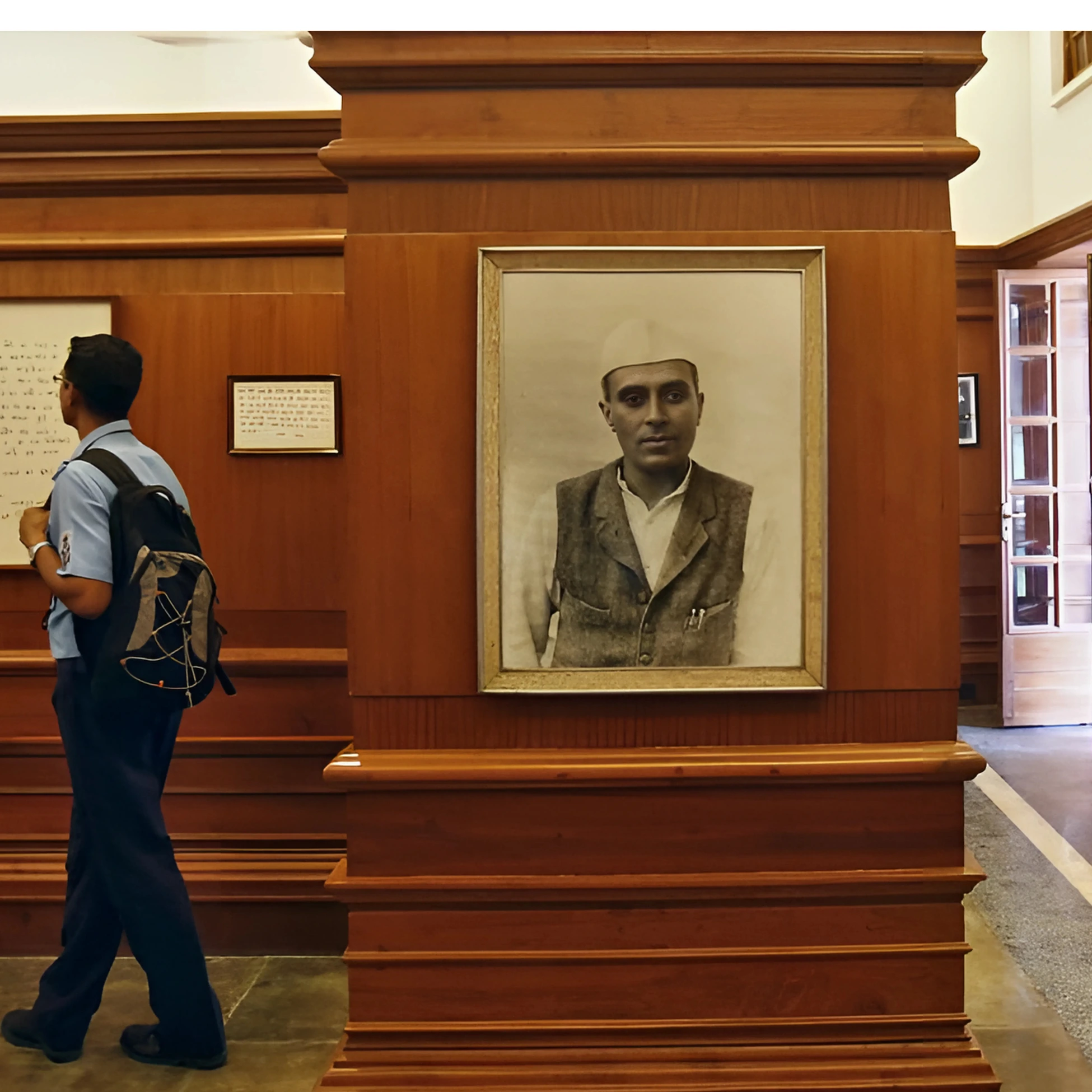
1964
Legacy — Tributes & memorials that honor.
Political Journey and Role in India’s Freedom Struggle
Nehru’s active involvement in India’s politics began after his return from England in 1912. His initial work in the Indian National Congress (INC) was marked by his collaboration with Mahatma Gandhi, who became a mentor and inspiration. Nehru’s participation in key movements like the Non-Cooperation Movement (1920), Civil Disobedience Movement (1930), and the Quit India Movement (1942) was instrumental in driving India toward independence.
As a young and charismatic leader, Nehru gained national prominence through his vision of Purna Swaraj (complete independence), which he formalized in 1929 during the Lahore Congress. He became the President of the Indian National Congress, a position that put him in the forefront of the independence struggle.
Nehru’s Major Contributions in the Independence Movement:
- Supported Gandhi’s Non-Cooperation Movement to demand self-rule.
- Championed the Purna Swaraj Resolution (1930), pushing for complete freedom from British rule.
- Played a significant role in negotiating India’s independence through dialogues with British authorities, alongside leaders like Sardar Vallabhbhai Patel and Mahatma Gandhi.
First Prime Minister of Independent India (1947–1964)
On 15th August 1947, India became a free nation, and Nehru was appointed as the first Prime Minister. His leadership during the early years of independent India was marked by efforts to stabilize the country’s political, economic, and social structure. Nehru’s focus on democratic socialism, secularism, and non-alignment played an essential role in establishing India’s unique identity on the global stage.
Key Policies and Contributions:
- Industrialization and Economic Growth
Nehru initiated India’s first Five-Year Plan in 1951, focusing on building heavy industries and developing infrastructure. Public sector enterprises, including Steel Authority of India (SAIL), and numerous hydroelectric projects like Bhakra Nangal Dam were built under his leadership. - Education and Scientific Development
A believer in scientific temper, Nehru’s vision led to the creation of Indian Institutes of Technology (IITs), Indian Institutes of Management (IIMs), and organizations like ISRO and Atomic Energy Commission. His emphasis on education continues to benefit India’s development. - Non-Aligned Movement (NAM)
One of Nehru’s defining foreign policy achievements was the establishment of the Non-Aligned Movement (NAM) in the context of the Cold War. Alongside Yugoslavian leader Tito and Egyptian President Nasser, Nehru advocated
Key Fact:
- Nehru’s educational reforms laid the foundation for India’s renowned educational institutions. The IITs, established under his leadership, rank among the world’s top engineering institutions.
Challenges and Criticism
While Nehru’s leadership was transformative, his tenure was not without criticism. Two major controversies that marked his leadership were the handling of the Kashmir conflict and the Sino-Indian War (1962).
- Kashmir Issue
Nehru’s decision to refer the Kashmir issue to the United Nations remains a point of contention. Although he aimed to resolve the conflict through dialogue, it led to a long-standing dispute that continues to affect India-Pakistan relations. - Sino-Indian War (1962)
Nehru’s foreign policy towards China, often summarized by the slogan “Hindi-Chini Bhai Bhai”, faced a setback during the Sino-Indian War in 1962. The war resulted in a defeat for India, damaging Nehru’s reputation domestically.
Legacy and Impact on Modern India
Jawaharlal Nehru passed away on 27th May 1964, leaving behind a legacy that continues to shape India. His commitment to building a democratic, secular, and modern nation is evident in India’s political structure, scientific progress, and education system.
Key Contributions to Modern India:
- Political System: Nehru’s insistence on parliamentary democracy and a secular constitution formed the bedrock of India’s governance.
- Economic Development: The Five-Year Plans initiated by Nehru set the course for industrial and infrastructural development.
- Scientific Temper: Nehru’s emphasis on scientific advancement led to the establishment of ISRO and BARC, key institutions that have contributed to India’s position as a global leader in space and nuclear technology.
Legacy in Frames
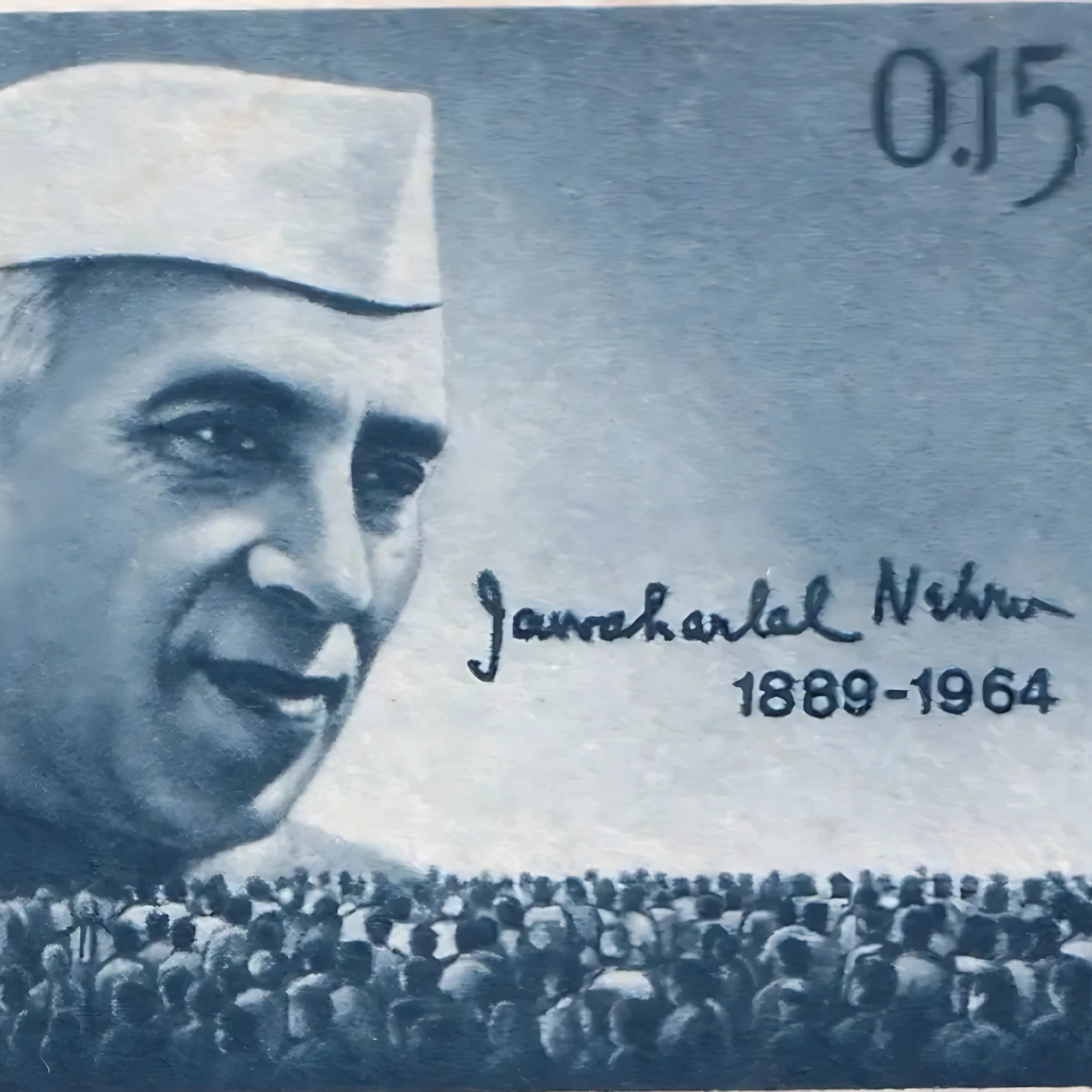
Commemorative Stamp Issued
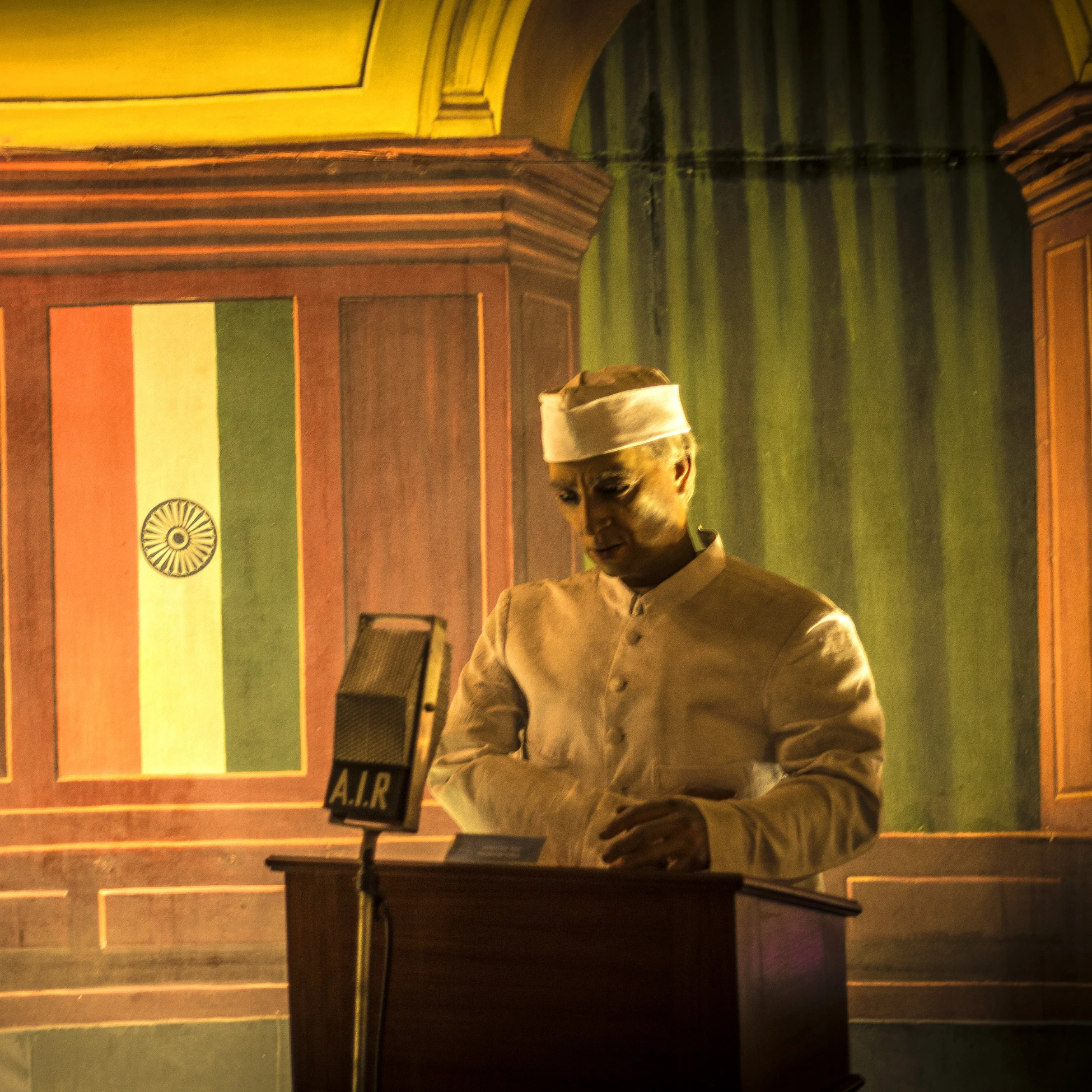
Nehru Memorial Museum & Library
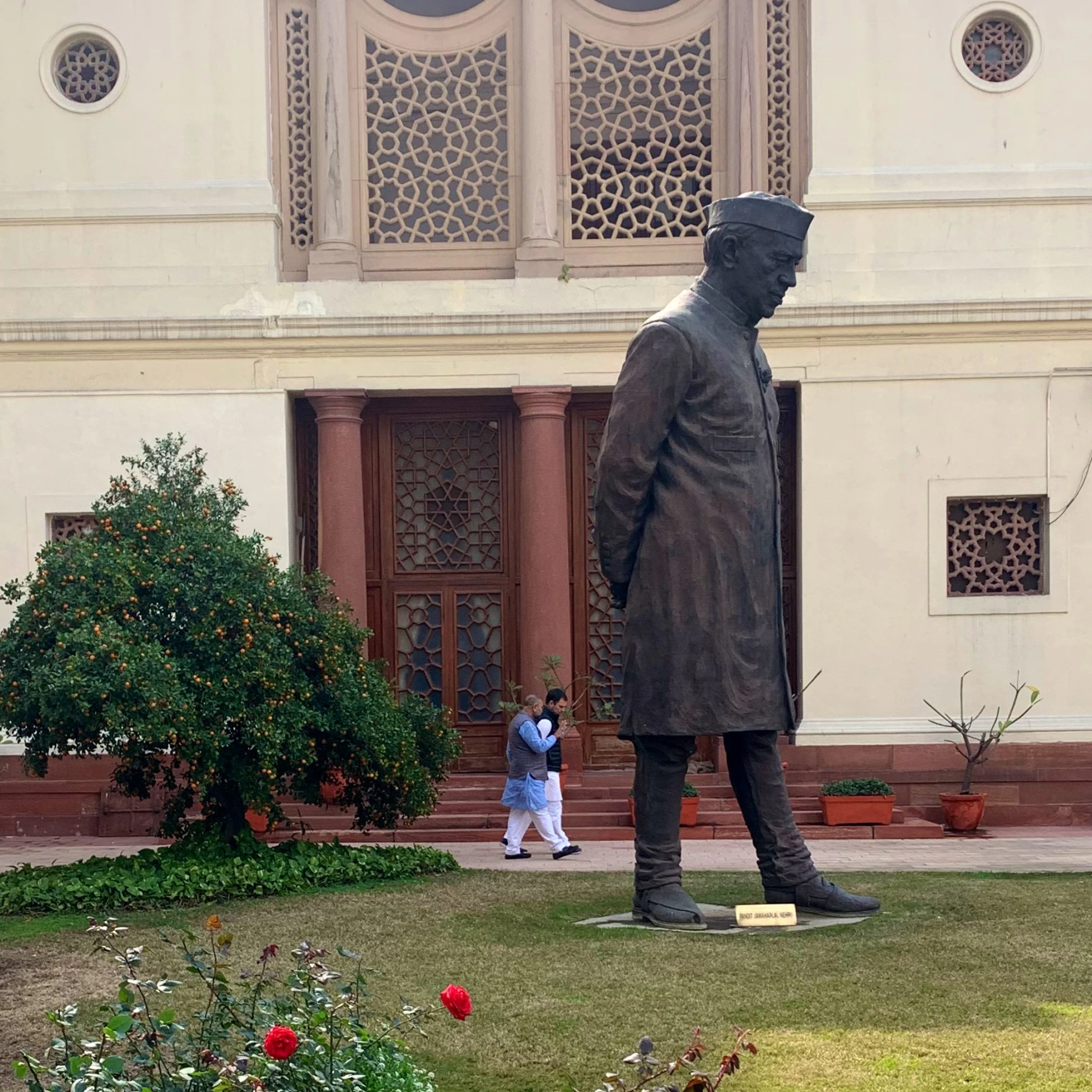
Statue at Parliament House
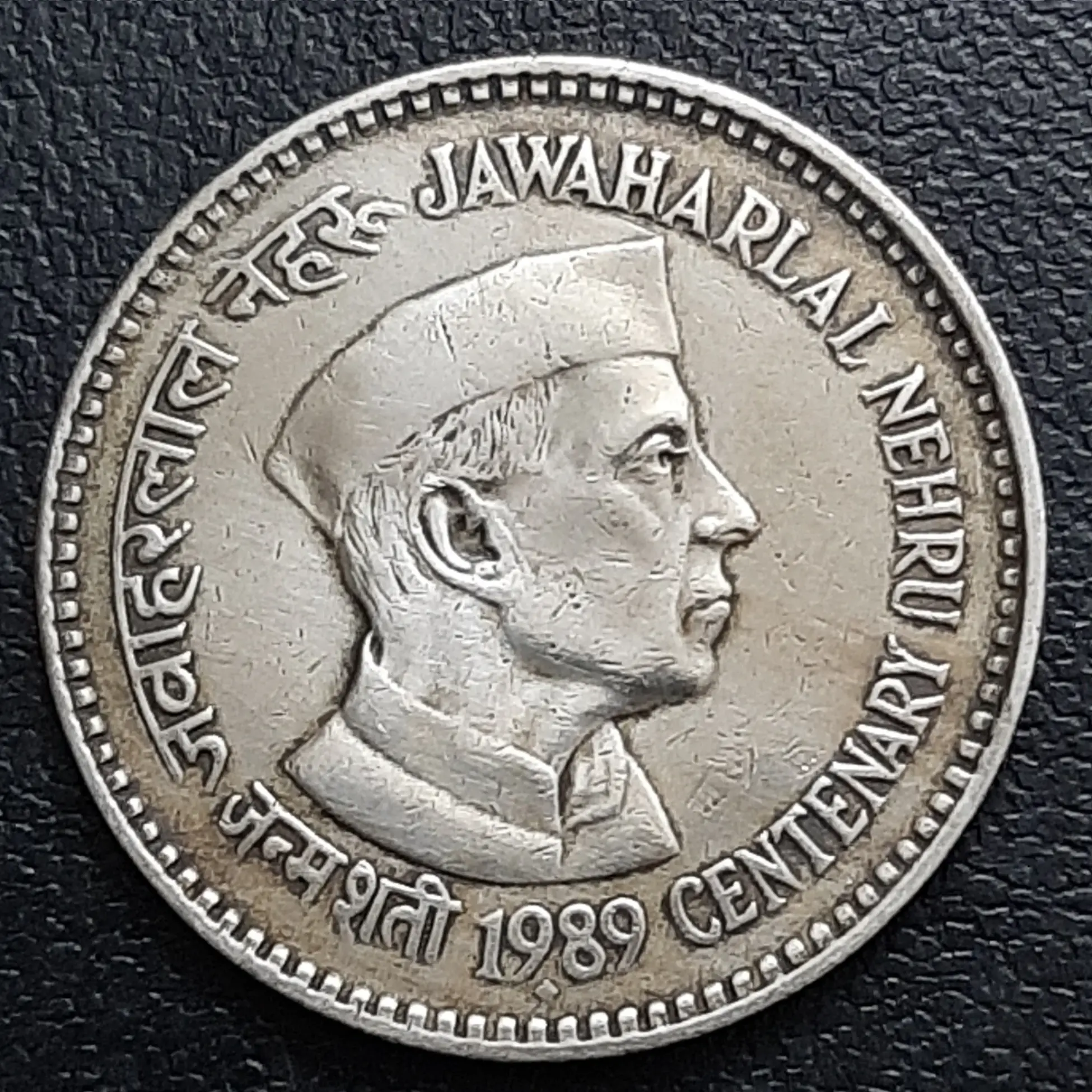
Featured on Indian Currency
Nehru in Contemporary Context
As of 2023, Jawaharlal Nehru’s policies and vision continue to impact India’s economic, educational, and political fabric. His legacy is celebrated annually on Children’s Day (14th November) in India, in honor of his love for children and his belief in their role in shaping the future of the country.
Latest Developments:
- Space Program: Nehru’s establishment of ISRO has borne fruit in India’s recent space achievements, including the successful Chandrayaan-3 mission in 2023, marking India’s first successful landing on the Moon’s south pole.
- Education: Institutions like IITs and IIMs are ranked among the world’s top universities and continue to contribute to India’s economic and technological progress.
The Legacy of Jawaharlal Nehru
Jawaharlal Nehru remains an iconic figure in India’s political history. His ideals of secularism, democracy, and scientific progress continue to guide the country’s growth. While his policies and leadership faced challenges, his contributions to nation-building and his vision for a modern India are undeniable.
FAQ's
Nehru led the INC and worked closely with Gandhi to push for India’s complete independence from British rule. His leadership in the Quit India Movement and diplomatic efforts during World War II were key in achieving India’s freedom in 1947.
Yes, Nehru was imprisoned multiple times by British authorities, spending nearly 9 years in jail for his participation in various independence movements.
Nehru advocated for non-alignment, ensuring that India remained neutral during the Cold War and refrained from aligning with any major power blocs.
Nehru emphasized higher education, scientific research, and technical education, establishing institutions like IITs and ISRO that have continued to play a significant role in India’s progress.
Nehru’s perceived lack of military preparedness and his idealistic approach to foreign relations with China led to India’s defeat in the 1962 Sino-Indian War.
Nehru believed in resolving the Kashmir dispute through diplomatic means and involved the United Nations. His decision to offer a plebiscite, which never took place, remains controversial.