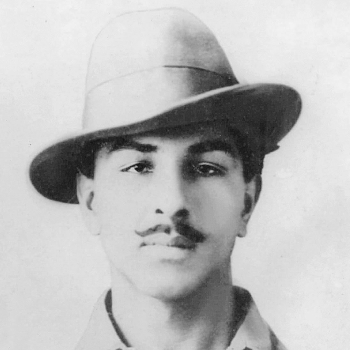
Lala Lajpat Rai Biography

Lala Lajpat Rai

In the struggle for India’s independence, few names shine as brightly as Lala Lajpat Rai. His fearless spirit and unwavering commitment to justice inspired countless individuals to join the fight against British rule.

Introduction

Lala Lajpat Rai was a prominent Indian freedom fighter and leader in the struggle for independence from British colonial rule. Known as the “Lion of Punjab,” he played a crucial role in mobilizing people against oppression and advocating for civil rights. His dedication to his country and his passion for justice left a lasting legacy that continues to inspire generations.

Quick Summary

  • Full Name: Lala Lajpat Rai
  • Born: January 28, 1865, in Dhudike, Punjab
  • Profession: Politician, Freedom Fighter, Social Reformer
  • Known As: Lion of Punjab
  • Career Span: 1900s to 1920s
  • Key Contributions:
    • Leader of the Indian National Congress
    • Co-founded the Punjab National Bank
    • Advocated for the rights of the oppressed and marginalized
    • Organized protests against British policies
    • Fought for education and social reforms
    • Instrumental in the formation of the All-India Trade Union Congress
    • Promoted the Swadeshi movement
  • Quote: “I declare that I am not a politician, but a true patriot.”

Early Life & Background

Lala Lajpat Rai was born in a small village called Dhudike in Punjab. He came from a humble family; his father was a school teacher, and his mother was a housewife. Growing up in a family that valued education, Lajpat was encouraged to pursue his studies. His early environment laid the foundation for his love of learning and social justice.

As a child, Lajpat was curious and spirited. He showed signs of leadership and determination early on. He attended the local school, where he excelled in subjects like mathematics and literature. His teachers noticed his potential and encouraged him to aim high. The social issues around him, including the plight of farmers and workers under British rule, ignited a passion for social reform in young Lajpat.

His early education continued as he moved to Lahore to attend Government College. It was here that he began to immerse himself in the ideas of nationalism and social justice. Influenced by thinkers like Swami Vivekananda and Rabindranath Tagore, Lajpat’s personality began to shape into that of a leader ready to take a stand against injustice.

During his college years, he became deeply involved in social activities. He joined various student organizations and participated in debates and discussions that focused on India’s future. His experiences in Lahore were pivotal in molding his understanding of the political landscape of India and the need for change.

How It All Started

Lala Lajpat Rai’s political journey began with a sense of urgency and responsibility towards his fellow countrymen. His awakening came during his college years, where he witnessed the stark realities of British oppression. The more he learned, the more he felt compelled to act. His first major involvement was with the Indian National Congress, where he attended his first session in 1888. This was a defining moment, as he realized the power of collective action.

Rai’s inspiration came from the struggles of people around him. He saw farmers losing their lands and workers facing harsh conditions. These injustices ignited a fire in him to fight for their rights. His early steps included organizing a student movement against the oppressive policies of the British, which caught the attention of many young minds.

To strengthen his resolve, Lajpat sought out mentors who shared his vision. One significant figure was Bal Gangadhar Tilak, who became a guiding force in Lajpat’s life. Under Tilak’s influence, Lajpat learned about radical nationalism and became more involved in activism. He mobilized students and youth, encouraging them to join the cause and stand against British rule.

Despite his growing popularity, Lajpat faced many struggles. The British authorities were not pleased with his activities. He was arrested multiple times for organizing protests and speaking against injustices. However, these challenges only fueled his determination. Each setback made him more resolute in his mission. He continued to hold rallies, often facing police brutality, but he never wavered in his commitment.

One of his early successes was the organization of the Swadeshi movement in Punjab. He encouraged people to boycott British goods and support local products, which resonated deeply with the public. The movement gained momentum, and soon, Lajpat became a household name, known for his fiery speeches and unwavering spirit.

His breakthrough came during the protests against the Simon Commission in 1928. This commission did not include any Indian members, which angered many. Lajpat led a peaceful protest in Lahore, demanding representation for Indians. Tragically, he was injured during the protests due to police violence and succumbed to his injuries later. However, his death sparked outrage across the country, and he became a martyr in the fight for independence.

Lala Lajpat Rai’s journey was not just about politics; it was about a deep connection with the people and a relentless pursuit of justice. His early experiences defined him as a leader, and his impactful actions continue to inspire many even today.

Career Journey

Early Career

Lala Lajpat Rai began his career as a lawyer in 1886 after obtaining his law degree from the Lahore Government College. He initially practiced law in the Punjab High Court, where he quickly gained a reputation for his strong arguments and commitment to justice. However, the experiences of injustice faced by his countrymen deeply affected him. As he witnessed the exploitation and oppression under British rule, he knew he had to do more than just practice law. He became involved in the Indian National Congress and started advocating for civil rights and social reform.

Rai’s early efforts were marked by his participation in various social and political movements. He was a member of the Punjab branch of the Indian National Congress, where he worked alongside many other leaders who sought to address the injustices faced by Indians. His ability to organize protests and articulate the concerns of the masses earned him respect within the community. In 1907, he was part of a significant movement against the British government’s decision to introduce the repressive ‘Rowlatt Act.’ His fiery speeches and public rallies drew large crowds, marking the beginning of his transition from a legal career to becoming a prominent political figure.

Breakthrough Phase

Rai’s transition to a full-time freedom fighter began in the early 1900s when he took part in the ‘Swadeshi Movement’ aimed at boycotting British goods. In 1905, when the British government’s decision to partition Bengal was met with widespread anger, Rai’s voice was one of the loudest in advocating for unity among Indians. He stressed the need for self-reliance and encouraged people to use products made in India rather than British imports. This phase established him as a leader who could mobilize the masses effectively.

A pivotal moment came in 1919 when Lala Lajpat Rai led a protest against the Rowlatt Act in Lahore. This act gave the British government the authority to arrest individuals without trial, sparking outrage across the country. During the protests, Rai was brutally injured by the police under the orders of Superintendent James A. Scott. His injuries were severe, leading to immense public outcry. Rai’s resilience in the face of violence galvanized support for the independence movement and further cemented his status as a leading figure in the struggle against British rule.

Peak Career

As the 1920s approached, Lala Lajpat Rai’s influence continued to rise. His leadership was instrumental in bringing together various factions within the Indian independence movement. He was a strong proponent of the ‘Non-Cooperation Movement’ initiated by Mahatma Gandhi in 1920. Rai urged Indians to withdraw from British institutions and to reject British-made goods. His ability to inspire and unite people was evident as he organized rallies, strikes, and various forms of protests throughout Punjab and beyond.

In 1928, Rai attended the All-India Congress session in Calcutta, where he actively participated in the discussions about the future of India. His dedication and vision made him a respected elder statesman among the younger leaders. However, the same year would bring tragedy. Rai, along with other leaders, protested against the Simon Commission, which did not include any Indian members. During this protest, he was again attacked by police, leading to his eventual death on November 17, 1928. His final moments were filled with courage and resolve, as he famously declared, “Every blow to me is a blow to the movement.” His legacy continued to inspire countless others even after his passing.

Later Career

Following Rai’s tragic death, his contributions were celebrated and his ideals continued to influence the fight for independence. His writings and speeches remained a source of inspiration for future leaders like Bhagat Singh, who considered him a martyr in the struggle for freedom. Rai’s political ideologies evolved as he forged alliances with various groups, including the Socialist Party, and he advocated for social justice and economic reforms.

In the years after his death, many commemorative events were held in his honor, highlighting his role in the independence movement. The Lala Lajpat Rai Memorial was established in Punjab, ensuring that future generations would remember his contributions. His life’s work laid the groundwork for the eventual success of the Indian independence movement, serving as a powerful reminder of the fight against oppression and injustice.

Major Achievements

  • Key figure in the Indian National Congress and a leader in the Swadeshi Movement.
  • Prominent voice against the Rowlatt Act and police brutality in 1919.
  • Leader of the Non-Cooperation Movement in Punjab, promoting the boycott of British goods.
  • Instrumental in mobilizing masses through speeches and protests, encouraging unity among Indians.
  • His legacy continues to inspire numerous freedom fighters and leaders in India.

What Makes Them Special

Lala Lajpat Rai possessed a unique blend of skills that made him an effective leader. His public speaking ability was remarkable; he could captivate large crowds and inspire them to take action. Rai was also a strategic thinker, able to assess the political landscape and navigate the complexities of various factions within the independence movement. His commitment to social justice and civil rights set him apart, as he fought not only for political freedom but also for the rights of marginalized communities.

Rai’s personality was marked by courage and determination. He faced numerous challenges, including physical attacks and imprisonment, yet he never wavered in his commitment to the cause. His strong sense of justice and empathy for the suffering of others made him relatable to the common people. Rai’s leadership qualities shone through his ability to unite diverse groups, advocate for the oppressed, and push for meaningful change.

Challenges & Struggles

Throughout his career, Lala Lajpat Rai faced numerous challenges. He encountered harsh criticism from British authorities and was often targeted for his activism. His protests against British rule led to multiple arrests, and he was a victim of police brutality during the Rowlatt Act protests. These experiences were physically and emotionally taxing, yet they only strengthened his resolve.

Rai also dealt with the internal conflicts within the Indian National Congress and other political organizations. Balancing differing ideologies and strategies could be frustrating, but he managed to find common ground to unite them for the greater good. His ability to rise above personal and political challenges demonstrated his resilience and unwavering commitment to India’s freedom. Rai’s struggles are a testament to his character, showcasing how he transformed adversity into a powerful force for change.

Legacy & Impact

Lala Lajpat Rai is remembered as a brave leader in India’s fight for freedom. His strong opposition to British rule inspired many. He played a significant role in the Indian National Congress and was a key figure in various movements against colonial policies. His efforts in advocating for civil rights and social reform made a lasting impact on India.

Rai’s legacy influenced many future leaders, including Mahatma Gandhi and Jawaharlal Nehru. His commitment to justice and equality set a standard for subsequent generations. Rai’s work in education and social upliftment also inspired various organizations dedicated to social causes.

Personal Life

Lala Lajpat Rai was born on January 28, 1865, in Punjab. He came from a family that valued education. He married and had children, but he often focused on his political work. Rai loved reading and was deeply interested in the welfare of his country.

Interesting Facts

  • Lala Lajpat Rai was known as ‘Lion of Punjab’ due to his fearless spirit.
  • He was a prominent member of the Arya Samaj, promoting social reform.
  • Rai authored several books on politics and social issues.
  • He played a vital role in the Non-Cooperation Movement led by Gandhi.
  • Rai was injured during a protest against the Simon Commission in 1928, leading to his death later.
  • He helped establish the Punjab National Bank in 1894.
  • His work laid the foundation for future movements against colonial rule.

Frequently Asked Questions

Who is Lala Lajpat Rai?

Lala Lajpat Rai was an influential leader in India’s independence movement, known for his strong stance against British rule.

Why is Lala Lajpat Rai famous?

He is famous for his leadership in civil rights, social reform, and his role in the Indian National Congress.

What are his achievements?

His achievements include significant contributions to the freedom struggle, founding institutions, and advocating for social justice.

What is his background?

He was born in Punjab, educated in law, and became involved in politics early in his career.

What impact did he have on future generations?

His dedication to justice influenced many leaders and activists who followed him in India’s quest for independence.

What movements was he part of?

He was part of the Non-Cooperation Movement, the Indian National Congress, and led protests against oppressive laws like the Rowlatt Act.

Where did he work during his career?

He began his career as a lawyer in Punjab and later became a prominent political figure in the Indian National Congress.

Conclusion

Lala Lajpat Rai’s journey from a lawyer to a prominent leader in India’s freedom struggle highlights his unwavering commitment to justice and equality. His contributions to social reform and civil rights have left a lasting imprint on Indian society. Rai’s life story inspires many, reminding us of the importance of standing up against injustice and fighting for a better future.