Deepika Padukone: India’s Global Icon of Stardom, Resilience, and Mental Health Advocacy

Deepika Padukone’s inspiring journey from a national badminton player to a celebrated actress, a brave mental health advocate, and a global ambassador, truly embodies “India Ki Shaan.”

Deepika Padukone

Born: January 5, 1986 (Copenhagen, Denmark)

Tenure: Active since 2007

Contributions:

  • Rose to stardom as a leading Bollywood actress with critical and commercial success.
  • Pioneered open dialogue on mental health in India through The Live Love Laugh Foundation.
  • Became the first Indian global brand ambassador for luxury brands like Louis Vuitton and Cartier.
  • Represented India at prestigious international events like the Cannes Film Festival and FIFA World Cup.
  • Continues to influence through acting, entrepreneurship (82°E), and film production.

“The fruit of your own hard work is the sweetest.” and “Realize that you are not alone.”

Deepika Padukone: From India’s Badminton Courts to a Global Stage of Stardom and Social Impact

Deepika Padukone is truly a person who shows what “India Ki Shaan” means. She is not just a famous actress, but someone who makes our country very proud. Her journey is like a beautiful story: she started as a focused athlete, then became a celebrated actress, a brave helper for mental health, and now a global face for India. Her hard work, courage, and how she always tries to be the best inspire all of us.

Early Life & The Shaping of a Champion

Deepika was born in a faraway country, Copenhagen, but grew up in Bangalore, India. Her family has a strong connection to sports. Her father is the famous Prakash Padukone, a badminton legend who made India proud by winning the All England Open Badminton Championship.

As a child, Deepika had a very disciplined life, just like an athlete. She spent many hours on the badminton court, waking up early for practice and playing in big national games. This early training taught her to work hard and never give up. Later, she made a big decision: she left university to become a model. This showed how ambitious she was and that she was ready to follow her own dreams.

The Bollywood Ascent: A Journey of Grit and Growth

Deepika first shined in the world of fashion, appearing in big campaigns like the Kingfisher Calendar. Then, she slowly stepped into acting. She was seen in a music video and acted in a Kannada film called *Aishwarya*.

Her biggest break in Bollywood came in 2007 with the hit movie *Om Shanti Om*, where she acted alongside superstar Shah Rukh Khan. This grand entry earned her the Filmfare Award for Best Female Debut. After this big start, she acted in many different types of films. Some were not big hits, but this time (from 2008 to 2011) was important for her to learn and become a better actress.

In 2012, a movie called *Cocktail* became a turning point. Her acting in this film showed everyone her amazing talent and made people see her as a serious actress. From 2013 onwards, Deepika became unstoppable! She gave many successful and praised performances in movies like *Yeh Jawaani Hai Deewani*, *Chennai Express*, *Goliyon Ki Raasleela Ram-Leela* (for which she won a Filmfare Award), *Piku* (another Filmfare Award), *Bajirao Mastani*, and *Padmaavat*.

Breaking the Silence: Deepika’s Courageous Stand for Mental Health

One of the most important moments in Deepika’s life, and a true “India Proud Moment,” was when she bravely shared her personal struggle with depression in 2015. She talked about feeling a “hollow, empty feeling” even when her career was doing so well. This honest step helped many people in India start talking about mental health openly.

Because of her own experience, she started The Live Love Laugh Foundation (TLLLF) in June 2015. This foundation works to remove the shame around mental illness and helps people find support. TLLLF has done many good things, like campaigns to help doctors understand depression better and social media movements like #NotAshamed to encourage open talks.

For her great work, Deepika has received many big awards. She got the World Economic Forum’s Crystal Award in 2020 and the Time100 Impact Award in 2022. The Indian government even called her the ‘Mental Health Ambassador’ in 2025. Her courage and kindness have brought a huge positive change to a very sensitive topic in India.

Conquering the Global Stage: A True Indian Ambassador

Deepika also made India proud on the global stage. She made her Hollywood debut in the action film *xXx: Return of Xander Cage* in 2017. She is also the **first Indian brand ambassador** for famous luxury brands like Louis Vuitton and Cartier. She works with other big international brands too, like Hilton and Qatar Airways.

She has represented India at very important international events. In 2022, she was a jury member at the famous Cannes Film Festival. The same year, she had the special honor of unveiling the FIFA World Cup Trophy in Qatar. These appearances showed the world the modern and influential face of India.

Deepika continues to shine in films, with recent huge hits like *Pathaan* (2023) and *Jawan* (2023). She also has upcoming movies like *Fighter* and *Kalki 2898 AD*. Beyond acting, she is also a smart businesswoman, with her own skincare brand called 82°E and a growing role as a film producer.

Awards & Accolades: A Testament to Excellence

Deepika Padukone has won many awards that show how talented and hardworking she is. In India, she won the Filmfare Award for Best Female Debut for *Om Shanti Om*. She also won the Filmfare Award for Best Actress for her roles in *Goliyon Ki Raasleela Ram-Leela* and *Piku*. She has won many other important Indian film awards throughout her career.

Globally, her influence is also recognized. She was named one of Time’s 100 Most Influential People in the World in 2018. She received the World Economic Forum’s Crystal Award in 2020 and the Time100 Impact Award in 2022 for her work on mental health. These awards show her consistent hard work and how much she inspires people worldwide.

Deepika’s Vision: A Message of Resilience and Well-being for India

Deepika lives by strong values. She always says, “The fruit of your own hard work is the sweetest,” and she encourages everyone to believe, “Realize that you are not alone,” especially when it comes to mental health. She believes in being real, working hard, and finding a good balance in life. For her, true success means taking care of your mental health and yourself, just as much as working hard and being dedicated.

She often gives advice to young students, telling them that stress is a normal part of life. She teaches them practical things like getting enough sleep, fresh air, and daylight, which are very important for a healthy mind. By openly sharing her own struggles and helping others, she creates a space where people can talk and understand each other better. This helps build a kinder and more united India.

An Ever-Evolving Icon

Deepika Padukone’s story is one of endless growth. She is not just a top actress but also a brave mental health champion and a role model for the whole world. Her journey truly embodies dedication, courage, resilience, and a deep care for both her work and the well-being of our nation.

She continues to grow and inspire. She recently became a mother to her daughter, Dua, in 2024, and has many exciting film projects coming up. Deepika Padukone remains a powerful and inspiring force, always moving forward and making India proud.

Q&A Section

Q: Where was Deepika Padukone born?

A: Deepika Padukone was born in Copenhagen, Denmark.

Q: Who is Deepika Padukone’s famous father?

A: Her father is Prakash Padukone, a legendary badminton player.

Q: What was Deepika Padukone’s debut Bollywood film?

A: Her Bollywood debut was in 2007 with the hit movie *Om Shanti Om*.

Q: What is The Live Love Laugh Foundation (TLLLF) known for?

A: TLLLF was founded by Deepika Padukone to destigmatize mental illness and provide support in India.

Q: What major international events has Deepika Padukone participated in?

A: She was a jury member at the Cannes Film Festival and unveiled the FIFA World Cup Trophy in Qatar.

Q: What is Deepika Padukone’s skincare brand called?

A: Her skincare brand is called 82°E.

Q: When did Deepika Padukone become a mother?

A: She became a mother to her daughter, Dua, in 2024.

Shah Rukh Khan: India’s Global Icon and King of Hearts

Shah Rukh Khan’s inspiring journey from humble beginnings to a global superstar exemplifies resilience, hard work, and an unwavering commitment to making India proud through cinema and philanthropy.

Shah Rukh Khan

Born: November 2, 1965, in New Delhi

Tenure: Late 1980s – Present

Party: N/A

Contributions:

  • Redefined romantic hero roles in Bollywood with iconic films like Dilwale Dulhania Le Jayenge.
  • Established Red Chillies Entertainment, a leading film production and VFX company.
  • Owner of successful cricket teams, Kolkata Knight Riders (IPL) and Trinbago Knight Riders (CPL).
  • Received India’s Padma Shri and France’s Legion of Honour for his contributions to cinema and cultural exchange.
  • Advocate for social causes, including children’s and women’s rights, earning the World Economic Forum’s Crystal Award.

“Walk on with hope in your heart, and you’ll never walk alone.”

Shah Rukh Khan: The Inspiring Journey of India’s Global Superstar

Shah Rukh Khan, often called “King Khan” or “Baadshah of Bollywood,” is a name known all over the world. He was born on November 2, 1965, in New Delhi. His life story is a wonderful example of hard work, courage, and how one person can make a whole nation proud.

Humble Beginnings and Early Life

Shah Rukh Khan‘s family story is very interesting. His father, Meer Taj Mohammed Khan, was a brave freedom fighter. His mother, Lateef Fatima, was a very smart social worker. She even studied at a famous place called Oxford University! She was strong and managed their home even when there were money problems. The family originally came from Kashmir.

Life was not always easy for Shah Rukh Khan. His family faced money troubles. When he first came to Mumbai to become an actor, he had big dreams but not much money. There’s a touching story from a friend who said that sometimes Shah Rukh Khan had to sleep on railway platforms. But even then, he kept his spirits high. One morning, after sleeping on a pavement near a fancy hotel, he joked that he felt like he had slept in the luxurious hotel itself! This shows how he always stayed positive. He also sadly lost both his parents when he was young, which was a very difficult time for him.

He went to St. Columba’s School and later to Hansraj College in Delhi. Even though he got a good education, his family had to work very hard to make sure he could study.

The Rise of a Star: From Television to Bollywood’s King

Shah Rukh Khan started his acting journey in the late 1980s, working in TV shows. These were his learning days, and he gained some early recognition. During this time, he and his wife, Gauri Khan, faced money problems. But Gauri was always by his side, supporting him as he chased his dream in Mumbai.

His big break came in 1992 with his first Hindi film, *Deewana*. This movie was his official entry into Bollywood, a huge step that opened the door to a challenging but very rewarding film career.

He was not afraid to try new things. In 1993, he bravely chose to play “bad guy” roles in movies like *Baazigar* and *Darr*. These roles showed everyone how talented he was and how he could play different types of characters, which made him stand out in Bollywood.

Becoming the “King of Romance”

From the mid-1990s to the early 2000s, Shah Rukh Khan became famous for playing romantic heroes. People started calling him “King Khan” or “Baadshah of Bollywood.” One of his most important films was *Dilwale Dulhania Le Jayenge* (DDLJ) from 1995. This movie became a legend and changed how romantic films were made in Bollywood.

He starred in many other big romantic hits like *Dil To Pagal Hai* (1997), *Kuch Kuch Hota Hai* (1998), *Mohabbatein* (2000), *Kabhi Khushi Kabhie Gham* (2001), *Kal Ho Naa Ho* (2003), *Veer-Zaara* (2004), and *Kabhi Alvida Naa Kehna* (2006).

Showing His Acting Power

From the 2000s to the early 2010s, Shah Rukh Khan continued to show his amazing acting skills in many different kinds of movies. He played an alcoholic in a sad love story called *Devdas* (2002). He played a NASA scientist who came back to India to help his village in *Swades* (2004). He was a hockey coach in the inspiring sports drama *Chak De! India* (2007).

One very important film was *My Name Is Khan* (2010). In this movie, he played a man with Asperger syndrome. The film also talked about difficult topics like how some people were treated unfairly after the 9/11 attacks. This movie helped people understand these sensitive issues better.

Beyond Movies: A Smart Businessman and Sports Enthusiast

Shah Rukh Khan is not just an actor; he is also a very smart businessman. In 2002, he and Gauri Khan started their own big movie company called Red Chillies Entertainment. Today, it is a huge company that makes films and creates amazing special effects (VFX) for many movies.

He also loves sports! He owns two cricket teams: the Kolkata Knight Riders (which started in 2008) in the Indian Premier League (IPL) and the Trinbago Knight Riders (which started in 2015) in the Caribbean Premier League. His Kolkata Knight Riders team even won the IPL in 2024!

Shah Rukh Khan‘s Global Impact: Making India Proud

Shah Rukh Khan has become like a “Global Ambassador” for Indian cinema. He has made Bollywood famous all over the world, showing people India’s rich culture. You can even find a statue of him and Kajol from his film DDLJ in Leicester Square, London, showing how much people love his movies internationally.

His films have also carried important messages globally.

Landmark Films with a Message

Dilwale Dulhania Le Jayenge (DDLJ): This movie, released in 1995, is a huge success. It is still being shown in a cinema in Mumbai even in March 2025, which means it has been running for over 29 years! It earned a lot of money and won 10 Filmfare Awards. DDLJ showed other filmmakers that Indian people living abroad (NRIs) also loved watching Indian movies, and it changed how Bollywood made romantic films forever.
My Name Is Khan: This movie, released in 2010, earned ₹223 crore all over the world. More importantly, it had a very powerful social message. It was one of the first big Indian films to talk about topics like autism and how people faced unfair judgment after 9/11. This film helped many people understand these sensitive issues better and encouraged important conversations.

A Crown of Honors: Awards and Special Recognitions

Shah Rukh Khan has received many awards and special honors for his work, making India incredibly proud.

Indian Civilian Honor

Padma Shri (2005): The Indian government gave him the Padma Shri, which is one of India’s highest civilian awards. This was for his huge contributions to Indian cinema.

Global Recognition from France

Officier dans l’Ordre des Arts et des Lettres (2007): The French government gave him this special award for his amazing work in films and for helping India and France work together in movies.
Legion of Honour (2014): This is the highest civilian award given by France. Shah Rukh Khan received it for his big role in sharing different cultures with the world.

Many Acting Awards

He has won a record 15 Filmfare Awards for Best Actor! Some of his memorable wins were for films like *Baazigar*, *Dilwale Dulhania Le Jayenge*, *Devdas*, *My Name Is Khan*, and *Jawan*. He also won the National Film Award in 2023 for his outstanding performance in the film *Jawan*, which is a very important award in India.

Honorary Doctorates

Many universities around the world have given him special degrees called honorary doctorates. These awards recognize his great achievements in arts, his good work for society, and his inspiring life journey.

The Grand Comeback and A Message of Hope (2023-2028)

After a short break, Shah Rukh Khan made a grand comeback in 2023 with two super-hit action films, *Pathaan* and *Jawan*. Both movies were incredibly successful and showed that he is still the biggest star.

He is still very busy! In late 2024, he lent his voice to “Mufasa: The Lion King (English).” He has new movies coming, like *King* (2025-2026) with his daughter Suhana Khan, and action films *Pathaan 2* (2026-2027) and *Tiger Vs. Pathaan* (2028).

He is also doing great in business. In November 2025, a big building in Dubai called “Shahrukhz by Danube” was named after him. His luxury spirits brand, D’YAVOL INCEPTION, even won a Gold award in March 2025. He gives inspiring speeches, like at the World Government Summit in February 2024 and one called “You have to Cheat with Life” in February 2025. On his 59th birthday in November 2024, he shared a personal milestone: he quit chain-smoking.

His Inspiring Message to India

Shah Rukh Khan always talks about important values for India:

Humility: He believes that “Success is not a good teacher, failure makes you humble.” This means that mistakes teach us to be modest.
Hard Work: He always advises people to “Study hard. Work hard. Play harder.” This shows how important it is to put effort into everything.
Be Yourself: He encourages everyone to be true to themselves and not live someone else’s dream. He says, “It is not special to be special, it’s special to be ordinary,” meaning being true to yourself is more important than being famous.
Kindness: He does a lot of good work for society, especially for children’s and women’s rights in India. He even received the World Economic Forum’s Crystal Award in 2018 for this.
Hope: He gives a powerful message of hope: “Walk on with hope in your heart, and you’ll never walk alone.”

He dreams of a united India where everyone works hard and supports each other, bringing progress and compassion to the nation.

Shah Rukh Khan‘s journey is a true inspiration for everyone in India. He continues to make India proud and brings people together, not just as an actor, but as a leader and a kind human being.

Questions & Answers

Q: What are some of Shah Rukh Khan‘s nicknames?
A: He is often called “King Khan” or “Baadshah of Bollywood.”

Q: What was Shah Rukh Khan‘s first Hindi film?
A: His first Hindi film was *Deewana*, released in 1992.

Q: Which of his films became a landmark for romantic movies in Bollywood?
A: *Dilwale Dulhania Le Jayenge* (DDLJ) from 1995 became a legend and changed romantic films in Bollywood.

Q: What is the name of his film production company?
A: He and Gauri Khan started Red Chillies Entertainment in 2002.

Q: What major civilian award did the Indian government give him?
A: The Indian government awarded him the Padma Shri in 2005.

Q: Which two action films marked his grand comeback in 2023?
A: *Pathaan* and *Jawan* were his super-hit comeback films in 2023.

Q: What is one of his key messages about hard work?
A: He advises people to “Study hard. Work hard. Play harder.”

A.R. Rahman: The Global Maestro of Indian Music

A.R. Rahman is a musical genius who brought India’s unique sound to the world stage, inspiring millions with his innovative compositions and vision for peace and unity.

A.R. Rahman (born A.S. Dileep Kumar)

  • Born: Chennai, India
  • Contributions: Revolutionized Indian film music, achieved global recognition with multiple international awards, and championed new generations of musicians through his conservatory.
  • Quote: “Our best success will come” after big problems, and always choosing “love over hate.”

A.R. Rahman: The Maestro Who Made India Sing Globally

A.R. Rahman, born A.S. Dileep Kumar in Chennai, is a musical genius who made India proud on the world stage. His life story is about never giving up, even when things were very hard. He became known as the “Mozart of Madras” and his music has touched millions of hearts around the globe. He is truly an “India Ki Shaan” because he shows the world the power of Indian talent and spirit.

A Tough Start: Music as a Lifeline

A.R. Rahman’s musical journey began very early. His father, R.K. Shekhar, was a film composer, and Rahman started playing the piano at age four. He loved how music and technology mixed, especially with the synthesizer. He saw it as a perfect blend of old and new. But when he was just nine, his father passed away. This made life very difficult for his family. They had little money, and his mother had to rent out his father’s musical instruments to earn a living.

Young Rahman often missed school because he had to work. He even played in orchestras when he was just 11 years old to help his family. There was a time his mother was even advised to make him beg on the streets because of their struggles. Music was not just a hobby; it was a way for his family to survive. He trained under Master Dhanraj and played with famous composers like M.S. Viswanathan and Ilaiyaraaja. This tough start taught him a lot and made his love for music even stronger, shaping his unique understanding of rhythm and melody.

The Big Break: *Roja* and the “Musical Storm”

After many years of hard work, Rahman got his first big chance in 1992. Famous director Mani Ratnam asked him to make music for his Tamil film, *Roja*. This was a huge moment! Rahman had already set up his own music studio, called Panchathan Record Inn. He mixed old Indian tunes with new electronic music, creating a fresh sound that nobody had heard before.

The music for *Roja* was a massive hit across India. It sold over 3 million copies! It won him a big award, the National Film Award for Best Music Direction. People started calling him “Isai Puyal,” which means “Musical Storm.” This movie changed everything for him, making him famous overnight and showing India a new kind of film music. *Time* magazine even listed *Roja*’s soundtrack among the “10 Best Soundtracks” of all time.

Rising to Global Stardom: From *Bombay* to the Oscars

After *Roja*, Rahman became super famous. He made amazing music for many successful films in the 1990s and 2000s, like *Bombay*, *Gentleman*, and *Lagaan*. The music for *Bombay* sold over 15 million copies and was even put on a list of “1000 Albums to Hear Before You Die” by The Guardian. *Lagaan* also made India proud when it was nominated for an Oscar, with its music playing a big part.

But it was his work for the 2008 film *Slumdog Millionaire* that made him a global superstar. His music for this film won him two Academy Awards (Oscars) for Best Original Score and Best Original Song (“Jai Ho”). He also won two Grammy Awards, a Golden Globe, and a BAFTA Award for this film. “Jai Ho” became a worldwide hit, selling over two million units globally and making everyone proud of India’s music. He showed the world the magic of Indian melodies.

India Proud: Awards and Recognitions

A.R. Rahman has received many honors. The Indian government gave him the Padma Shri in 2000 and the Padma Bhushan in 2010, which are very high awards for his great work in music. He has won six National Film Awards, fifteen Filmfare Awards, and eighteen Filmfare Awards South, showing how much the Indian film industry respects him and his groundbreaking compositions.

Beyond India, he won the Fukuoka Prize in Japan for his role in sharing Asian culture. The World Economic Forum gave him the “Crystal Award” for using his art to improve the world. *Time* magazine also named him one of the world’s 100 most influential people. He has received special doctorates from famous universities like Berklee College of Music. All these awards show how much he has done for music and for India, making Indian music a respected genre across continents.

A Vision for India: Peace, Unity, and the Future

A.R. Rahman believes strongly in connecting with our “inner voice” and always choosing “love over hate.” He says that even after big problems, our best success will come. He wants India to be a place of peace, where everyone feels united. His values include spirituality, honesty, compassion, and a spirit of never giving up.

He uses his music to bring people together, crossing language and culture barriers. His melodies create a shared feeling of happiness and pride for millions. Through his KM Music Conservatory, he creates places for young musicians to learn and grow, acting as a guide who helps them succeed. He also works to empower the next generation, especially girls, to follow their dreams. His achievements bring immense pride to India, showing the nation’s creative potential and inspiring a collective sense of accomplishment and shared identity.

Latest Innovations: Music, AI, and Beyond (2024-2025)

A.R. Rahman is always looking ahead. In 2024, he won an ‘XTIC Award’ for his VR film “Le Musk” and was named Honorary President of Trinity Laban, a top music school in Britain.

In 2025, he released new film music like “Tere Ishk Mein” and “Chikiri Chikiri” from “Peddi,” which are still topping the charts. He also met with the CEO of OpenAI to talk about his exciting new project called “Secret Mountain.” This project uses AI to create a virtual global band, mixing new technology with music and storytelling to help Indian creators shine. Google Cloud is even working with him on this project! He also went on a U.S. tour and had a big stadium concert in Chennai, showing he is still very active. Even today, he is one of the most streamed artists in India, accumulating over 3.4 billion streams, demonstrating his lasting popularity and reach in the digital music world. A.R. Rahman continues to inspire, not just with his music, but also with his ideas for the future, proving he is a true visionary.

Questions & Answers

Q1: What is A.R. Rahman’s birth name?
A: His birth name is A.S. Dileep Kumar.

Q2x`: What was A.R. Rahman’s first big break in music?
A: His first big break was composing music for Mani Ratnam’s Tamil film Roja in 1992

Q3: For which film did A.R. Rahman win two Academy Awards?
A: He won two Academy Awards for his work on the 2008 film Slumdog Millionaire.

Q4: What Indian civilian awards has A.R. Rahman received?
A: He has received the Padma Shri in 2000 and the Padma Bhushan in 2010.

Q5: What is “Secret Mountain” and who is A.R. Rahman collaborating with on it?
A: “Secret Mountain” is his new project using AI to create a virtual global band, and he is collaborating with OpenAI and Google Cloud.

Q6: How many streams has A.R. Rahman accumulated, making him one of India’s most streamed artists?
A: He has accumulated over 3.4 billion streams in India.

Rajinikanth Biography – The Unmatched Journey of India’s Biggest Superstar

From bus conductor to global cinema icon — Rajinikanth’s rise is a story of talent, charisma, and destiny.

Quick Summary

Full Name: Shivaji Rao Gaekwad
Born: 12 December 1950 (Bengaluru, Karnataka)
Profession: Actor, Cultural Icon, Philanthropist
Industry: Tamil Cinema (Kollywood)
Known For:

  • Mass Superstardom
  • Unique Style
  • Spiritual Lifestyle

Awards: Padma Bhushan, Padma Vibhushan, Dadasaheb Phalke Award

The Roots of a Legend: Shivaji Rao Gaikwad's Humble Beginnings

The story begins in a Marathi family, where young Shivaji Rao Gaikwad faced life’s adversities from an early age. The profound impact of poverty cast a long shadow, and the early loss of his mother left an indelible mark, shaping his character with an enduring sense of perseverance. To support himself and his family, he embraced a myriad of odd jobs – the physical sensation of carrying heavy rice sacks as a coolie, the rhythmic hum of a carpenter’s saw, the bustling energy of an office boy. Each task, each bead of sweat on his brow, served as a formative experience, instilling in him a grit and determination that would define his future. Even in these early years, a love for acting sparked within him, nurtured by performances at Ramakrishna Math and further honed during his education at APS Public School.

Journey in Pictures

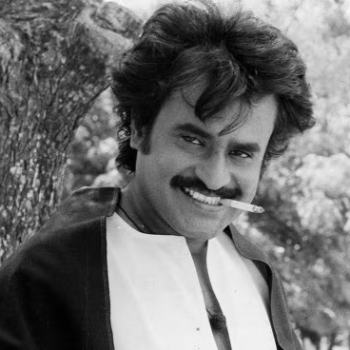
Rajinikanth Young pic

1970's-1980's

Rajinikanth in his youthful retro look from his early superstar rise in Tamil cinema.

Rajinikanth receive Padma Award

2000

Rajinikanth is being felicitated, when he was awarded national honors like the Padma Bhushan (2000)

Rajinikanth Portrait

2010's

Rajinikanth smiling at a public event, representing his veteran superstar status and continued popularity.

Rajinikanth with fans

2010's

Crowds cheering Rajinikanth during a public visit symbolizing his unmatched mass appeal in Tamil Nadu.

Rajinikanth movie shoot Robot

2010

Rajinikanth in a classic “stylish action star” costume from robot movie.

Rajinikanth hukum movie look

2023

A contemporary cinematic shot representing Rajinikanth’s timeless charisma in his recent films.

The Journey: From Bangalore's Buses to Madras's Spotlight

Before the silver screen beckoned, a young Shivaji Rao Gaikwad became a familiar, captivating presence on the routes of the Bangalore Transport Service (BTS). As a bus conductor, he wasn’t just collecting fares; he was performing. Commuters often spoke of his unique style – the effortless flick of coins, the rapid issuance of tickets, the engaging mannerisms that turned a mundane transaction into a moment of memorable charisma. This was his informal acting school, a daily stage where he observed human nature and honed his ability to captivate an audience. The decision to join the Madras Film Institute marked a pivotal turn. It was there that his raw talent caught the discerning eye of the legendary director K. Balachander. It was Balachander who not only discovered the star within but also christened him ‘Rajinikanth’ and sagely advised him to learn Tamil, a language that would soon carry his voice to millions. His early film career was challenging; starting with ‘Apoorva Raagangal’, he often found himself in supporting or antagonistic roles. Financial struggles were constant, criticism was sharp, and rejections were frequent companions on his path. Yet, he persevered, and his breakthrough finally arrived in 1976 with the films ‘Anthuleni Katha’ and ‘Moondru Mudichu’, signaling the dawn of a new star.

The Maestro of Empathy: Taking the Blame on 'Bhagwan Dada' Set

The year was 1986, and the set of the Hindi film ‘Bhagwan Dada’ buzzed with the controlled chaos of filmmaking. Lights gleamed, cameras rolled, and the air hummed with anticipation. Amidst the seasoned crew and actors, a young Hrithik Roshan, still a child finding his way on a film set, occasionally stumbled, making small, innocent mistakes during takes. A palpable tension would often rise, the director’s voice sometimes tinged with frustration.

One such moment arrived. Hrithik, perhaps overwhelmed by the lights or a line, faltered. A hush fell, followed by a sharp instruction from the director. Just as a wave of reprimand was about to wash over the young boy, a calm, resonant voice cut through the air.

“Sorry, it was my mistake,” Rajinikanth said, his eyes meeting the director’s, a hint of genuine regret in his tone. He stepped forward, taking the blame for a mistake that was clearly not his. He was not just saying the words; he was embodying them, deflecting the critical gaze from the child. This was not a one-off incident. Throughout the filming, whenever young Hrithik erred, Rajinikanth, with unwavering humility, would interject, “It was my mistake,” shielding the boy from harsh words, protecting his budding spirit.

Hrithik, too young to fully articulate his gratitude then, absorbed the profound impact of this simple, selfless act. Years later, he would recount this story, the memory still fresh, the warmth of Rajinikanth’s kindness still palpable. It was a masterclass in empathy, a quiet demonstration of leadership not through authority, but through deep human connection and protective grace. This moment, largely unseen by the wider world at the time, illuminated the true character of Rajinikanth: a superstar whose brilliance on screen was matched only by his boundless humility and compassion off it. It left an indelible impression, a testament to the man who would rather carry the burden of blame than see a child’s spirit dim.

The Impact: A Cinematic Force and Global Ambassador

Rajinikanth’s influence stretches far beyond the sets of individual films. His extensive filmography, boasting over 170 films across multiple languages, is a testament to his versatility and unparalleled appeal. He consistently shattered box office records, ushering in a new era of commercial success in Indian cinema. Films like ‘Baashha,’ ‘Padayappa,’ ‘Chandramukhi,’ and ‘Sivaji’ were not just blockbusters; they were cultural phenomena that effortlessly entered the prestigious ₹100 Crore Club. Later, ‘Enthiran’ and ‘2.0’ soared as some of the highest-grossing Indian films globally, while recent releases like ‘Jailer’ and ‘Coolie’ have impressively surpassed the ₹500 crore mark. He revolutionized Indian cinema with his distinctive style, making it accessible and beloved by audiences worldwide, truly becoming a global ambassador for Indian culture. Beyond the glamour, his heart beats for his nation. His significant philanthropic activities, including substantial donations for disaster relief during the Chennai and Kerala floods, and his unwavering support for underprivileged children, underscore his deep commitment to social responsibility.

The Glory: A Pantheon of Awards and Recognitions

Rajinikanth’s illustrious career has been adorned with a multitude of honors, reflecting his unparalleled contributions to cinema and society.

  1. Civilian Honors:
    • Padma Bhushan: Awarded in 2000, India’s third-highest civilian honor, recognizing his exceptional and distinguished service.
    • Padma Vibhushan: Awarded in 2016, India’s second-highest civilian honor, for his extraordinary and distinguished service.
    • Dadasaheb Phalke Award: Conferred in 2019, India’s highest honor in cinema, acknowledging his outstanding contribution to Indian cinema.

  2. Industry Honors:
    • Kalaimamani: Awarded by the Government of Tamil Nadu, celebrating his artistic excellence.
    • Filmfare Awards: Multiple wins, including Best Tamil Actor for ‘Nallavanukku Nallavan’ (1984) and ‘Muthu’ (1995).
    • M.G.R. Award: A prestigious award named after the iconic M.G. Ramachandran, recognizing his cinematic achievements.
    • Raj Kapoor Award: Honoring his contribution to Indian cinema.
    • Indian Entertainer of the Year & Entertainer of the Decade: Awards acknowledging his sustained popularity and impact.
    • Indian Film Personality of the Year: Awarded at the International Film Festival of India (IFFI).
    • Chevalier Sivaji Ganesan Award: A tribute named after another legendary actor, acknowledging his stature.
    • National Film Award: For ‘Padayappa’ (Best Actor).
    • Tamil Nadu State Film Awards: Numerous awards, including Best Actor for films like ‘Muthu,’ ‘Padayappa,’ and ‘Chandramukhi.’
    • Nandi Award: Awarded by the Government of Andhra Pradesh for his performances.
    • Maharashtra State Film Awards: Recognizing his Marathi roots and contribution.

  3. Global Recognitions:
    • Asiaweek: Listed among the most influential personalities.
    • Forbes India: Regularly featured in lists of India’s most powerful celebrities.
    • ’25 Greatest Global Living Legends’: Honored by NDTV.
    • IFFI Satyajit Ray Lifetime Achievement Award: A prestigious international award celebrating his enduring legacy in world

The Present: A Continuing Saga of Creativity and Influence (2024/2025)

Even in the present day, Rajinikanth remains a dynamic force, his passion for cinema and public life undiminished. His recent film projects include the highly anticipated ‘Vettaiyan,’ the captivating ‘Lal Salaam,’ and the blockbuster ‘Coolie.’ His political insights are keenly followed, notably his support for fellow actor Vijay. Despite his demanding schedule, he ensures his health remains a priority, regularly updating his fans. Speaking engagements, such as his address at the WAVES summit where he delved into his impactful 1995 speech, continue to inspire. He recently added another feather to his cap with a Lifetime Achievement Award at the 56th IFFI. The future holds even more excitement, with upcoming projects alongside the legendary Kamal Haasan, Director Sundar C, and the much-anticipated ‘Jailer 2’.

The Legacy: A Moral Compass for India

At the heart of Rajinikanth’s colossal success lies a profound philosophy, a core belief system rooted in spirituality, self-realization, and divine justice. He lives by the principles of gratitude, understanding the immense responsibility that comes with his stature, and is a strong advocate for social responsibility. His journey underscores the power of hard work, unwavering dedication, and, most importantly, humility – a trait that has endeared him to millions. His leadership style is charismatic and inspirational, commanding respect not just for his acting prowess but for his profound wisdom. To the youth of India, his message is clear: empower yourselves through perseverance, never forget your roots or the value of education, and always strive to foster collective good and unity. Rajinikanth’s enduring legacy transcends cinema; he is a cultural and moral compass for India, a timeless icon whose life story will continue to inspire generations to come

Conclusion An Icon Forged in India's Heart

Rajinikanth is more than a superstar; he is a beacon of hope and an embodiment of the Indian spirit. His life’s journey, from the bus corridors of Bangalore to the global cinematic stage, echoes the dignity of labor, the power of an unyielding spirit, and the beauty of a humble heart. He reminds us that true greatness is not merely found in the accolades received, but in the lives touched, the values upheld, and the unwavering dedication to one’s craft and country. He is, and will forever remain, a true ‘India Ki Shaan’.

FAQ's

His unique style, humility, and screen presence make him a cultural phenomenon.

He worked as a bus conductor before joining acting school.

Baashha (1995) is widely considered his career-defining film.

Yes, Padma Bhushan, Padma Vibhushan, and Dadasaheb Phalke Award.

He announced political intentions but withdrew due to health concerns.

Lata Mangeshkar Biography – The Nightingale of India

Lata Mangeshkar’s timeless voice gave soul to Indian cinema and continues to echo across generations.

Quick Summary

Full Name: Lata Mangeshkar
Born: 28 September 1929, Indore, Madhya Pradesh
Died: 6 February 2022, Mumbai, Maharashtra
Nicknames: “Nightingale of India,” “Voice of the Millennium”
Profession: Playback Singer, Music Composer
Active Years: 1942 – 2015
Key Contribution: Revolutionized Indian playback singing with her timeless voice, recorded in over 30 languages, and defined the golden era of Indian cinema music.

Early Life

Lata Mangeshkar, affectionately known as the Nightingale of India, was born on 28 September 1929 in Indore, Madhya Pradesh. She was the eldest of five siblings in the family of renowned classical singer and theatre actor Pandit Deenanath Mangeshkar and Shevanti Mangeshkar.

Growing up in a household deeply connected to Indian classical music, young Lata was surrounded by ragas, rhythms, and performances from an early age. Music was not just an art form in her home—it was a way of life.

Her father personally trained her in classical music, laying a strong foundation for what would later become one of the most iconic singing careers in the world. At just five years old, Lata began acting in her father’s musical plays, demonstrating her natural affinity for the performing arts.

Singing Debut

The sudden passing of her father in 1942 left the Mangeshkar family in financial difficulties. At only 13 years old, Lata took on the responsibility of supporting her family.

Her debut as a playback singer came in 1942 with the Marathi film Kiti Hasaal, though the song was not released. Her first released song was Naachu Yaa Gade, Khelu Saari Mani Haus Bhaari for the Marathi film Kiti Hasaal (1942). She also acted in several films during her early years to help support her siblings—Meena, Asha (later known as Asha Bhosle), Usha, and Hridaynath.

When the family shifted to Mumbai in the mid-1940s, Lata faced rejection because her voice was considered “too thin” compared to the then-popular, heavier singing styles. However, she persevered, and her big break came with “Aayega Aanewala” from Mahal (1949), composed by Khemchand Prakash. This hauntingly beautiful song became a sensation and marked the beginning of a new era in playback singing.

Legacy

Lata Mangeshkar was not just a playback singer—she was a cultural icon. Her voice became the soundtrack of India’s history, accompanying generations through joy, sorrow, patriotism, and romance.
Her rendition of “Ae Mere Watan Ke Logon” in 1963, composed by C. Ramchandra, brought Prime Minister Jawaharlal Nehru to tears. This patriotic song remains one of the most powerful performances in Indian history.

In addition to music, she also played a vital role in shaping the industry. She fought for royalty rights for playback singers, ensuring fair compensation for artists.

Even after her passing on 6 February 2022, her voice continues to inspire and comfort millions. She remains a guiding light for aspiring singers, symbolizing dedication, purity, and passion for art.

Legendary Songs

Over her career spanning seven decades, Lata Mangeshkar recorded more than 30,000 songs in 36+ Indian and foreign languages. Her versatility, purity of voice, and emotional depth made her songs timeless.

Some of her iconic songs include:

1964

Lag Jaa Gale ((Woh Kaun Thi?) - A haunting melody still adored today

1960

Ajeeb Dastan Hai Yeh (Dil Apna Aur Preet Parai) - A classic of Hindi cinema

1960

Pyar Kiya To Darna Kya (Mughal-e-Azam) - A powerful anthem of love.

1975

Tere Bina Zindagi Se Koi Shikwa (Aandhi) - A soulful duet with Kishore

1989

Dil Deewana (Maine Pyar Kiya) - A romantic favorite of the modern generation.

Lata Mangeshkar Singing

1995

Tujhe Dekha To (Dilwale Dulhania Le Jayenge) - A song that became synonymous with love stories in Bollywood.

Her collaborations with legendary composers like Madan Mohan, S.D. Burman, R.D. Burman, Laxmikant-Pyarelal, Kalyanji-Anandji, A.R. Rahman, and Shankar-Jaikishan produced some of the most unforgettable melodies in Indian cinema.

Awards & Achievements

Lata Mangeshkar’s contributions to music earned her numerous accolades:

  • Bharat Ratna (2001): India’s highest civilian honor.
  • Padma Vibhushan (1999) and Padma Bhushan (1969).
  • Dadasaheb Phalke Award (1989).
  • National Film Awards: 3 wins for Best Female Playback Singer.
  • Filmfare Awards: Multiple wins before she requested her name be withdrawn to encourage younger singers.
  • Guinness World Record: Recognized at one time as the most recorded artist in the world.

Beyond awards, her voice became the soundtrack of generations, spanning over seven decades and more than 30 languages, including Hindi, Marathi, Bengali, Tamil, Telugu, Gujarati, Kannada, and even foreign languages. Her songs carried not only melodies but emotions, leaving an indelible mark on the soul of India.

Conclusion

The Lata Mangeshkar Biography is the story of a voice that became India’s heartbeat. She wasn’t just a playback singer—she was the soul of Indian cinema, bridging generations through her timeless melodies.

From her humble beginnings in Indore to becoming the Nightingale of India, Lata Mangeshkar’s journey is one of resilience, dedication, and unparalleled artistry. Her music will forever remain a guiding force for India and the world.

Even though she is no longer physically with us, her songs ensure she lives on eternally—forever singing, forever inspiring.

FAQ's

Because of her melodious voice and unmatched contribution to Indian music, echoing the sweetness of a nightingale’s song.

She recorded over 30,000 songs in 36+ languages across a career spanning seven decades.

Her breakthrough song was Aayega Aanewala from the film Mahal (1949).

Yes, she was awarded the Bharat Ratna in 2001.

Ae Mere Watan Ke Logon (1963), a tribute to Indian soldiers.

Amitabh Bachchan Biography – From Angry Young Man to Living Legend

Amitabh Bachchan redefined Indian cinema with unmatched charisma and timeless performances.

Quick Summary

Full Name: Amitabh Harivansh Rai Bachchan
Born: 11th October 1942, Allahabad, United Provinces, British India (now Prayagraj, Uttar Pradesh)
Profession: Actor, Film Producer, Television Host, Playback Singer, Politician (briefly)
Known As: “Shahenshah of Bollywood,” “Big B,” “Angry Young Man”
Career Span: 1969 – Present
Key Contributions:

  • Revolutionized Indian cinema with his “Angry Young Man” persona in the 1970s.

  • Starred in iconic films like Sholay, Deewaar, Zanjeer, Amar Akbar Anthony, and Paa.

  • Hosted Kaun Banega Crorepati (KBC), which redefined Indian television.

  • Received Padma Shri (1984), Padma Bhushan (2001), Padma Vibhushan (2015).

  • National Film Award winner and recipient of France’s Legion of Honour.
    Quote:
    “I don’t make rules, I follow them.” — Amitabh Bachchan

Early Life

Amitabh Bachchan, fondly called the Big B of Bollywood, was born on October 11, 1942 in Allahabad (now Prayagraj), Uttar Pradesh. He was the son of the legendary Hindi poet Harivansh Rai Bachchan and social activist Teji Bachchan. Growing up in an environment deeply enriched with literature, poetry, and culture, young Amitabh developed a love for storytelling, expressions, and the performing arts.

He completed his schooling at Sherwood College, Nainital, and later pursued a degree in arts from Kirori Mal College, University of Delhi. Despite his intellectual roots and calm demeanor, Amitabh initially worked as a freight ship executive in Kolkata. However, destiny had bigger plans for him.

Standing tall at 6 feet 2 inches, with a baritone voice that was once rejected by All India Radio, Amitabh battled early rejections in his dream of entering the Hindi film industry at a time when conventional “chocolate boy” heroes were in demand.

Film Debut

Amitabh Bachchan’s journey in Bollywood began in 1969 with Saat Hindustani, directed by Khwaja Ahmad Abbas. Though the film was not a commercial hit, it earned him the National Film Award for Best Newcomer, marking the beginning of an extraordinary career.

In the early 1970s, he appeared in minor roles in films like Anand (1971) alongside Rajesh Khanna, where his role as Dr. Bhaskar Banerjee left a strong impression. His dialogues carried weight, his deep voice added gravity, and his commanding presence set him apart.

His big breakthrough came with Prakash Mehra’s Zanjeer (1973), where Amitabh played Inspector Vijay — a role that transformed him into Bollywood’s “Angry Young Man.” This character struck a chord with audiences, reflecting the frustrations of the 1970s generation, and catapulted him to superstardom.

Rise to Stardom

The turning point in Amitabh Bachchan’s career came with Zanjeer (1973), where he played Inspector Vijay Khanna. This role defined the archetype of the “Angry Young Man” of Indian cinema, reflecting the frustration and unrest of India’s youth during that era.

With his brooding intensity, fearless attitude, and strong screen presence, Amitabh soon became a household name. Films like Deewaar (1975) and Sholay (1975) cemented his position as the biggest star of the decade.

The character of Jai in Sholay showcased his versatility – calm yet intense, emotional yet powerful. His pairing with Dharmendra, Hema Malini, Jaya Bhaduri (now Bachchan), and other co-stars created unforgettable moments in cinematic history.

By the late 1970s and 1980s, Amitabh was delivering blockbuster after blockbuster – from Don (1978), Muqaddar Ka Sikandar (1978), and Trishul (1978) to Laawaris (1981), Coolie (1983), and Shahenshah (1988).

He was not just an actor – he was a phenomenon, commanding audiences like never before.

Iconic Films

Some of the most celebrated films of Amitabh Bachchan’s career include:

1975

Deewaar - The unforgettable dialogue “Mere paas maa hai” remains etched in history.

1975

Sholay - His portrayal of Jai, paired with Dharmendra’s Veeru, became legendary.

1978

Don - His double role as the underworld don and his lookalike established him as a superstar.

1977

Amar Akbar Anthony - Showed his flair for comedy and versatility

2005

Black - His role as a teacher guiding a deaf-blind student earned global acclaim.

2009

Paa - Played a 12 year-old child suffering from progeria – a performance that won him a National Award.

Even in recent years, films like Pink (2016), Badla (2019), and Gulabo Sitabo (2020) have showcased his ability to adapt with changing times.

Awards & Legacy

Amitabh Bachchan’s career is decorated with countless awards and honors:

  • National Film Awards: 4 wins for Best Actor (Agneepath, Black, Paa, Piku).
  • Filmfare Awards: Over 15 wins across multiple categories.
  • Padma Awards:
    • Padma Shri in 1984
    • Padma Bhushan in 2001
    • Padma Vibhushan in 2015

Beyond acting, Amitabh Bachchan made an indelible mark on Indian television. His role as the host of Kaun Banega Crorepati (KBC) since 2000 revolutionized Indian TV, connecting him with millions of households and bringing him closer to fans across generations. His calm demeanor, wit, and authenticity transformed the game show into a cultural phenomenon.

Bachchan’s legacy also extends to his philanthropy and public service. He has actively supported causes related to health, education, rural development, and disaster relief. Despite facing financial setbacks in the late 1990s, his resilience and comeback not only restored his stardom but also reinforced his image as a symbol of perseverance and determination.

Today, Amitabh Bachchan stands as more than just an actor — he is an institution, a cultural icon whose journey from rejection to superstardom continues to inspire millions. His legacy reflects not only cinematic excellence but also the values of resilience, humility, and dedication that define a true legend.

Conclusion

The Amitabh Bachchan Biography is not just about an actor – it is the story of a man who redefined Indian cinema, influenced generations, and remains the megastar of Bollywood. His contribution goes beyond movies; he has become a cultural icon whose name is synonymous with excellence, resilience, and charisma.

Amitabh Bachchan continues to inspire millions, proving that true legends never fade – they only shine brighter with time.

FAQ's

He was born on October 11, 1942 in Allahabad, Uttar Pradesh.

His debut film was Saat Hindustani (1969).

Because his roles in the 1970s, especially in Zanjeer and Deewaar, portrayed the frustration and rebellion of Indian youth.

He has won 4 National Film Awards for Best Actor.

His hosting of Kaun Banega Crorepati (KBC) brought him closer to modern audiences.