
1
Freedom movement activist
Freedom movement activist forms part of Jayaprakash Narayan’s wider public and political record.
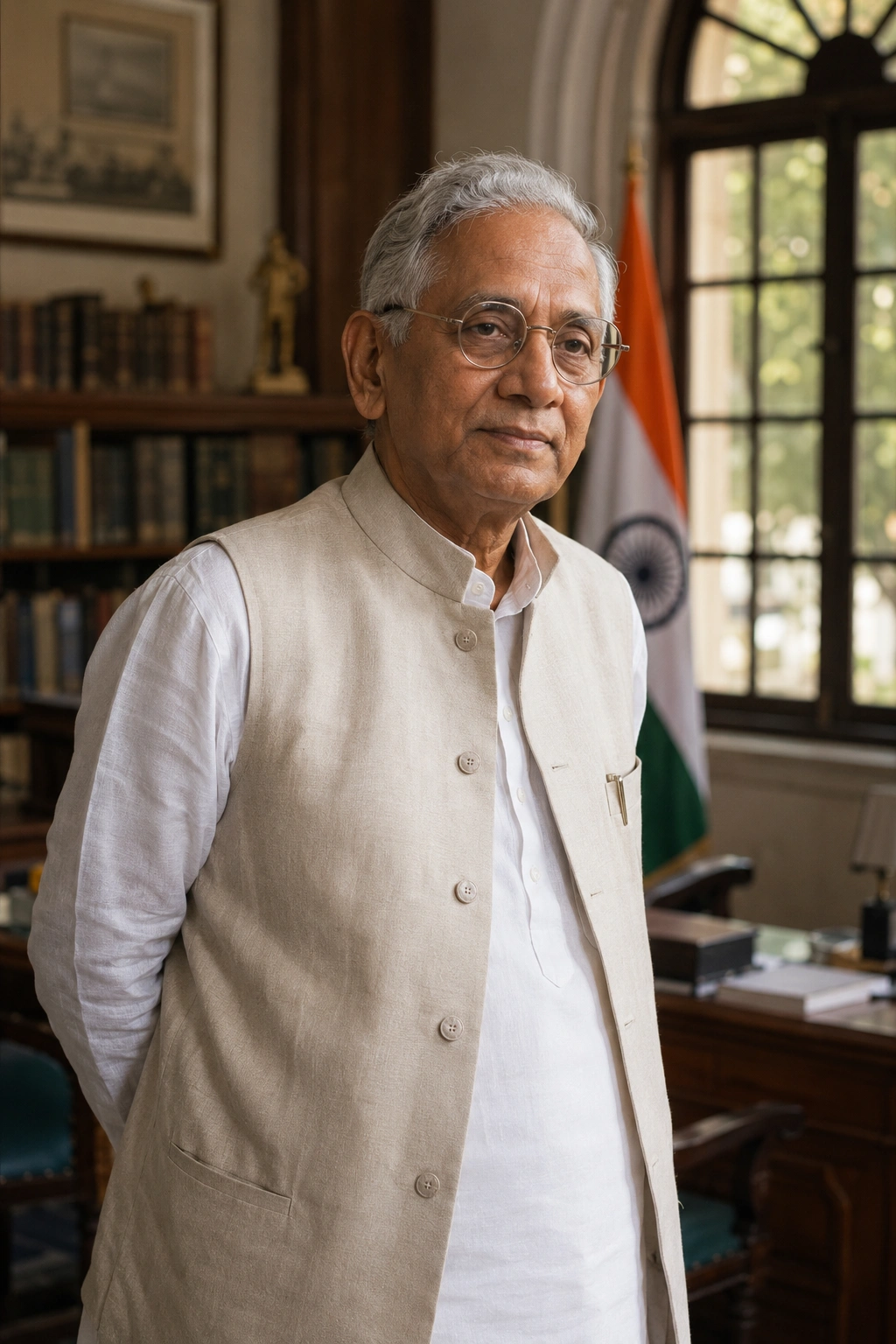
Known widely as JP, he moved from anti-colonial activism to socialist politics and later to a broad democratic movement calling for institutional and political renewal.
In a land where the hopes of millions rested on the shoulders of a few, Jayaprakash Narayan emerged as a beacon of change. His voice resonated through the struggles of the common man, igniting a flame of democracy and social justice in India.
Jayaprakash Narayan was a prominent Indian politician and social reformer who played a crucial role in India’s struggle for independence and the subsequent fight for a just and equitable society. He is best known for his leadership during the 1970s when he sparked a movement against corruption and sought to empower the youth and marginalized communities. His vision for a better India continues to inspire many even today.
Jayaprakash Narayan was born into a modest family in Sitabdiara, a small village in Bihar. His father, a farmer, instilled strong values in him, emphasizing the importance of education and social responsibility. Growing up in such an environment, Jayaprakash learned the significance of hard work and integrity from a young age. He was known to be inquisitive and showed an early interest in social issues.
Narayan grew up in Bihar and later pursued education in India and the United States.
He became a leading socialist voice within the freedom movement.
Narayan was imprisoned and later escaped custody, becoming associated with underground resistance.
He gradually moved away from party politics toward social transformation and Gandhian constructive work.
JP emerged as the leading figure in a mass movement demanding political reform and accountability.
He became a major democratic symbol during opposition to the Emergency imposed by Indira Gandhi’s government.
Opposition parties united and defeated Congress in the general election, a major turning point in Indian politics.
Jayaprakash Narayan’s call for ‘Total Revolution’ went beyond changing one government. He argued for reform in politics, administration, education and civic life, and his movement became a rallying point for opposition to centralised power during the Emergency era.
Politics • Public Service • IndiaFreedom movement activist forms part of Jayaprakash Narayan’s wider public and political record.
Founder-leader in socialist politics forms part of Jayaprakash Narayan’s wider public and political record.
Leader of 1974 Bihar movement forms part of Jayaprakash Narayan’s wider public and political record.
Symbol of opposition to the Emergency forms part of Jayaprakash Narayan’s wider public and political record.
Advocate of ‘Total Revolution’ forms part of Jayaprakash Narayan’s wider public and political record.
Major influence on Janata coalition politics forms part of Jayaprakash Narayan’s wider public and political record.
Jayaprakash Narayan’s call for ‘Total Revolution’ went beyond changing one government. He argued for reform in politics, administration, education and civic life, and his movement became a rallying point for opposition to centralised power during the Emergency era.
JP is remembered less for holding office than for mobilising citizens and opposition parties around democratic accountability. Admirers see him as a moral force; critics debate the practical ambiguity of ‘Total Revolution’ and its political consequences.
Political and democratic history context.
View source →Historical records on the freedom movement and Emergency era.
View source →Context for Sarvodaya and Gandhian movements.
View source →1977 electoral context.
View source →Known widely as JP, he moved from anti-colonial activism to socialist politics and later to a broad democratic movement calling for institutional and political renewal.
Freedom movement activist, Founder-leader in socialist politics, Leader of 1974 Bihar movement.
JP is remembered less for holding office than for mobilising citizens and opposition parties around democratic accountability. Admirers see him as a moral force; critics debate the practical ambiguity of ‘Total Revolution’ and its political consequences.
Bihar movement, Emergency opposition, Janata victory.
Help us improve the archive by suggesting reliable information or another Indian personality worth documenting.